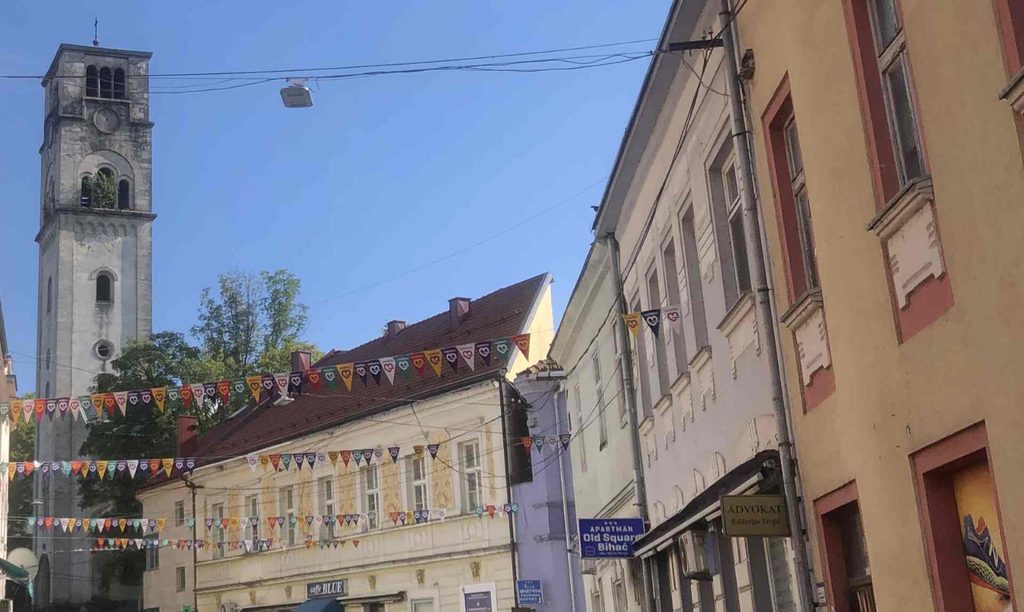
I have visited many cities across Bosnia and Herzegovina, and this is my personal list of the cities I saw during my travels through the country. I am not going to present this as a traditional list of the “best cities in Bosnia and Herzegovina”. Instead, I want to explain what each city was like from my own experience, what I saw there, and whether I think it is worth visiting.
I started in the south, around Herzegovina, and gradually traveled north through different parts of the country. Some of these cities were destinations in themselves, while others were mainly places I passed through on my way to lakes, rivers, mountains and other natural attractions. If you follow my blog, you probably already know that I prefer nature to cities. Many times, I visited a city because I wanted to reach a mountain, lake or river nearby. However, this also gave me an opportunity to see parts of Bosnia that most tourists never visit.
After visiting all of these places, my personal recommendations are Mostar, Sarajevo, Travnik and Bihać if you want to spend time exploring the city itself. Some of the other cities are interesting for a few hours or as a stop on a longer trip, especially if you are interested in history, architecture or nature around them.
Mostar
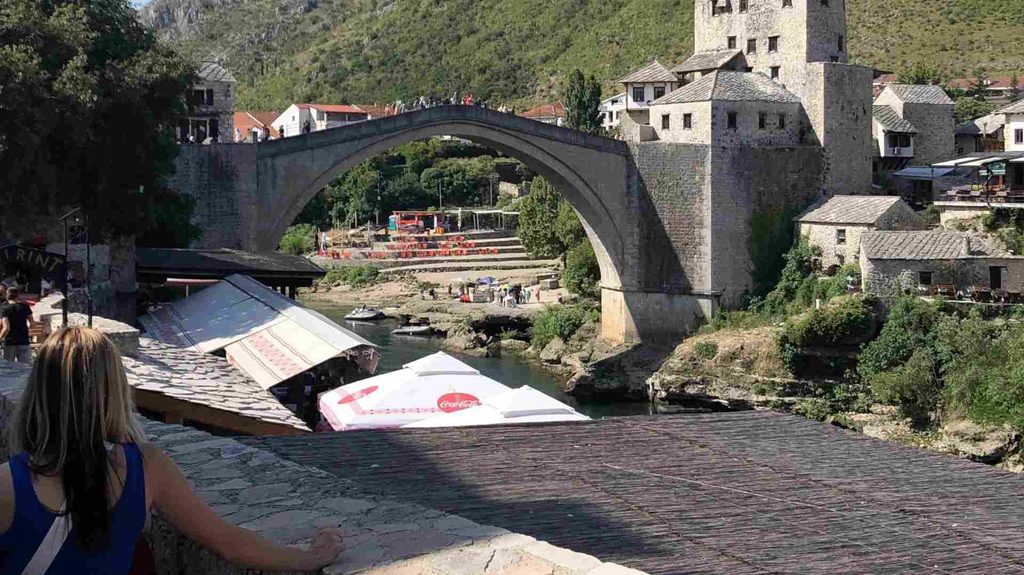
Mostar is probably the most famous and, in my opinion, one of the most beautiful cities in Bosnia and Herzegovina. The city is built around the Neretva River and is famous for the Old Bridge, narrow stone streets and Ottoman-era architecture. Its Mediterranean-influenced climate also makes Mostar feel very different from many other Bosnian cities.
There is plenty to do here. You can walk through the Old Town, visit the Old Bridge, climb to viewpoints above the city, explore the surrounding mountains or even see people jumping into the cold Neretva during the summer. I spent more time exploring Mostar and wrote a separate article about my experience there.
My verdict: Definitely worth visiting, and I would spend at least one or two nights here.
Konjic
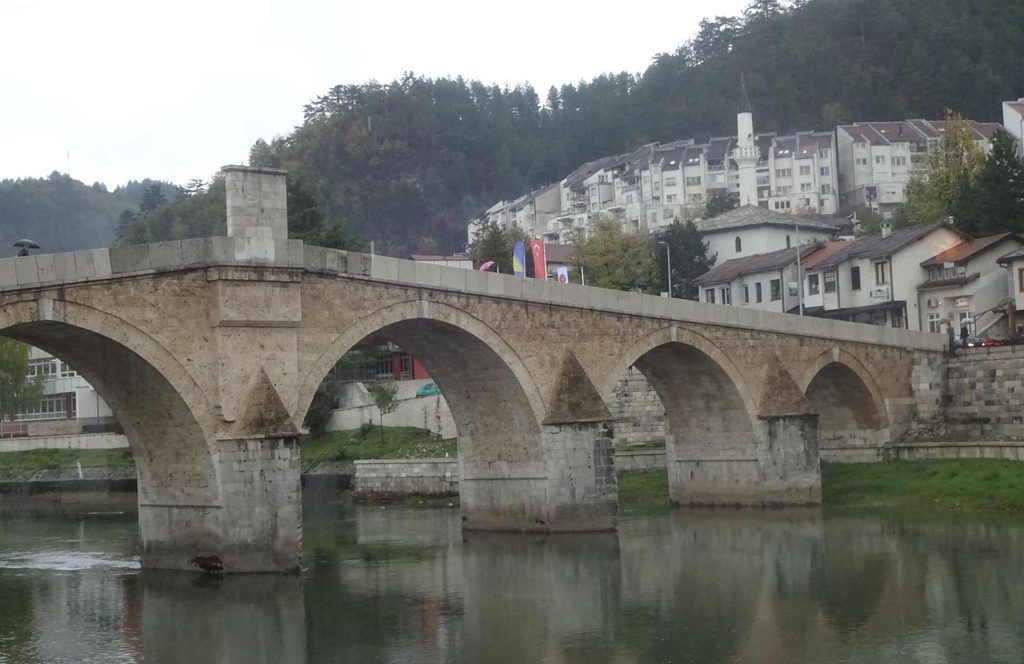
Konjic is located on the Neretva River, roughly an hour north of Mostar. Geographically and culturally, it sits in an interesting position between Herzegovina and central Bosnia. The town is relatively small, but its location makes it a useful base for exploring the surrounding mountains and rivers. One of the most recognizable sights is the old stone bridge across the Neretva. Another major attraction nearby is Tito’s bunker, the enormous Cold War-era underground facility built during Yugoslavia.
Konjic is also an important destination for rafting on the Neretva, while Boračko Lake is another popular natural attraction nearby. I found Konjic charming because it has a small-town atmosphere while being surrounded by dramatic mountains.
My verdict: Worth a few hours, and even better if you use it as a base for nature and outdoor activities.
Livno
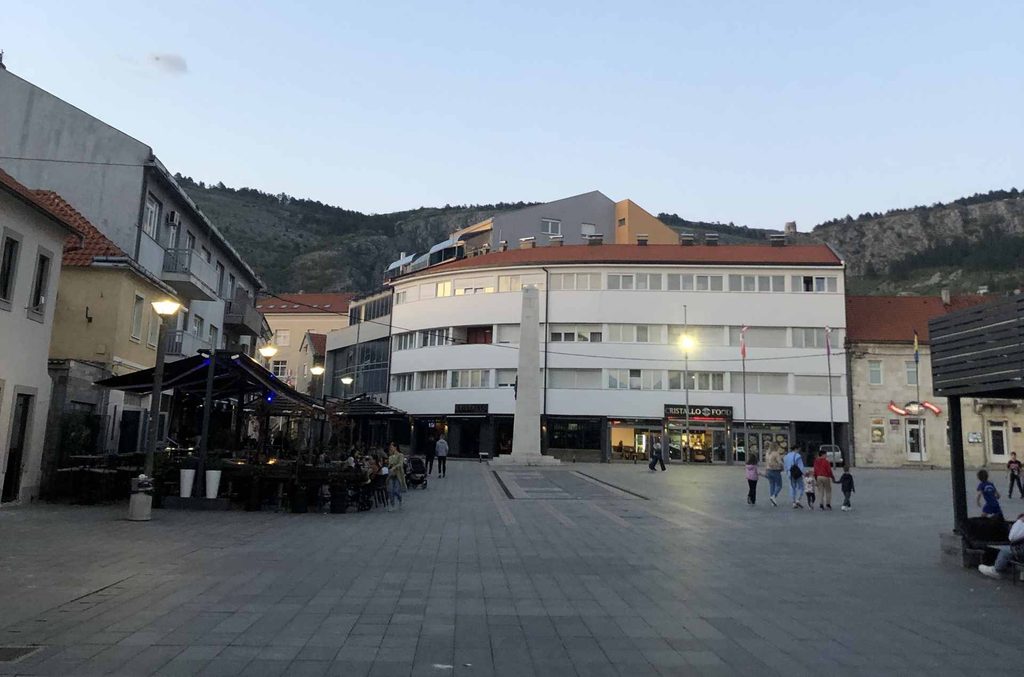
Livno is one of the more interesting cities in western Bosnia and Herzegovina. The city has a large central area with historic buildings, cafés and shops, but what attracted me most was the landscape around it. Livno is particularly famous among travelers interested in nature because of the mountains and the wild horses that live in the surrounding area. Mount Cincar is another important natural landmark. For me, Livno was more about the landscape surrounding the city than the city itself.
My verdict: Worth visiting if you are interested in wild horses, mountains and western Bosnia.
Kupres
Kupres is a small mountain town located at around 1,200 metres above sea level. The high elevation gives the town a very different climate from places such as Mostar. Locals told me stories about snow appearing even during months when you would normally expect summer weather. I liked Kupres particularly because of the natural landscapes around it. There are lakes, mountains and numerous medieval stećci in the surrounding countryside. It’s popular skiing destination with 3 skii centers.
The area is also associated with the history of medieval Bosnia, although some local stories are difficult to separate from later traditions and legends. One important warning for anyone exploring the countryside is that landmines remain a serious issue in parts of Bosnia and Herzegovina. I would never recommend leaving marked roads or established trails unless you know the area is safe.
My verdict: The town itself is small, but the surrounding landscape makes the area worth visiting.
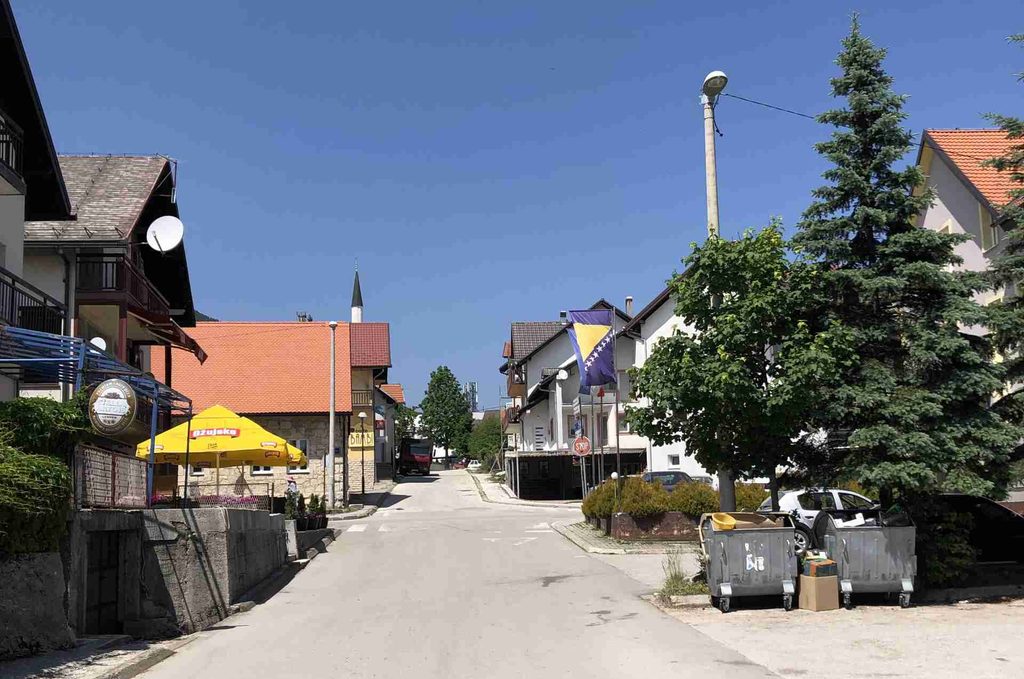
Bugojno
Bugojno is one of the larger towns in this part of Bosnia and can be useful when traveling through central Bosnia. For me, it was more of a practical stop than a major tourist destination. There are plenty of cafés, restaurants, shops and other services, which makes it convenient if you are traveling through the region. Nearby, the Rostovo area offers mountains, forests and wildlife. The wider region is known for large forested landscapes where animals such as bears can be found. Bugojno is therefore more interesting as a gateway to the surrounding countryside than as a traditional sightseeing destination.
My verdict: A useful stop when traveling through central Bosnia, especially if you are heading into the mountains.
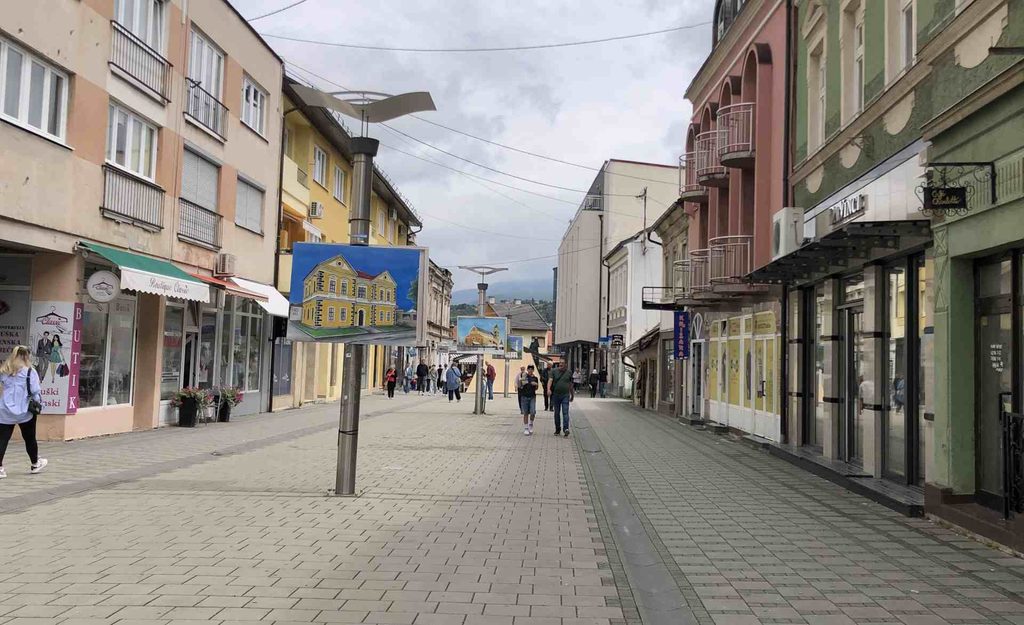
Travnik
Travnik is one of my favourite cities in Bosnia and Herzegovina. The city lies beneath Mount Vlašić and has one of the most interesting historic settings in the country. During Ottoman rule, Travnik became the seat of the Bosnian viziers and remained an important administrative centre for much of the Ottoman period. The old fortress above the city is one of the highlights. From there, you can look across the town and towards the surrounding mountains.
I also liked walking through the old part of the city, along the small river and through the historic streets. And then there is the food. Travnik is famous for its ćevapi and other traditional Bosnian dishes, and eating here was one of the things that made the visit particularly memorable for me.
My verdict: Definitely worth visiting. For me, Travnik belongs among the best smaller cities in Bosnia.
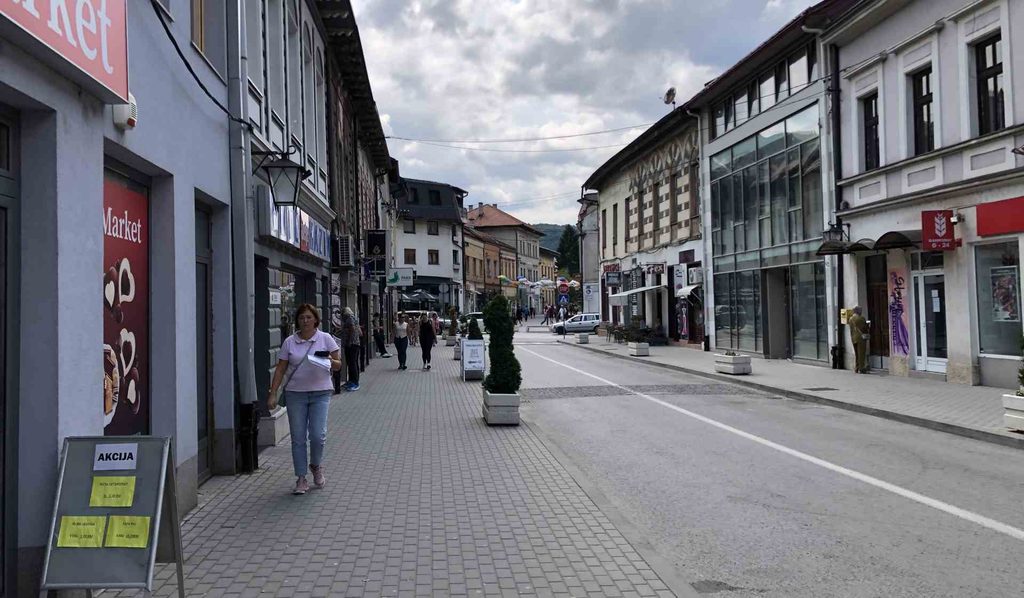
Sarajevo
Sarajevo is the capital and largest city of Bosnia and Herzegovina and the city where I think you should spend the most time if you want to understand the country. What makes Sarajevo special is the mixture of cultures, religions, architecture and history. Ottoman buildings, Austro-Hungarian architecture, Yugoslav-era structures and modern Sarajevo all exist within the same urban area. The city is also surrounded by mountains, so you do not have to travel far to get into nature. Trebević is particularly easy to reach from the city and offers hiking opportunities and views over Sarajevo. Sarajevo is a city where I would recommend staying for several days rather than simply passing through.
My verdict: Definitely worth visiting. If this is your first trip to Bosnia and Herzegovina, Sarajevo should be on your itinerary.
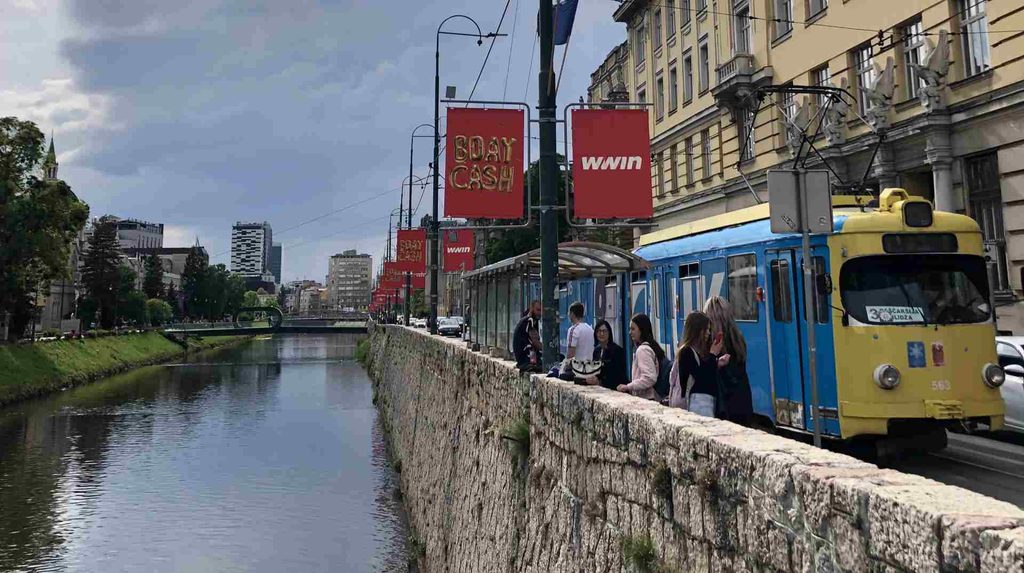
Srebrenica
Srebrenica is a small town in eastern Bosnia, in the Podrinje region. For many people around the world, Srebrenica is primarily associated with the genocide committed there in 1995. This history cannot be separated from visiting the area, and the Srebrenica-Potočari Memorial Centre is an important place for understanding what happened. However, there is also a very different side of the region.
The surrounding landscape is mountainous and heavily forested, while the Drina River and its canyon are among the most impressive natural features in eastern Bosnia. I found the contrast striking: a region with such a painful recent history is surrounded by exceptionally beautiful nature.
My verdict: Important to visit for its history, but also worth exploring the surrounding landscape if you have enough time.
Visoko
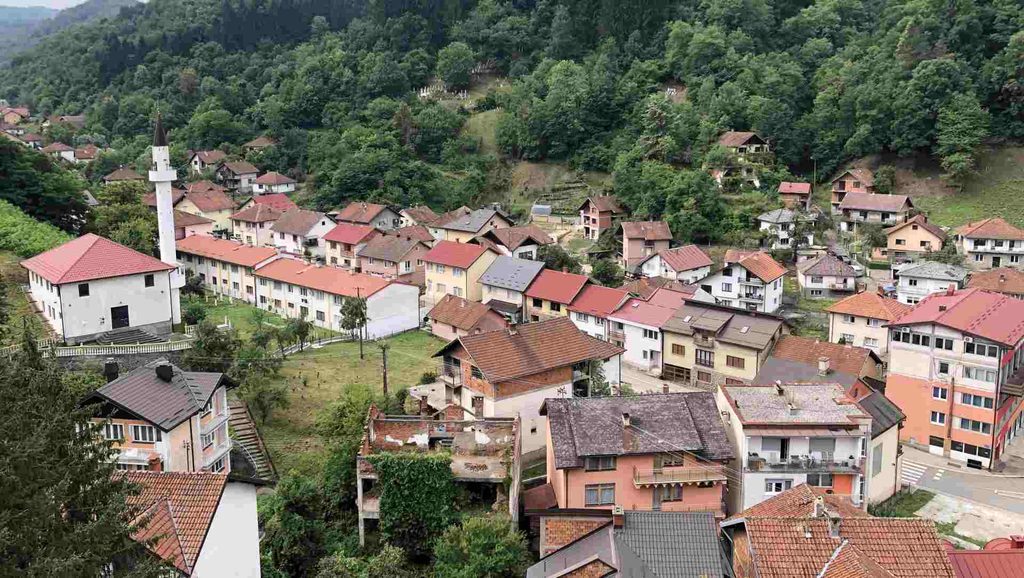
Visoko is located in the Bosna River valley, relatively close to Sarajevo. The city is internationally known because of the so-called Bosnian Pyramids, a controversial theory that became famous during the last two decades. The structures have been promoted as ancient pyramids, although mainstream archaeologists do not accept this interpretation and consider the formations natural geological features. Whatever your opinion about the pyramid claims, Visoko itself has a much longer and more established history.
The area was an important medieval centre of Bosnia, and the surrounding hills and rivers make it an interesting place to explore.
My verdict: Worth visiting if you are interested in the pyramid controversy, medieval Bosnian history or the landscape around Visoko.
Kakanj
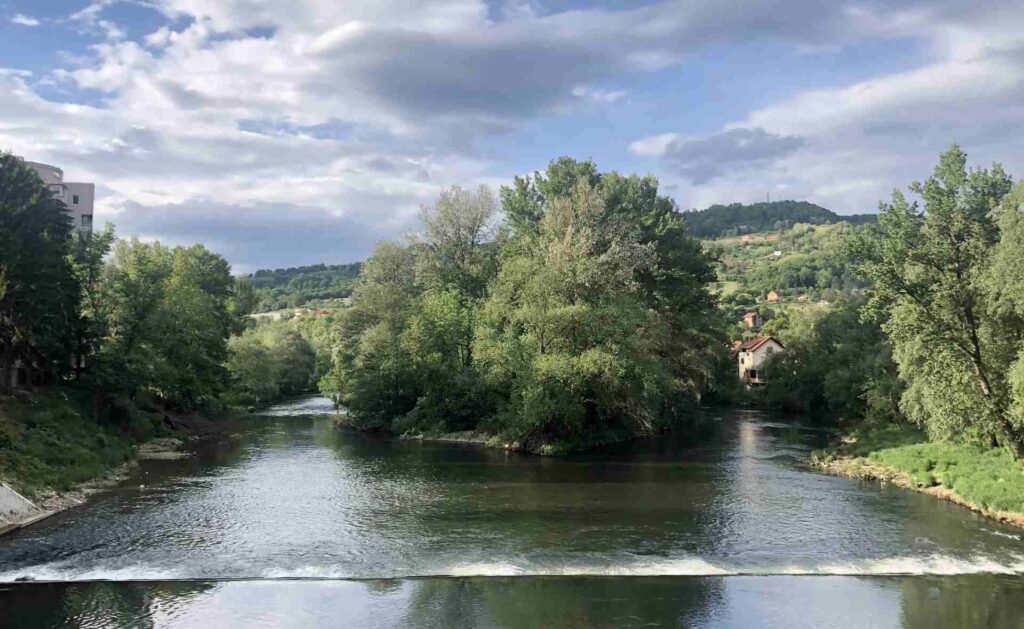
Kakanj is another city in the Bosna River valley. Unlike places such as Mostar or Travnik, Kakanj is not primarily known as a tourist destination. It developed around heavy industry, particularly coal mining and energy production. The industrial character is still visible today. However, there is another side of Kakanj in the surrounding mountains. Ponijeri is a local mountain and winter destination, while other natural areas around the region are good for hiking and exploring.
Near Kakanj there is Bobovac, historical capital of Kindom of Bosnia. I mainly used Kakanj as a stop while traveling through this part of Bosnia.
My verdict: More interesting for travelers exploring the region than as a standalone tourist destination.
Zenica
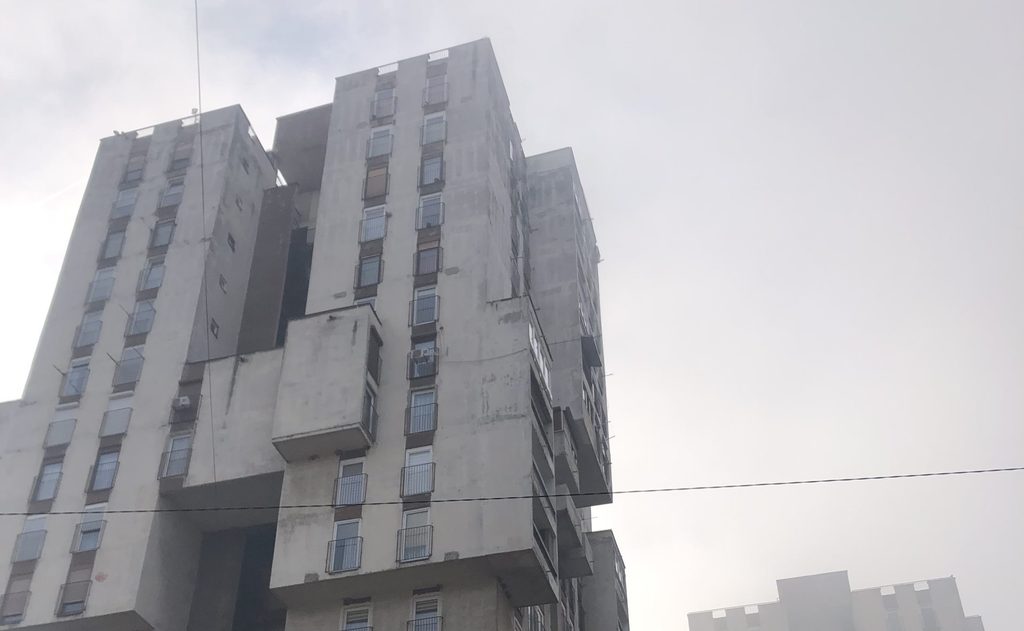
Zenica is one of the largest cities in Bosnia and Herzegovina and is strongly associated with heavy industry. The city has a very different atmosphere from Sarajevo or Mostar. Large industrial facilities, socialist-era apartment blocks and broad urban spaces give parts of Zenica a distinctly post-Yugoslav appearance. If you are interested in socialist and Brutalist architecture, Zenica can be surprisingly interesting.
The city is also home to Bilino Polje Stadium, where the Bosnia and Herzegovina national football team has played many important matches. Outside the urban area, there are mountains and recreational areas such as Smetovi, which provide a completely different environment from the industrial centre.
My verdict: Not for multi day visiting, but interesting if you want to see a different side of the country.
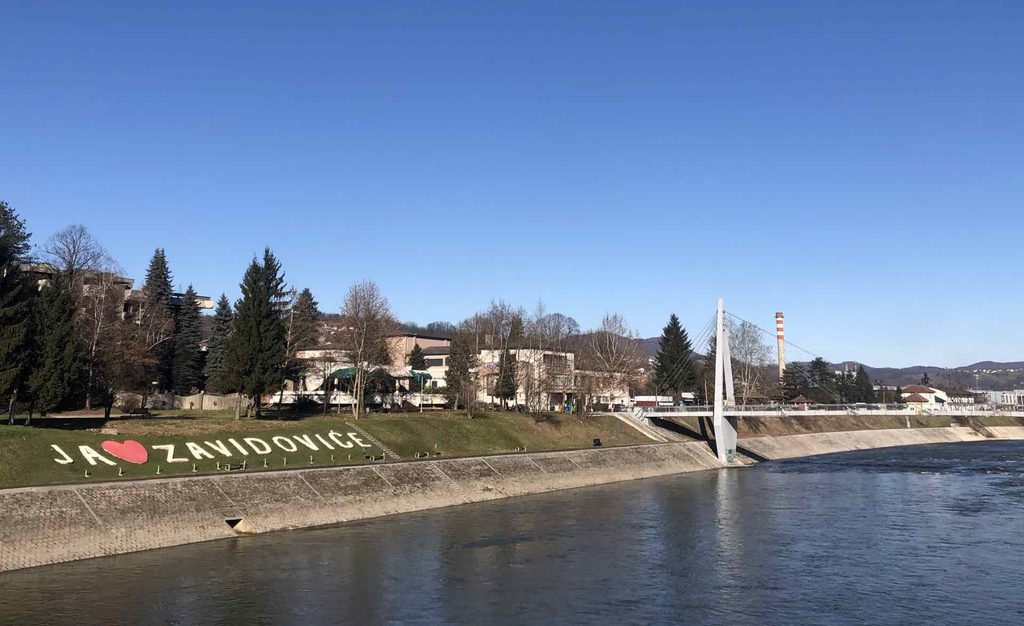
Zavidovići
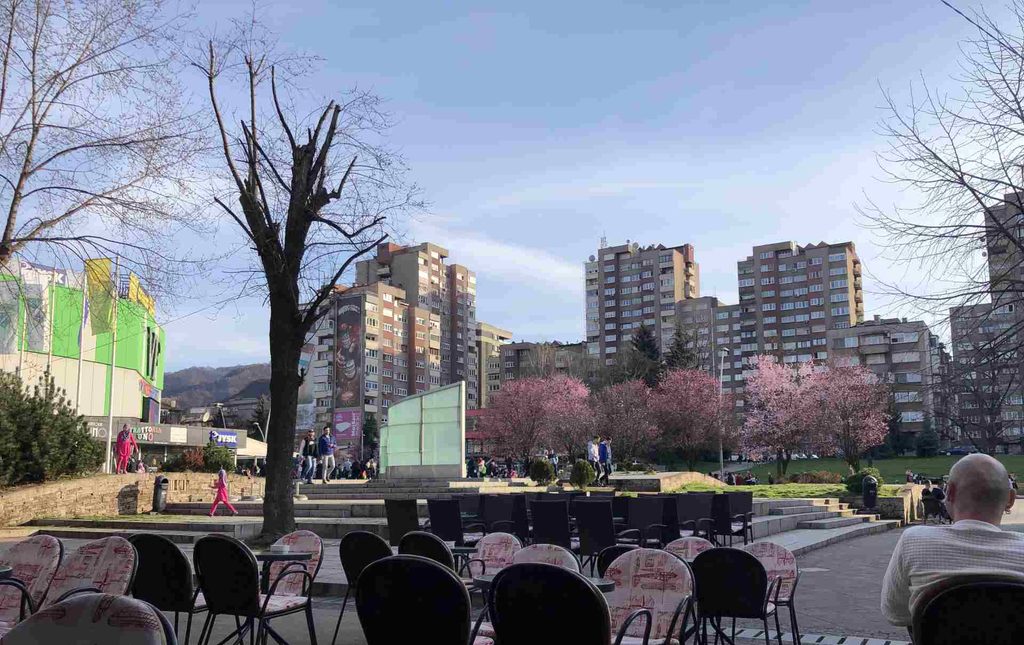
Zavidovići is a relatively small industrial town in central-northern Bosnia, located where several rivers meet. The town itself is not one of Bosnia’s major tourist destinations, but the surrounding area is much more interesting. One of the unusual attractions connected with Zavidovići is the presence of stone spheres, or kamene kugle. Some of the largest examples can be found in the wider area.
The nearby mountains and forests also provide access to natural attractions, including the Tajan area and Kamenica. The Gostović River is another beautiful part of the landscape. I mostly visited Zavidovići because of the nature around the town rather than because of the urban centre itself.
My verdict: Worth visiting if you are interested in unusual natural phenomena and mountain landscapes.
Doboj
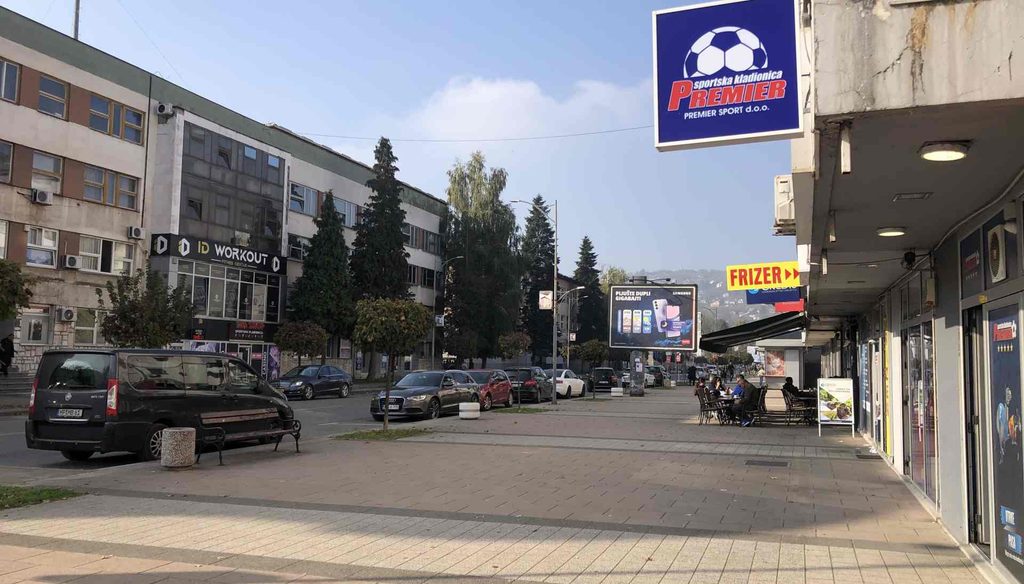
Doboj is an important transport hub in northern Bosnia and Herzegovina. Its position makes it a natural crossroads between several major parts of the country, including Sarajevo, Tuzla and Banja Luka. The Bosna River passes through the city, and there are parks and green areas around the urban centre. One of the most important sights is Doboj Fortress, which stands above the city and has played an important defensive role throughout the history of the region.
For me, Doboj was more of a useful stop on the way to other places, but the fortress makes it more interesting than you might initially expect.
My verdict: Worth stopping for a few hours.
Tuzla
Tuzla is one of the largest cities in Bosnia and Herzegovina and the main urban centre of northeastern Bosnia. The city’s name is connected with salt. Tuzla has a long history of salt production, and this connection is still visible today.
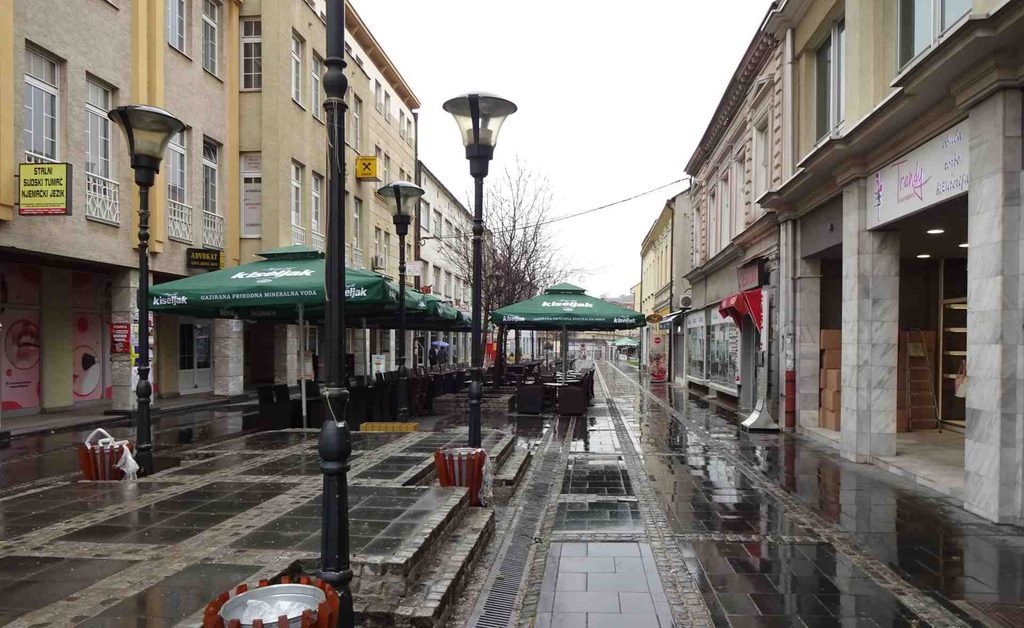
One of the most unusual attractions is the Pannonian Lakes, a complex of artificial saltwater lakes located in the centre of the city. They are particularly popular during the summer. I also enjoyed walking through the old part of Tuzla. The pedestrian areas, cafés and historic buildings give the centre a pleasant atmosphere. Another important place is Kapija, a memorial connected with the civilians killed during the war.
My verdict: Definitely worth a visit, particularly during summer.
Srebrenik
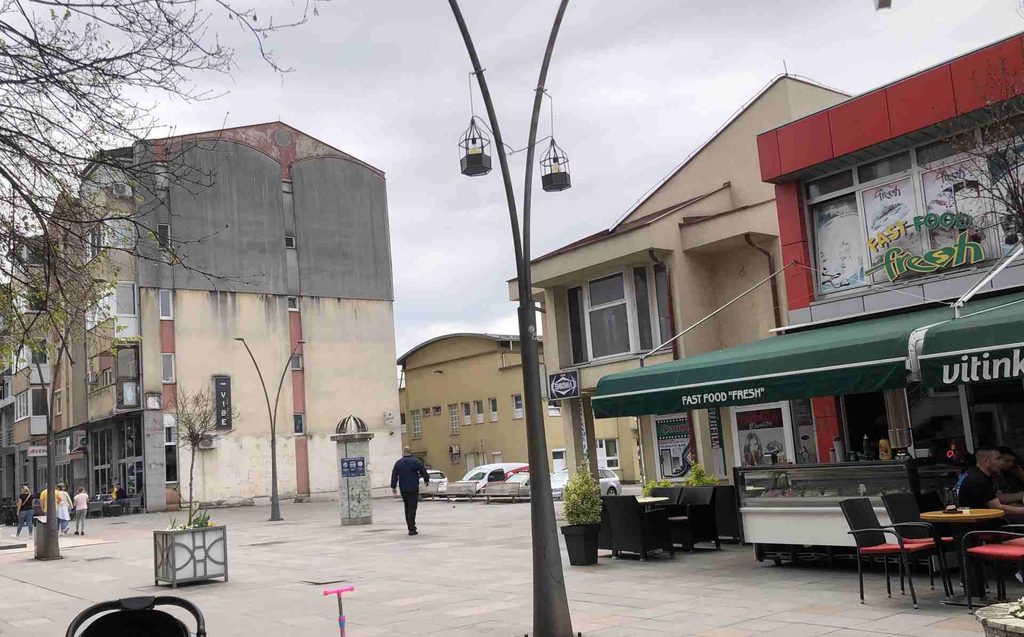
Srebrenik is a historic town in northeastern Bosnia, best known for its medieval fortress. The fortress is one of the most interesting medieval fortifications in this part of the country and sits dramatically above the surrounding landscape. Srebrenik is also close to Mount Majevica, a relatively low mountain range that stretches through northeastern Bosnia.
Compared with the larger cities of the country, Srebrenik has a much smaller and quieter atmosphere. The main reason I would visit is the fortress and the surrounding landscape.
My verdict: Worth a short visit, especially if you are interested in medieval Bosnian history.
Brčko
Brčko is one of the most unusual places on this list because of its political and geographical position. The city lies on the Sava River in northern Bosnia and Herzegovina, close to the borders with Croatia and Serbia. It is also the administrative centre of the Brčko District, which has a special status within Bosnia and Herzegovina.
The Sava gives the city a different atmosphere from most inland Bosnian towns. You can see boats and river traffic, while the border crossings nearby add another interesting element to the area. I also noticed a strong contrast within the city itself. Some parts of the centre are quite pleasant and well maintained, while other infrastructure, including parts of the bus station area, looks much less impressive.
My verdict: Interesting for travelers who want to see a less touristy and politically unusual part of Bosnia.
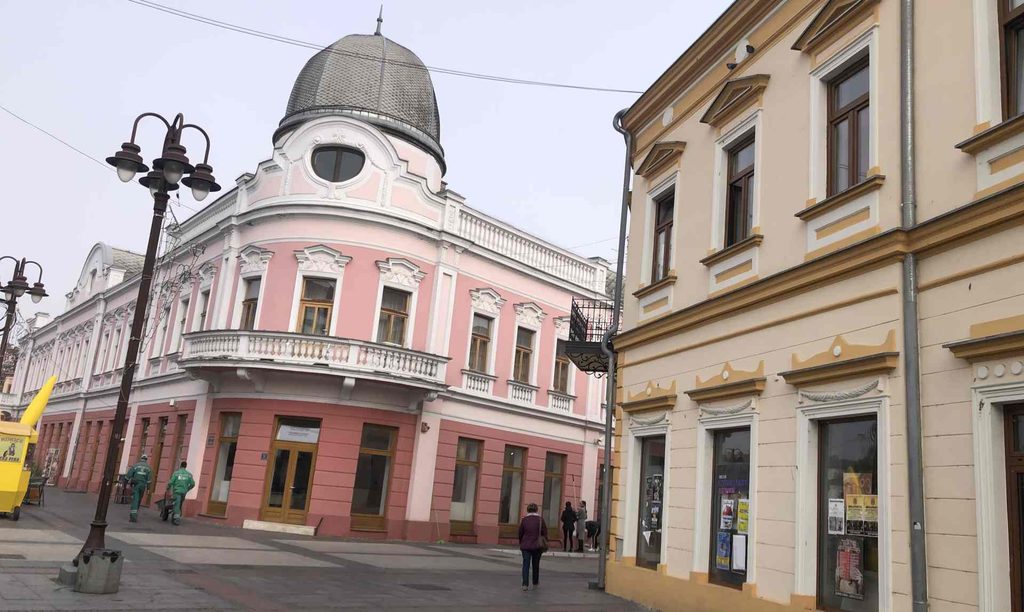
Bihać
Bihać is one of my favourite cities in Bosnia and Herzegovina. The city is located on the Una River in the northwestern part of the country, and the river is what gives Bihać much of its character. The Una is exceptionally clear and beautiful, with waterfalls, rapids and green riverbanks around the city and wider region.
One of the best times to experience Bihać is during the summer, especially when the traditional Una Regatta takes place. During this period, the river becomes the centre of activity and the whole city feels more connected to the water. Unlike some of the other cities on this list, I think Bihać is worth visiting for the city itself as well as the nature around it. There are historic buildings, bridges, river islands and plenty of opportunities to walk along the Una.
My verdict: Definitely worth visiting. If you love rivers and nature but still want to stay in a city, Bihać is one of my top choices in Bosnia.