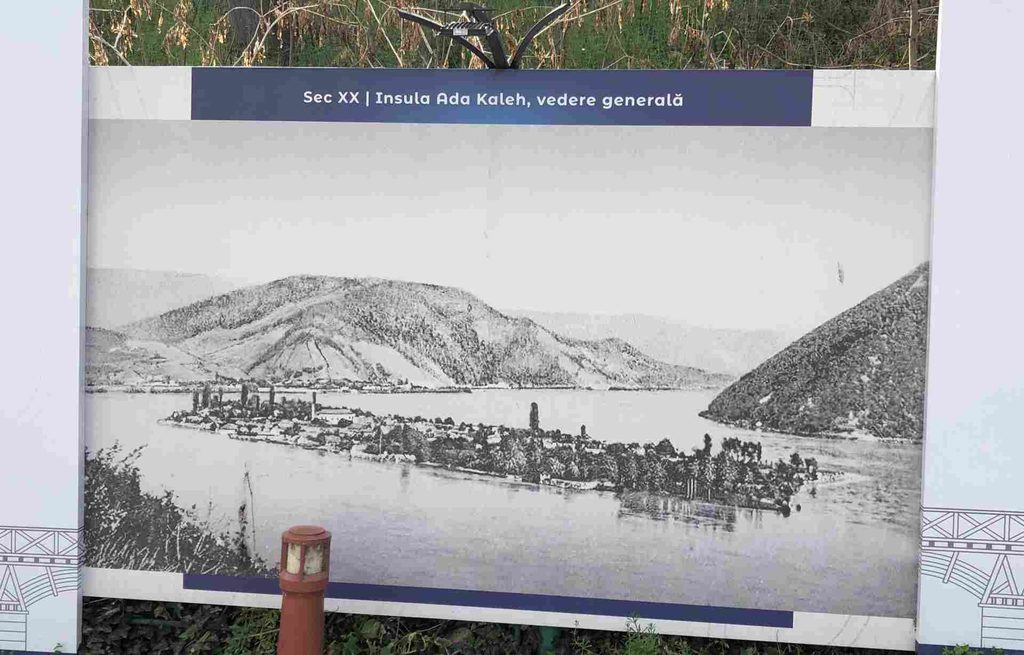
The Danube River is probably the most important river in Europe. It flows from the Alps to the Black Sea, connecting many different countries, cities, but also myths and legends, hiding them deep in the water. This place is still there, it sounds like a legend, but it is a real story about an island that no longer exists. This is the story of Ada Kaleh, or the Lost Sweet Island in the middle of the Danube River. This is also the story of Oršova, Golubac, Dubova, Đerdap, Kladovo, Severin and all the people who lived there. Ada is actually the Turkish word for island, and Kaleh means fortress.
Place names like Tekija, Fetislam, Turcenija, Mehedinca prove that it was an important place for the Ottoman Empire, where many Turks probably lived, who controlled the Danube River because they knew how important this part of Europe was. This place is also interesting because the people are bilingual to this day, speaking Serbian and Romanian, and there is even a village called Checz in the area.
The story of the island ends in the 1960s and begins with Hercules (a Greek legend). I have spoken to many people on the Serbian or Romanian side of the Danube and the common thing for all of them is a kind of nostalgia for the old times, most of them don’t even remember the island, but their parents or grandparents do. It is interesting that they tell stories, even if they are not from here, about how they stopped in Ireland to buy sweets, candies, tobacco, but the island was much more than that. The island was a popular tourist attraction, an exotic and unique place.
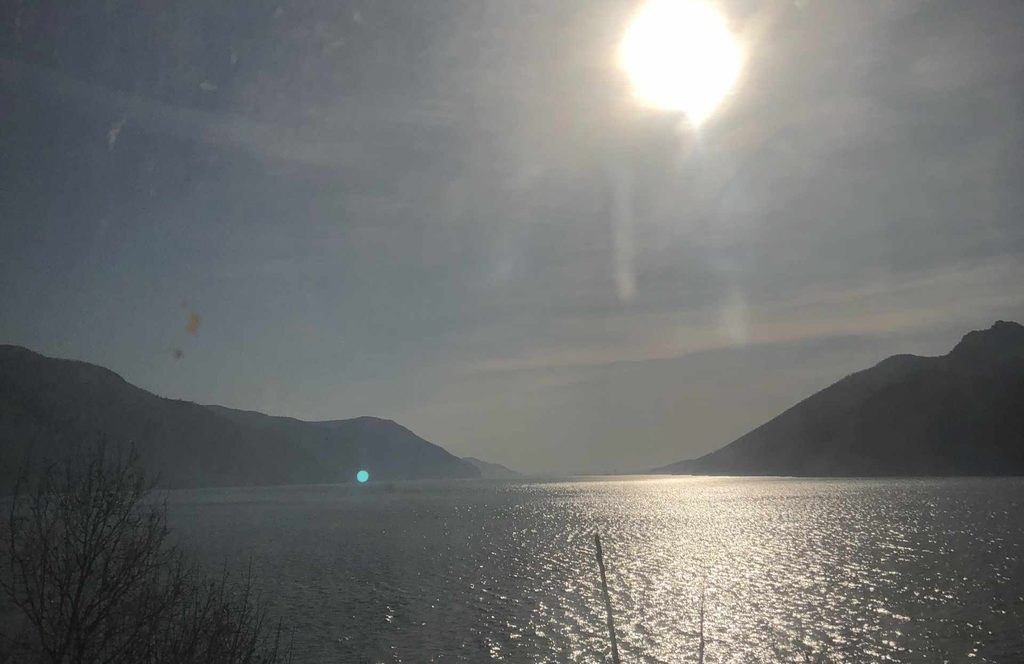
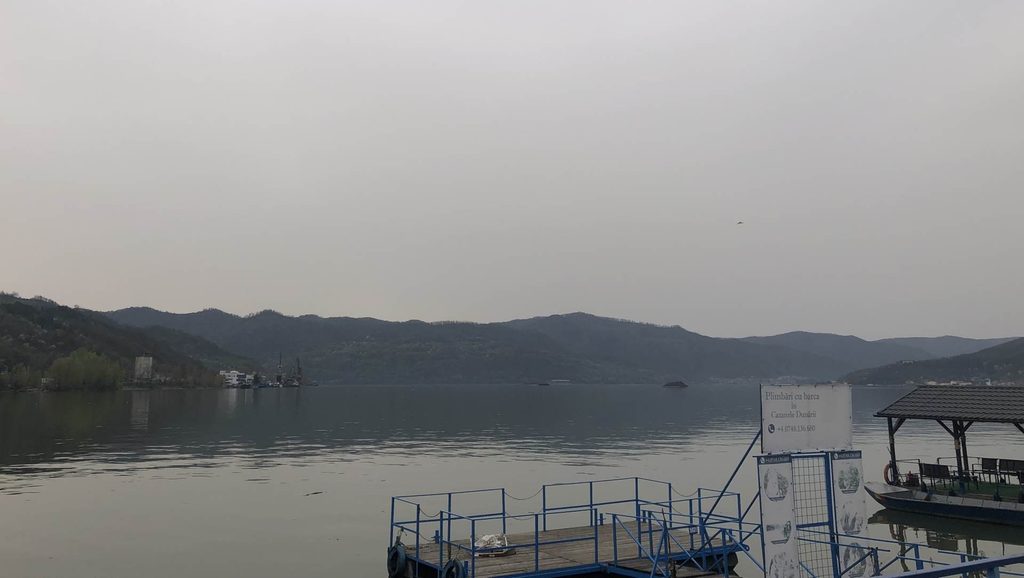
Over the years, this place has always been on my mind whenever I crossed the Danube or approached it. I first saw this place when I was traveling by train from Budapest to Bucharest. I woke up early in the morning and saw a huge lake in Orsava, and the train was going very slowly and very low, as if it wanted to give me the opportunity to film or photograph it. This place is for me personally one of the most interesting places in Europe. It is the point where East meets West and North meets South. As a lover of history, geography, mystery, legends and nature, this is all of that.
I was hitchhiking near the border once and ended up getting stopped by a guy. It wasn’t very safe to do that because there wasn’t much traffic, especially at night. The guy who stopped me was from Kladovo (a Serbian town on the Danube) and told me he owed two Turkish-Arabic Qurans in Arebica. The people who live here had a strong connection with the Turks living in island and the Romanians living in mainland Romania. When they left, some of their belongings were still there on the riverbanks. There’s even a Romanian song (written by Řstefan Tita) from 1961 about the forbidden love between the Turkish girl Aisha and the Romanian Dragomir.
“For centuries, the Silver Danube pulled through, talking, about the beautiful Aisha from the island of Ada Kaleh”
According to an ancient Greek legend, Hercul rested here, collecting holy olives to bring to Zeus’ temple. This place was pretty interesting because it had different microclamate, more mediterrian climate, so olives probably could grown here, but also other medditerian spieces, which make this place more interesting. The dream of all empires was to cross this river and control this important point. It took plenty of years for Roman empire to cross the Danube River, and evenutally, between 103 and 105 AD, Emperor Trajan crossed river excaclty here. Trajan is imporant historical figure in Romania, many streets and schools are named after him.
During the time of Emperor Trajan, he shaped the mountains and built a road and bridge right here. Bridge was the largest bridge in the world at the time, and next milenium millennium, it remained the longest bridge in the world. Interestingly, today, the same spot is a checkpoint and bridge between Romania (Schengen border, European Union border) and Serbia. Over the centuries, many warriors and nations passed through this area, including the Mongols on their way to the West when they crossed the frozen river, as well as Greeks, Thracians, Visigoths, Huns, Slavs, Hungarians, Turks, and Romanians.
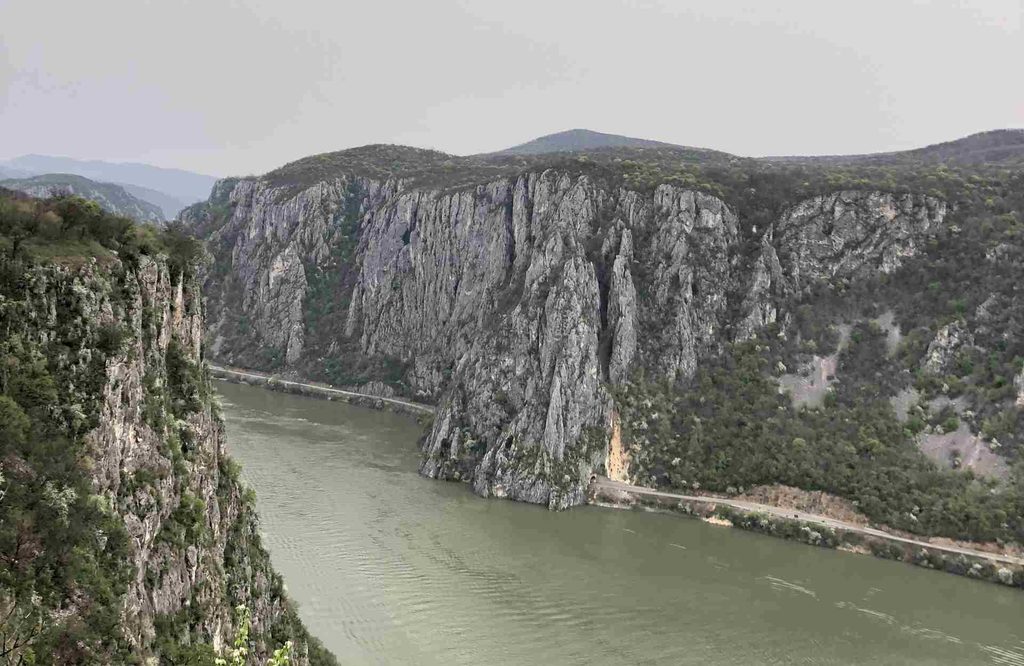
Historically, the first buildings here were constructed by the Romans, and by the 13th century, the Hungarians controlled this part of the river. After them came the Serbians, Austrians, and Ottomans, After First War it was in hands of Romania. During Ottoman rule, Ada Kaleh was as a key control point for Central European shipping, bypassing the Adriatic Sea.
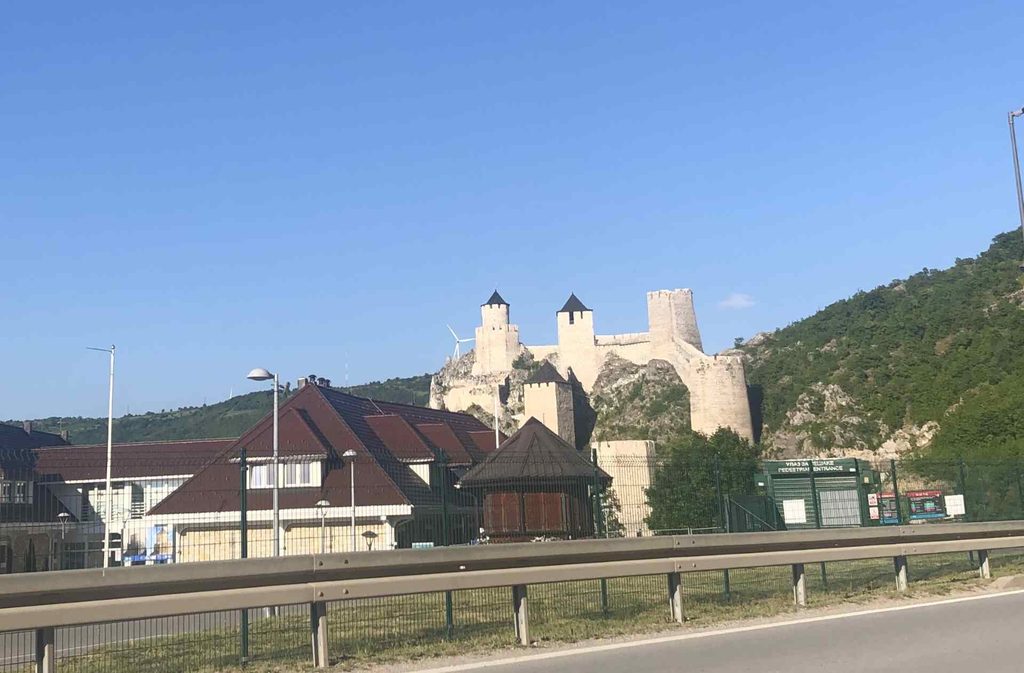
During this time, people from different cultures and religions coexisted here, sharing many legends. One story is about a prince, “Baba from Buhari,” who dreamed of going to Ireland by the holy river. When he finally saw Ireland, it reminded him of his dream, and he stayed there until for the rest of the live. Legends say he had the power to heal and could turn water into wine. He lived to 95, and his grave became a sacred site for both Muslims and Christians. According to the tale, the prince still lives there, not as a rich ruler, but as a poor beggar. It had oriental vibe and it was pretty exotic. The Turkish people lived here in the hundreds, sometimes thousands, trading across both sides of the Danube. In the last century, the area became a tax-free zone and turned into a popular tourist destination.
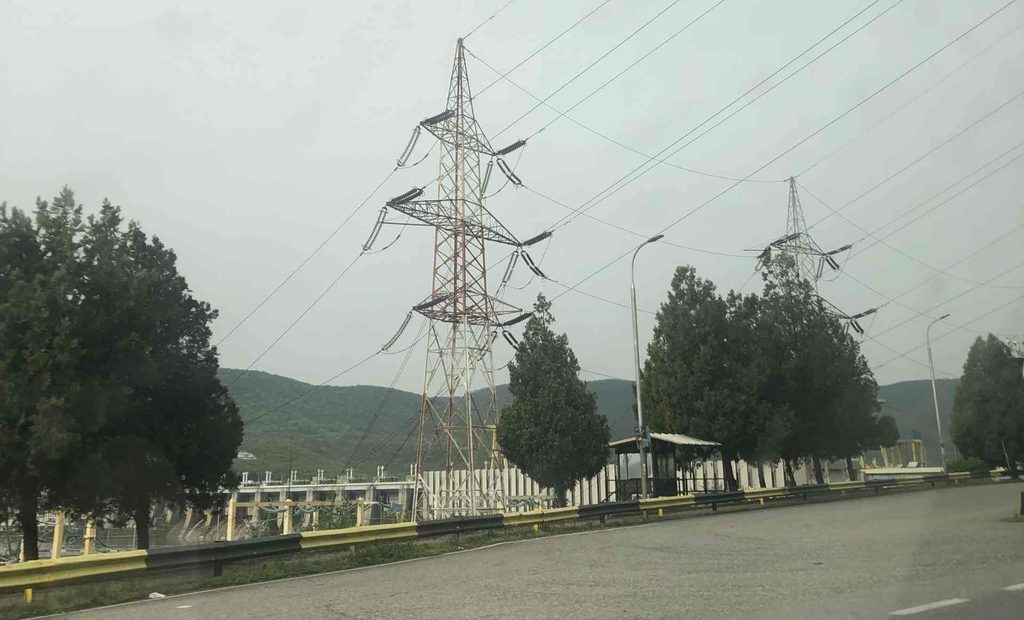
Everything ended in 1963 when Romania and Yugoslavia decided to build a hydro power plant here. The Iron Gate is Europe’s longest gorge, and its unique geology made it an ideal location. The island was submerged, and the people who lived there were given the choice to move to another island a few kilometers north. But they knew it would never be the same. Many relocated to cities in Romania and Turkey, and before that they moved graves to the new island.
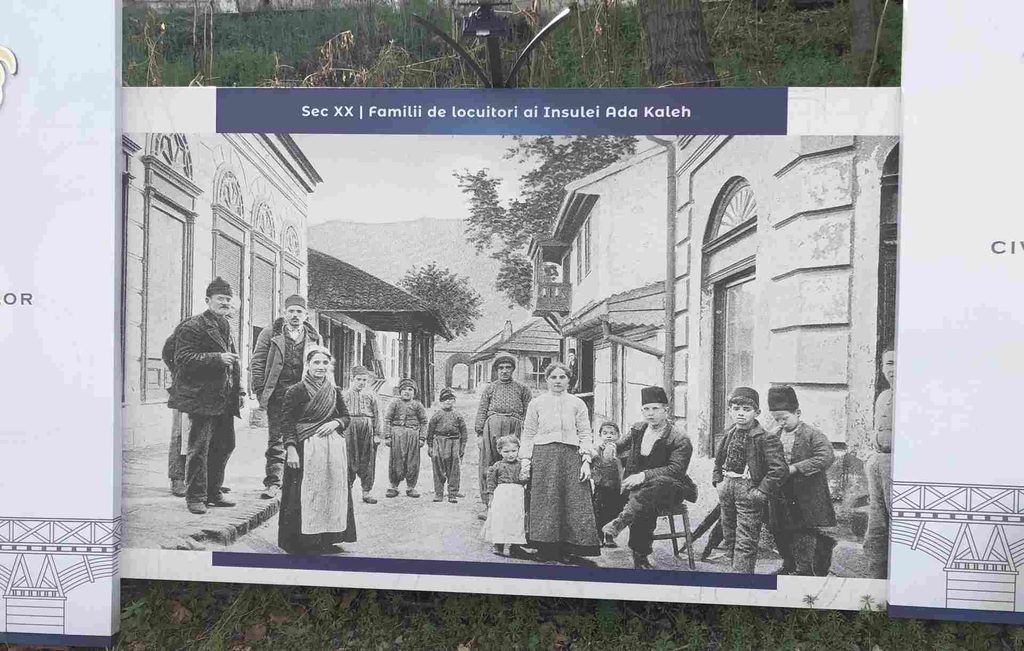
This was a big deal for everyone living in the area. Memories of sweets, figs, cherries, tobacco, halva and Turkish coffee now lie underwater, living only in the memories of those who once called this place home.
Josip Broz Tito and Ceausescu jointly opened the power plant in 1972 with a performance with boats. They also opened a memorial for the eternal friendship between the countries. Both communist leaders crossed the Romanian part of the Danube by car over a long bridge. Near Severin, they held a meeting in front of 10,000 people and construction workers. Lake is 170 square kilometers big.
Ada Kaleh may be gone, but its story lives on, forever captured in the hearts of those who remember it.