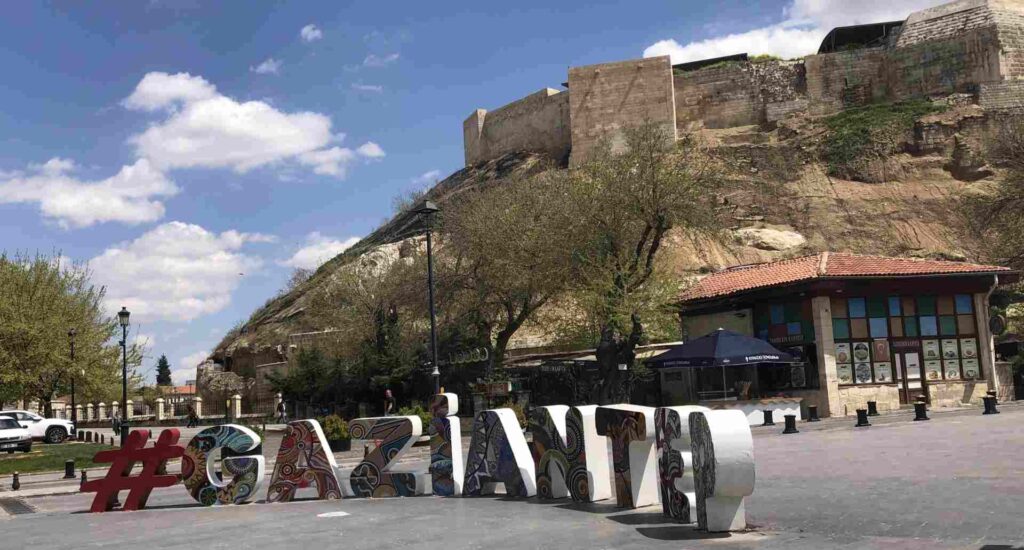
Welcome to the heroic city of Gaziantep! This is a detailed travel guide based on first-hand personal experience for a trip to Gaziantep, a UNESCO World Heritage Site and the gastronomic capital of Turkey. If you are planning to go there or are already there and looking for some interesting places to explore, this guide is for you. Gaziantep’s location is in a specific region near the Syrian border, and this has somehow defined the city due to the blending of Turkish and Arabic food and traditions. Its also origin region of her majesty, baklava.
This article focuses on things to see, what I ate, and random interesting facts that I noticed. Gaziantep Airport is very well connected to the rest of Turkey, and I went there via Istanbul. The airport is well connected by highway to the rest of the city. I went there by plane, but later I noticed that there are many buses that are much cheaper and go all the way to Ankara or Istanbul. I used one of them to go to other cities on South.
All that history, museums, parks, history, cafes, definitely worth a visit. I will share my favorites and some other points of interest. Transportation in Gaziantep takes place entirely, trams. Tickets cost 35 lira, which was 0.5 euro. If you have a Gaziantep card, then a one-time ticket costs 30 lira. You can top up the card at many major stations, and you can also use it for other things like paying for museums.
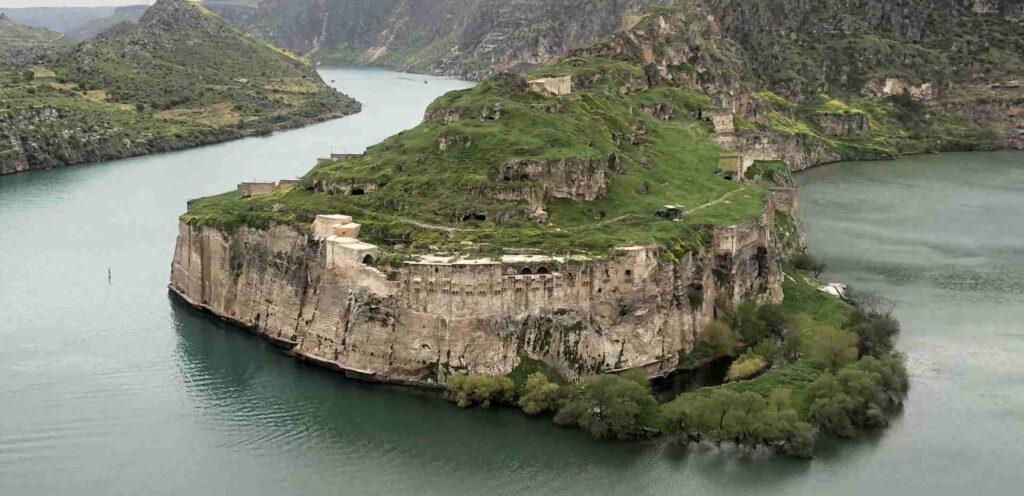
Rumkale (Roman Castle)
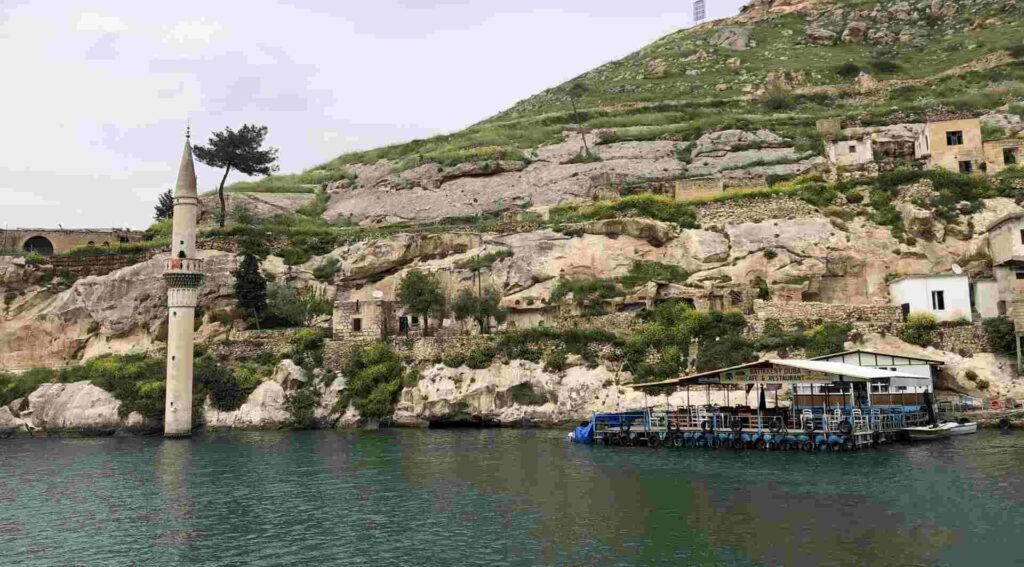
This is one of the best historical and most beautiful places I have visited. Located only 40m from the city, Rumkale and the Euphrates River provide a great perspective of the entire region. Rumkale means Romanian castle, but it is much more than that. It is a symbol of the beginning of civilization. Today this area looks like an agricultural area with lots of almonds, olives and pizachi. If it’s a sunny day, take a boat cruise on the river and you can reach submerged villages that partially survived after the construction of the dam. Turkey has built several hydropower plants in this region on the Euphrates River and raised the river level.
Zeugma Mosaic Museum
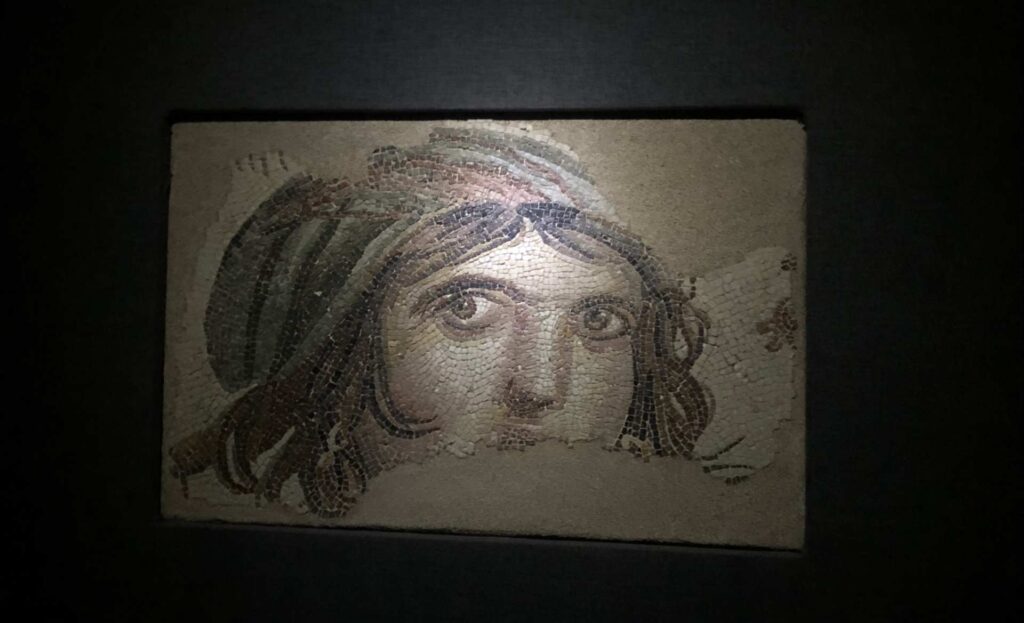
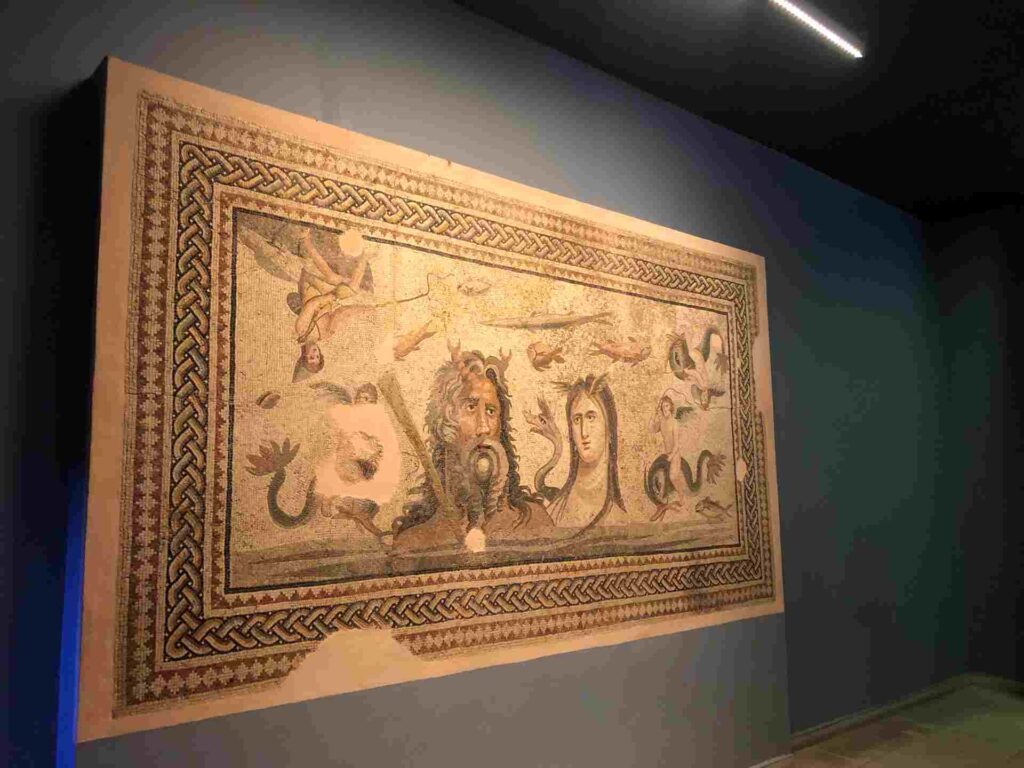
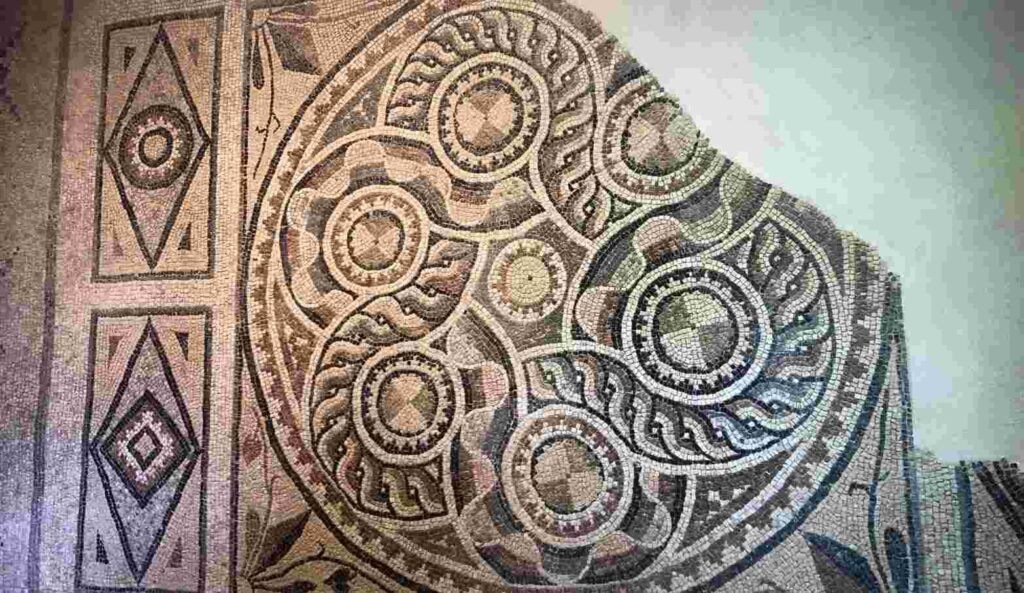
Zeugma is the name of an ancient city from the Hellenistic period. Many of the ruins of the city were preserved and saved in the last decades when hydroelectric power plants dug the ground for it. The museum is one of the most beautiful museums I have ever visited. Inside you can find the most impressive artefacts from this region, such as the tombstone of a child holding a decapitated bird in one hand and a bunch of pistachios in the other, many floor mosaics from the Greek era that were also used in Roman villas, such as the “Mosaic of Akrates and Euprokine”, from the 2nd-3rd century AD. Certainly the most interesting mosaic you can see is the “Gypsy Mosaic”, which is a symbol of the city and in a way a symbol of the entire region. It’s smaller than you think. Until now, some people believe that it is actually Alexander the Great. From any angle you look, you will feel that she is looking at you.
Botanical Garden
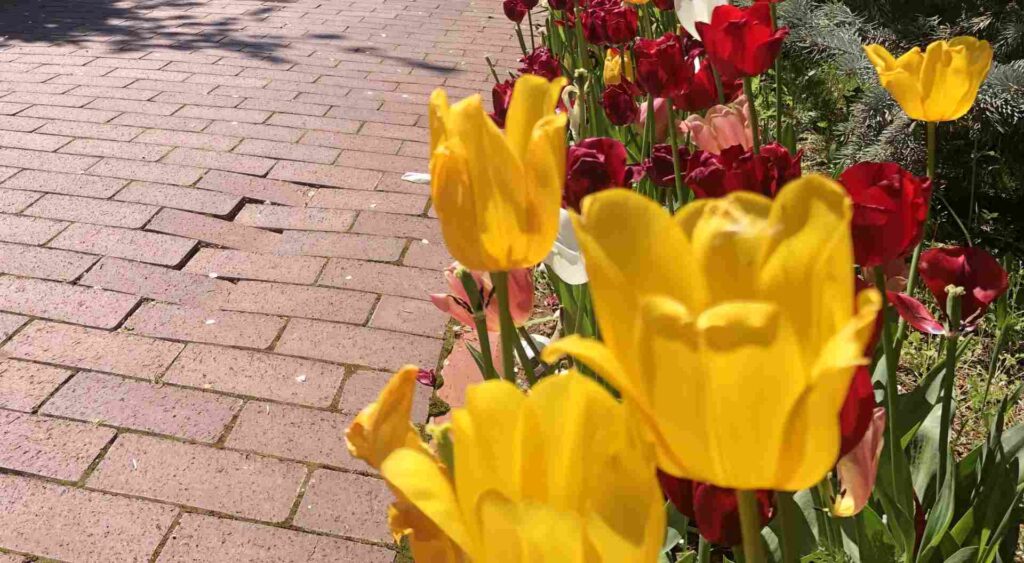
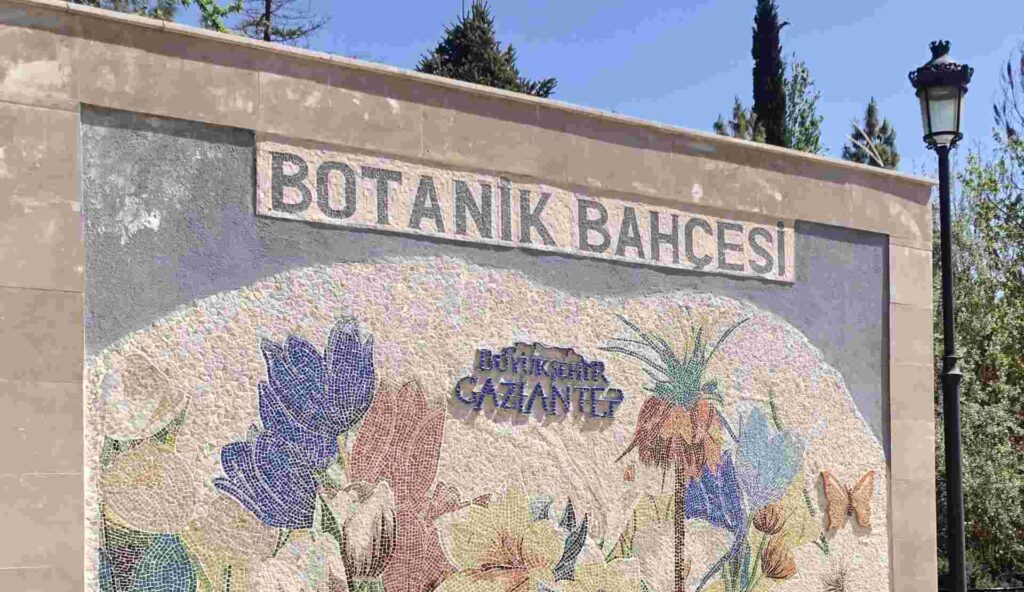
I really liked the Botanical Garden and all the tulips there. The botanical garden and park behind it is a great place to relax with a small river and picnic areas. I’ve noticed that it’s also a popular place for locals to bring blankets, food and drinks and come here to spend a sunny afternoon. There is also a restaurant and a small cafe in the same park. Inside the Botanical Garden you can find not only flowers, but also many interesting trees from the region with names. I was there in the spring when everything was blooming. The park behind the Botanic Garden is free, but if you go inside the Botanic Garden, there is a small fee you have to pay. There are also some stories about tulips inside park.
Sahinbey Millet Mosque
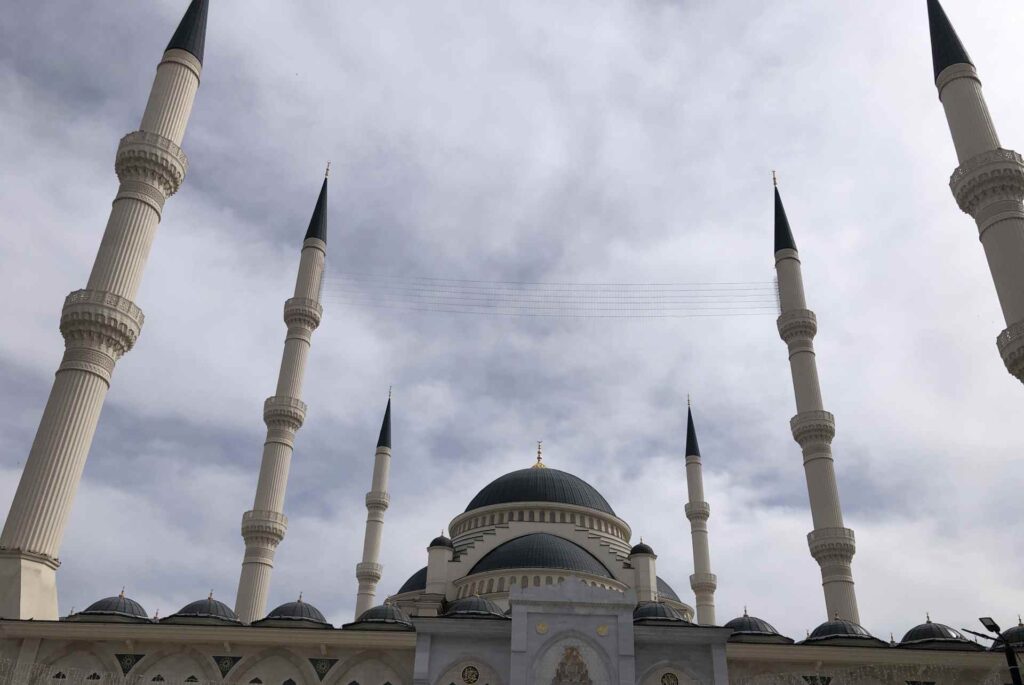
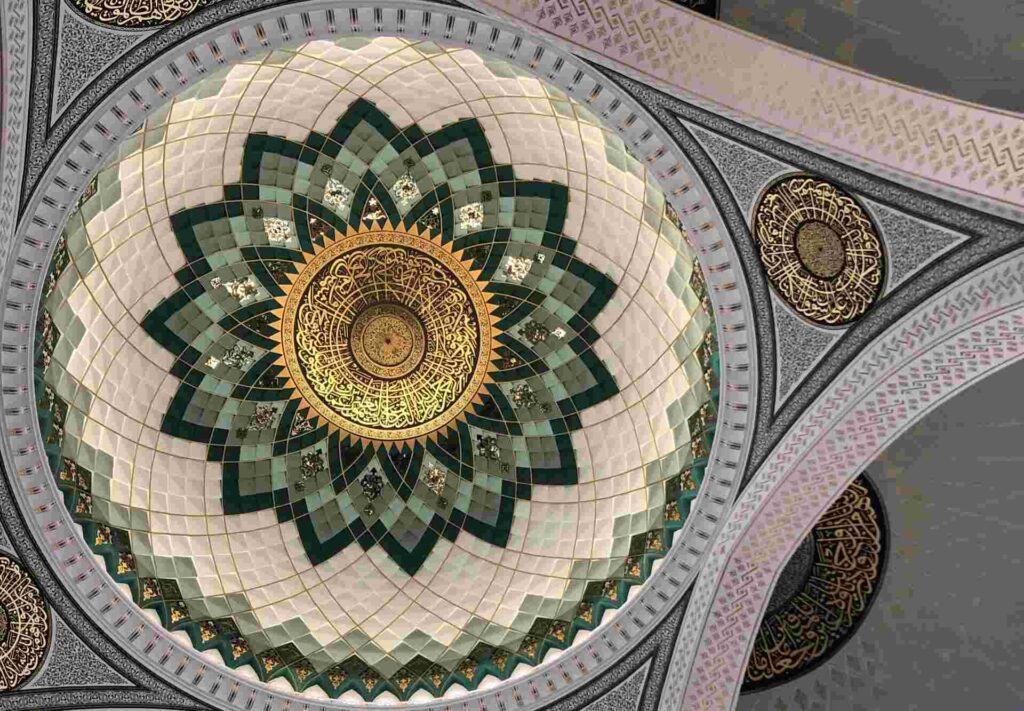
This is the second largest mosque in Turkey , with a capacity of over 30,000 visitors. Once inside, the staff will give you tourist information about the history of the mosque, its construction, the idea behind it, and answer your questions. In front of the mosque, but inside the walls, there is also a large garden, with several ice cream shops and tea houses. The Islamic History Museum is also located inside the mosque. Since the Ottoman Empire was associated with the Islamic holy sites of Mecca and Medina, you can see some collections from those locations.
Gaziantep University Campus
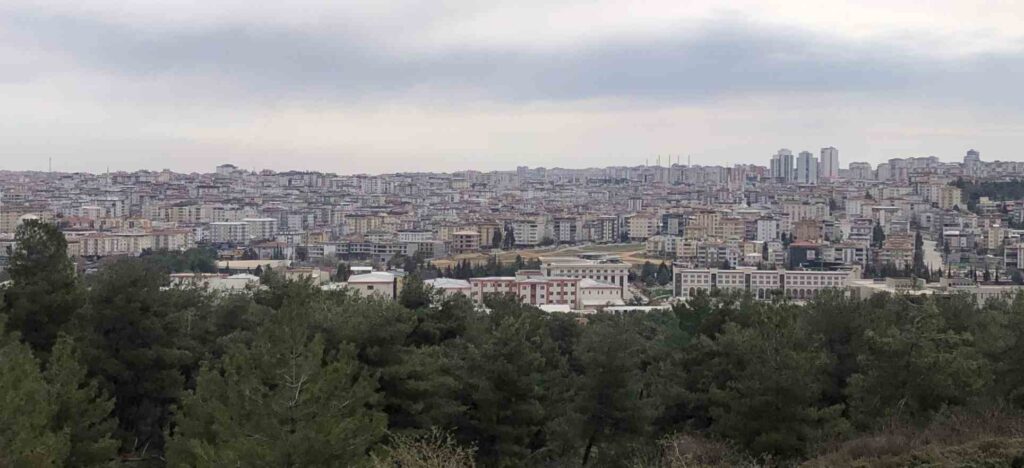
Gaziantep University campus is one of the best I have seen. There are so many green areas, walking areas, playgrounds for basketball or voleyball and many other interesting things like bookstores, teahouses, bazaars. I felt like it was a city unto itself. There are gates and police officers, so if you want to go inside, you will have to leave your ID at the gate and you will be given a visitor ID card. During the night, weekends and holidays, visitors cannot go inside. If you go up the the hill, you can see the city panorama and notice that the city is located on small hills.
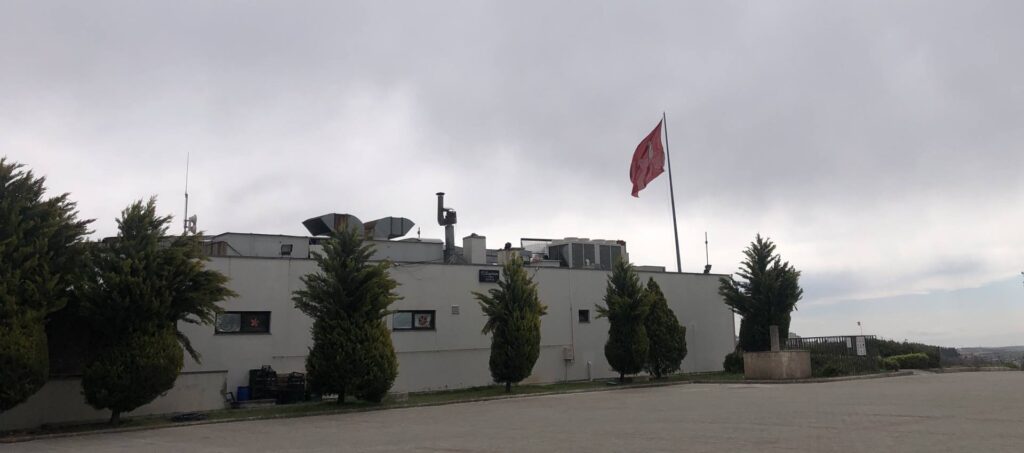
Panorama Museum
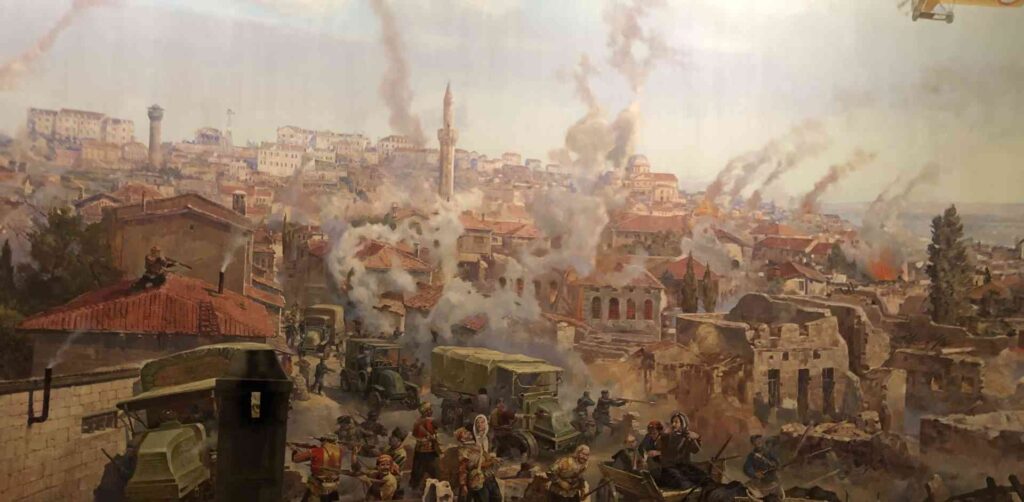
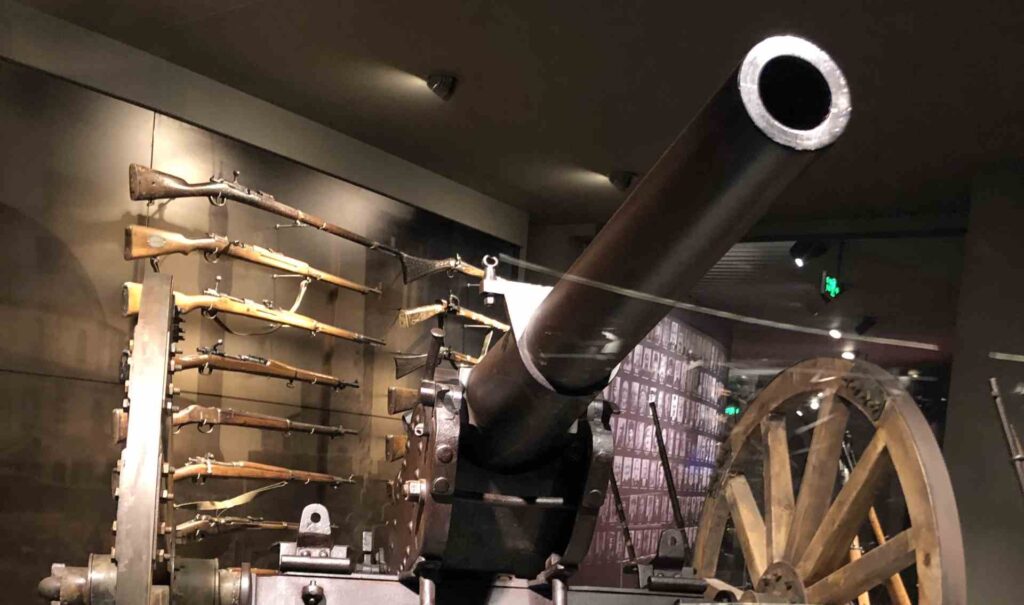
To delve deeper into the history of the city, I recommend visiting the Panorama Museum. The entrance fee is around 100 lira. Inside, you can find the entire history of Gaziantep, starting from the Neolithic, Roman period, Hellenistic period and modern times. Most of the museum is related to the city of Gaziantep (which was called Antep at the time), which is why Gaziantep got its name. There is a section of the museum with audio-visual effects that are also a bit intense. You can also find many old French, British, Ottoman uniforms, military weapons and much more. The museum is located very close to the old city and is absolutely worth a visit.
Caves in Gaziantep
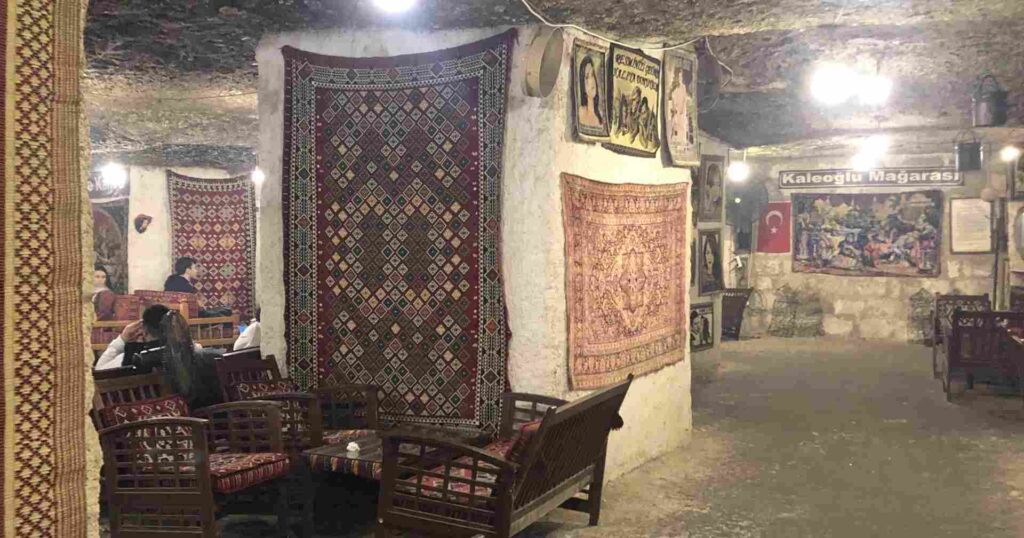
One of the most fascinating things to see in Gaziantep are its numerous caves. They seem to have played a very important role in history, as they are preserved and are located in nearby locations in the city. Some of them have become cafes, and some are museums, such as the Olive Museum.
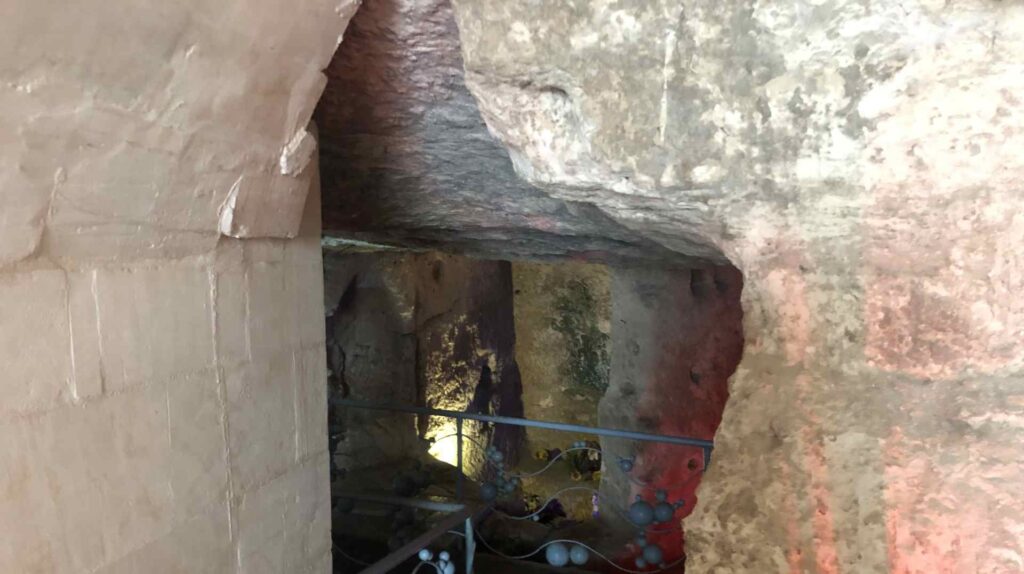
Ataturk and Millet Hanı
Originally called Aziziye Hanı, it’s a structure from the Ottoman era, named after the sultans of the time. According to legend, when Atatürk was visiting Antep, someone approached him saying, “Pasha, you’ve been registered in Antep’s records, at least you should have a property here,” and proposed this place.
The building is a two-story structure with a single, independent courtyard. While it was used as a prison during the French occupation of the city, a considerable portion of the second floor was damaged by French cannon fire. The inn is currently owned by Mustafa Geylani and houses cultural and artistic facilities. There was an inscription in Turkish and Armenian, but due to wear and tear over time, both inscriptions are illegible.
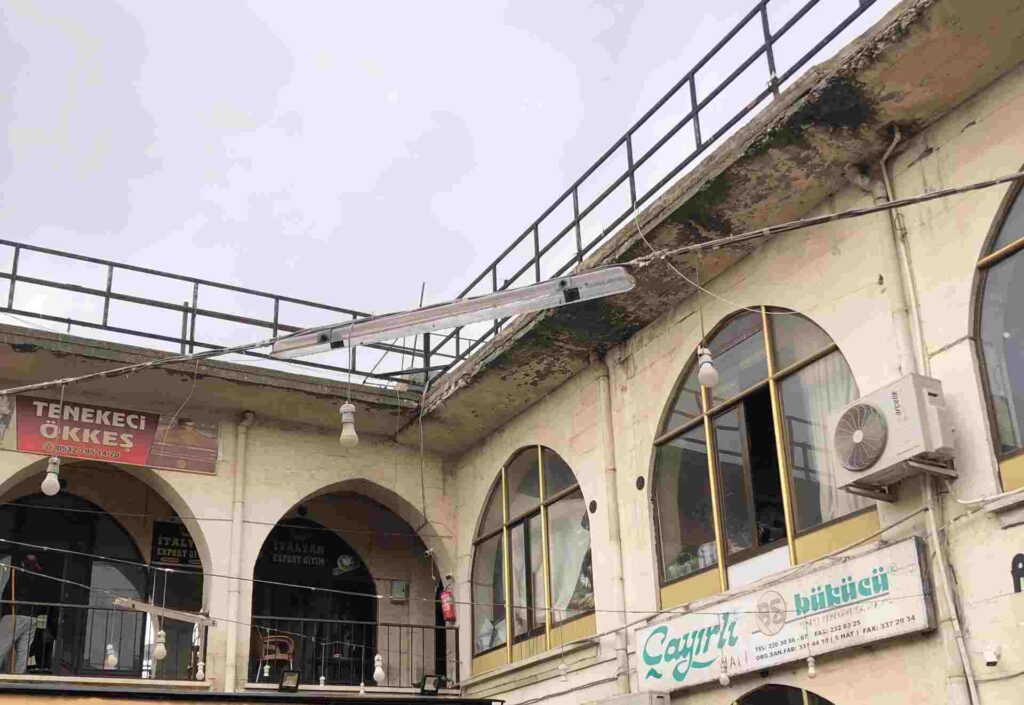
Old Town, Carsi and Castle
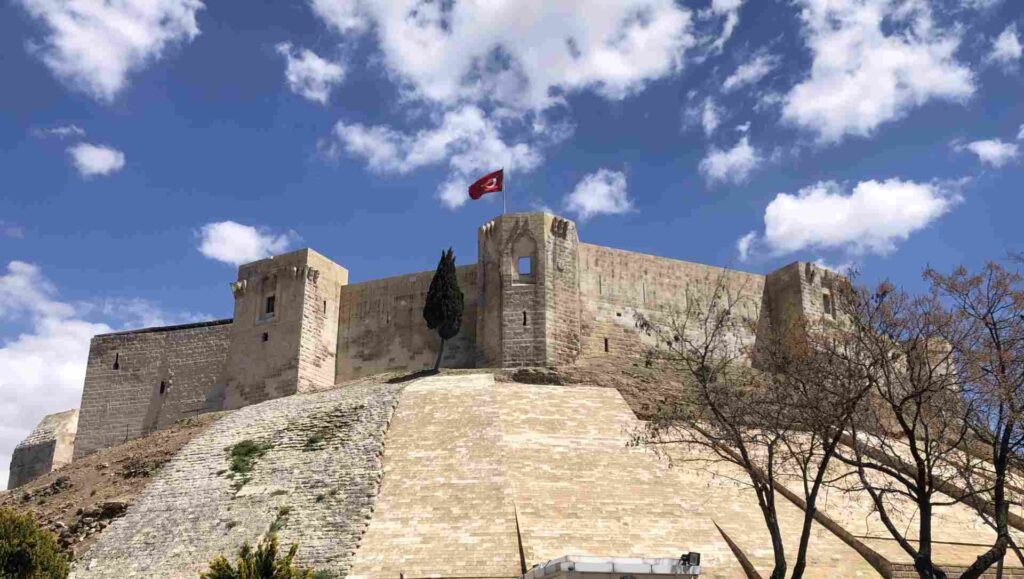
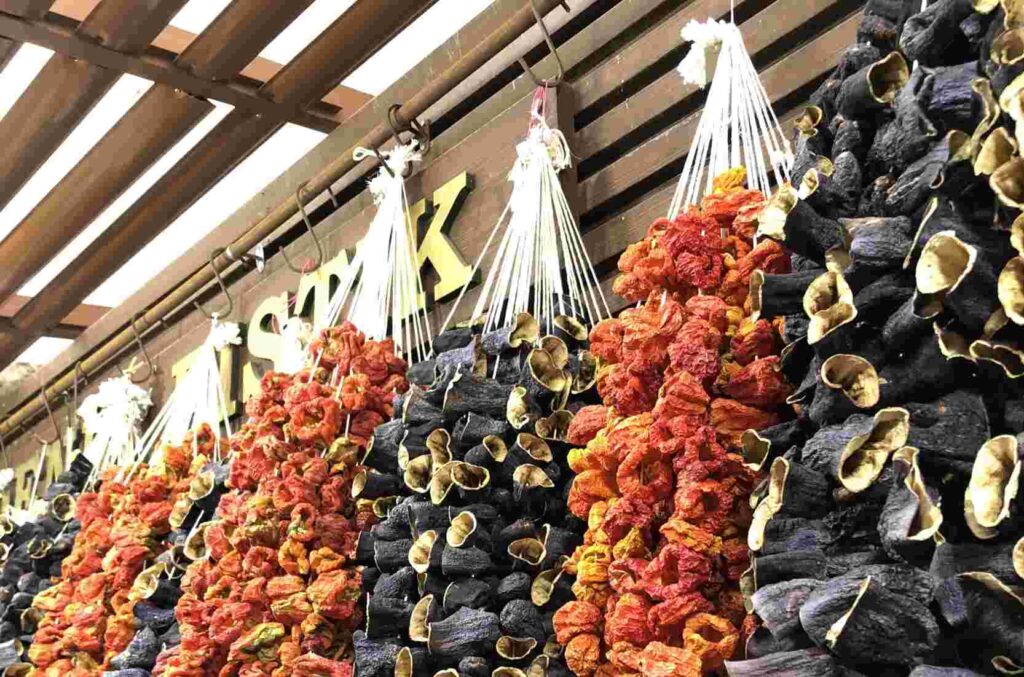
Gaziantep has been a trading center since ancient times. Evli Celebi also writes about Gaziantep and its shops. Inside you can find very different types and quality of things. You can eat traditional food like balkava, of course. Real eggplant with piscatio. One part of the car is also closed. A kilogram costs about 20 euros, and you can find fresh or old ones and it’s little cheaper. Castle is under reconstruction after Earthquae that hit this part of Turkey few years ago.
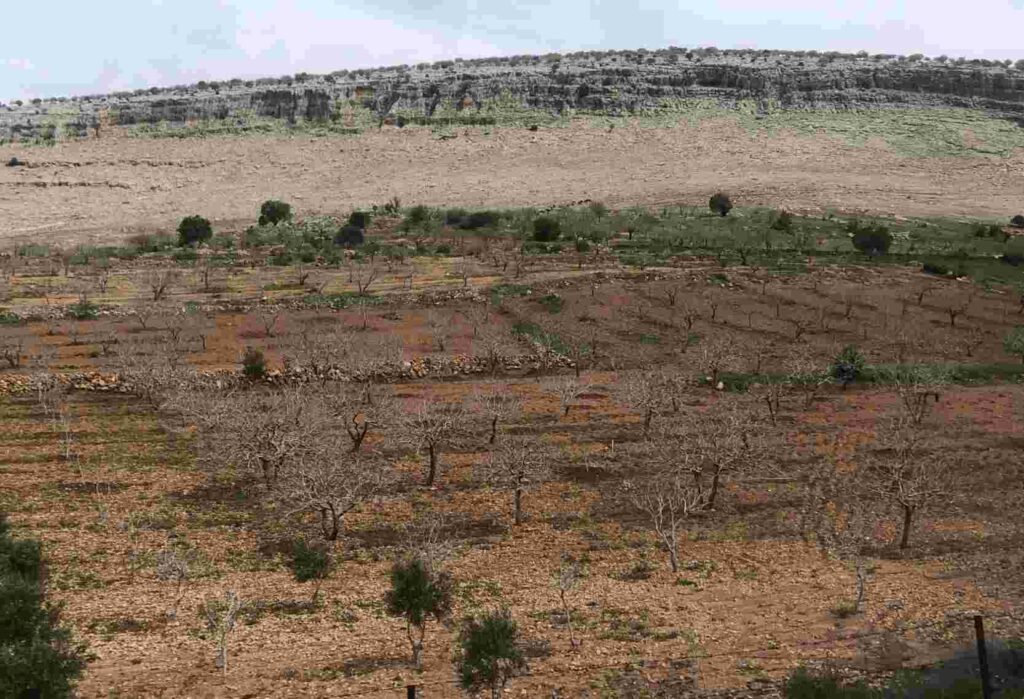
Pistachio fields
Since its symbol of whole city and region, if you have a chance i would like and observe field of pistachios or “fistik” as they said. I really liked to observe this kind of the fields from road, or just to walk around it. Since pistachio is very picky in sense of enviroment he likes to grow, finding them around Gaziantep hills is very interesting spot on earth where you can observe “perfect” climate for them. They defined somehow the whole region, and because of them, Gaziantep Fistik Balkava is probably best baklava on Earth.
Museum of Toys
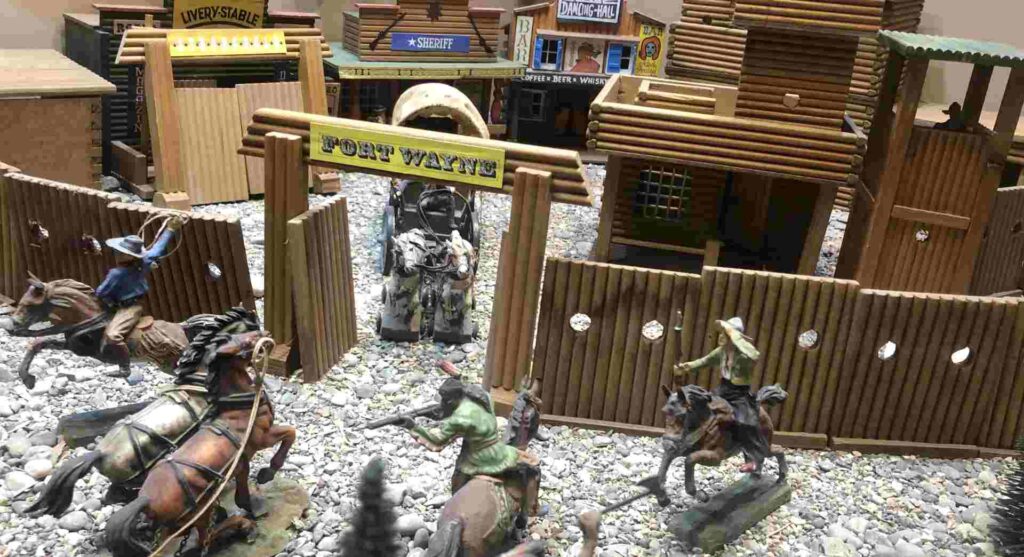
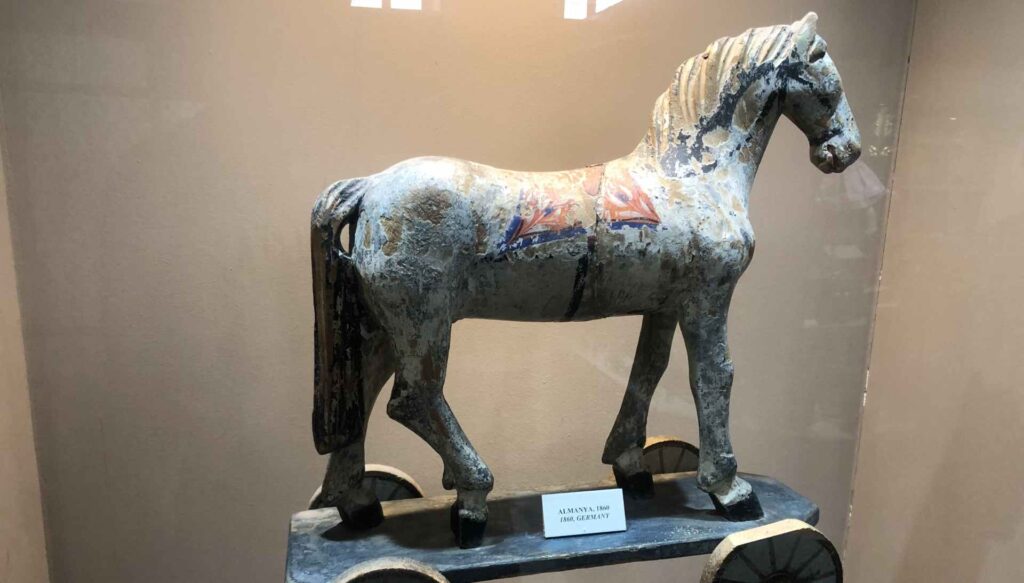
It doesn’t matter what your country of origin is, I can guarantee that you will find something from your childhood here, at least some variation of the toys. Some of the toys are even older than 160 years, and next to each toy is the country of origin and the year of production. It was impressive to see games like “Pond”, “Sewing Machine”, “Military Playground Toys”, Cowboy Towns and Horses and many other toys like trains, airplanes, zeppelins and so on. It is impressive to see that they are still preserved and still look of such high quality. Most of the toys are from USA, Germany, and Japan. There is also cave inside of Museum, on ground -1 where you can see symbols of many world conutries and flags on it.
Zoo
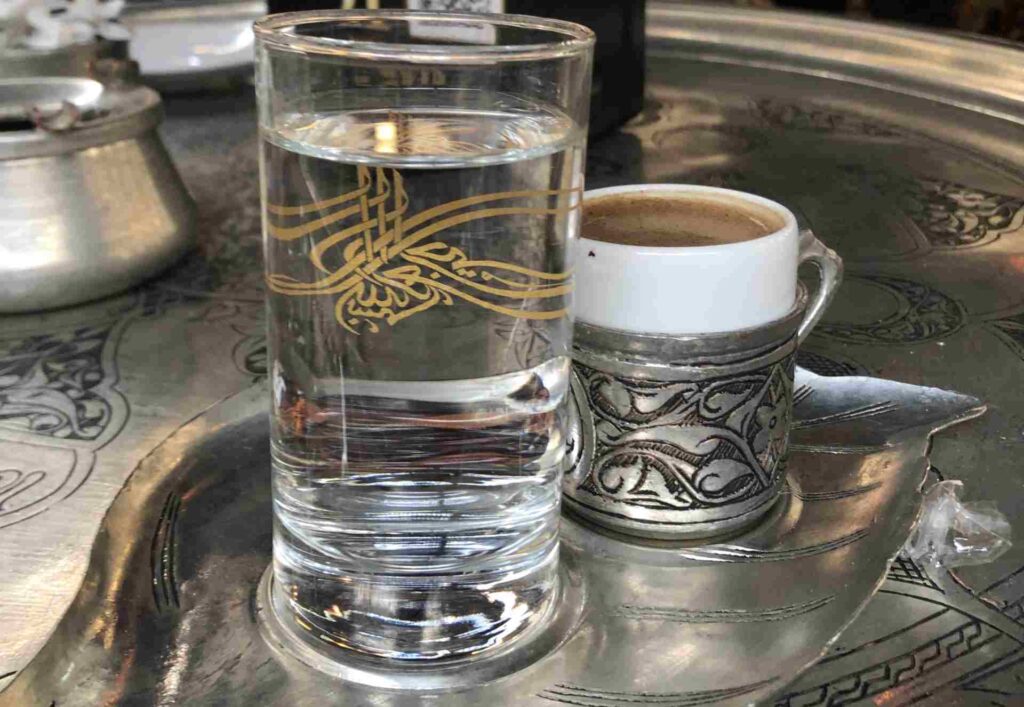
Gaziantep Zoo is pretty big and very diverse. If you want to spend easy day, you can go there and spend the whole day like I did. Inside Zoo, its possible to take a coffee, tea or water. There are deparmets with birds, amphibians, big animals and so on. Also, there is big sculture of mamuth which I really liked.
Architeture
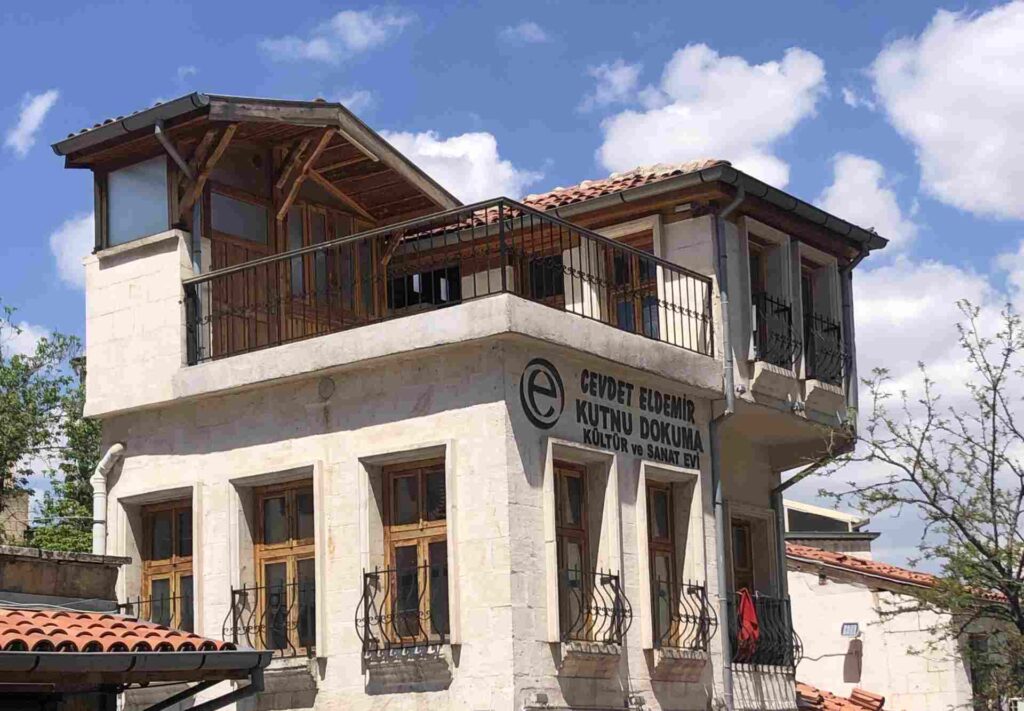
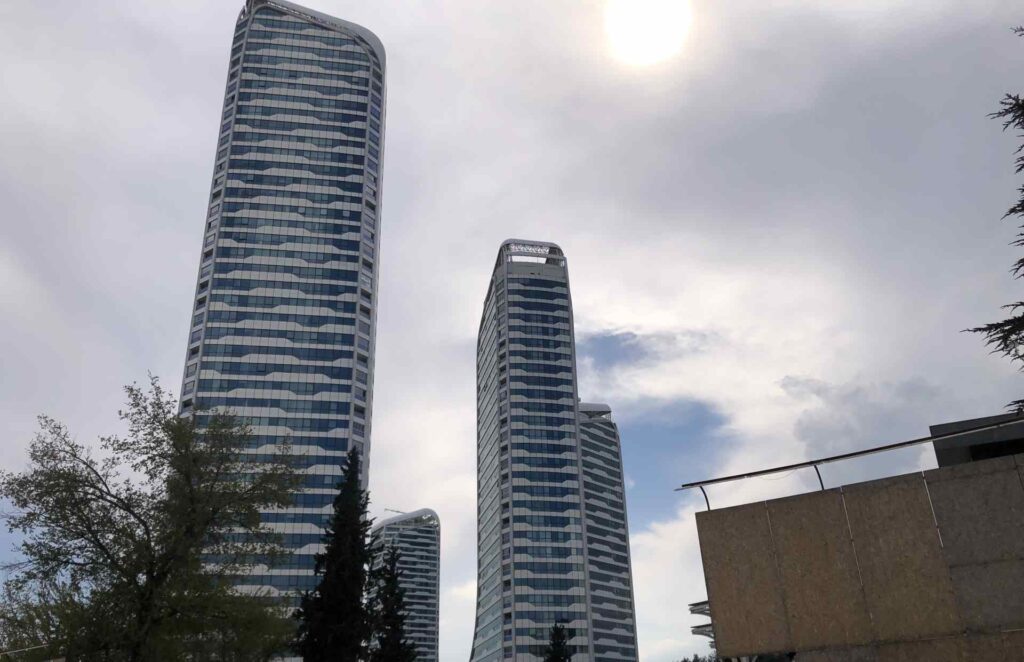
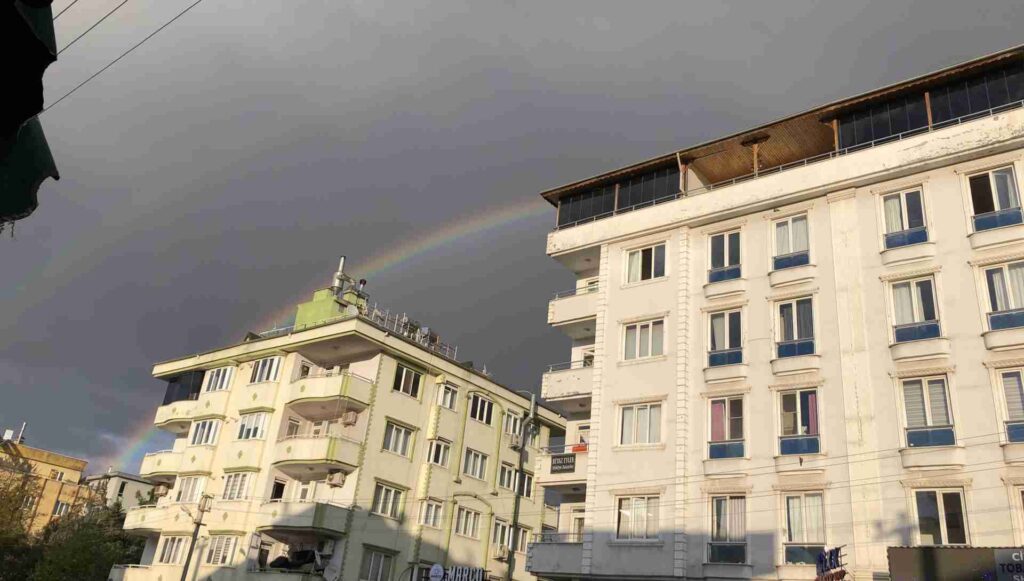
Archiceture of Gaziantep is very diverse, with many traditional old buildings and fancy new one, and you can find many of them together. After euertqaqe few years ago, many buildings have been renewed and some of them are also renewed.
Food and drinks
You probably heard about pistachio balkava as most popular brend from gaziantep. I tried so many of them and they have been almost part of my daily life and I even forgot to take any picture of it.
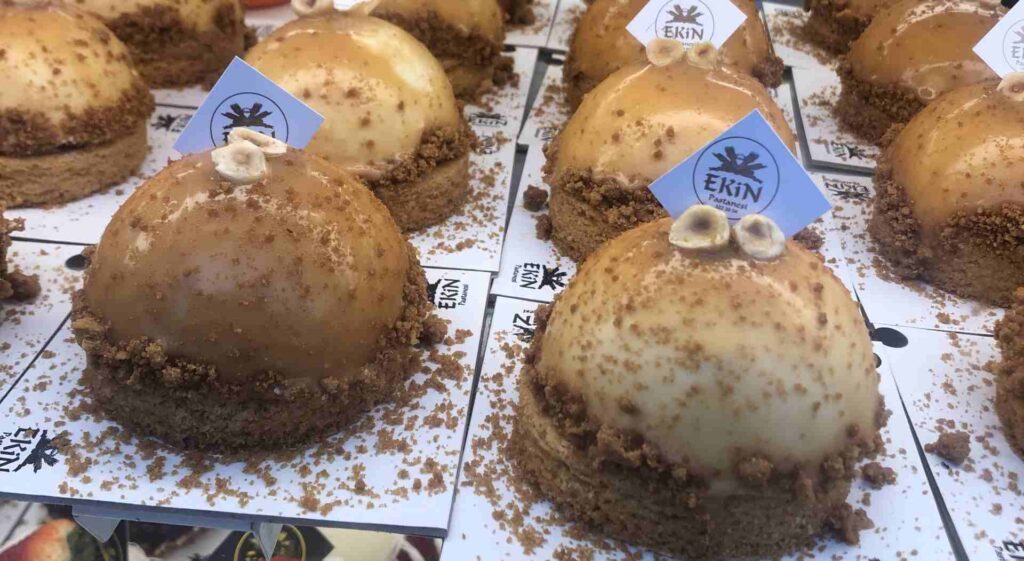
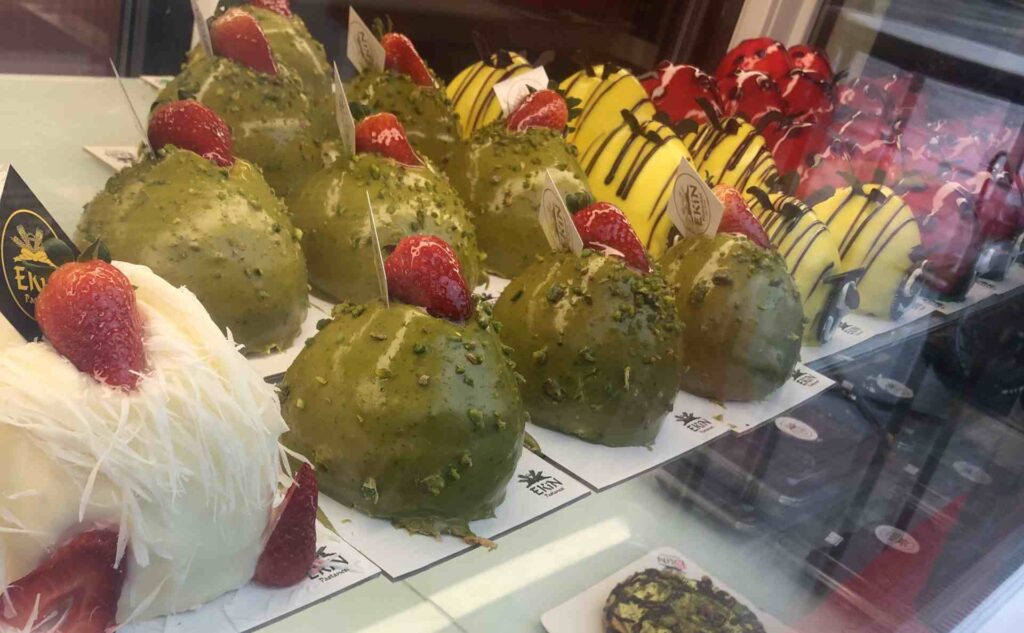
Just interesting for me
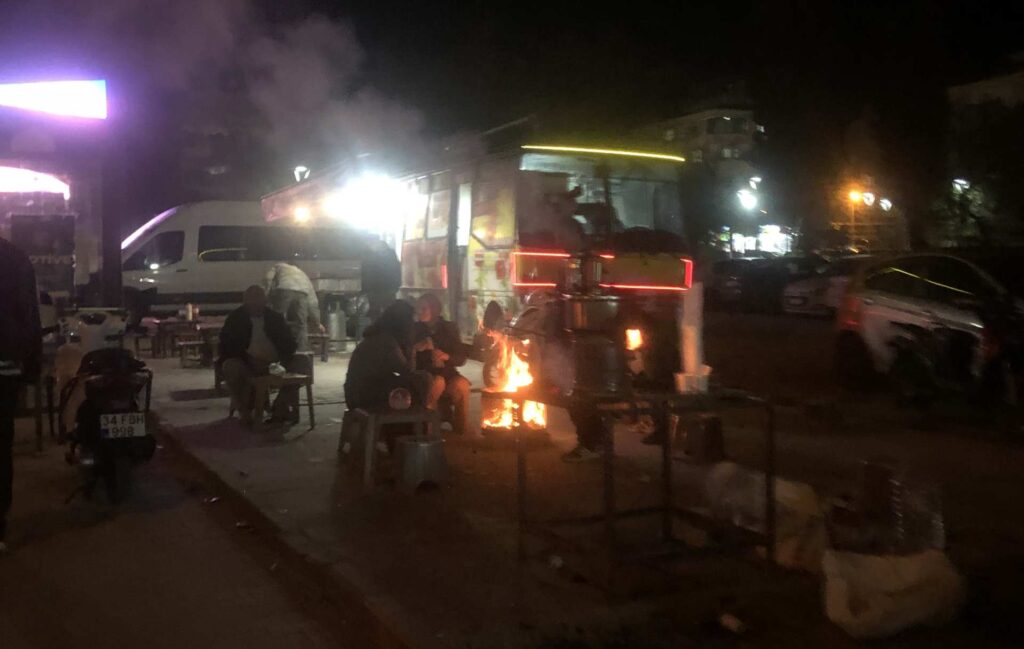
I really liked some tradition of Gaziantep like gathering together at night with friends on the streets or cafes. I noticed people in this region like to play boardnig games, and i many of them there are some of them. Thanks for reading!