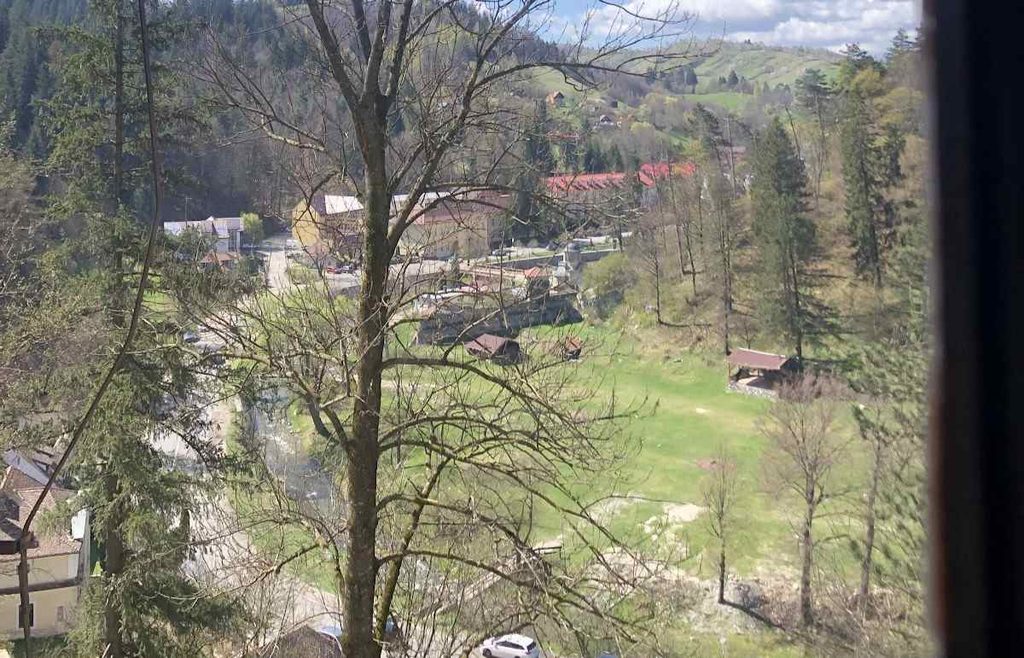
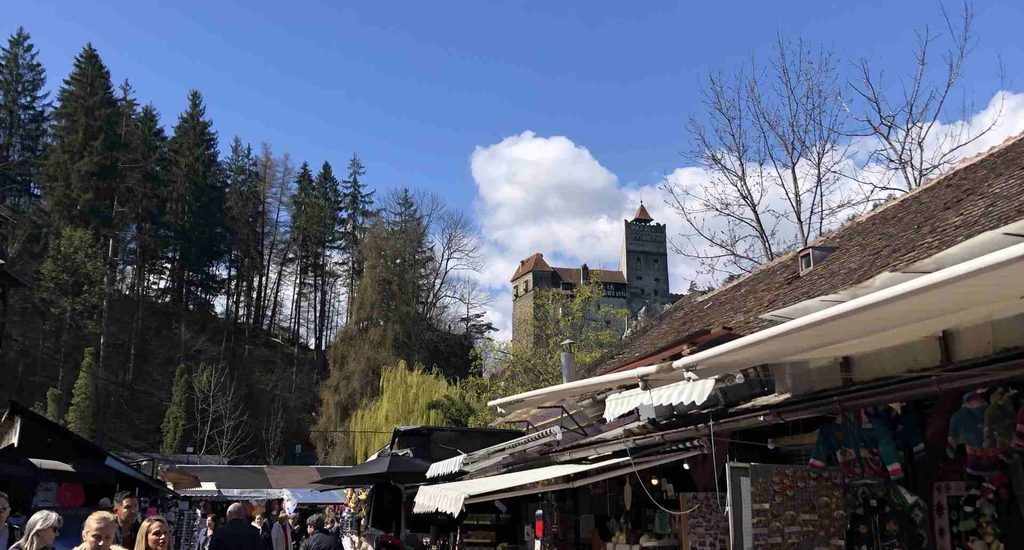
Are you afraid of vampires or Dracula? Afraid or not, you’ve probably heard of Count Dracula and Dracula’s Castle, which is located in the Romanian Carpathians in Transylvania. Even going there, visitng the Carpathians, looking at all the pine forests and mountain slopes, is an experience in itself. I’ve been there several times, and each time via Bucharest. Dracula’s Castle is located near the city of Brasov, in Bran, so if you plan to go there, you’ll be going via Brasov. Notes at the end of the story. Imagine if this castle, and the castles nearby, still inspire imagination, movies, video games, books and campfire stories to this day.
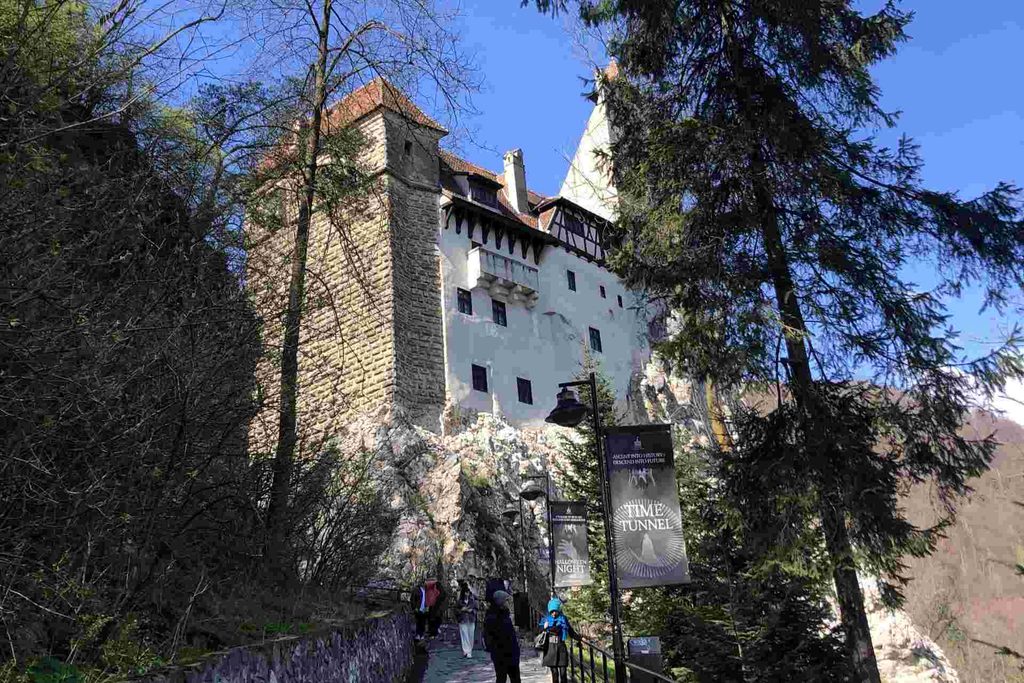
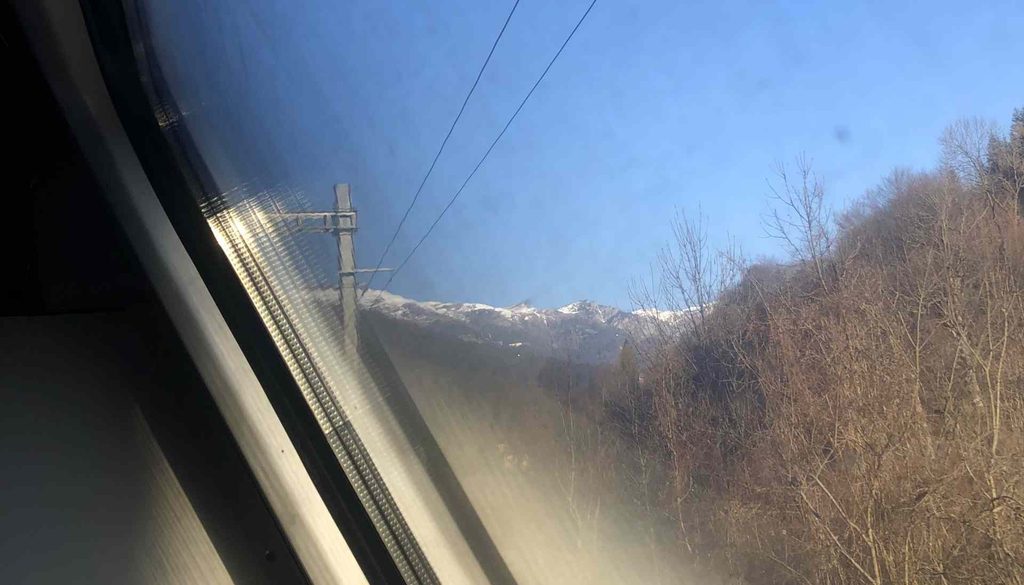
“Welcome to the Carpathians.” (Bram Stoker, Dracula, 1897). This is my story about visiting Dracula’s Castle. On a long train journey to Romania, I reread Dracula to refresh my memory of the story. As I read, I came across details I had forgotten, names of rivers, traditions, dates, and other interesting facts. “One of the wildest and least known parts of Europe.” Thanks to Stoker for making my trip so much more interesting. I read as I approached the mountains. Stoker describes everything beyond the Danube as a wild part of Europe.
As you approach Dracula’s Castle, the air becomes fresher, there is more fog, and it is much colder. The nights here are much colder than in other parts of Romania. I arrived at Dracula’s Castle directly from Brasov, the Gara de Nord train station. Bran Castle is located near Brasov, which is probably the most famous city in Romania. It was originally founded by German miners and still carries that historical influence. Brașov is a popular tourist destination with its charming old town, Gothic church in the center, World War II airplane monuments, cable car and plenty of surrounding mountains. After negotiating with the taxi drivers, we finally got a ride offer. Another option was to take multiple trains and buses, which would have taken much longer. The price was 150 lei for both.
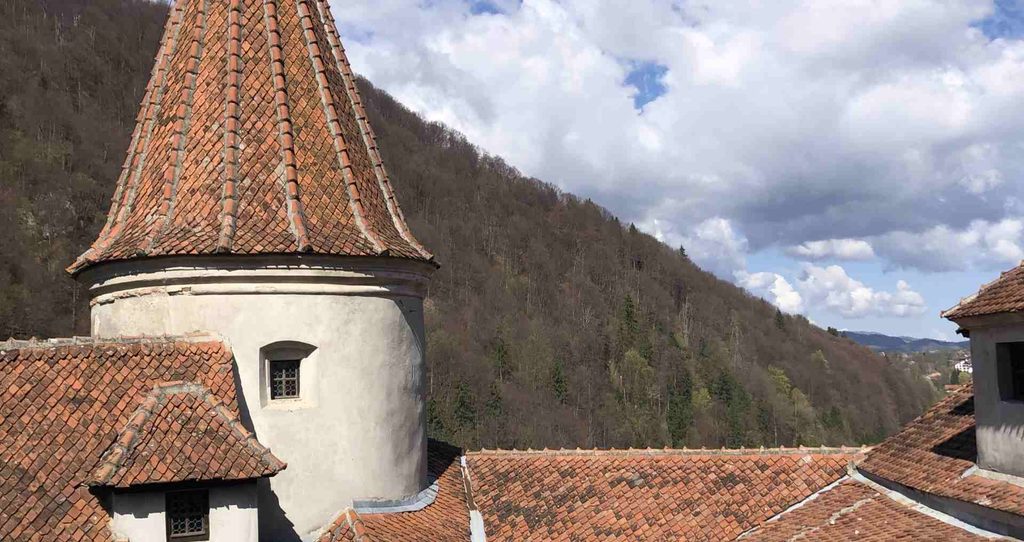
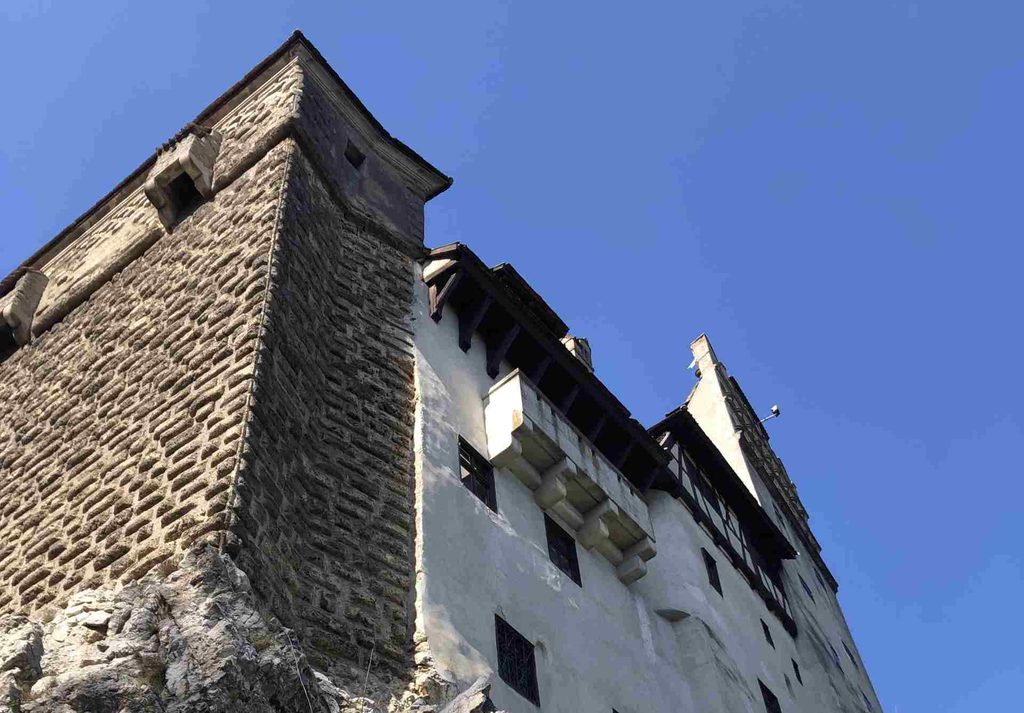
Bran / Dracula Castle is located in the middle of the mountains, right next to a small river. During the spring, that river can go wld. It was built on a rock, just as Soker describes: “The castle was built on the corner of a great rock” and “the mountains seemed closer to us on every side,” “great jagged mountain fortresses, rising peak after peak.” Interestingly, most of Dracula’s magical powers are associated with common local animals or natural things like wolves or bats, or fog.
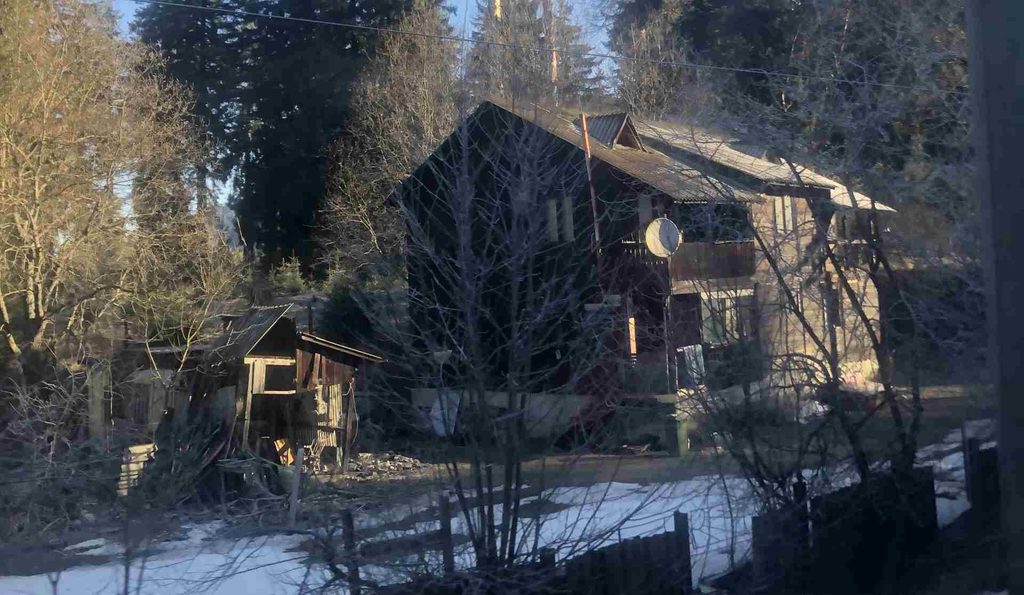
What is inside?
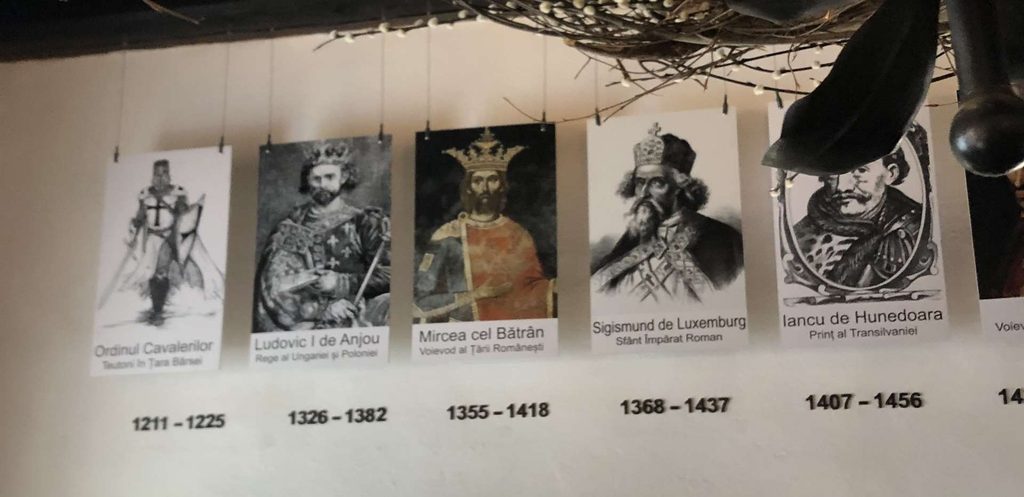
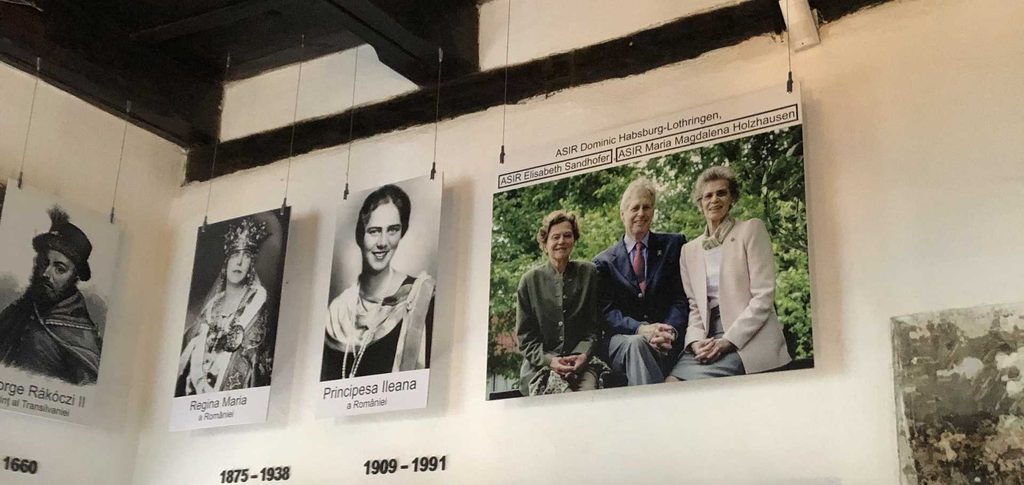
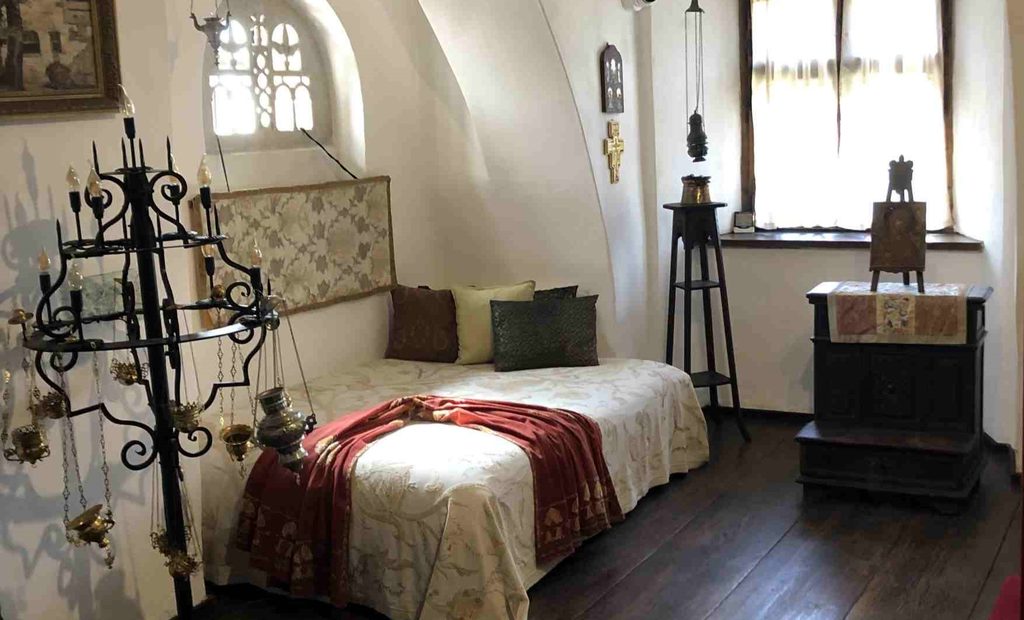
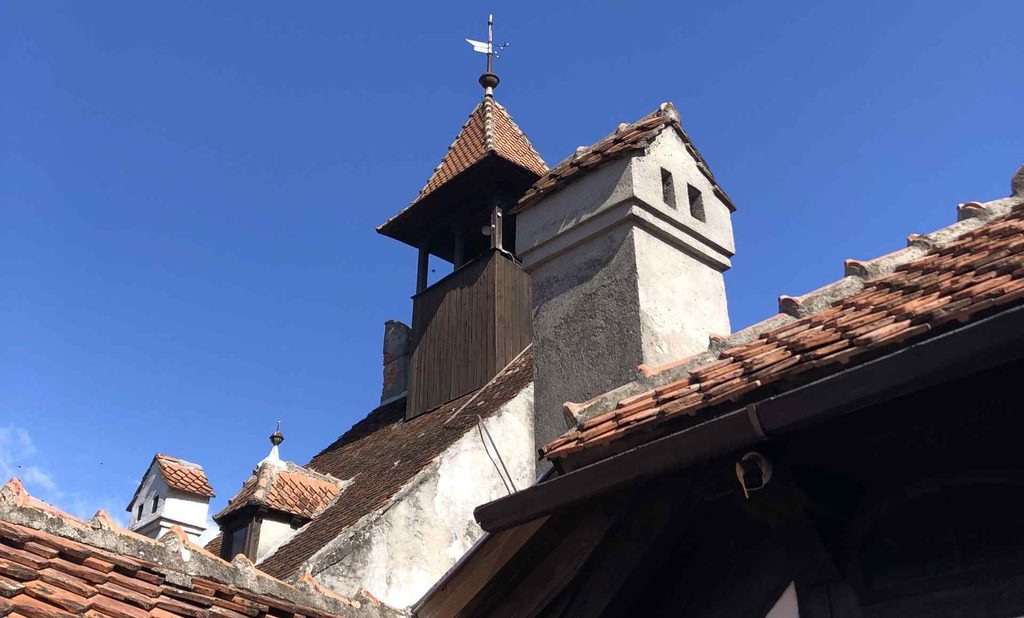
The castle contains portraits of important historical figures related to the history of Bran and Romania, which spans almost 1,000 years, from the Middle Ages to the modern era. There are also visual media about mythical creatures such as werewolves and vampires.. There are also preserved rooms and gardens outside. The roof itself is also interesting, as is everything else. Some parts of the castle are very small and two people can walk together.
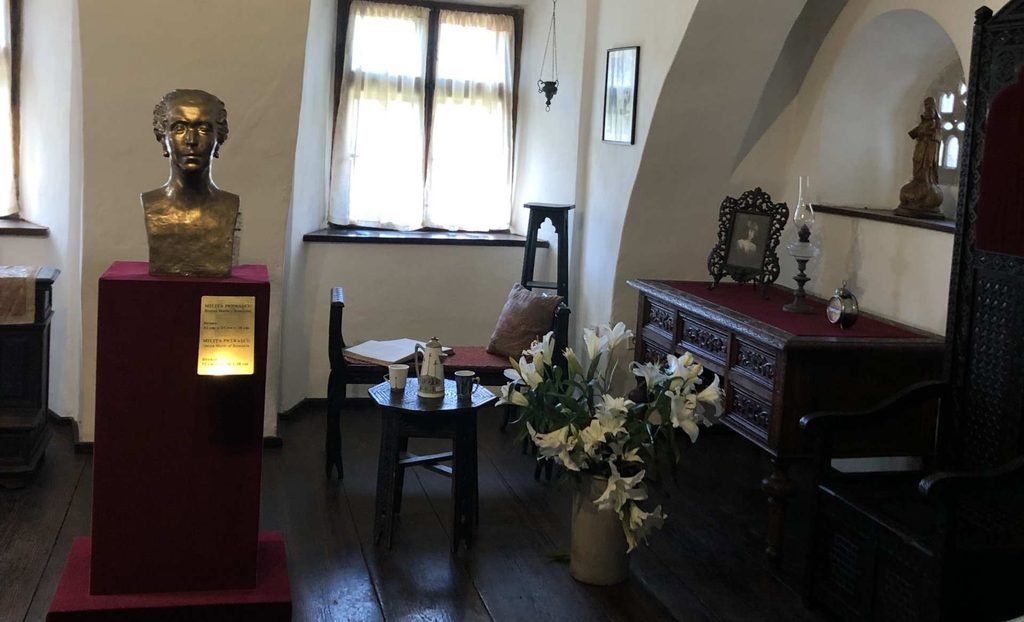
Dracula Castle Without Dracula
The plot of the story is that the castle from the book is not this one. This castle belonged to different noble families, but the rulers like n Dracula did not live in it. We know the details of the castleThe history of the 17th and 18th centuries was marked by two key moments: 1651 – the year when the city of Brașov became the true owner of the Bran fortress “forever and irrevocably” and 1691 – the year when Transylvania fell under the rule of the Habsburg Empire. The Leopoldinum diploma from 1691 confirms all the privileges previously granted to the Transylvanian princes. The old laws of the region remained intact: the Saxons and Sekelians retained their privileges, and the city of Brașov remained the owner of Bran Fortress and its possessions. However, changes were introduced at the economic level, where the Habsburg policy was applied, so in 1706 the Austrian state took control of the Bran customs offices. After 1750, the fortress lost its attributes, the Austrian customs officer restricted commercial activity, the feudal crisis of the Empire meant an increase in taxes, and the fortress garrison was replaced by the army. These measures, which weakened the military role of the fortress, led to its inevitable decline at the end of the 19th century.
Bran Castle had been under the rule of Brașov since 1498, according to a contract of burden signed by the Hungarian king Vladislav II. The city of Brașov had to fight hard to become the owner of the Bran area. The process included evidence of the construction of the castle, of the maintenance costs accumulated over time, and of the title deeds to the building. The Transylvanian prince was aware of the military role of the castle and the economic growth of Brașov, which had the necessary resources to improve it. As a result, on April 25, 1651, Brașov became the legal owner of Bran Castle and its area from Gheorghe Rackoczi II, after a century and a half of confiscation, based on an acquisition contract issued by the Transylvanian prince.
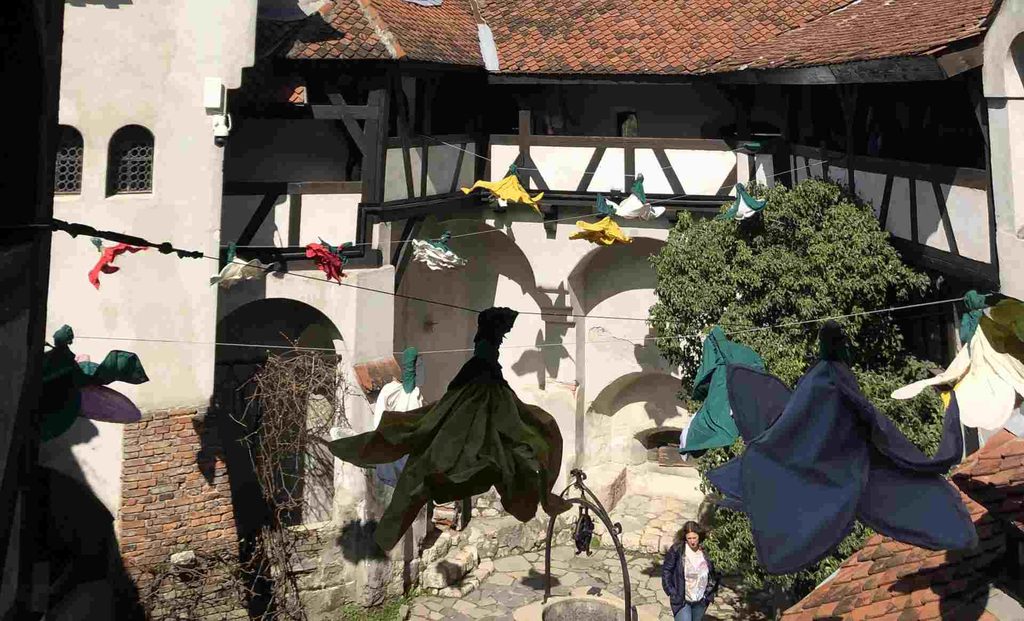
The architecture of Bran Castle
The architecture of Bran Castle has been continuously transformed over its 650 years of existence. According to historical sources, during the first phase, the fortress had only one tower on the western side, with an observation tower and a fence built directly on the rock. By 1535, two more towers had been built: the eastern tower and the observation tower. In 1622, the fortress was expanded with the southern tower, and the observation tower became higher by adding a gable. At the same time, the inner courtyard was fortified, the defensive walls were doubled, and a new entrance was created, overlapping the old one. An inscription from 1723 placed on the observation tower testifies to the renovation during which the tower was raised to its current level in 1920, and the windows were given deep openings for the battlements. These changes were followed by changes made during the Russo-Turkish War, in the 19th century, and last but not least, the transformation carried out later by Queen Maria.
There is interesting inscription above the main entrance dates back to 1622, the Chatelaine’s vow spoken when a new custodian was sworn into office. It is written in old, medieval German and it is a metaphor in verses. This inscription marks the extension of the fortress, as well, which was done in the same period:
Wenn ihm der Vogel hat gemacht (If a bird builds a nest)
Ein Nest darein sein Eyer bracht (To lay its eggs in it)
So fleucht er nicht auß fruct davon (Then, it never flies away again)
Vnd thut ein andern sitzen lan (But stays in it)
Oluff seine Eyer in dem Nest (On the eggs in its nest)
Sondern sich drauff erwürgen left (Even while strangled)
Meaning: Just like a bird sits in its nest, guarding its eggs at any cost, the chatelain shall never leave the fortress, choosing to die under its crumbling walls.
Why Romanians don’t like Bran Castle
What struck me was the contrast between how tourists view Bran Castle and how locals see it. For many visitors, it’s one of Romania’s must-see landmarks, but for Romanians, it’s often considered a “tourist trap”, something they don’t particularly recommend. There are far more interesting and authentic places to explore in Romania, they say.
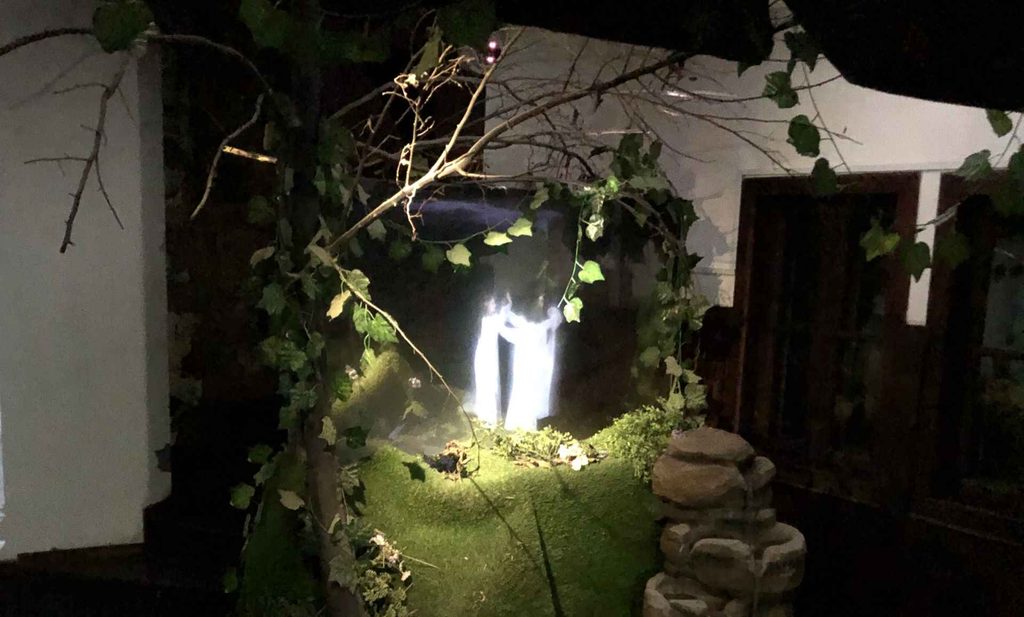
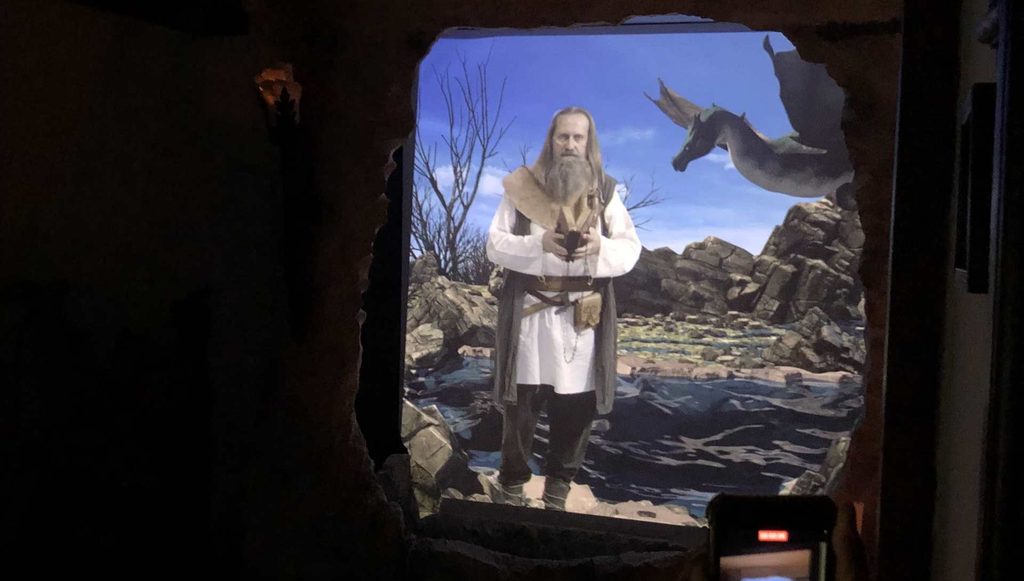
Is Count Dracula Actually Vlad Tepes ?
The whole story and legend is inspired by Vlad III Dracula (Vlad the Impaler – what a title). He got that nickname or title because of his brutal way of torturing and punishing people.
This is a common story that can be heard in Romania, that Dracula was actually Vlad Tepes. He lived at the same time as Mehmet the Second, a Turkish-Ottoman leader who wanted to conquer Romania. They also had a personal connection because they went to school together. They would eventually find themselves in a war. Vlad would become popular as a brutal leader, and stories about him would survive in folklore for centuries, that he was not even human, but something more, something like Dracula. Stoker may have used this as inspiration.
In any case, people in Brasov say that the church in Brasov is black because the Turks burned it during the invasion. History says that it burned during the Great Fire in 1689 because of the Habsburgs. That was the moment when the Turks never crossed into Transylvania. Also, Stoker never visited Romania, and Vlad Dracula never lived in this castle. But it’s still a great place to visit to learn more about the history of the country and the region.