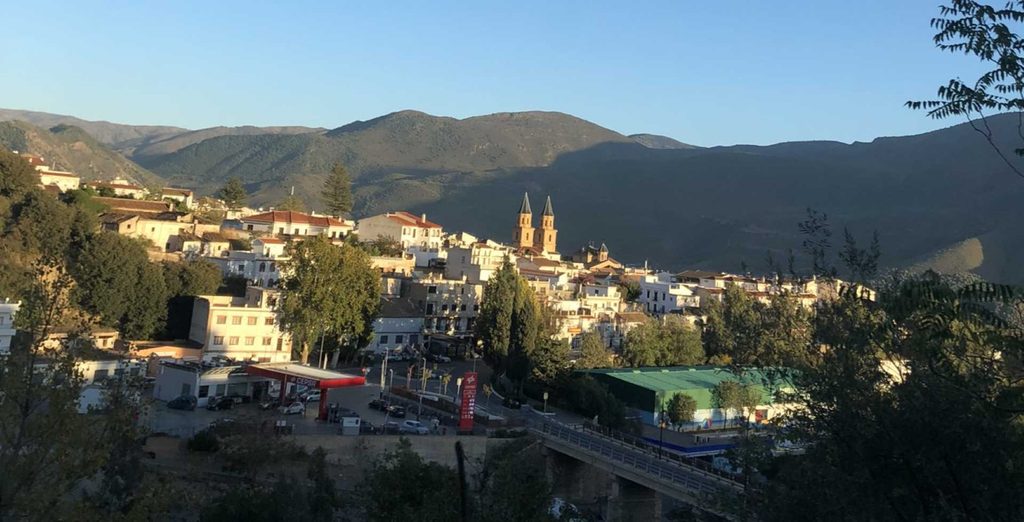
Órgiva is often considered the unofficial capital of La Alpujarra. It is located in a valley between Sierra de Lújar and Sierra Nevada. I spent some time here while exploring the area by bicycle, and I used Órgiva as my base for exploring the surrounding villages and mountains. This is my guide if you are visiting Órgiva or just crossing the town. I decided to make this post in the form of an FAQ, based on the things I wanted to ask someone before I went there. I hope it will be useful for you.
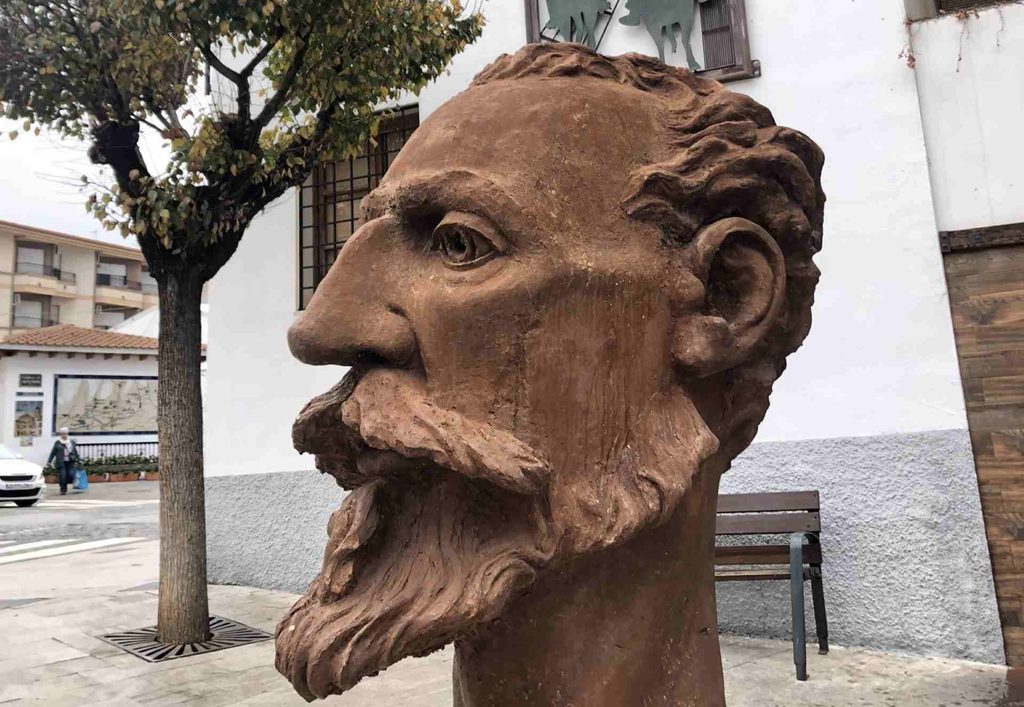
How to Go to Órgiva
The closest big city is Granada. There are no trains going to Órgiva, so the main public transport option is the bus. The main operator is ALSA, so I recommend checking their website for the current timetable.
There are different types of buses. One is faster, while another is slower because it stops in more villages along the way. The journey takes about 1 hour and 30 miuntes with the faster bus and around 1 hour and 45 minutes with the slower one. There are two bus stops in Órgiva, one of them is on Parking público Gratuito and another one is Regular Bus Stop.
Another way to reach Órgiva is from Motril. There are fewer options, but Motril is quite close. You can also come from Motril by hitchhiking once you are outside the city, or by taxi. I did this once and paid around €60, but I negotiated the price before the ride.
What to Do in Órgiva
Depending on your interests, there are many things you can do in and around Órgiva. Most of the people I met here were international visitors. Many of them came because of outdoor activities such as hiking and cycling. There are also many artists living in Órgiva and the wider Alpujarra region, so it is quite easy to meet interesting people.
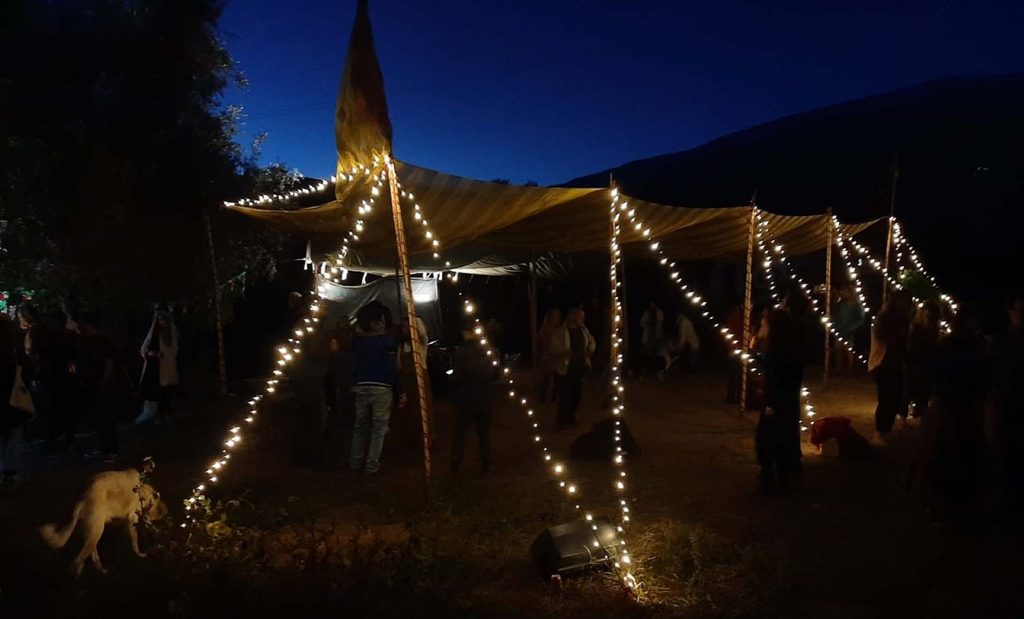
The municipality of Órgiva is also known for permaculture, and I met some people who came here specifically for that. The region is also rich in olive trees, and many local people are involved in olive growing and production. There are not really nightclubs in Órgiva, but there are parties. Some of them are open-air parties around the town. Once, I even found a party inside a pizzeria in Órgiva.
Where to Camp in Órgiva
Wild camping is generally not allowed in Andalusia outside authorized campsites, so you should check the current rules before camping. In protected natural areas, the rules can be even stricter.
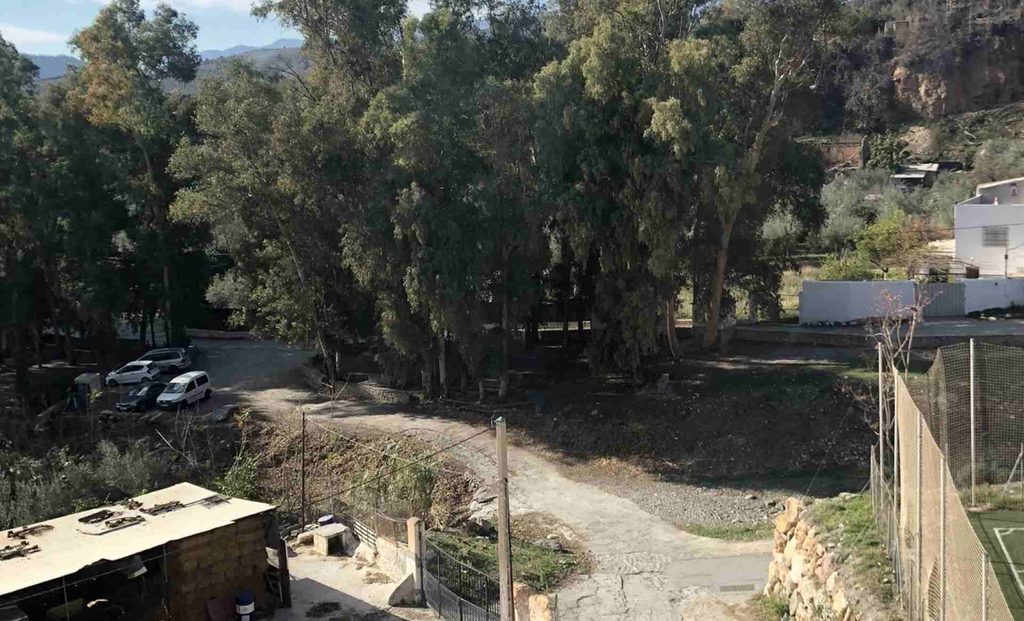
During my visit to Órgiva, I saw several campers and vans parked in different places around the town. One place was on the bank of the Río Chico, and another was below the Seven Eyes Bridge.
I am mentioning these places because I personally saw campers there, not because I can confirm that camping there is legal. Seeing other people camping or parking does not mean that the place is officially permitted for camping.
If you are travelling with a tent, I recommend using an official campsite or checking with the local authorities before staying overnight. If you are travelling in a campervan or motorhome, also remember that parking a vehicle and camping are not necessarily treated in the same way under the regulations. Always check the current local rules before staying overnight and leave the place clean.
If you are travelling with a tent, I recommend using an official campsite or checking with the local authorities before staying overnight. If you are travelling in a campervan or motorhome, also remember that parking a vehicle and camping are not necessarily treated in the same way under the regulations.
Always check the current local rules before staying overnight and leave the place clean.
Órgiva Thursday Market
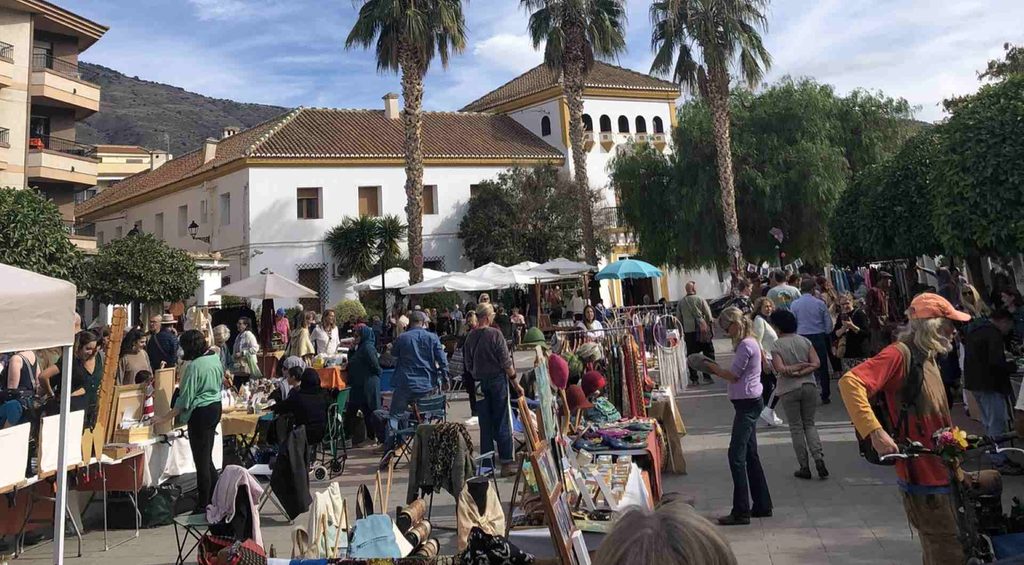
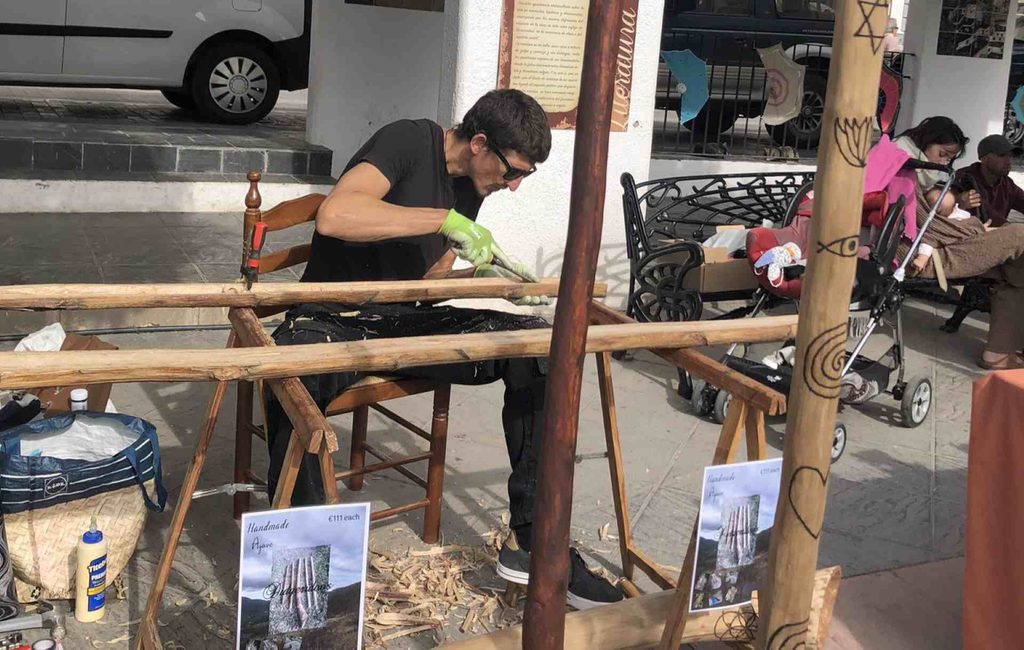
The Thursday market is one of the most interesting parts of Órgiva. On Thursday, Órgiva becomes much busier than on other days of the week. The town can feel very crowded compared with normal days. There are many different things to buy at the market, including pictures and artwork from local artists, seeds, locally produced tobacco, wooden products, clothes and other things. For me, Thursday is probably the best day to visit Órgiva if you want to see the town when it is most active.
Organic Shops
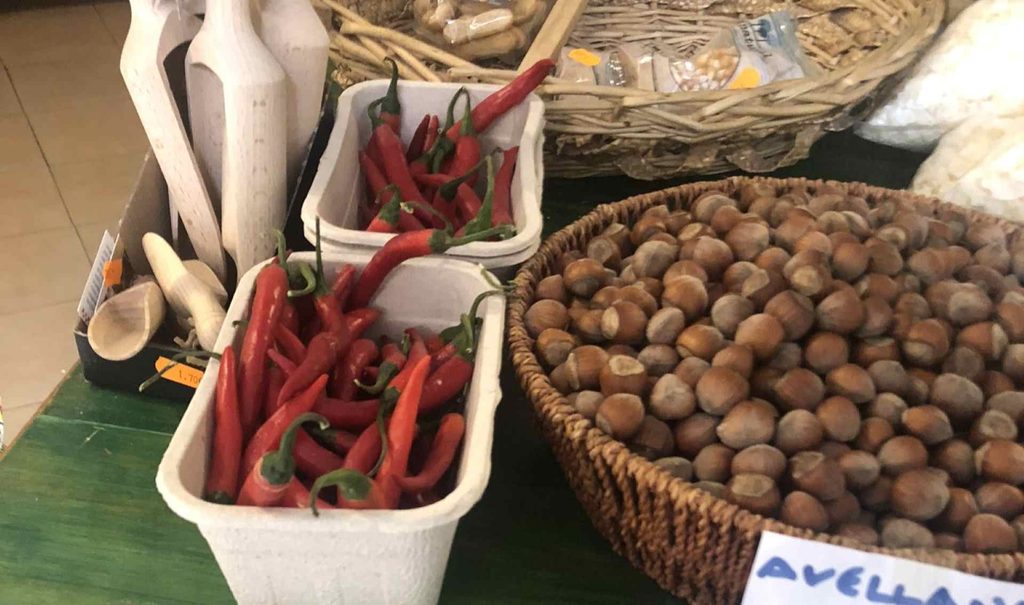
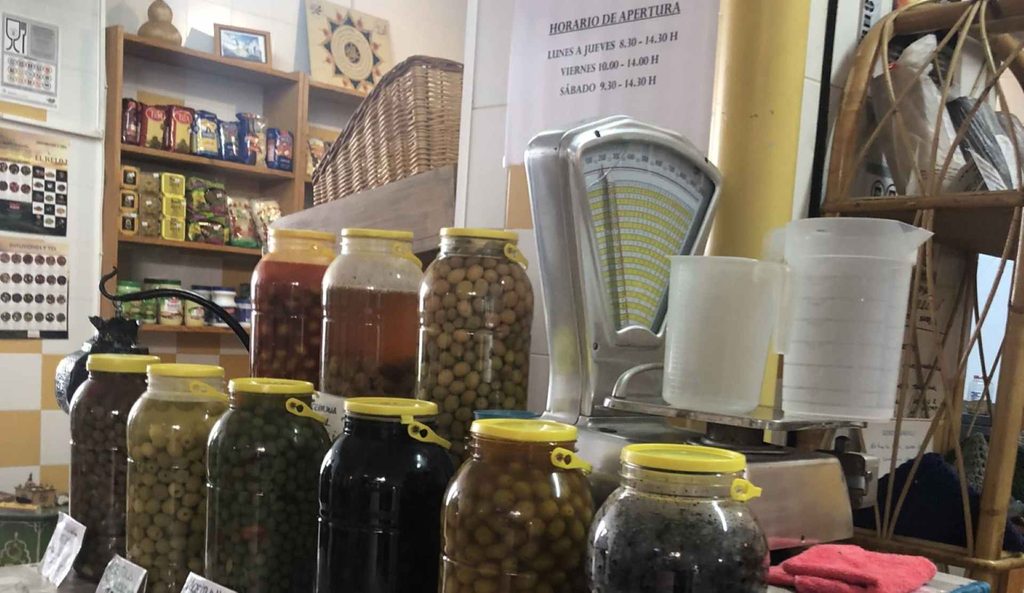
One interesting thing about Órgiva is the number of organic products you can find. There are even shops that specialize mainly in organic products. Many of these shops are located inside the covered market. You can find local food and other products from the region. Not all of the shops inside the market are open every day, but on Thursday, when the market takes place, the area is much more active.
Interesting Things to See in Órgiva
Órgiva itself is quite small, and there are not a huge number of tourist attractions inside the town.
Still, I think it is worth visiting the local museum, the church and some of the streets around the town.
You can also take a walk to the cemetery or walk along the Río Chico valley. There is a road that goes next to the valley, so you can explore this part of Órgiva quite easily.
But for me, the most interesting things are actually outside the town. The surrounding area has many small villages and beautiful mountain landscapes.
I wrote another article about exploring the villages around Órgiva and the wider La Alpujarra region.
Where to Swim in Órgiva
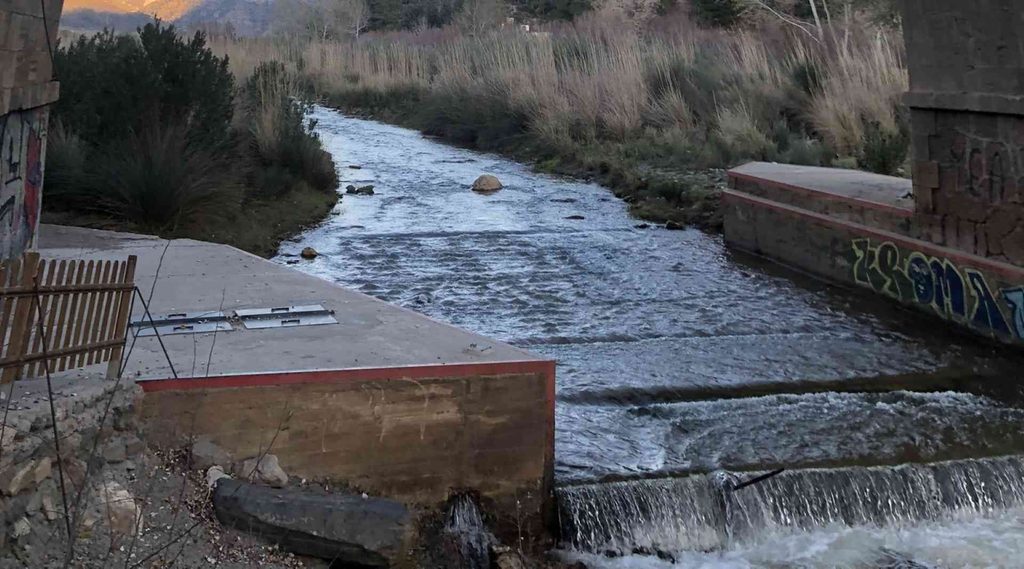
There is a swimming place just below the Seven Eyes Bridge. Even in winter, I saw people swimming there.
In some parts, the river is not deep at all. During winter, before heavy rain or heavy snow melts in the mountains, the water can be only around knee-deep. However, there is also a part just below the bridge where the water is much deeper than a person’s height. Be careful when swimming in mountain rivers. The water level can rise very quickly after heavy rain or snowmelt, even if the river looks safe when you arrive.
Órgiva in Winter
Compared with some other places in the region, Órgiva felt surprisingly warm and comfortable to me. I felt that summer finishes quite late here and that there is some time before the first heavy rains arrive. I am not sure if there is a specific weather phenomenon responsible for this, but Órgiva felt warmer to me than Granada, Málaga and even Motril, which is not far away.
Maybe this is because Órgiva is protected by the surrounding mountains. The winters also seemed very comfortable when I was there. This is one of the reasons why many people from different parts of Europe come to Órgiva and the Alpujarra to spend the winter.
Where to Do Laundry in Órgiva
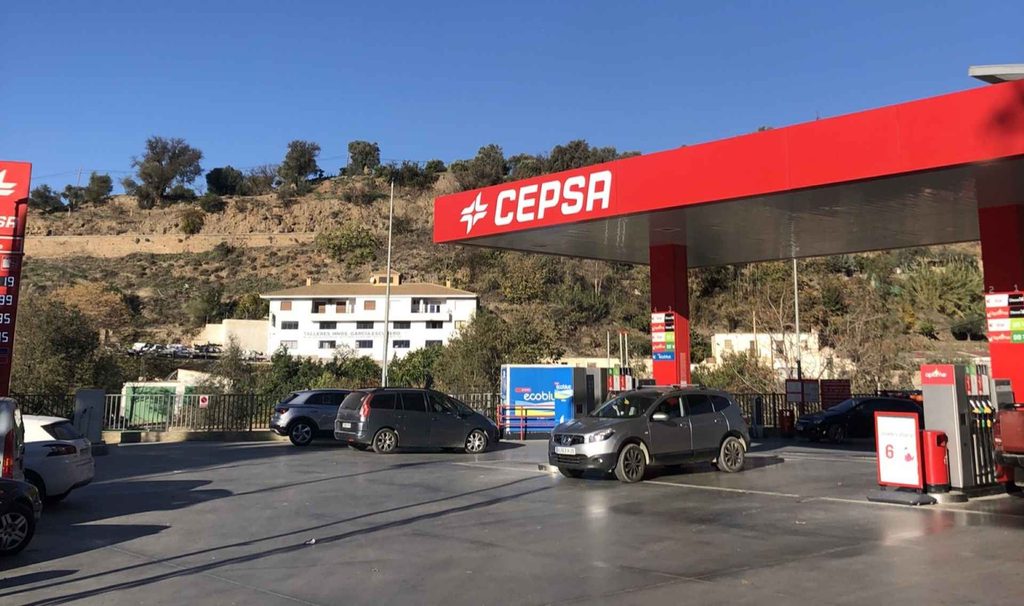
If you are travelling by camper, staying in a tent or travelling by bicycle, this information can be very useful. There are washing machines at the petrol station next to the Río Chico Bridge. The petrol station is Cepsa and, as far as I know, it is the only petrol station in the town.
To use the washing machines, you need to go inside and ask the staff for a token. There are both smaller and larger washing machines available. The petrol station is closed at night, so you cannot use the machines 24 hours a day.
Shops and Markets in Órgiva
There are no 24-hour shops in Órgiva. Even the petrol station closes at night. Most shops are open during the weekdays but many are closed on Sunday. The petrol station is also open on Sunday. Órgiva is not a big town, so you should not expect a huge number of supermarkets or shops. There is a market, a tobacco shop and the petrol station. If you are staying outside the town, it is a good idea to buy what you need before the evening.
Restaurants and Cafes in Órgiva
There are only a few restaurants and cafes in Órgiva, and I am proud to say that I visited all of them during my stay. There is a döner place where I met a very friendly Moroccan guy working there. Next to it, there is El Viejo Molino restaurant, which was my favorite in the town.
There is also a cafe-restaurant where you can play board games. There is a pizzeria near the church, and several other small restaurants and cafes around the town. You can also get coffee at the petrol station.
Órgiva is not a place where you come for a huge restaurant scene. For me, the interesting part is more about the atmosphere, the people and the international community living and travelling around the Alpujarra.
Animals and people
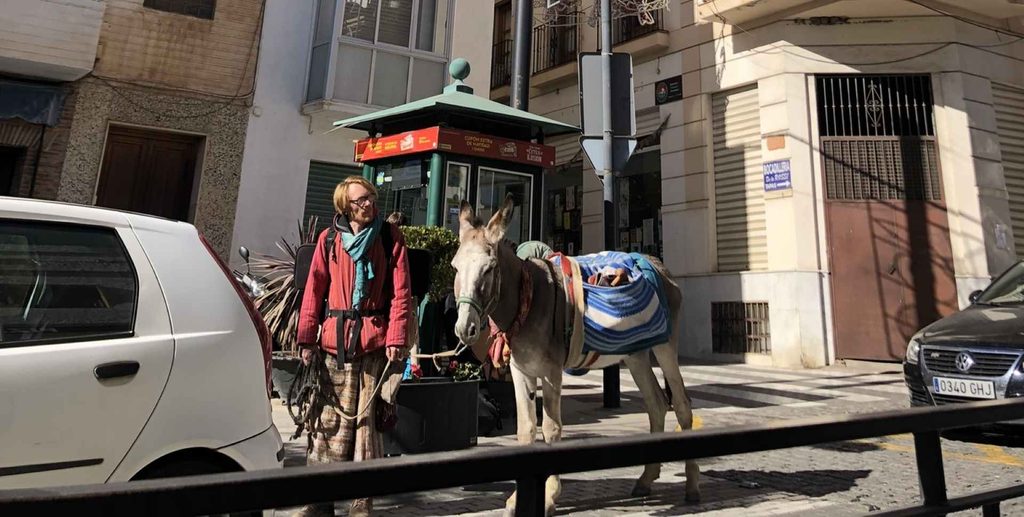
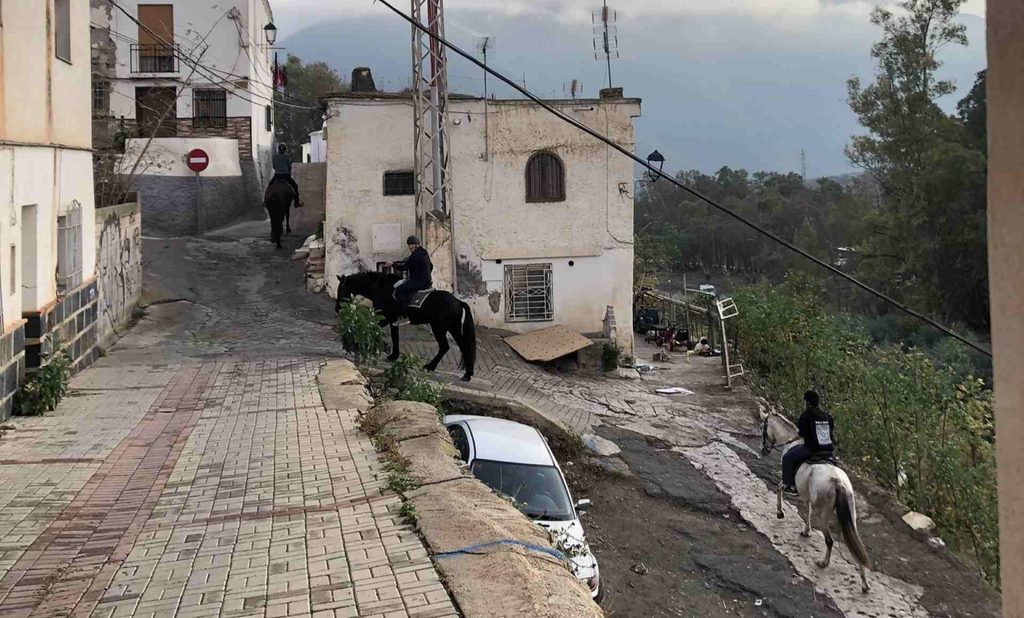
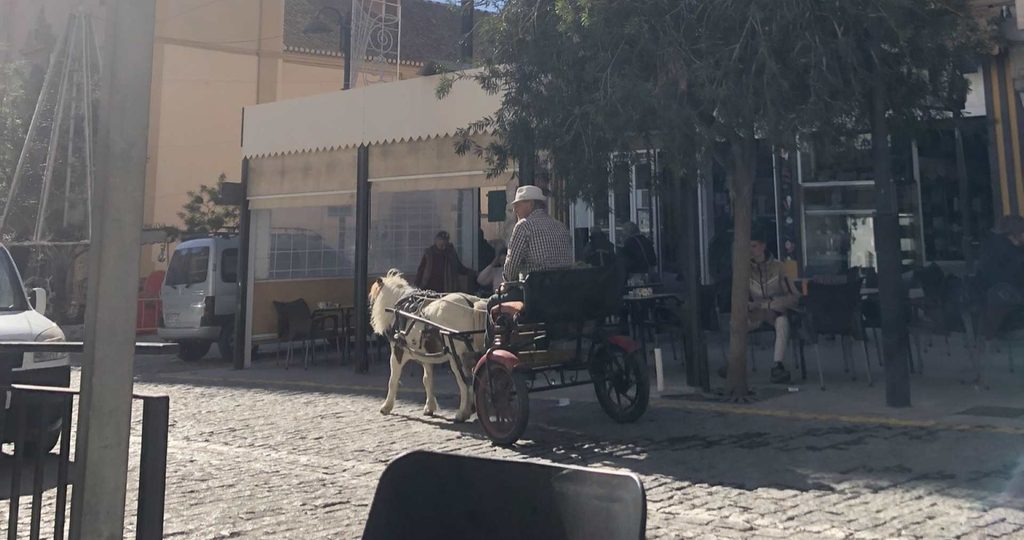
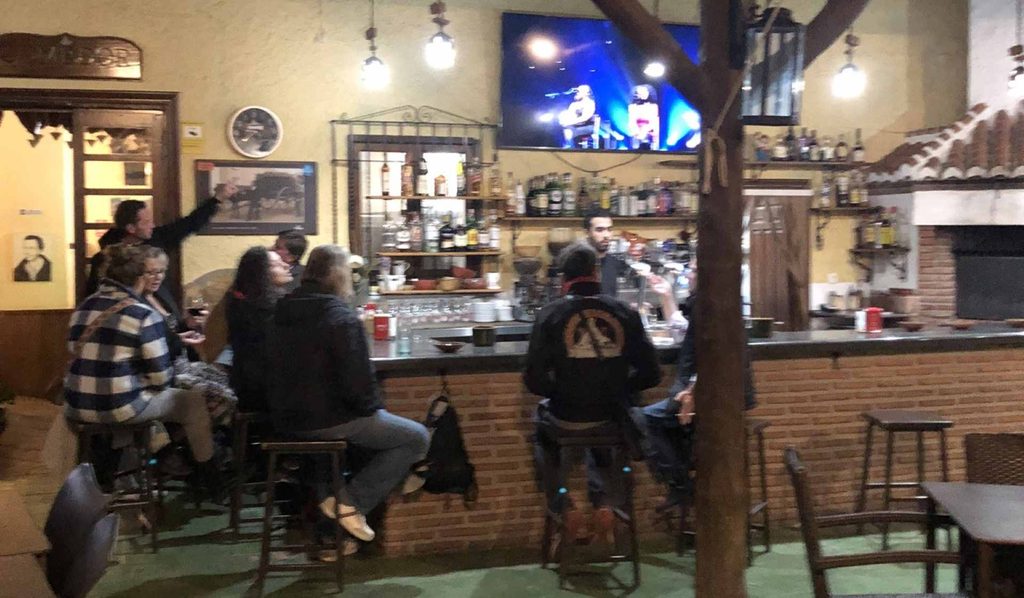
I made these beautiful pictures of people and animals in Órgiva.