I visited and stayed in Craiova for a while, and here are my observations and general impressions about this city. Somehow, I think it’s not quite a fairytale city, but rather a forgotten one. Craiova deserves much more attention and care because it’s not well-represented, much like the whole Dolj County. Even among Romanians, Craiova is not particularly popular, partly because of accidents and events in past decades. Yet, I think the city itself is very nice, offering many big events throughout the year.
During my stay, I explored the wider area, met many locals, tried all kinds of local food, and visited nature, including rivers and lakes. These experiences gave me a deeper understanding of the place and helped me learn many fascinating things.
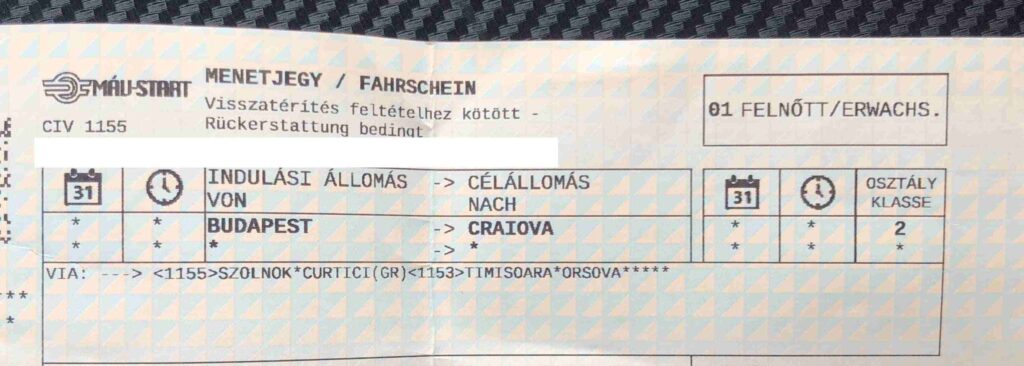
Craiova is home to a university, attracting many international students, especially in fields like medicine, pharmacy, and dentistry. Many young people from Greece come here to study, as well as students from Serbia, Bulgaria, and various Arab countries. There are also many international workers here, mostly from Asia, showing that Craiova is becoming an real international city. As the capital of Dolj County, it draws people from neighboring towns, offering them greater opportunities.
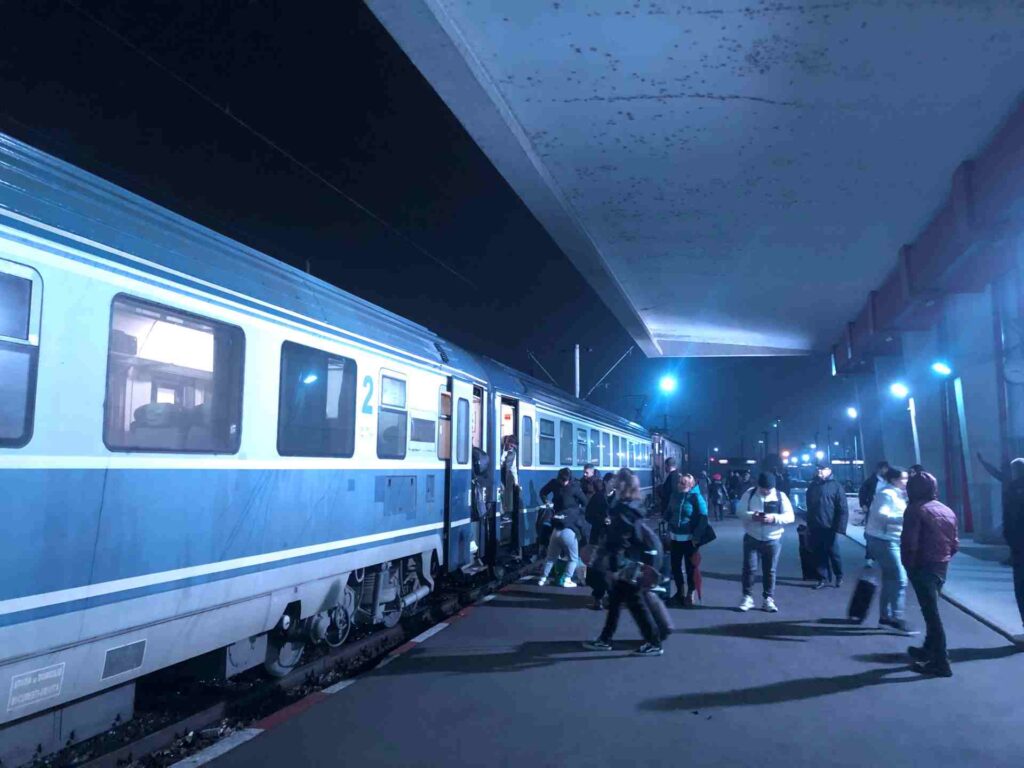
Craiova’s railway station (Gara) is another iconic spot. Open 24/7, it provides frequent connections, though trains to Bucharest are often delayed by 45 minutes to two hours. Security personnel are present at night, adding to the station’s charm and utility.Craiova had industry connected to trains, and you will see in many CFR trains “Craiova” name.
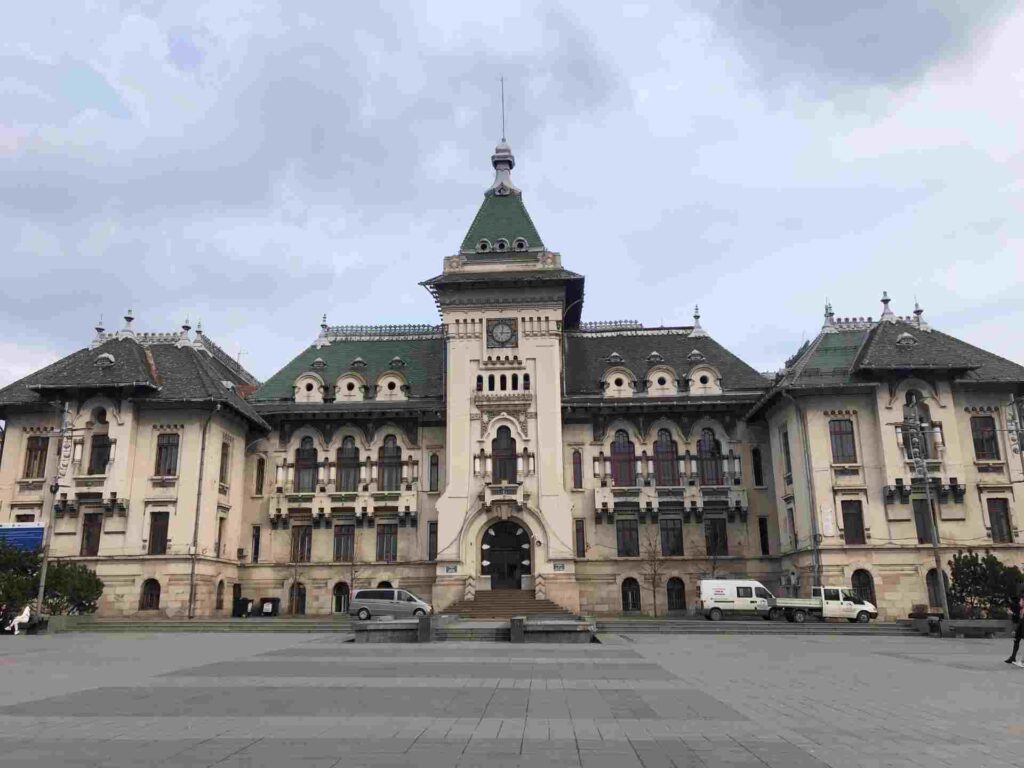
Piața Mihai Viteazul (Michael the Brave Square)
This is main square in Craiova. On the same locatio, if you stayed more in Craiova, you will see plenty of events, and most popular is Chismas Market.
The name “Craiova” has a meaning in Slavic languages, where “crai” refers to “ending.” Perhaps it was once seen as being at the edge of the country or another boundary. With a population of about 300,000, Craiova is one of the largest cities in Romania. However, the city doesn’t feel as populated compared to others like Timișoara or Brașov. This may be due to the massive emigration of Romanians in the ’90s and 2000s, many of whom moved to the UK, Italy, or other Romanian cities like Bucharest and Timișoara. These migrations seem to have left certain generations missing. One guy told me he is the only one stayed in Craiova from his high school colleagues. This is one of the best cities I visited while traveling through Romania.
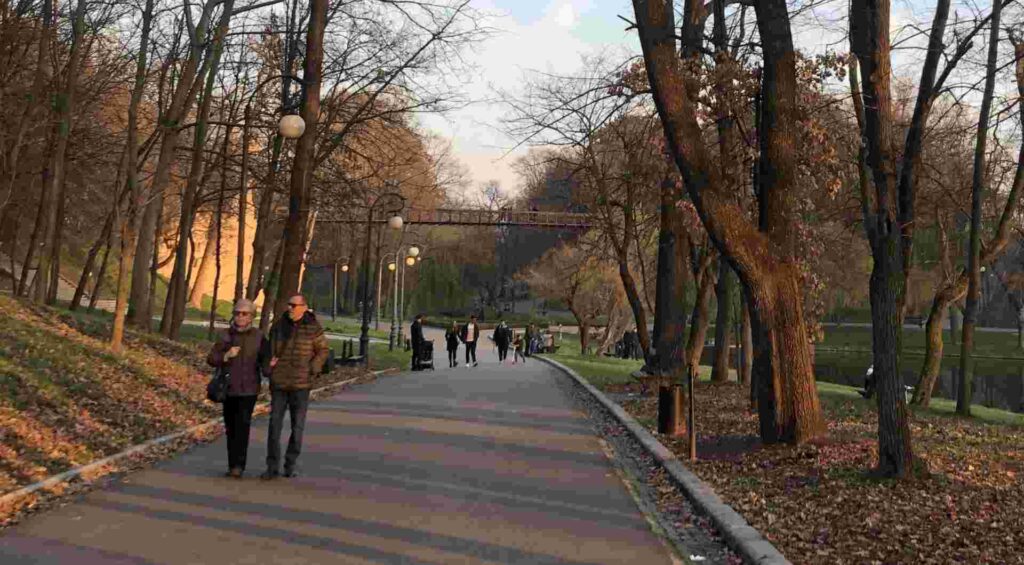
Romanescu Park
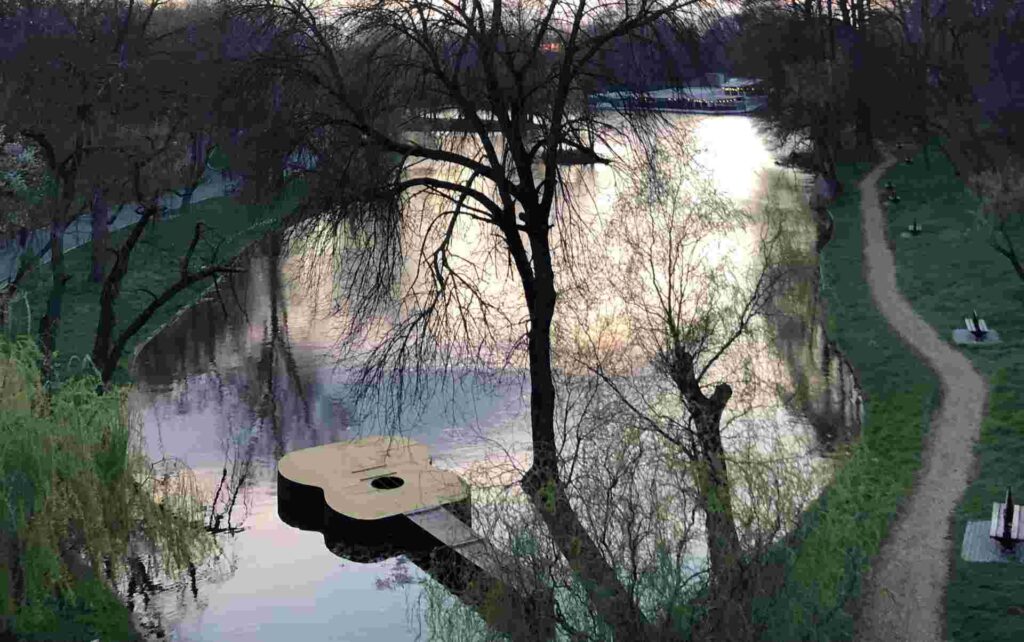
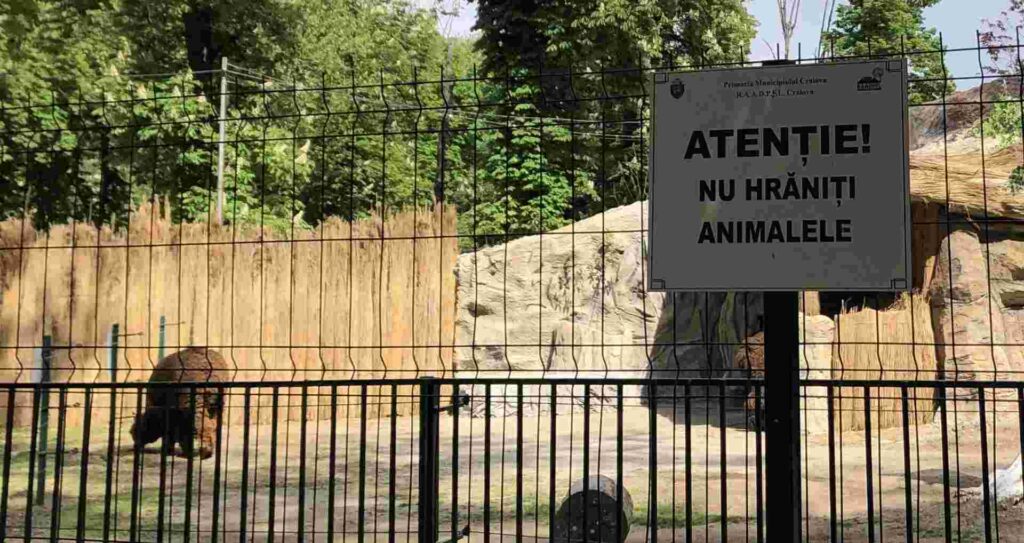
Probably the most popular outdoor spot in the city is Romanescu Park. Many of Craiova’s iconic landmarks, such as Romanescu Park and the Aman Library, were created by wealthy individuals like Nicolae Romanescu and Alexandru Aman. It is named after Nicolae Romanescu. It is a wonderful place to visit any time of year, with a beautiful guitar-shaped lake, a small zoo, food options, small boats, and lots of old trees. If you like parks, I also liked the Botanical Garden and the English Park in Craiova. All three are great, but Romanescu is more than just a park.
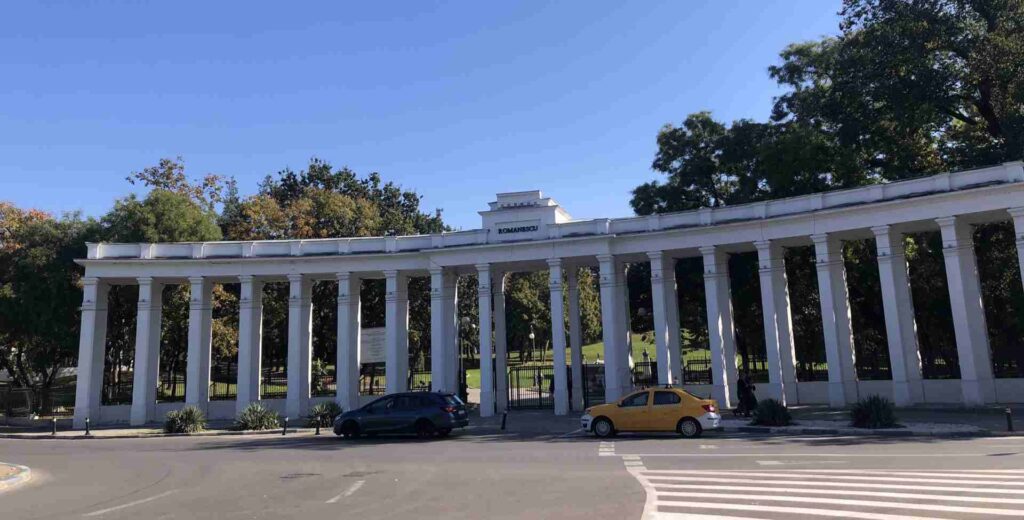
There are many things to do in Romanescu Park, such as walking, running, boating or just sitting in the park. There is also a small zoo inside the park, which I hope will get better soon.
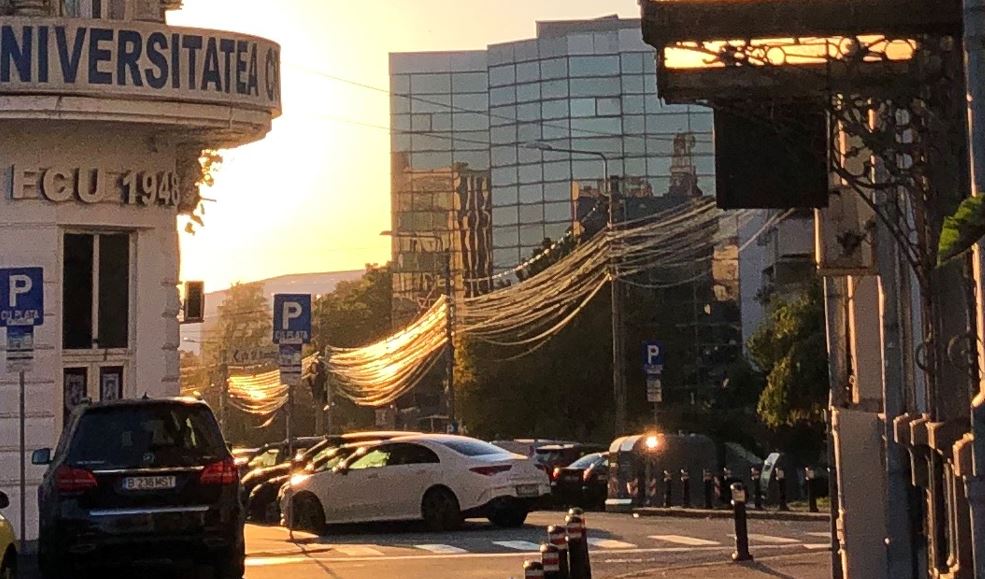
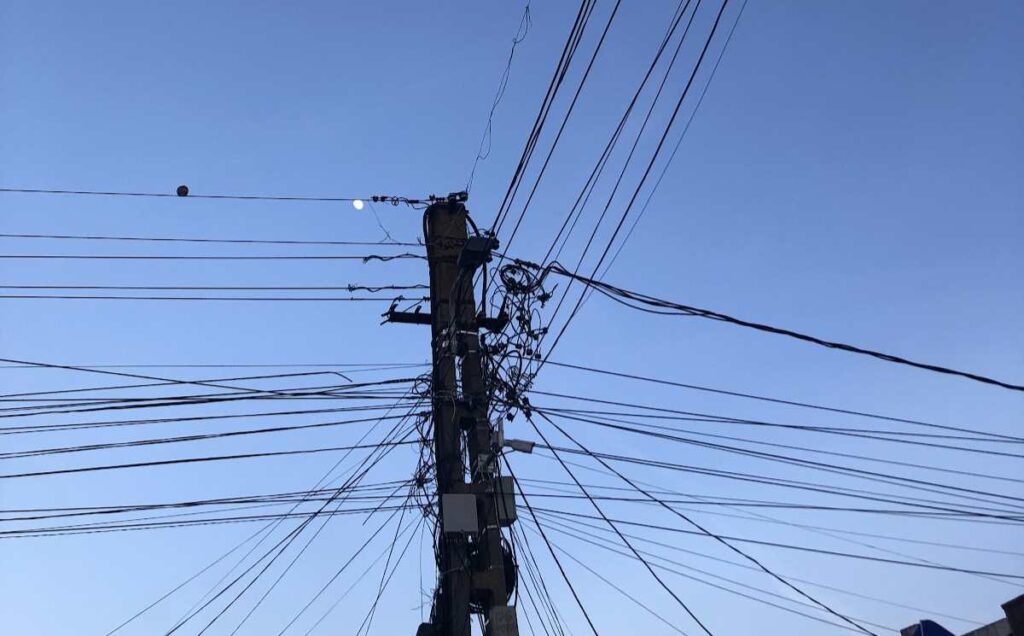
Cables in sky
This is popular popular thing to do a photographyes about this cable, so if you are photographer you can go there and take a interesting picture. In some cities, like Brasov, there is less of them, but in almost all other cities you will find them.
What is behind this? Locals told me that they are receiving a interenet and tv programm via that cables so they dont mind, but for some people its strange. Also, they are not compainning “because of that interenet is chepaer”. This maybe makes sense, otherwise wires should go underground and made a big investition about runing the whole roads and neibhhrgouds to put an cables underground. Also, competition is huge to providet internet and tv, so there is many companies who are interested to grab the marketshare, but this kind of the infrastructure can be done only by goverment, because of complexy of ownership of propreties and in general its expensive investment. There are some initiatives to put the underground, but seems like it will not happen soon.
Uniquely, Craiova is located between two rivers, the Jiu and the Olt. Most cities are built on one river, but Craiova lies between two, which is quite interesting. Both rivers significantly influence the region, with the Olt giving its name to Oltenia. The Jiu River is also important, with many towns along its course bearing its name. S
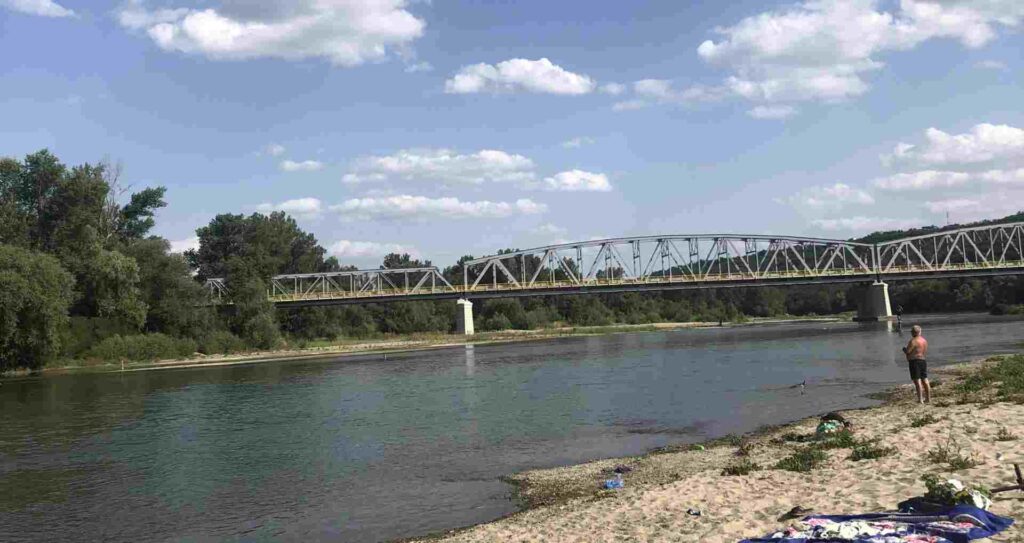
Jiu River
Summers in Craiova are very hot, often making it one of the hottest cities in Romania after spring. This could be due to the microclimate and lack of wind. The city itself is quite flat, with no visible mountains until you reach the northern district of Gorj. If you are looking for refreshment in nature, there is the Jiu River. The locals say that the river is dangerous, so they won’t recommend it due to sandbanks, unpredictable currents, and fast-moving water in some areas. Actually, that’s true from my experience, so be careful. There is a nice sandy beach near Craiova. If you like fishing, you can do it here, as I do. It is located about 15 meters from Craiova, and it can be reached by bus on the way to “Bukovina”.
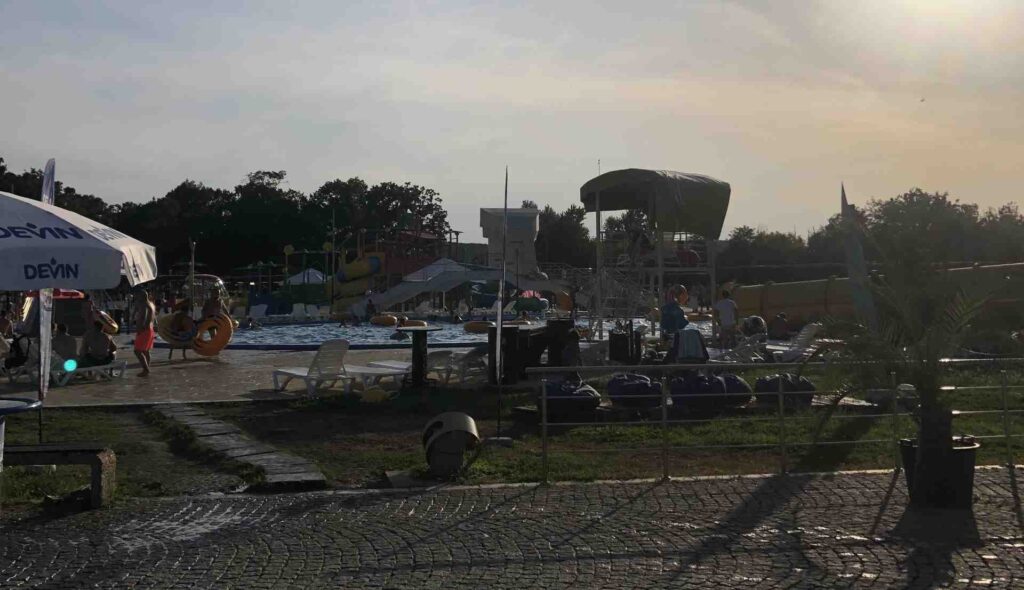
Aqua Park
If you are looking for refreshemnt during the summer, but you want to feel more safe than going to river, Aqua park is great choice. Have in mind that it can be overcrowded during the weekends.
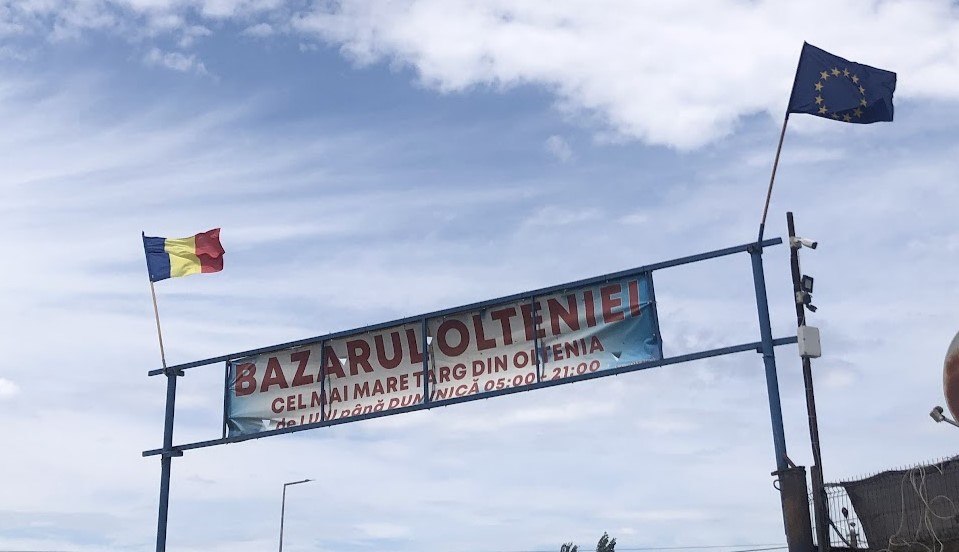
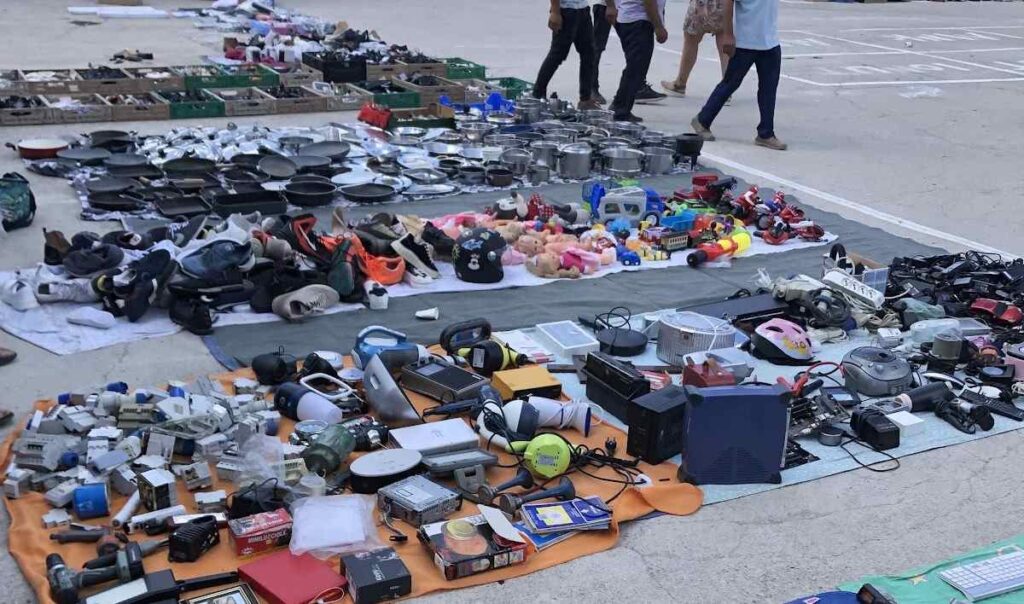
Flea market in Craiova
I want to share some impressions and pictures about flea market in Romania. I went there on Sunday, which was day for market in Craiova. Also, I went there another day during weekday but it was almost empty. I went there in the morning around 9 a.m. and it was already full, but some of the sellers just arrived also in the same time and they have been unpacking. On this flea market, it is possible to find almost everything, even some new clothes, shoes but also some staff like in Lidl or Kaufland, icluidng chemical products.
The market was packed with people sipping on wine or hot chocolate, enjoying local or Greek food, or simply strolling around. There was also an ice-skating rink, where both kids and some adults were having fun on the ice. Many electrical devices are for sale, probably most of them not working but they are there. Old mobile phones, laptops, monitors and so on, also parts of electrical devices like hard diskes, cables and similar things. Also, you can find electrical drills and you can test them before buying.
Watches. There is many watches you can find, most of them are not working but also many people are comming to check them in hope to find something worth. Tools. This is best thing on this market, you can find many usefull tools that are very usefull. They seems to be very quality and in good condition.
Interesting
I will just put some pictures and stories I found interesting. The city’s vibe isn’t as lively compared to other Romanian cities. Many places felt quiet rather than bustling. Still, you can find excellent restaurants and bars. Shopping malls are especially popular, particularly among young people, as they offer shopping, cinemas, and more.
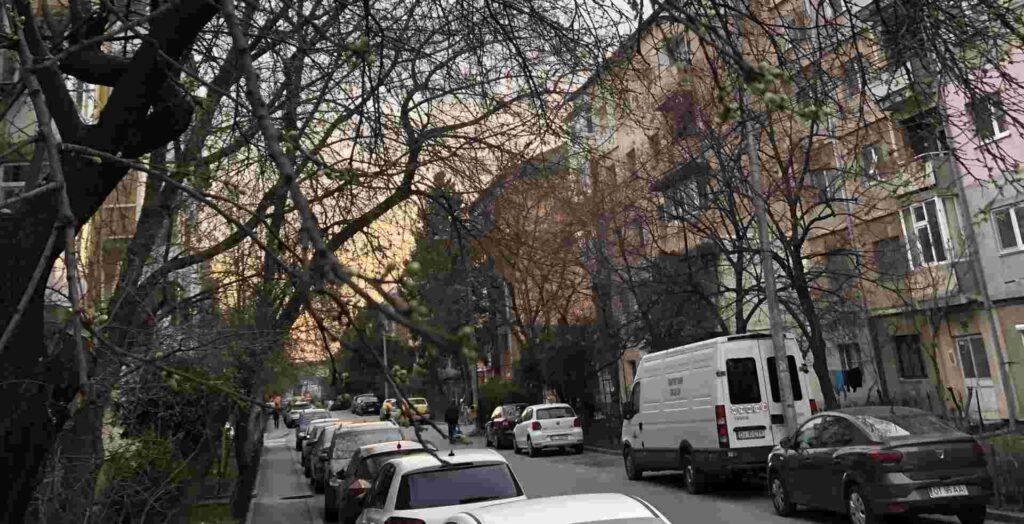
Many neighborhoods in Craiova were developed during the communist era, characterized by gray cement buildings that are easy to recognize. Public transportation is well-developed, with buses and trams connecting the city efficiently. If you plan to use public transportation, remember to buy a ticket, as controllers often check passengers and may be in plain clothes. Craiova is also home to a Ford factory, probably the city’s most well-known industry today. Historically, Craiova was an industrial hub, producing planes and trains, though many factories collapsed during privatization.
While other Romanian cities have developed faster, Craiova has lagged behind. Its geographical location in the southwest might be one reason. However, the infrastructure is decent, with Craiova being just three hours (210 km) from Bucharest. The city also has an airport, making travel abroad convenient.
Prices in Craiova are generally low, making it one of the cheapest cities in the Balkans and Europe. Street food, especially covrig, is widely available and delicious. I ended up eating so much covrig that I thought I might turn into one! Craiova is a developing city, striving to catch up with other Romanian cities. It shines brightly a few times a year during festivals like Easter, Shakespeare, Intencity, and Christmas Market
The most popular bar in town is “Biergarten,” where you’re likely to meet almost everyone you know in Craiova during the weekends. I also liked Silent Garden during the summers, Kune, and Ponton places.
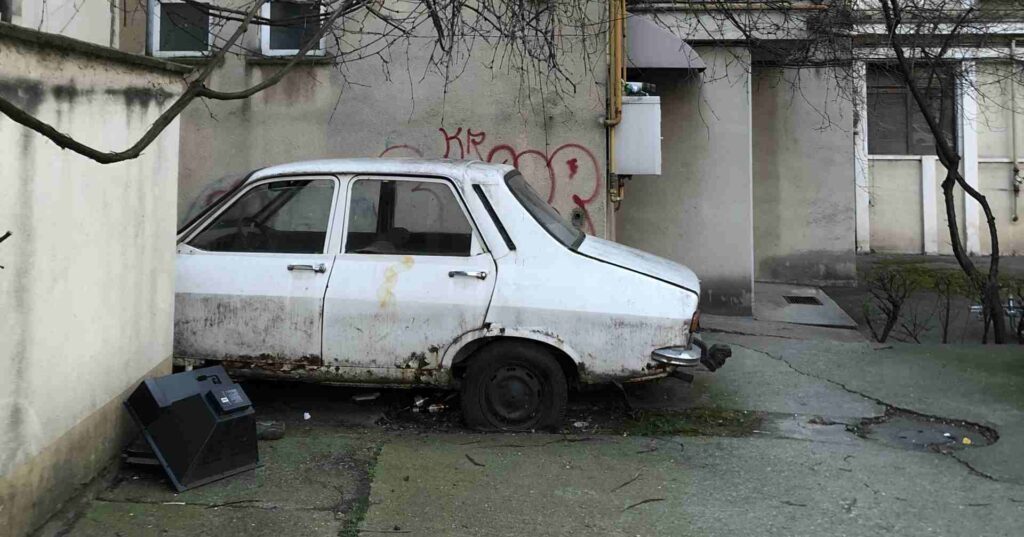
Unfortunately, Craiova isn’t a major international tourist destination, though local tourism is growing, especially during festivals. The city also has some Roma population. One unique aspect of Craiova is its car culture. Young people treat their cars like prized possessions, often gathering on weekends to hang out with their vehicles and socialize.
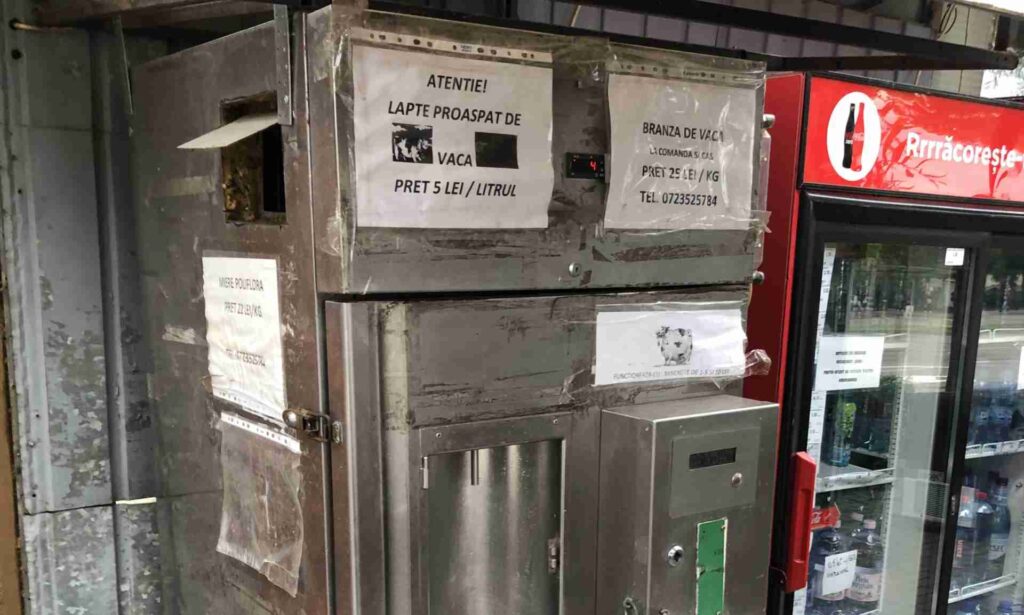
In conclusion, Craiova is a humble city where you can find almost everything, though in limited quantities. One of its charming features is the abundance of public water fountains, providing clean drinking water, a fantastic convenience.
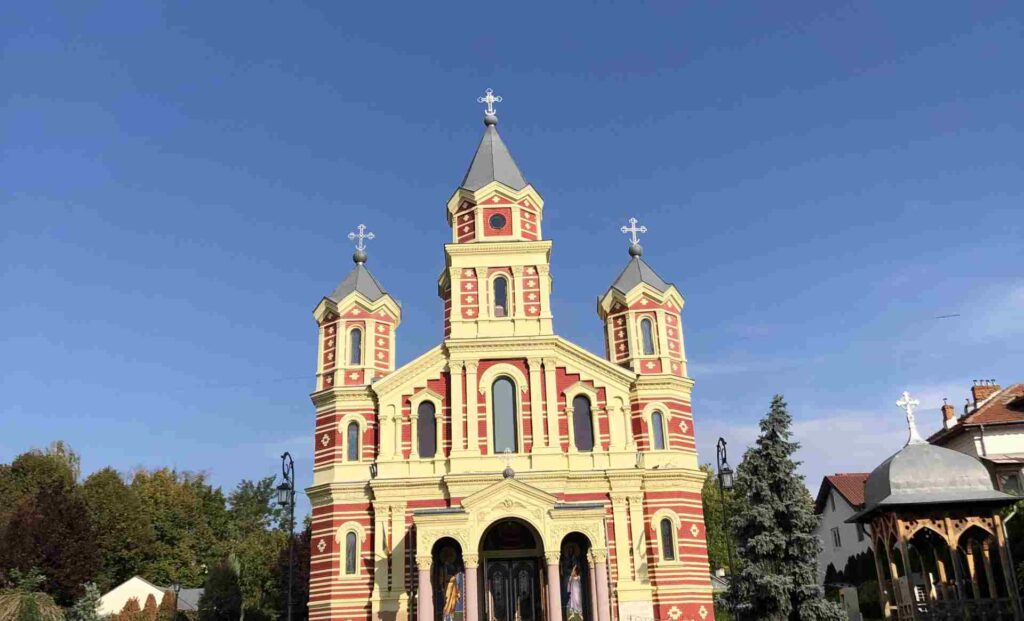
Craiova’s history is rich, and most of its landmarks were built in the last 200 years, showcasing a mix of architectural styles. Some of the most remarkable landmarks include the National Theatre, the University Building, Romanescu Park, English Park, the Botanical Garden, the Pedagogical Library, and Aman Library. The city also has many cozy small houses.
Craiova has two football clubs, CS Universitatea Craiova and FC U Craiova 1948. Football is hugely popular here, with matches drawing large crowds. Discussions about recent games are common, showing how much the locals love the sport.