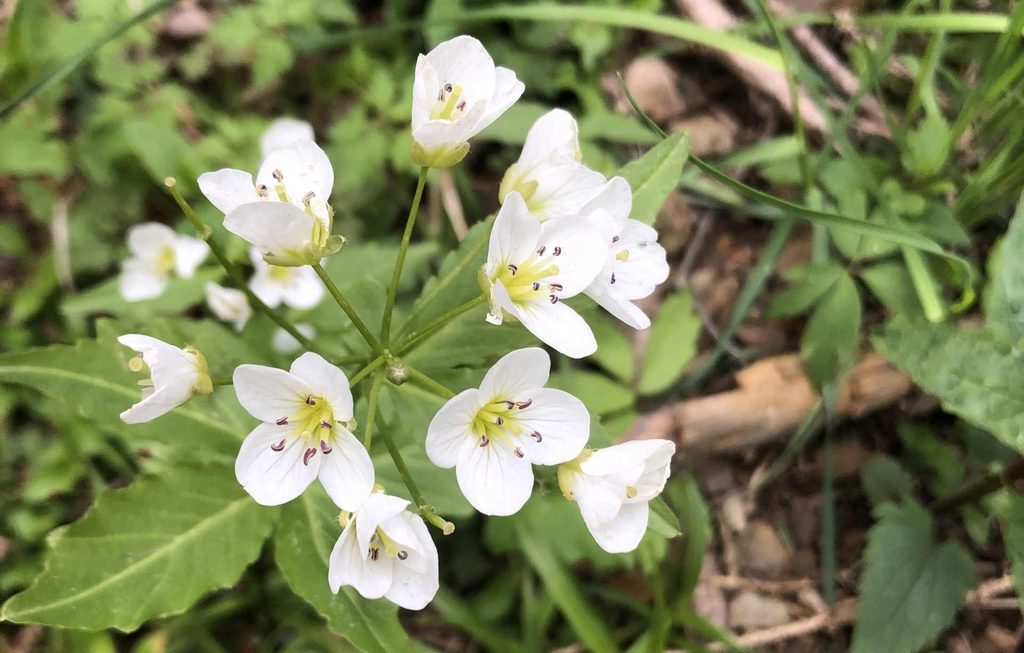
Bosnia and Herzegovina is known for its mountains, forests, rivers and lakes. But there is another part of nature that is easy to miss, wildflowers.
When hiking in Bosnia and Herzegovina, you can find flowers in mountain meadows, forests, beside streams and between rocks. Some are very common, while others are much harder to find. Some of these wildflowers are very common and can be found in many parts of Bosnia and Herzegovina, while others are very rare and can only be found in specific areas.
Some flowers are also special because they are connected with the Balkans and the Dinaric Alps. Here are 19 wildflowers you can find in Bosnia and Herzegovina, with their Bosnian and scientific names and information about how common or rare they are. All flowers in this article are plants that I photographed during my trips. I used plant identification tools to help identify them and then checked the names and information with additional research.
All photos in this article are my own photographs, taken during my hikes and travels around Bosnia and Herzegovina. Please do not copy or reuse them without my permission.
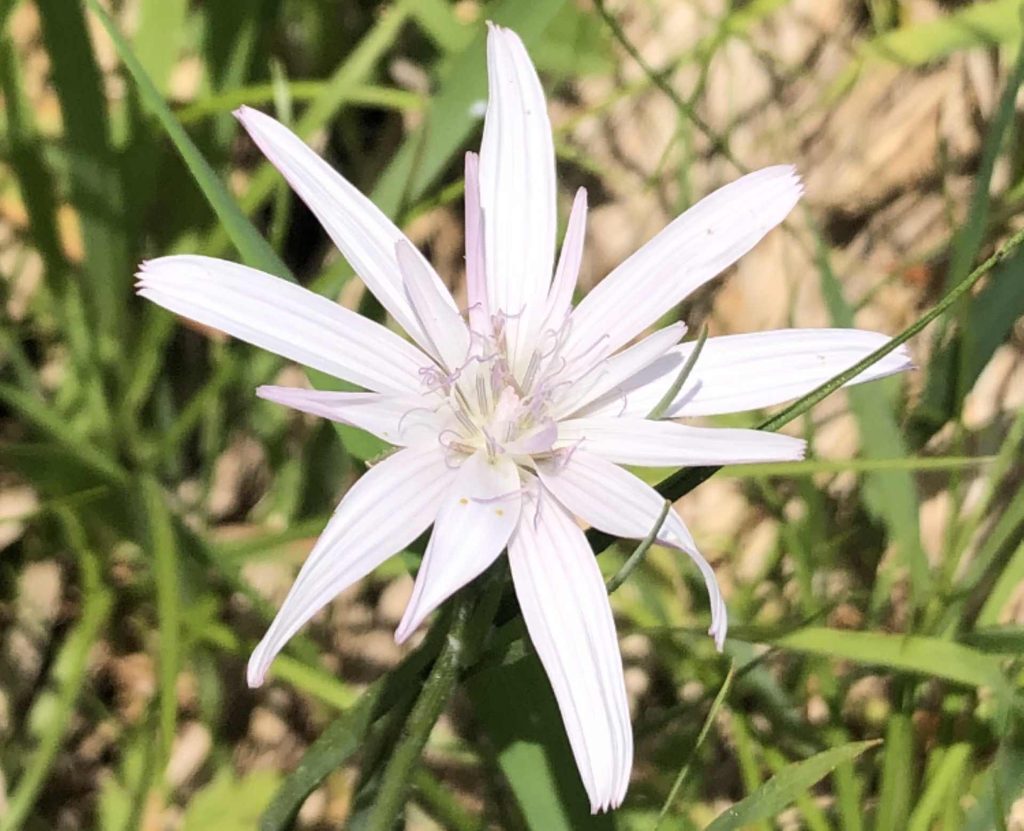
Purple Salsify, Ljubičasti zmijak (Scorzonera purpurea)
Is it rare? Uncommon
Purple Salsify is not a flower that usually covers a whole meadow. It likes sunny and open places and can be easy to miss. Its flowers are purple or reddish-purple. Like other plants in its family, it later produces a seed head that looks a little like a dandelion.
Interesting fact: The name Scorzonera is connected with an old belief that plants from this group could be used against snake venom.
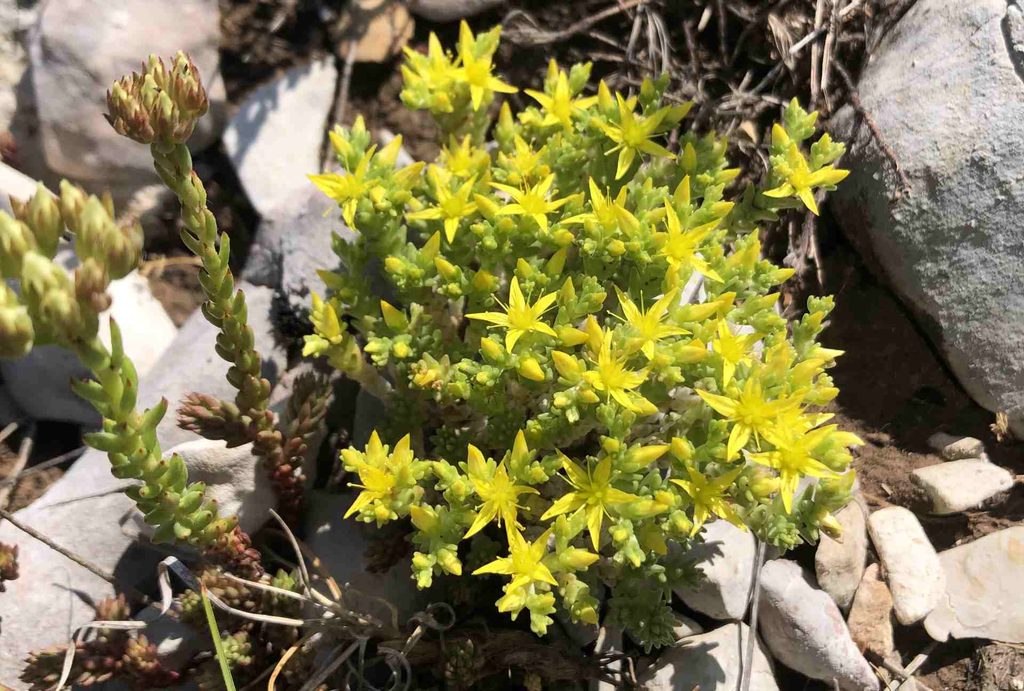
Goldmoss Stonecrop, Oštri žednjak (Sedum acre)
Is it rare? Common
This is a very small yellow flower, but it is a strong survivor. It can grow on dry rocks, walls, gravel and places with very little soil. Its thick leaves help it keep water. When many plants grow together, the yellow flowers can make rocks look like they are covered with tiny drops of gold.
Interesting fact: Goldmoss Stonecrop can survive very dry conditions because its thick leaves store water.
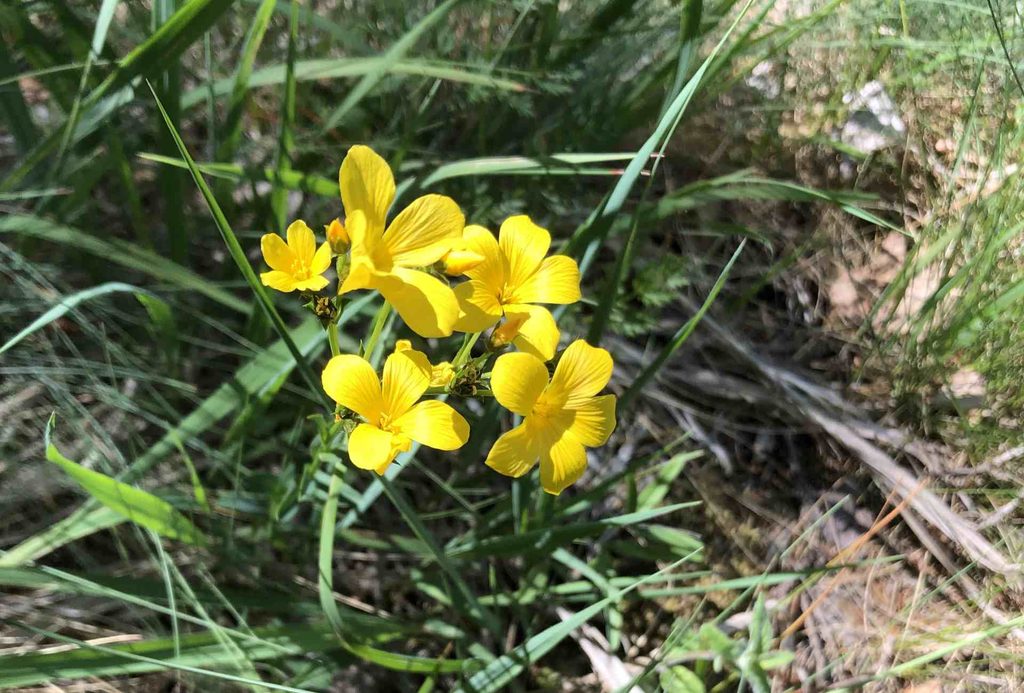
Yellow Flax, Žuti lan (Linum flavum)
Is it rare? Uncommon
Yellow Flax has bright yellow flowers and looks different from the blue flax that many people know. It likes sunny and relatively dry places. You can find it in grasslands and open mountain areas. The flax family is also famous because some flax species are used to produce linen.
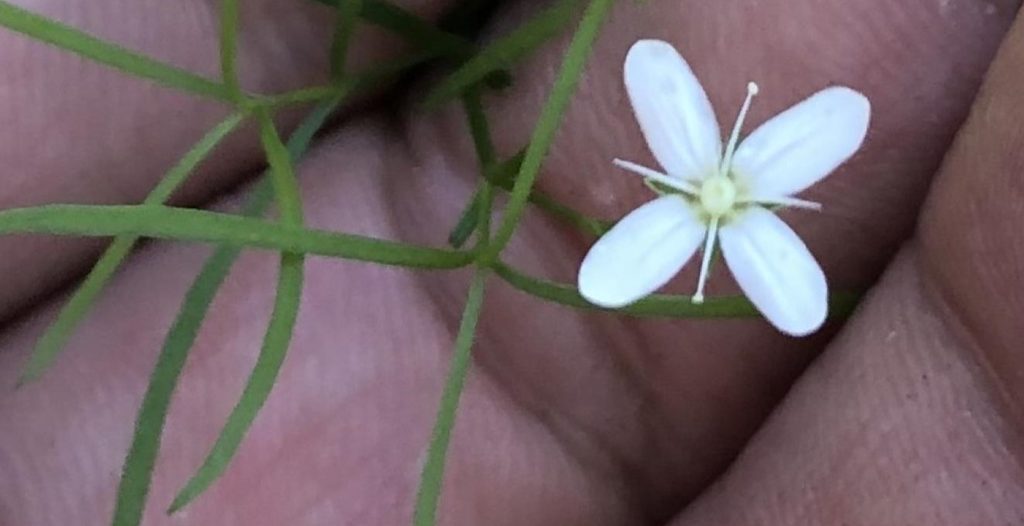
Hairy Sandwort, Mahovinasta moškovica (Moehringia muscosa)
Is it rare? Uncommon / local
Hairy Sandwort is a small plant with delicate white flowers. It often grows in shady and rocky places. Because it is small, you can easily walk past it without noticing. This is a good example of how many interesting plants can be hiding beside a mountain trail.
Interesting fact: Its small flowers can be difficult to notice, making it a good plant for hikers who enjoy finding less obvious species.
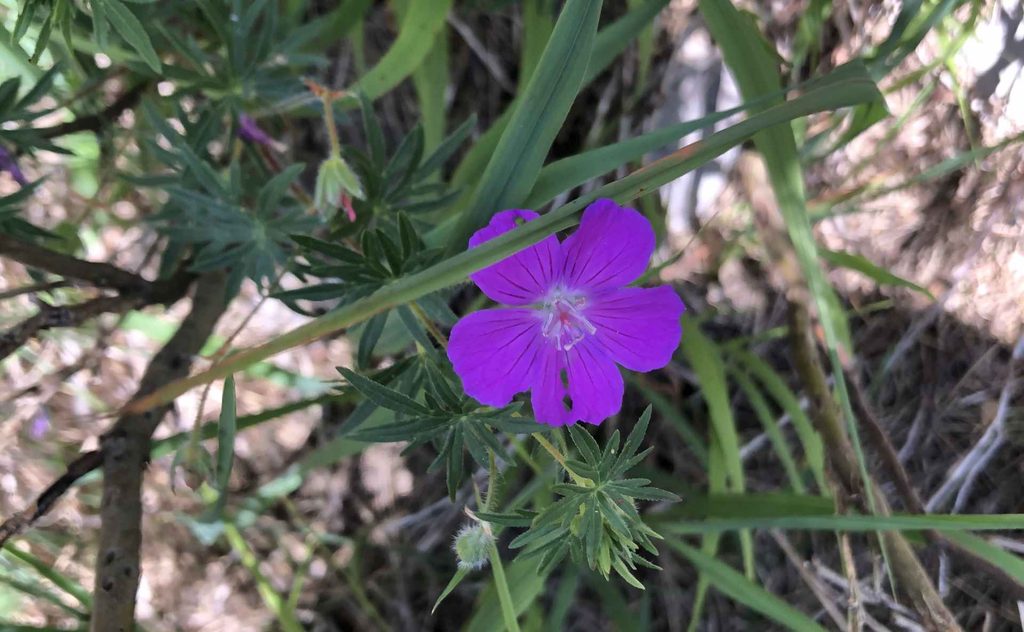
Bloody Cranesbill, Krvava iglica (Geranium sanguineum)
Is it rare? Common
This is one of the easiest flowers on this list to notice. It has beautiful pink or reddish-purple flowers and can grow in grasslands, rocky places and forest edges. The name “bloody” comes from the reddish colour that the plant can develop. The English name “cranesbill” comes from the shape of its seed capsule.
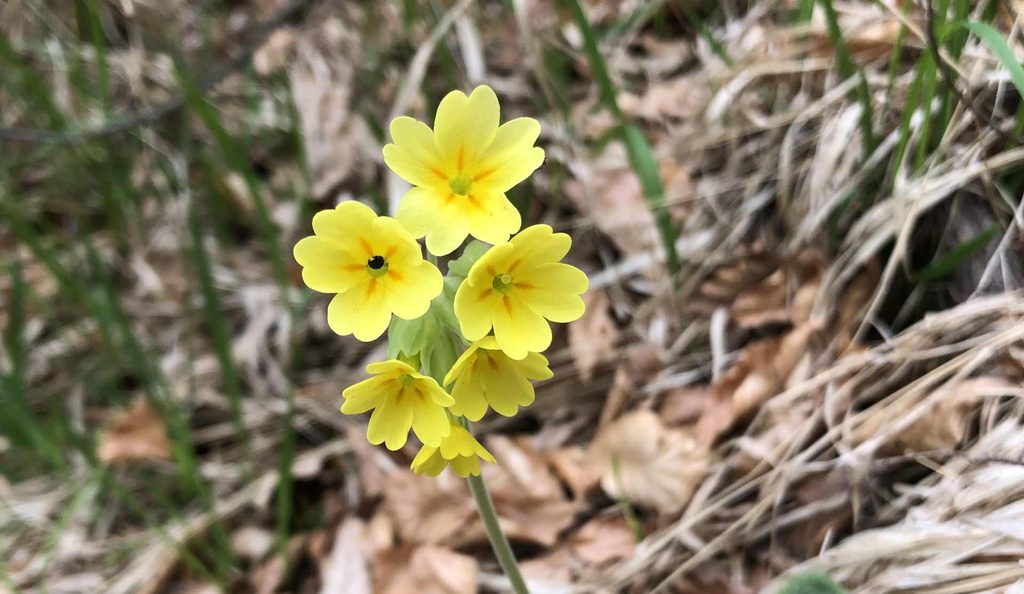
Cowslip, Jagorčevina (Primula veris)
Is it rare? Common
Cowslip is one of the typical flowers of spring. It has small yellow flowers that grow in clusters. It can be found in meadows, open woodland and mountain areas. When you see many of them together, they can make a spring meadow look very beautiful.
Interesting fact: Cowslip flowers are often fragrant, and the plant has been used in traditional European herbal medicine for centuries.
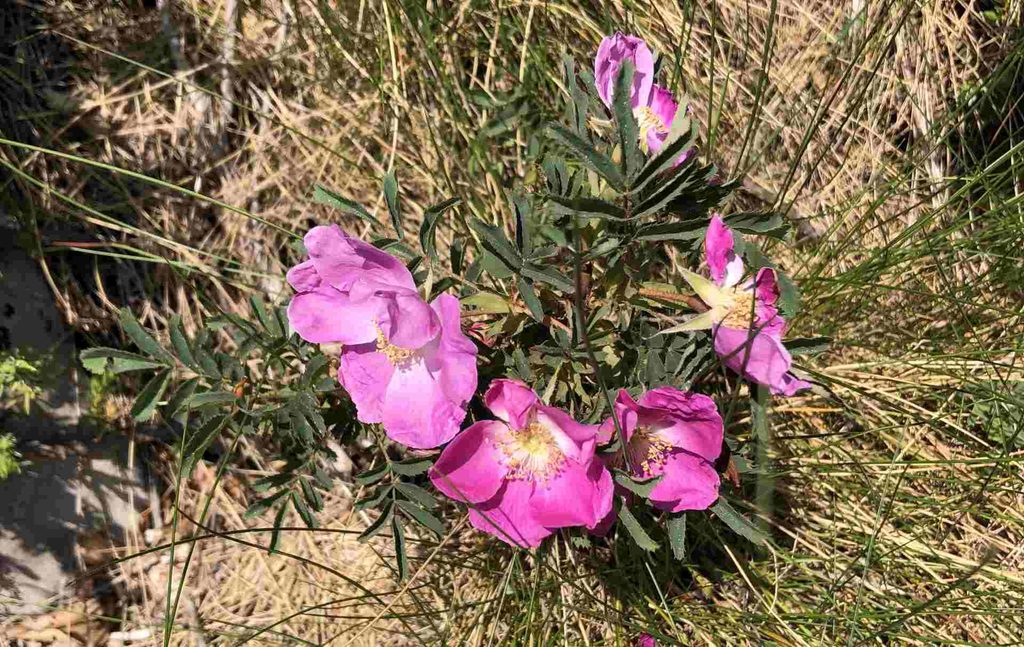
Alpine Rose, Planinska ruža (Rosa pendulina)
Is it rare? Uncommon
Despite its name, Alpine Rose is a wild rose, not the typical garden rose. It grows in mountain areas and has pink flowers. Later, it produces red fruits. Wild roses are also useful for nature because their flowers attract insects and their fruits can provide food for birds.
Interesting fact: Unlike many cultivated garden roses, Alpine Rose can naturally grow in harsh mountain environments.
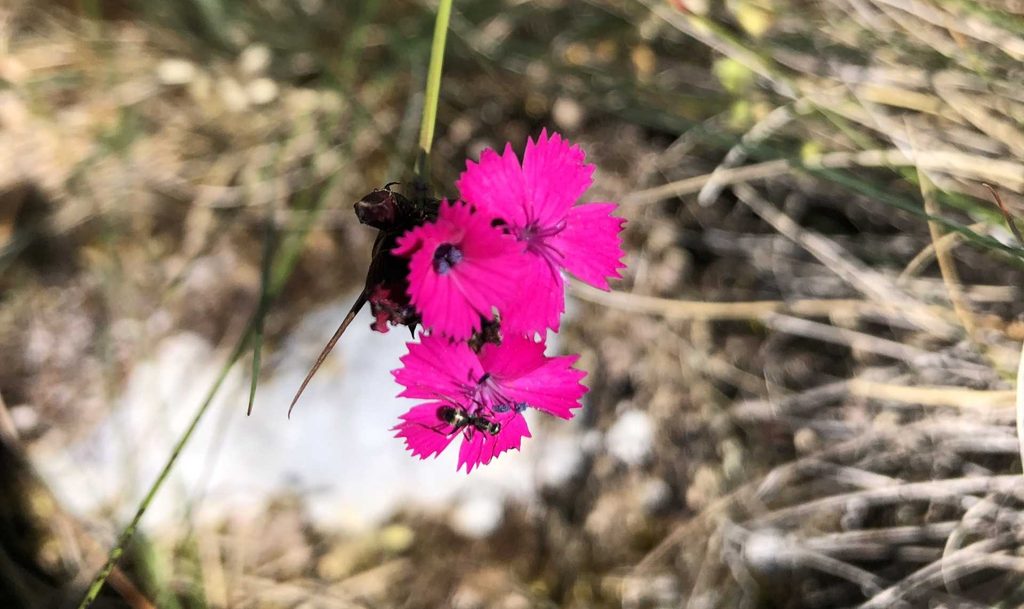
Carthusian Pink , Karanfil (Dianthus carthusianorum)
Is it rare? Common in suitable habitats
Carthusian Pink adds bright colour to dry grasslands and mountain meadows. Its flowers are usually deep pink or purple-pink. When several plants grow together, they can make a meadow look very colourful. The name Dianthus comes from Ancient Greek words connected with the idea of a “divine flower.”
Interesting fact: The genus name Dianthus is often translated as “divine flower” or “flower of the gods.”
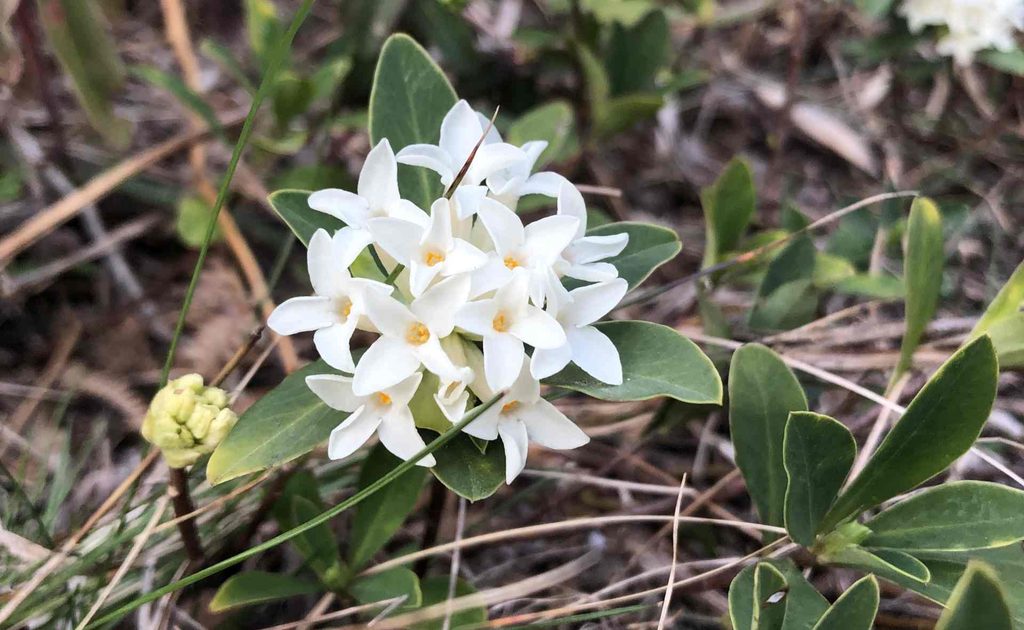
Blagay’s Daphne, Blagajev likovac (Daphne blagayana)
Is it rare? Rare / localized
Blagay’s Daphne is one of the most interesting plants on this list. It is an evergreen plant with small, fragrant flowers. It has a limited distribution in southeastern Europe. In Bosnia and Herzegovina, it can be found in mountain areas, including Čvrsnica and Vran. The plant was named after Count Rihard Blagaj. Because it has a limited range, it is much more interesting to find than common wildflowers.
Interesting fact: Blagay’s Daphne was named after Count Rihard Blagaj, a nobleman connected with the area where the plant was studied.
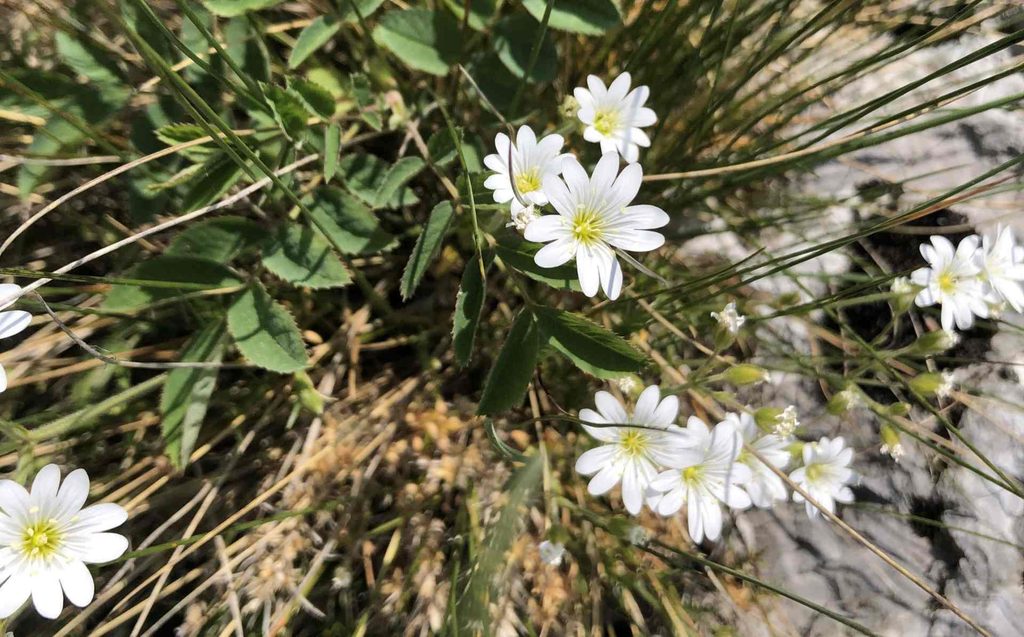
Field Mouse-ear, Poljska mišjakinja (Cerastium arvense)
Is it rare? Common to locally common
Field Mouse-ear is a small white flower that is easy to overlook. It grows in grasslands, rocky areas and other open places. When many plants grow together, they can create small white patches among the grass. The name “mouse-ear” comes from the shape of its small leaves.
Interesting fact: The common name “mouse-ear” is used for several Cerastium species because their small leaves can look like mouse ears.
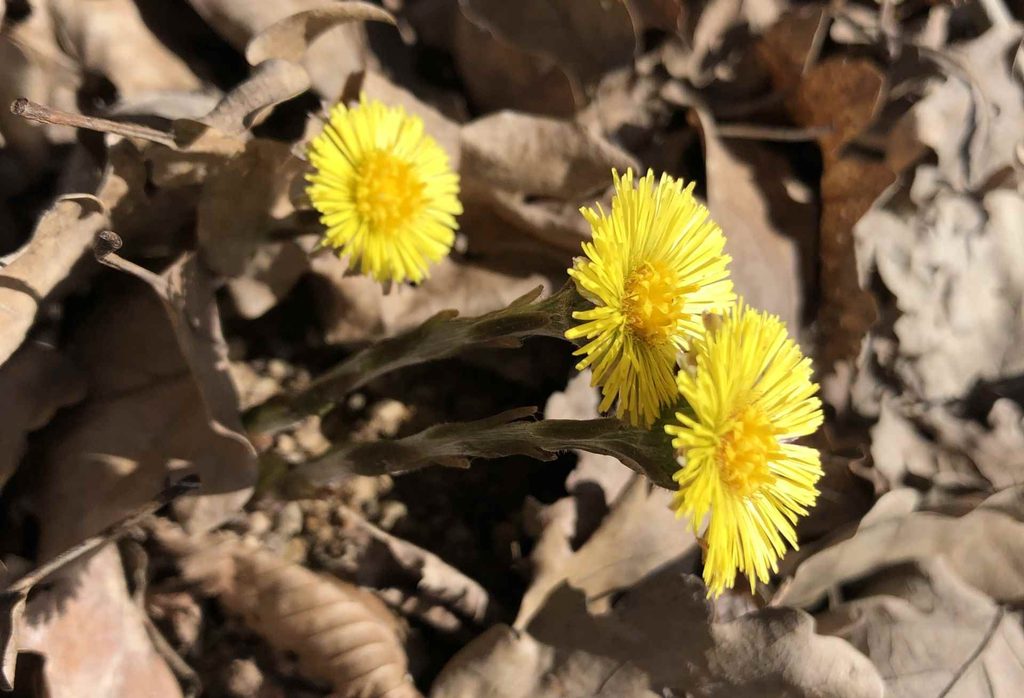
Coltsfoot, Podbjel (Tussilago farfara)
Is it rare? Common
Coltsfoot has an unusual habit Its yellow flowers can appear before its leaves. This means that in early spring you can see yellow flowers while the landscape around them still looks brown and bare. The large green leaves appear later.
Interesting fact: The scientific name Tussilago is connected with the Latin word for cough because the plant has a long history of traditional use for respiratory problems.
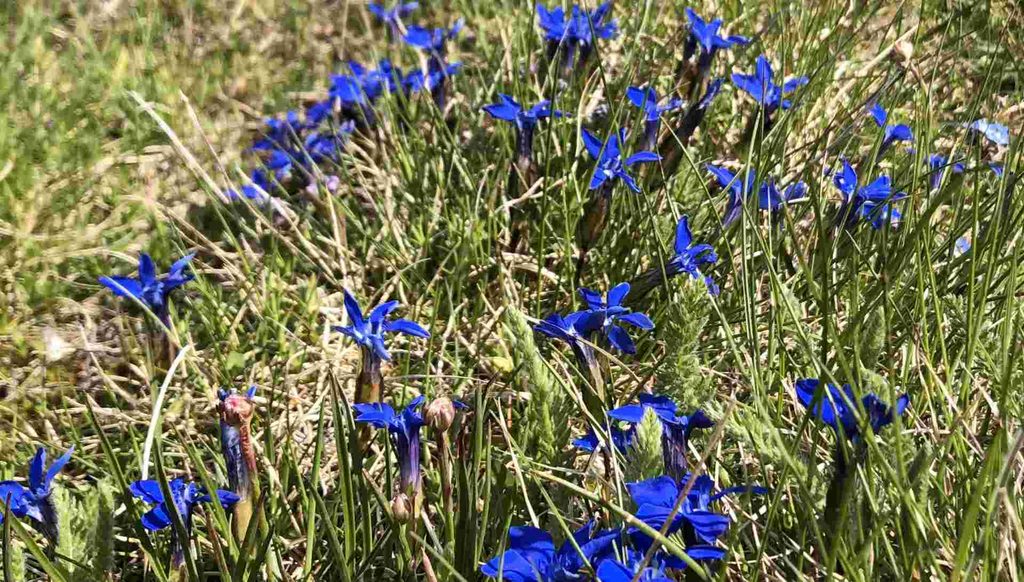
Spring Gentian, Proljetna sirištara (Gentiana verna)
Is it rare? Uncommon / local
Spring Gentian is famous for its very strong blue colour. If you see one in a mountain meadow, it can be hard to miss. It grows in grasslands and mountain areas and is one of the flowers that can make a mountain meadow look almost unreal. Gentians are especially popular among hikers and nature lovers because of their bright blue flowers.
Interesting fact: Spring Gentian is one of the plants known for its unusually intense blue colour, which makes it easy to recognize in a mountain meadow.
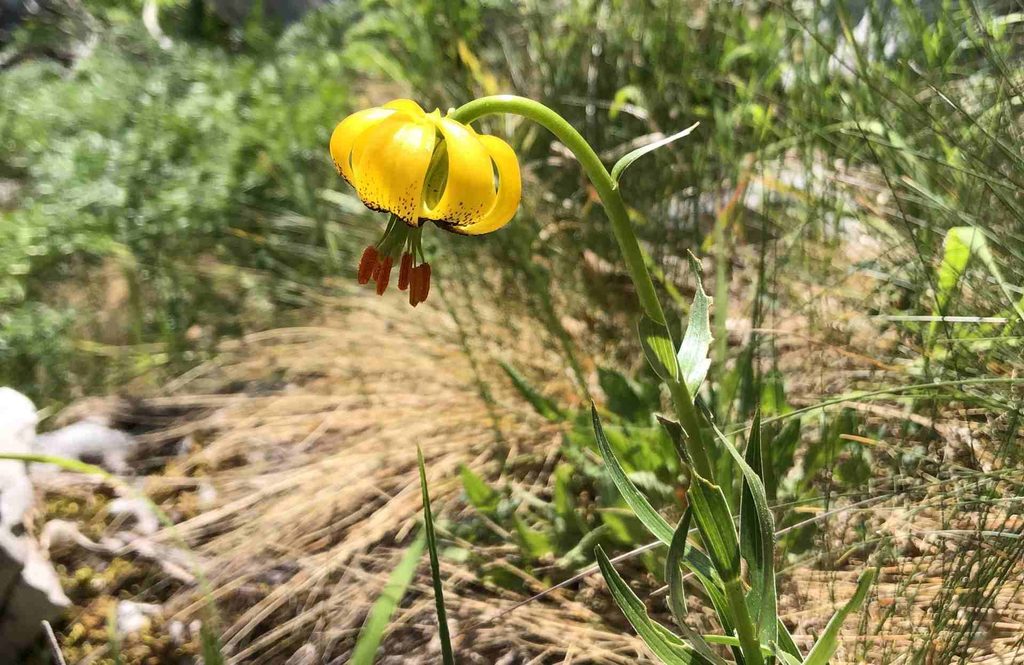
Bosnian Lily, Bosanski ljiljan (Lilium bosniacum)
Is it rare? Rare
This is probably the most special flower on this list. The Bosnian Lily is native to the central Dinaric Alps and has its main distribution in Bosnia and Herzegovina and nearby parts of the Balkans. It grows in mountain meadows, rocky limestone areas and around forest edges. The species has a limited distribution and is considered an endemic and protected plant in Bosnia and Herzegovina. There is also an interesting scientific debate about its classification. Some botanists have considered it part of the Lilium carniolicum group, while others treat it as a separate species.
The Bosnian Lily can grow at different elevations. Researchers have recorded populations from around 850 metres to more than 1,800 metres above sea level. If you find one while hiking, take a photo and leave it where it is. Do not pick it.
Interesting fact: The Bosnian Lily is one of the plants strongly associated with Bosnia and the Dinaric Mountains and has a very limited natural distribution.
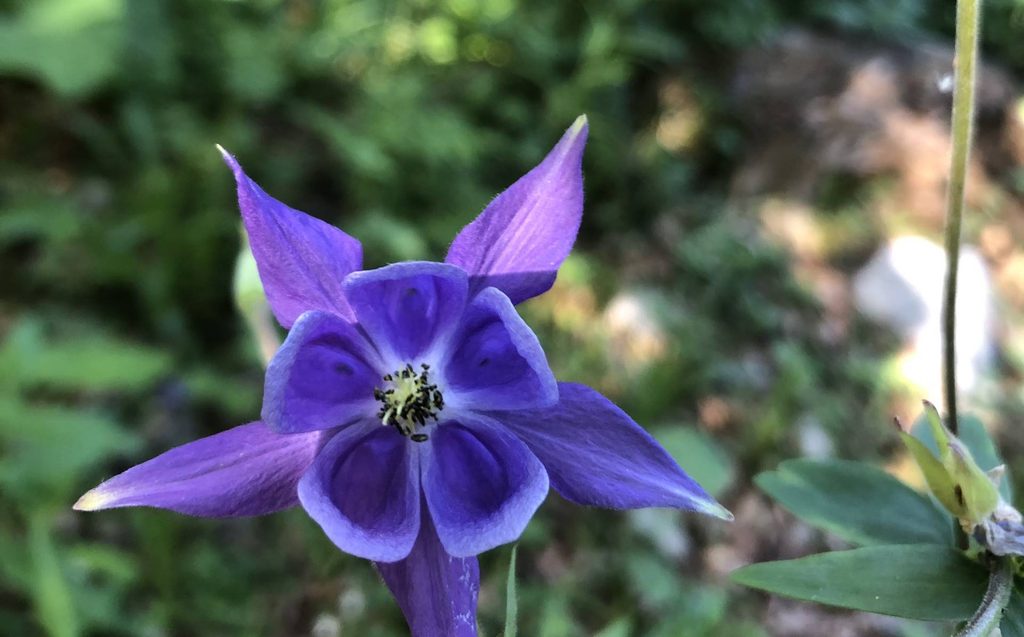
Common Columbine, Orlovi noktić (Aquilegia vulgaris)
Is it rare? Uncommon to locally common
Common Columbine is one of the more unusual-looking flowers in Bosnia. Its flowers have long, curved parts that make them look almost like something from a fantasy movie. The flowers can be blue, violet, pink or white. It grows around forests, rocky areas and meadows. The unusual shape of the flower helps with pollination and attracts insects.
Interesting fact: The long spurs of the flower contain nectar and help attract pollinating insects.
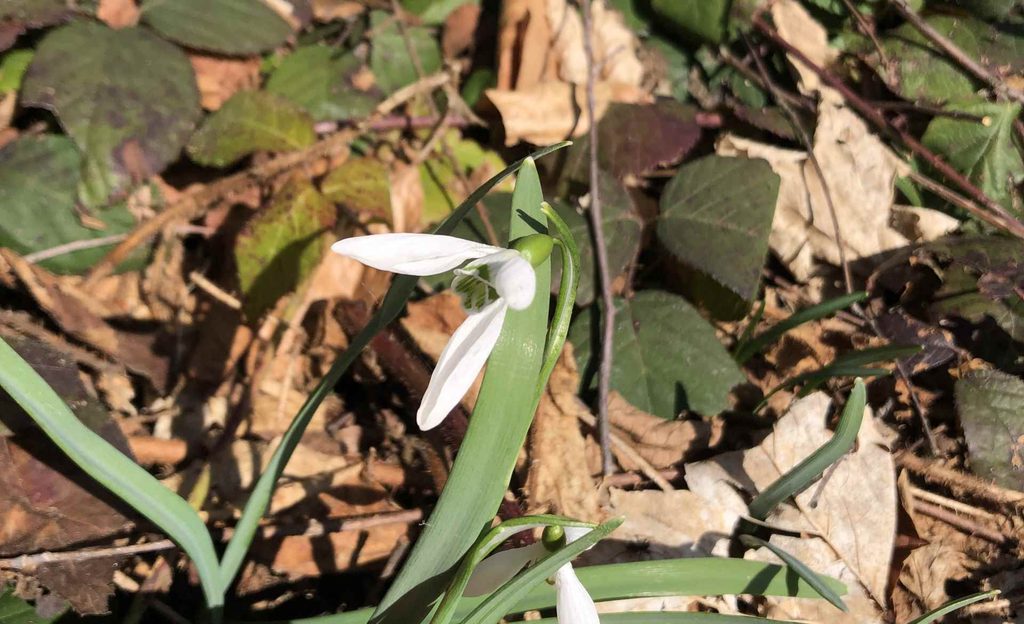
Snowdrop, Visibaba (Galanthus nivalis)
Is it rare? Common
Snowdrops are one of the first signs of spring. Their small white flowers can appear very early in the year, sometimes when there is still snow on the ground. In Bosnia and Herzegovina, you can find them in forests, meadows and mountain areas. The scientific name nivalis means “of the snow.”
Interesting fact: Snowdrops can flower while snow is still on the ground, which is why they have become one of the best-known symbols of early spring.
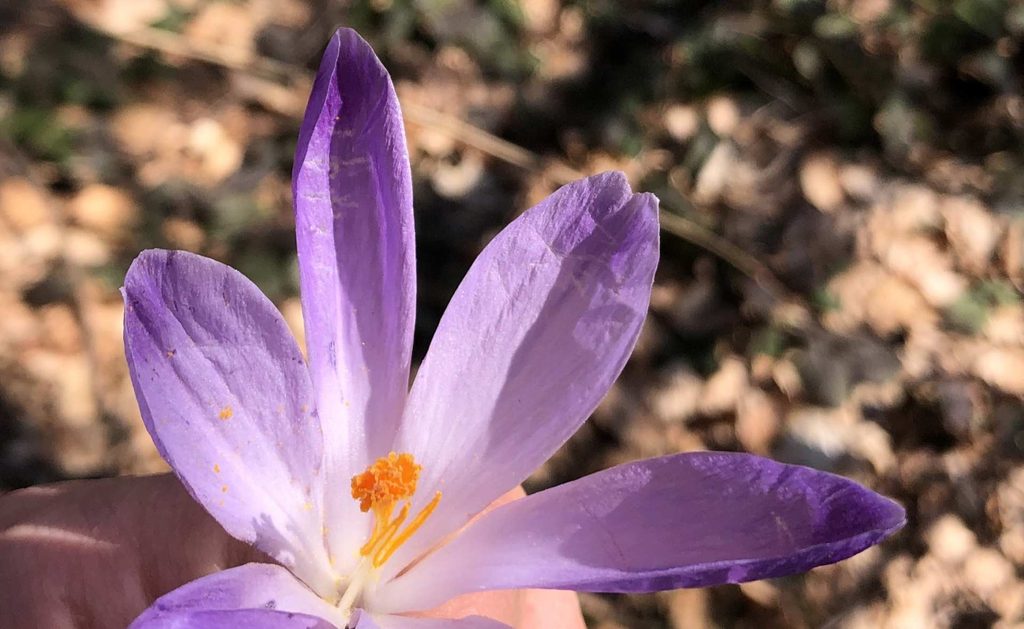
Spring Crocus, Proljetni šafran (Crocus vernus)
Is it rare? Common to local
Spring Crocus is another flower that brings colour back to the landscape after winter. Its purple flowers appear in spring and can sometimes grow in groups in meadows and mountain areas. Crocuses are famous because saffron comes from another species, Crocus sativus. Spring Crocus itself is not the plant used to produce saffron.
Interesting fact: It takes thousands of dried flower stigmas from Crocus sativus to produce a small amount of saffron, but Spring Crocus is a different species.
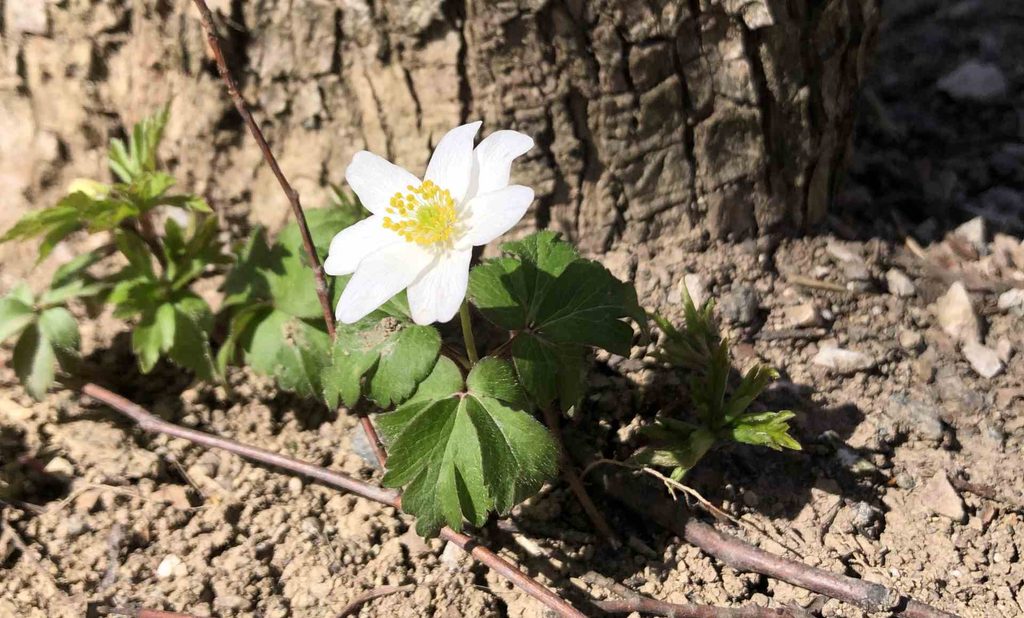
Wood Anemone, Šumarica (Anemonoides nemorosa)
Is it rare? Common
Wood Anemone is a small white flower that can sometimes cover large parts of a forest floor. It flowers early in spring, before the trees develop their full leaves. This gives it enough sunlight to grow and flower before the forest becomes darker. For a few weeks, a forest floor can become almost completely covered with white flowers.
Interesting fact: Wood Anemone takes advantage of the short period of sunlight available on the forest floor before the trees grow their leaves.
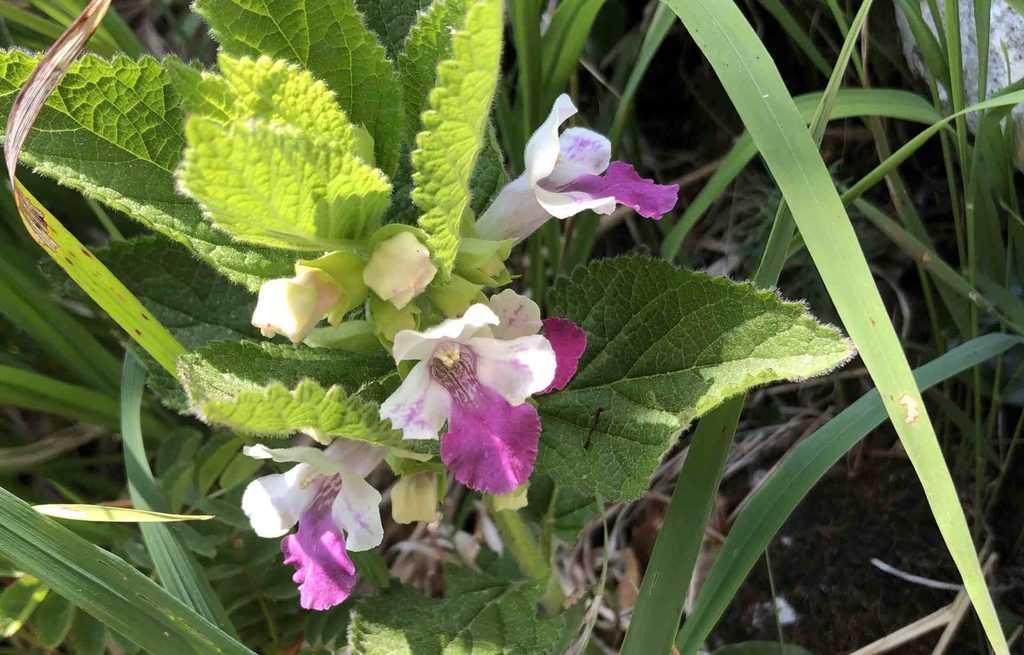
Bastard Balm, Melitisa (Melittis melissophyllum)
Is it rare? Uncommon
Bastard Balm is a member of the mint family. Its flowers can be pink, white or slightly purple. It usually grows around forests and forest edges. Its scientific name is connected with bees. The genus name Melittis comes from a Greek word for bee.
Interesting fact: Its flowers are attractive to bees and other pollinating insects, which is reflected in its scientific name.
Bitter Cress, Gorka režuha (Cardamine amara)
Is it rare? Common in wet habitats
Bitter Cress likes places with plenty of water. You can find it around streams, springs, wet forests and damp mountain areas. It has small white flowers and, as its name suggests, the plant has a bitter taste. This is another reason why streams and springs can be interesting places for hikers who like looking for plants.
Interesting fact: Its leaves have a sharp, bitter taste because they contain mustard-oil compounds.