his is my complete travel guide to Bosnia and Herzegovina, including how to get to Bosnia, transportation and infrastructure, cities, lakes, rivers, mountains, nature, and some of my personal stories and impressions. This guide is based on my first-hand experience after visiting tens of cities, lakes and rivers, hiking in the mountains, and using different forms of public transportation around the country.
I believe this article can be useful by itself, but I have also added links to my other articles throughout the guide. If something interests you, you can follow the links and read more about that particular place or experience.
Briefly About Bosnia and Herzegovina
Bosnia and Herzegovina is a small country in the Balkans, in southeastern Europe. It covers about 51,200 km² and has a population of around 3 million people. The country is best known internationally for Sarajevo, Mostar, its mountains, rivers, lakes and beautiful nature. In recent years, Bosnia and Herzegovina has been becoming a more popular tourist destination.
Bosnia is relatively easy to reach from other parts of Europe. There are many international buses, especially because of the large Bosnian diaspora, as well as flights to several airports in the country. If you are travelling to Bosnia and Herzegovina, this guide is for you. After visiting almost all parts of the country, I want to share the things I think you should know before coming here.
Bosnia can sometimes feel like an old-school European country. Cash is still very important, especially outside the biggest cities. Many small cafes, restaurants and shops do not accept cards. Larger shops, hotels and more modern restaurants usually do. You also will not find every major international brand here. For example, there are no McDonald’s, Starbucks or Decathlon stores in Bosnia and Herzegovina.
Currency and Paying
The official currency of Bosnia and Herzegovina is the convertible mark (BAM or KM). The currency is fixed to the euro, with €1 = 1.95583 BAM. Credit cards are accepted in many larger shops, hotels, supermarkets and more modern restaurants. However, smaller markets, cafes and some local restaurants may accept cash only.
I recommend always having some BAM with you when travelling around the country. Cash is especially useful when using taxis, visiting smaller towns, buying things from small shops, or travelling to more remote areas.
Euros are sometimes accepted, especially in Mostar and parts of Herzegovina, but I would not rely on this. You may also receive a worse exchange rate when paying directly in euros. There are many exchange offices in Bosnian cities, and some offer very good exchange rates with little or no commission.
How to Get to Bosnia and Herzegovina
Because of the large Bosnian diaspora, there are many international buses connecting Bosnia with cities in Germany, Austria, Switzerland, Croatia, Slovenia and other European countrie because of the large Bosnian diaspora mostly.
There is no international passenger train connections (only summer train Sarajevo to Ploce in Croatia), so buses are usually a much easier option if you are travelling overland. If you are travelling by plane, the main airports are Sarajevo, Tuzla, Banja Luka and Mostar.
Sarajevo Airport is relatively close to the city, which makes it convenient for travellers staying in Sarajevo. The other airports are further from their respective city centres, so you should check transportation options before booking your flight. Low-cost airlines such as Ryanair, Wizz Air and Pegasus also operate routes to Bosnia, although the available destinations can change depending on the season.Because of the large Bosnian diaspora, there are many international buses connecting Bosnia with cities in Germany, Austria, Switzerland, Croatia, Slovenia and other European countries.
When Is the Best Time to Visit Bosnia?
Bosnia can be interesting throughout the year. Summer is probably the easiest season for exploring the country, especially if you want to visit lakes, rivers and mountains. Summers can be very hot, particularly in Herzegovina, but the country has many rivers and lakes where you can cool down. Winter is a completely different experience. The mountains can have plenty of snow, and Bosnia has several ski resorts. Spring and autumn can also be excellent if you want to hike without the strongest summer heat.
Moving Around Bosnia and Herzegovina
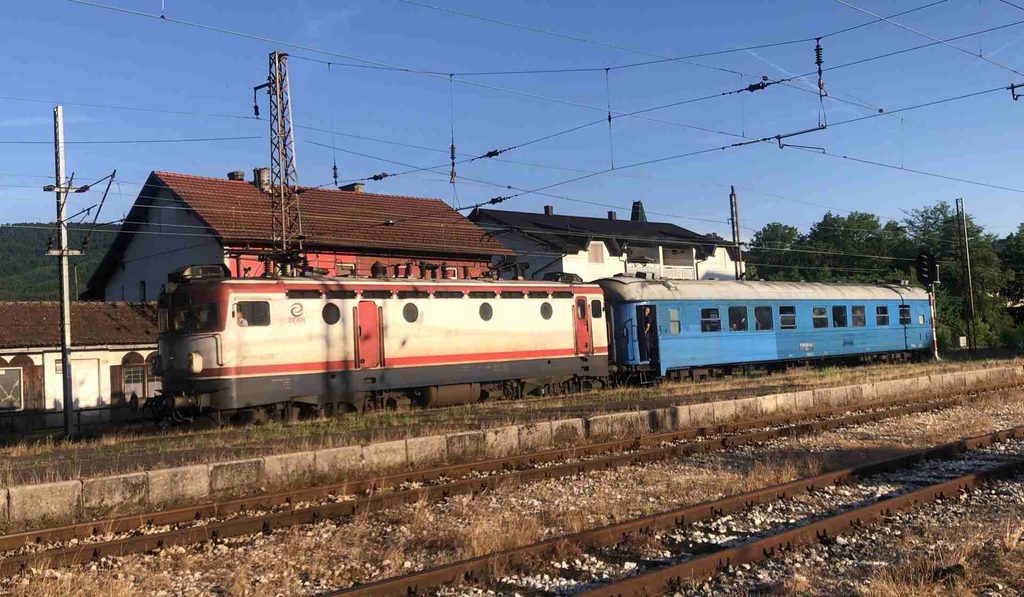
For travelling between cities, buses are usually the most useful form of public transportation.The railway network is more limited and mainly useful for certain routes in central and southern Bosnia. Sarajevo is connected by train with cities such as Zenica and Mostar.
If you want to visit smaller towns, you will probably need to use buses. One advantage is that there are bus connections from Sarajevo to many parts of the country. Inside the cities, transportation depends a lot on the size of the city. In smaller towns, taxis can be useful, while larger cities have public transportation.
Sarajevo is the only city in Bosnia and Herzegovina with a tram system. One of my favorite train experiences in Bosnia was travelling between Sarajevo and Mostar. The railway follows the Neretva valley and passes through mountains, tunnels and bridges. I wrote a full guide about my Sarajevo to Mostar train journey if you want to see what the trip is like.
I also had the chance to travel on one of the oldest trains still operating in Europe, a Swedish-built train operating on the Sarajevo–Zenica–Maglaj route. I wrote a separate article about this unusual train experience as well.
There is currently no Uber or Bolt operating widely in Bosnia and Herzegovina. Taxis are available in most cities and can be useful, but I recommend asking about the approximate price before starting the ride. Most taxi drivers are normal and honest, but tourists should still be careful about possible overcharging, especially in busy tourist areas and airports.
Roads and Driving
The road infrastructure in Bosnia and Herzegovina is not as developed as in many Western European countries.There are highways connecting some major cities, but a large part of the country still relies on main roads such as the M17 and M18.
Driving can also be stressful. Some local drivers drive fast or overtake in places where you may not expect it, so visitors should be careful, especially on mountain roads.Bosnia is a mountainous country, so many roads are winding and pass through valleys and mountain areas.
Cities in Bosnia
Bosnia and Herzegovina has around 3 million inhabitants, so you should not expect huge European metropolises. Instead, the country has many smaller cities and towns. Some are worth spending several days in, while others are interesting because of their location close to mountains, rivers, lakes or other natural attractions.
Sarajevo
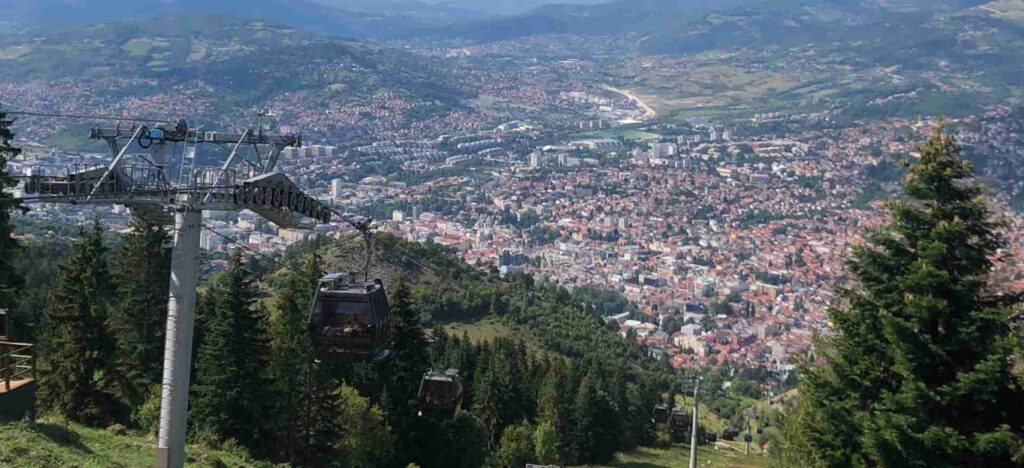
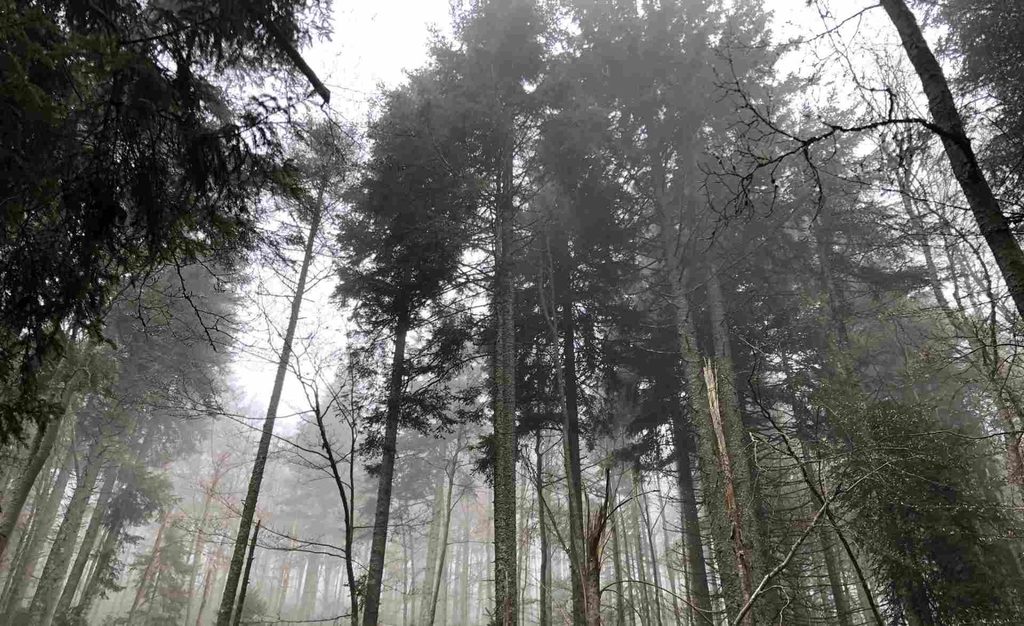
Sarajevo is the capital and largest city of Bosnia and Herzegovina. It is one of the most interesting cities in the country because of its history, architecture, mountains, food and mixture of cultures. Sarajevo is also the main transportation centre for many travellers arriving in Bosnia. One of my favorite things about Sarajevo is that you can go from the city centre to the mountains very quickly. During winter, Sarajevo can sometimes be very foggy. When that happens, many locals go towards Trebević, the mountain directly above the city. Other popular routes for trekking or waling inside Sarajevo itself, there is nice trek place to Goat Bridge, Vils, Vrelo Bosne, or just walking to explore bridges in Sarajevo. There is my article Sarajevo Hiking, Trekking and Walking Routes.
Mostar
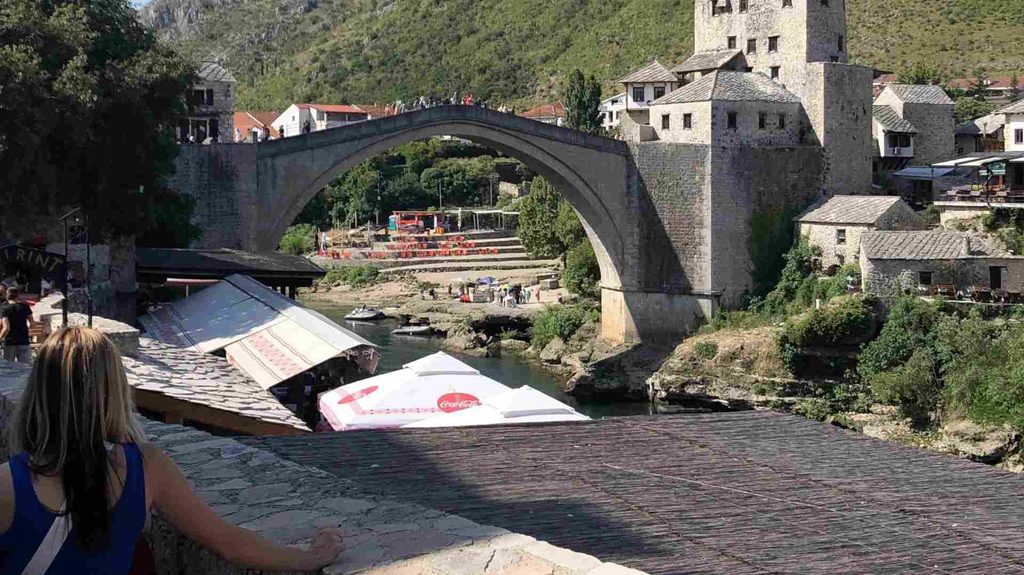
Mostar is one of the most famous cities in Bosnia and Herzegovina and the largest city in the Herzegovina region. It feels very different from many cities in central Bosnia. The climate is warmer and more Mediterranean, and you can see palms, olive trees and other plants that would look unusual in Sarajevo or central Bosnia. Mostar is famous for the Old Bridge, the Neretva River and its historic old town, but there is much more to see around the city. It is definitely one of the places I recommend visiting when travelling through Bosnia and Herzegovina.
Other Cities
I have visited many other cities and towns around Bosnia and Herzegovina, from larger cities to much smaller places that are rarely mentioned in international travel guides. Some are destinations by themselves, while others are worth visiting because they are on the way to a lake, river, mountain or another natural attraction.
I wrote a separate article about the cities in Bosnia and Herzegovina that I have visited, where you can see more of my personal experiences.
Lakes I Visited in Bosnia and Herzegovina
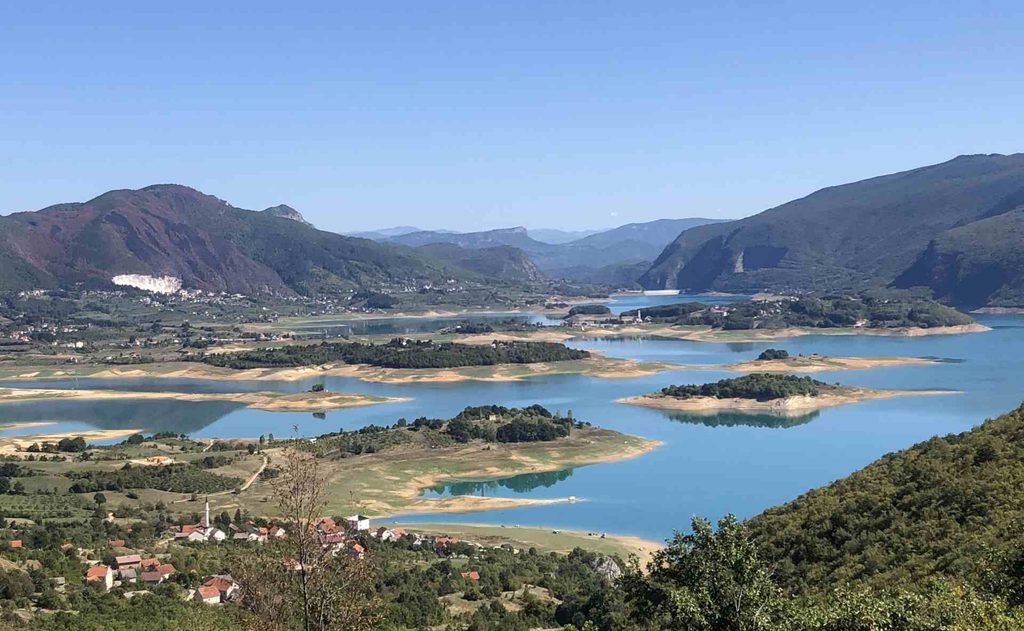
One of my favorite things about Bosnia and Herzegovina is its lakes. There are many lakes around the country, including both natural and artificial lakes. They are very different from each other in size, shape, depth and surroundings.
Some are surrounded by mountains, some are hidden in valleys, and others are excellent places for swimming or camping. I have visited many of them myself, and some really feel like they could be somewhere much farther away from Europe. If you are interested in camping, swimming or simply exploring the countryside, check out my guide to my favorite lakes in Bosnia for camping, swimming and exploring.
Rivers I Visited in Bosnia and Herzegovina
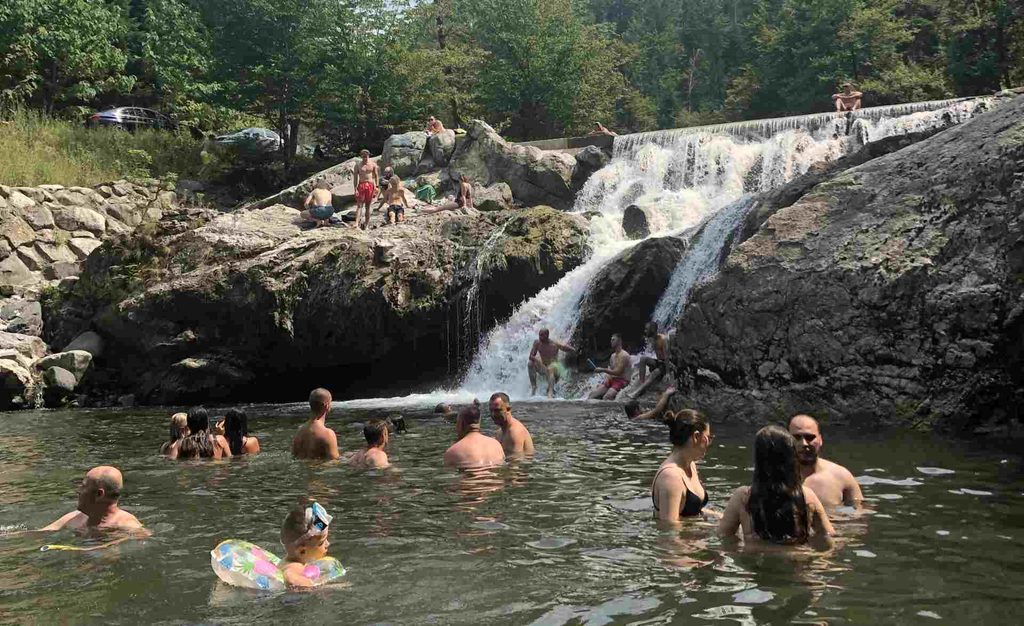
Rivers are another major part of Bosnia and Herzegovina’s landscape. The country has many mountains, which naturally means there are many rivers, streams and waterfalls. Some rivers eventually flow towards the Black Sea, while others flow towards the Adriatic Sea. This creates an interesting geographical divide across the country. I have visited many Bosnian rivers, and some of my favorites are the Neretva, Drina and Una. I also did Rafting on River Neretva near Konjic.
The Neretva is especially impressive around Mostar and the mountains of Herzegovina, while the Drina offers completely different landscapes in eastern Bosnia. If you enjoy rivers and waterfalls, Bosnia is a very good country to explore.
Hikings I Did in Bosnia and Herzegovina
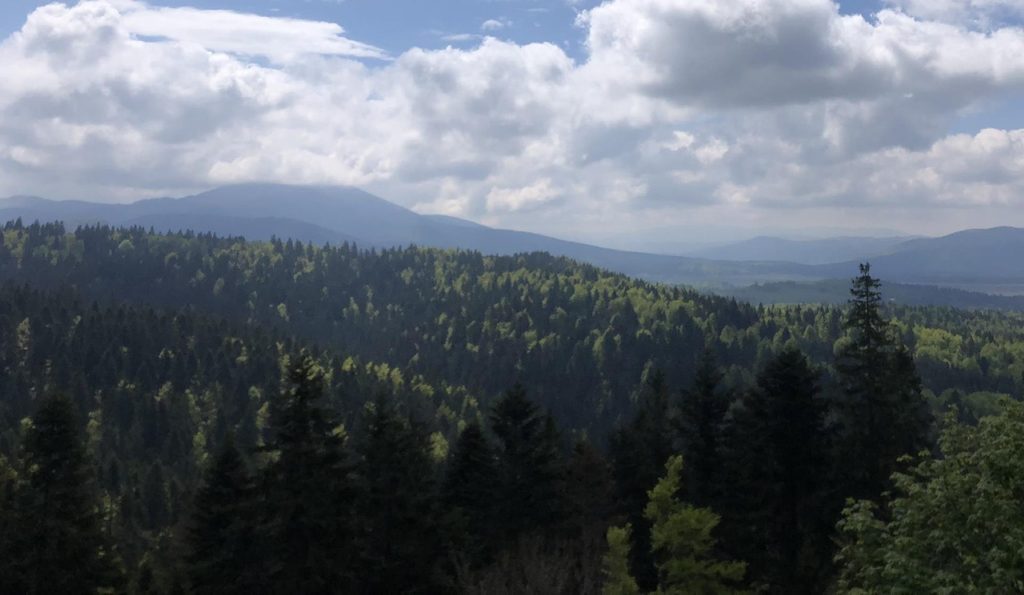
I went on numerous hiking trips, mostly in the vicinity of Sarajevo. For almost all of them, I used public transport exclusively. Bosnia and Herzegovina is a very popular hiking destination, and its inhabitants spend a lot of time in the mountains. You will notice this by the numerous hiking trails, mountain lodges along the way and the like. There is list of some of my hikings in Sarajevo area I did:
Hiking to Trebević and Trebević Peak, Hiking to Igman and Bjelašnica Peak, Hiking to Visočica Peak, Hiking to Waterfall Skakavac.
Topics to Avoid When Travelling in Bosnia
There is one important cultural rule I recommend keeping in mind when travelling around Bosnia and Herzegovina. Be careful when starting conversations about the 1992–1995 war, politics, religion and ethnicity. The war is still relatively recent, and many people in Bosnia have personal or family experiences connected to it. The scars of the war can also still be seen in many cities and villages.
This does not mean you can never talk about history. It simply means that you should not assume that everyone has the same opinion or experience. As a visitor, it is usually better to listen first and avoid turning sensitive subjects into arguments.
Why Bosnia Is One of the Most Unique Countries in Europe
One of the best ways to understand Bosnia’s diversity is to take the train from Sarajevo to Mostar. In just one journey, you can see mountains, rivers, valleys, tunnels, bridges and completely different landscapes. Bosnia is also culturally diverse. You can see different religious traditions, different architectural styles and both Latin and Cyrillic writing.
The vegetation also changes considerably as you travel from central Bosnia towards Herzegovina. This is one of the reasons I find Bosnia so interesting. It is a relatively small country, but the landscapes and atmosphere can change very quickly. There is also something to do in every season, from skiing and winter activities to hiking, swimming, camping and exploring nature like wildflowers..
I also wrote about some of the unusual and unexpected things I found while travelling around Bosnia and Herzegovina, which gives another idea of why the country can be interesting for curious travellers.
How to Stay Safe Outdoors
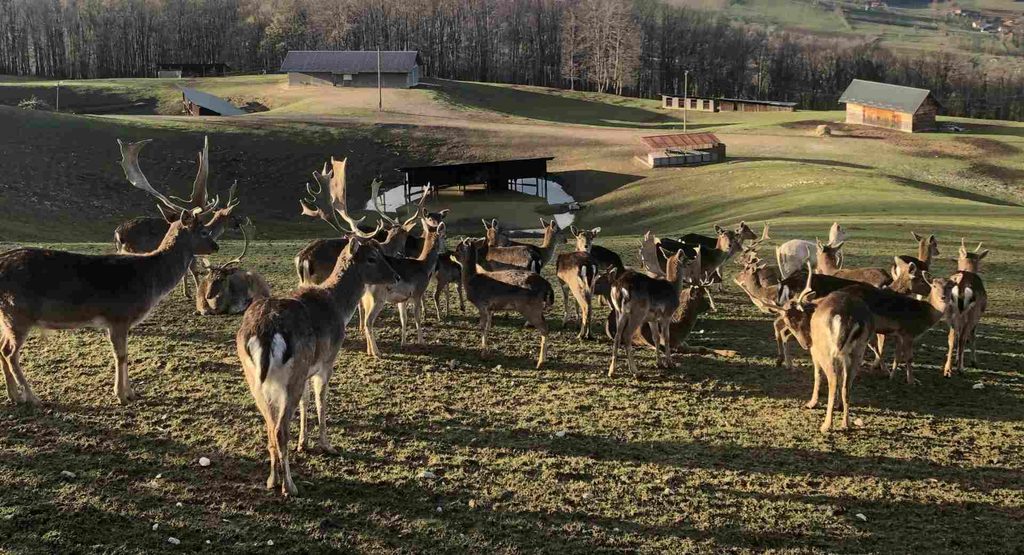
If you plan to explore the Bosnian countryside, forests or mountains, you should take outdoor safety seriously. One of the most important things to know is the landmine risk in some parts of Bosnia and Herzegovina. Never leave marked or known safe paths simply to explore an unknown area. Before hiking, check your route and use reliable maps or GPX tracks when possible.
Mobile phone coverage can also disappear in remote mountains and valleys, so do not depend completely on your phone. I have written a separate article about landmines in Bosnia and Herzegovina, including information about where the risks are and what travellers should know. I also had my own experience getting into an area that was not clearly marked, which made me realize how important it is to take this seriously. If you are planning to hike in Bosnia, always research the route before leaving.
Bosnian Cafe Culture
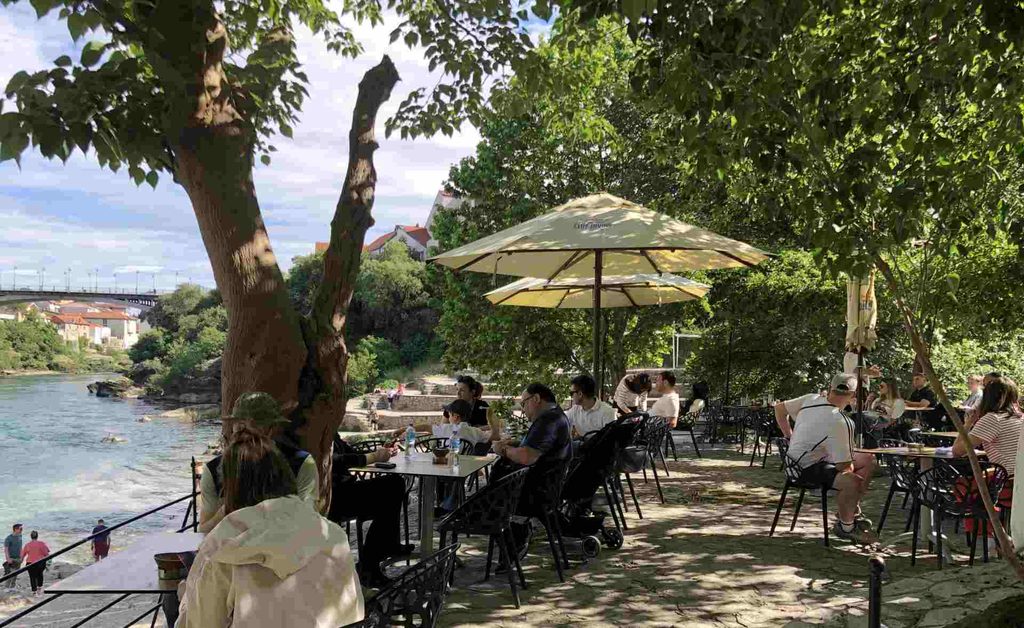
Bosnia has a very strong coffee culture. People can spend hours sitting with friends or family and drinking coffee. It is not unusual for someone to invite you for coffee simply because they want to spend time with you. At home, one of the most traditional drinks is Bosnian coffee. It is very similar to Turkish coffee and is usually prepared in a small džezva.
In cafes, Italian-style espresso and other types of coffee are also very common. In the old parts of cities such as Sarajevo, Mostar and Travnik, you can find cafes serving traditional Bosnian coffee, often together with a small pot and a cup. For me, this cafe culture is one of the small things that makes travelling around Bosnia different from travelling in some other European countries.
Imporant Emergency Numbers
122 – Police
123 – Firefighters
124 – Ambulance
121 – Civil Protection