During my travels through Bosnia and Herzegovina, I came across many interesting and unexpected things. They were not the usual tourist attractions you find in travel guides. Some were unusual natural formations, some were connected to local stories and legends, while others were simply random things I discovered while driving or hiking around the country.
If you are researching Bosnia and Herzegovina or planning a trip here, you have probably already heard about the Old Bridge in Mostar, Sarajevo, Mostar, the waterfalls, mountains and other famous attractions. But Bosnia has another side that is much harder to find in regular travel guides. These are some of the unusual things I discovered during my travels.
The Abandoned Dam Near Konjic
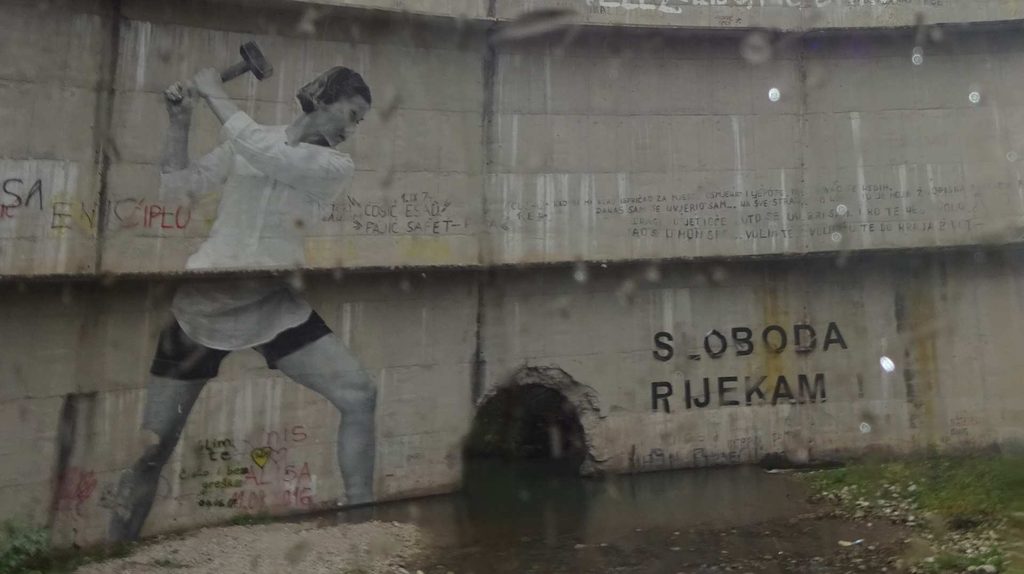
One of the strangest structures I came across was a large concrete dam hidden in the mountains near Konjic. The story behind the dam is even more interesting than its appearance. It was part of an old engineering project, but problems connected with the local terrain and water behaviour meant that the original plans did not work as expected. The structure was eventually abandoned.
Today, the concrete structure stands surrounded by mountains and forests, looking almost completely out of place. What makes it even more interesting is the graffiti covering parts of the dam. It is one of those places where you suddenly stop and wonder why such a large concrete structure was built in the middle of such a remote landscape.
A Deer Farm Near Brčko
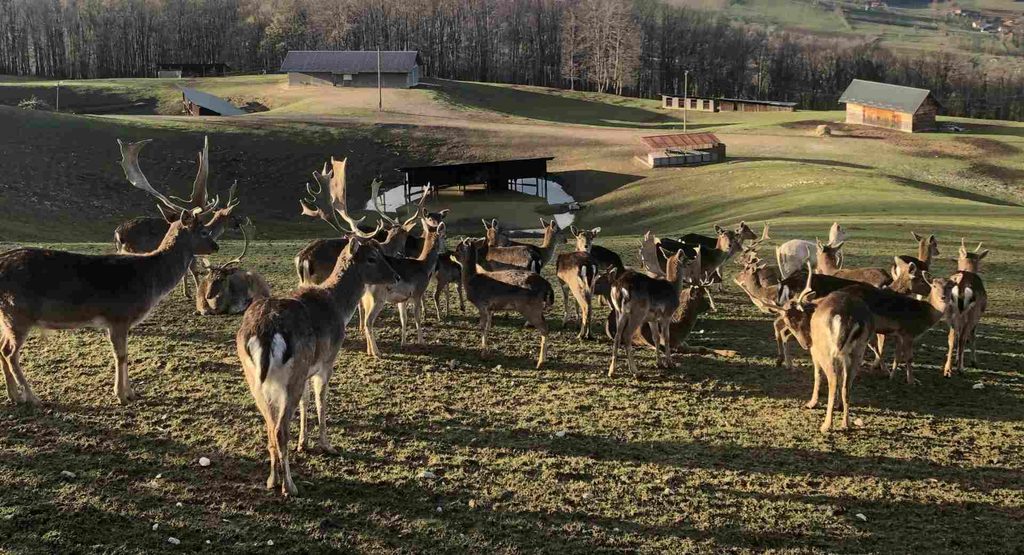
While traveling near Brčko, I came across something I did not expect to see: a large group of very friendly fallow deer. The animals were kept on a mountain property and were being used for purposes connected with hunting grounds and zoological collections. I was surprised by how many deer there were and how comfortable they seemed around people.
It was completely random. I was simply passing through the area when I noticed them, so I stopped to take some photographs. For me, this was exactly the kind of experience that makes traveling interesting. It was not something I had planned to see or searched for in advance.
Usađeni Kamen, The “Meteor” of Kupres
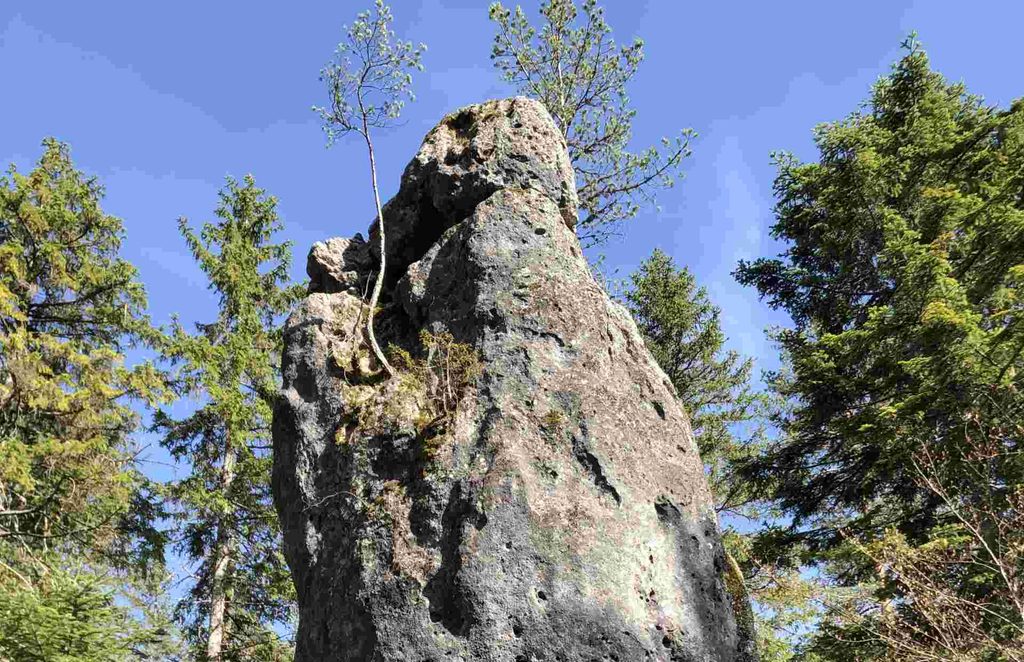
Near Kupres, I found a huge isolated rock known locally as Usađeni Kamen or “Embedded Stone”. The rock is around 10 metres high and stands out because there are no similar large rocks immediately around it. Local people sometimes call it the “Kupres meteor” and tell the story that it fell from the sky. However, there is no evidence that it is actually a meteorite. The origin and geological history of the unusual rock are much more interesting than simply calling it a meteor.
The strange shape of the stone, including a hollow near its top where trees grow, makes it look almost artificial. It is one of those natural objects that makes you stop and ask: how did this get here?
Medieval Stećci Almost Everywhere
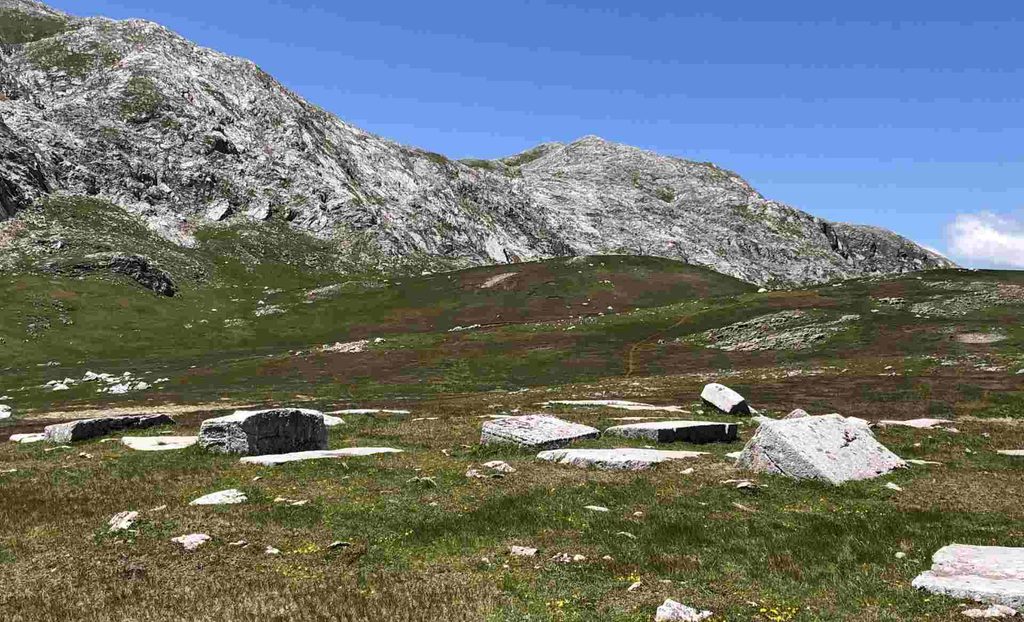
One thing that surprised me while traveling through parts of Bosnia and Herzegovina was how often I came across medieval stećci. Stećci are distinctive medieval tombstones found across Bosnia and Herzegovina and neighbouring parts of the Balkans. Some are famous and carefully protected, while others can be found in much more remote places, sometimes with little or no obvious tourist infrastructure around them.
In parts of Herzegovina and western Bosnia, I encountered them in places where I was not expecting to see any historical monument at all. Interestingly, on one trip I was actually looking for wild horses and ended up finding what felt like “wild stećci” instead. That is one of the unusual things about traveling through Bosnia: history can appear in the middle of a field, forest or mountain landscape without warning.
A Venomous Snake in the Mountains
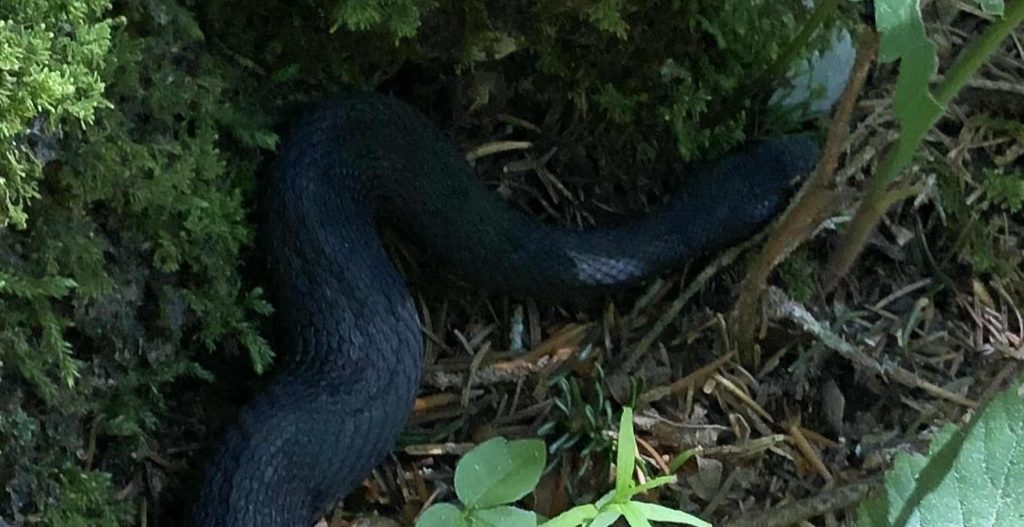
During one of my hikes, I also encountered a venomous snake. Bosnia and Herzegovina is home to several species of vipers, and seeing one in the wild was a memorable experience. Locals told me that they rarely see snakes like this, even though some of them have spent their entire lives walking through the surrounding forests. The limestone mountains and karst landscapes of Bosnia provide excellent habitats for many reptiles. I would not recommend approaching or disturbing any snake you encounter while hiking. If you see one, the safest option is to keep your distance and let it move away.
Vrtače, Holes in the Karst Landscape
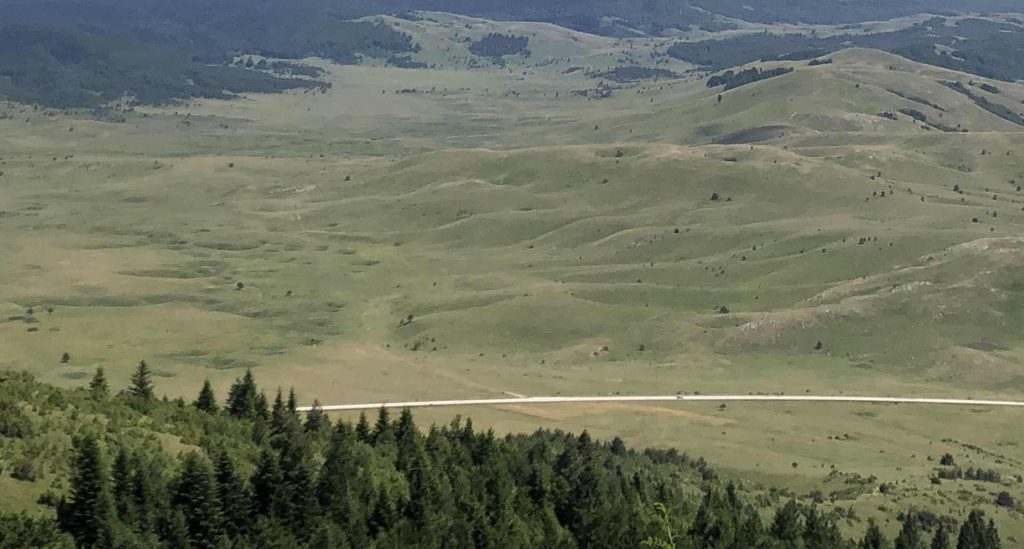
Another unusual natural phenomenon I noticed in Bosnia is the vrtača, a karst depression or sinkhole. They can look like strange holes or depressions in otherwise open landscapes. They are formed by the interaction between water, soluble rock and the underground karst system. Over long periods, parts of the ground can collapse or slowly sink, creating these distinctive formations. They can be seen in several parts of Bosnia, including the Nišići Plateau, Kupres and areas around Bosanski Petrovac.
The interesting thing is that they are not always dramatic enough to appear in tourist guides. Sometimes you simply drive through a large karst field and suddenly notice one depression after another.
“Muška Voda Spring” – Water for Male Sexual Energy
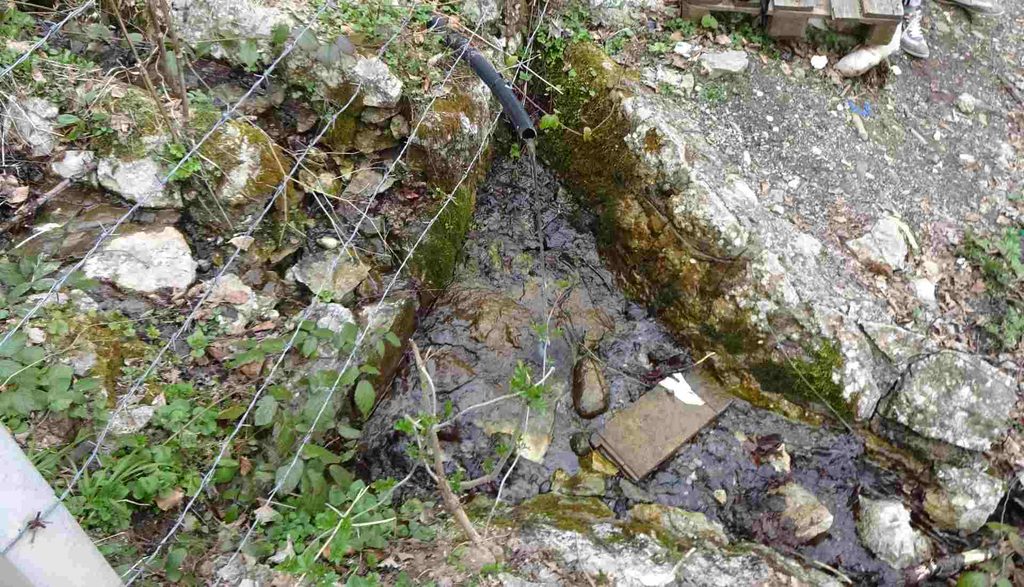
One of the strangest local stories I encountered was connected with Muška voda, or “Male Water”, near Kladanj.
According to local tradition, the spring was believed to restore or increase male sexual energy. This gave the water a reputation that was very different from ordinary mineral springs. There are also stories that the water was once bottled and exported abroad, including to the United States. Whether you believe the traditional claims or not, the story itself is fascinating. It shows how springs and natural water sources in Bosnia have often acquired their own legends and cultural significance.
Guber Water – The Famous Mineral Springs of Srebrenica
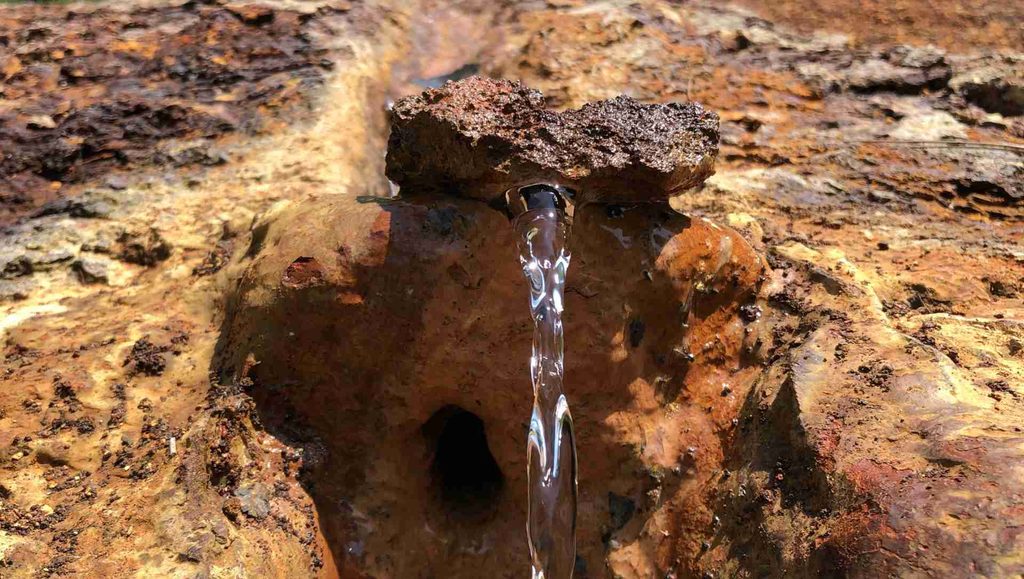
Near Srebrenica, I found another unusual type of water: the famous Guber mineral springs. The water contains very high concentrations of iron and other minerals, and the springs have been used for health-related purposes for centuries. Guber became particularly famous for its historical use in treating iron-deficiency and hypochromic anaemia. The mineral content is so strong that some of the water leaves distinctive orange and reddish deposits on surfaces.
There are numerous springs in the Guber area, each with different chemical characteristics. Scientific research has confirmed very high concentrations of iron and sulphates in some of them. This is not ordinary drinking water, and it should not be consumed casually. Some Guber springs have very low pH and extremely high mineral concentrations, so any medicinal use should be based on professional medical advice.
A Mysterious Concrete Structure on Mount Igman
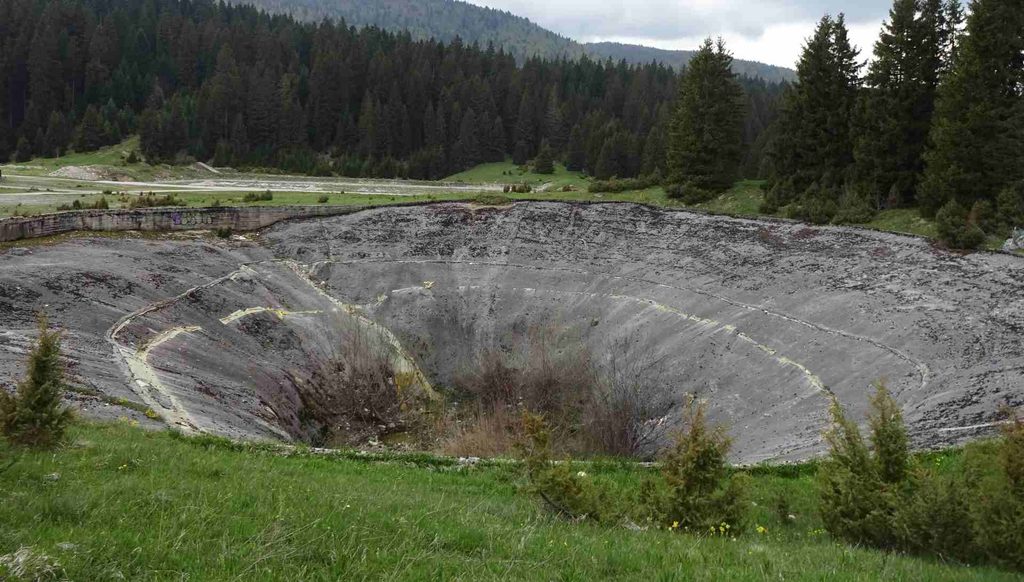
On Mount Igman, I came across another strange structure: a large concrete opening in the mountains. I could not establish exactly what it was built for. I heard different explanations from people familiar with the area. Some told me it had something to do with testing bombs, while others said it had been built as a water reservoir. Today, its original purpose is not obvious.
Igman has a complicated history, and there are many remnants of old infrastructure hidden in its forests.
One of Europe’s Hottest Cities and One of Its Coldest Rivers
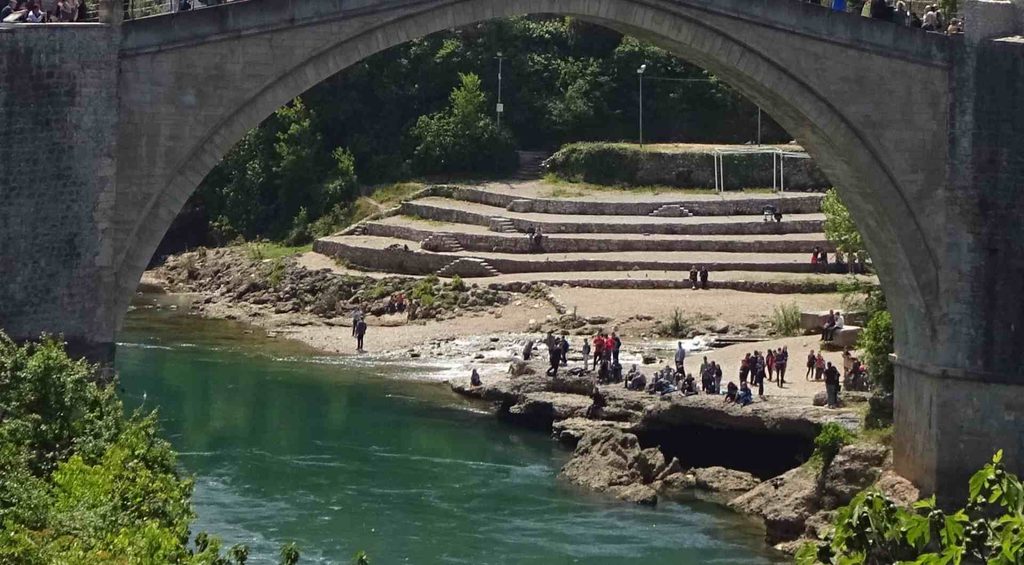
Perhaps my favourite natural contrast in Bosnia is found around Mostar. Mostar is famous for its extremely hot summers. Temperatures above 40°C are possible, and the city has recorded temperatures above 46°C. But running directly through the city is the Neretva River, whose water remains surprisingly cold.
The contrast can be incredible. You can stand in the middle of Mostar on a hot summer day with the stone and concrete around you baking in the sun, while the green Neretva below remains mountain-cold. The upper Neretva is particularly cold, with summer water temperatures that can be around 7–8°C in some sections. For me, this is one of the best examples of the contrasts you can experience in Bosnia: hot Mediterranean-like summers, freezing mountain rivers, limestone mountains, deep valleys and karst landscapes can all exist within a relatively small area.
And this is perhaps what I like most about traveling through Bosnia and Herzegovina. You do not always have to search for a famous attraction. Sometimes the most interesting things are the ones you find completely by accident.