Vrelo Bosne (Spring of the River Bosna) and Velika Aleja (Great Alley) are two iconic places in Sarajevo and they are totally worth visiting. They are located in Ilidža, on the western side of Sarajevo, and they are easy to reach by public transportation. I wrote this article to help you find your way there, share some pictures and stories from my visit, and also share my GPX route if you want to follow the same way.
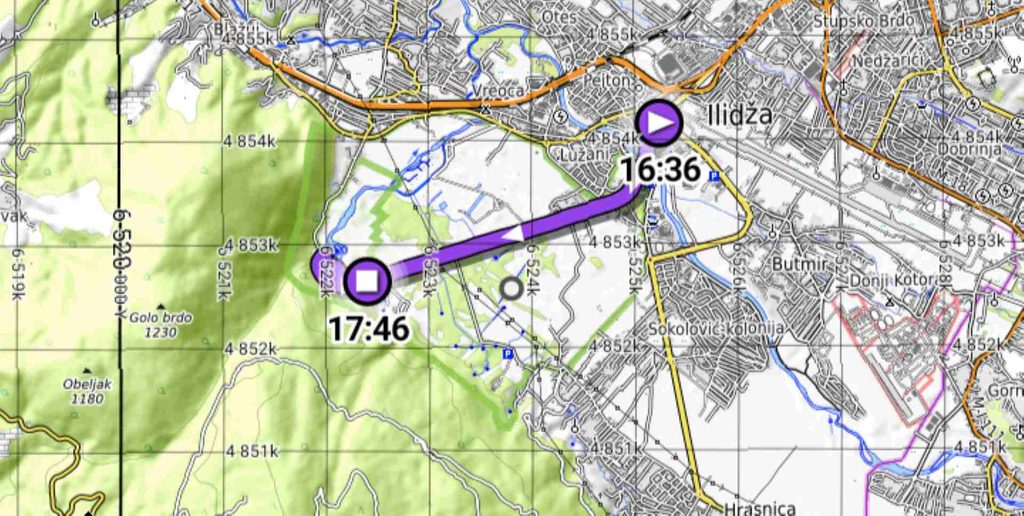
My GPX route starts at Ilidža Terminal tram station and goes through Mala Aleja, the old hotel area and Velika Aleja, and then continues to Vrelo Bosne. You can use my GPX route as an orientation while walking to Vrelo Bosne.
I think this is a nice way to visit Vrelo Bosne because you do not only see the spring. You can also see some of Ilidža on the way and walk through the famous Great Alley.
How to go there by public transportation?
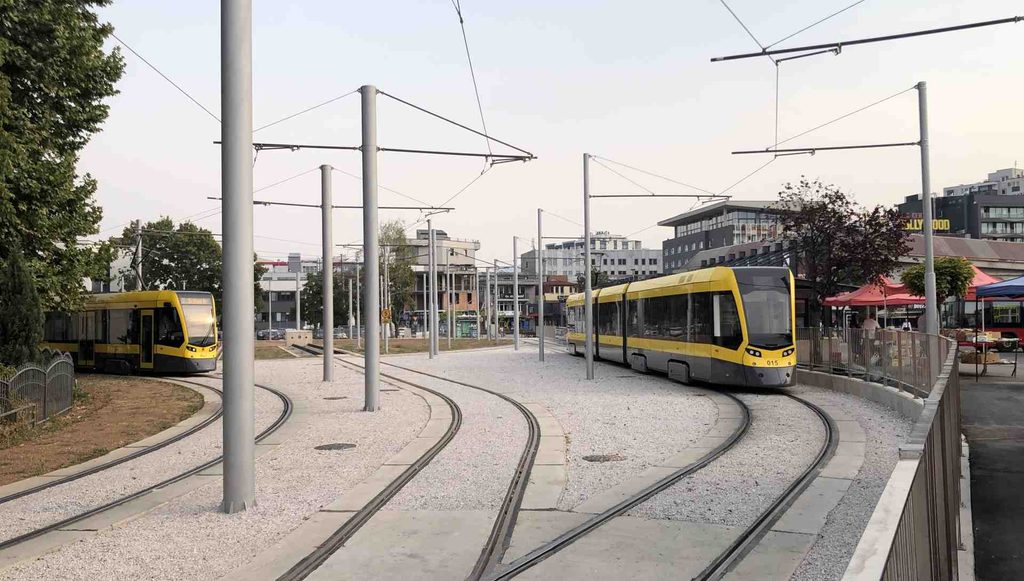
If you want to visit Vrelo Bosne from Sarajevo, one of the easiest ways is to take a tram to Ilidža Terminal. Tram numbers 3, 4 and 6 can take you towards Ilidža Terminal. When you arrive at the terminal, you are already quite close to the beginning of the walking route. There are also many buses from Ilidža going towards villages around Ilidža, Hadžići, Tarčin and other places, so Ilidža is an important transportation point in this part of Sarajevo.
From Ilidža Terminal you can start walking towards Mala Aleja and then continue towards Velika Aleja. I made my own GPX route starting exactly at Ilidža Terminal tram station. The route goes through Mala Aleja, past the bridge and the hotel area, and then reaches the beginning of Velika Aleja. This means you can simply download or open my GPX and use it as a guide while walking.
Ilidža
Ilidža is much older than it may look when you first arrive. The nearby Butmir archaeological site dates from the Neolithic period. Archaeological research there started at the end of the 19th century. Roman Ilidža was also an important spa settlement because of its thermal waters. The name Ilidža comes from an old Turkish word connected with a cure, bath or spa. The thermal springs are still important today and people still visit Ilidža for its spa and thermal water.
Ilidža also became especially important during the Austro-Hungarian period. New hotels, villas, parks and walking areas were developed and the area became an important place for spa tourism and recreation. You can still see some of this history while walking around Ilidža.
How Austrians shaped Ilidža
The Austro-Hungarian period changed the appearance of Ilidža a lot. Hotels, villas, parks and walking areas were developed around the spa. The Great Alley was also connected with this development. The area was designed as a place where people could leave the city, enjoy nature and spend time outside. There is an interesting information board in Ilidža about this period and about going to the countryside and enjoying nature.
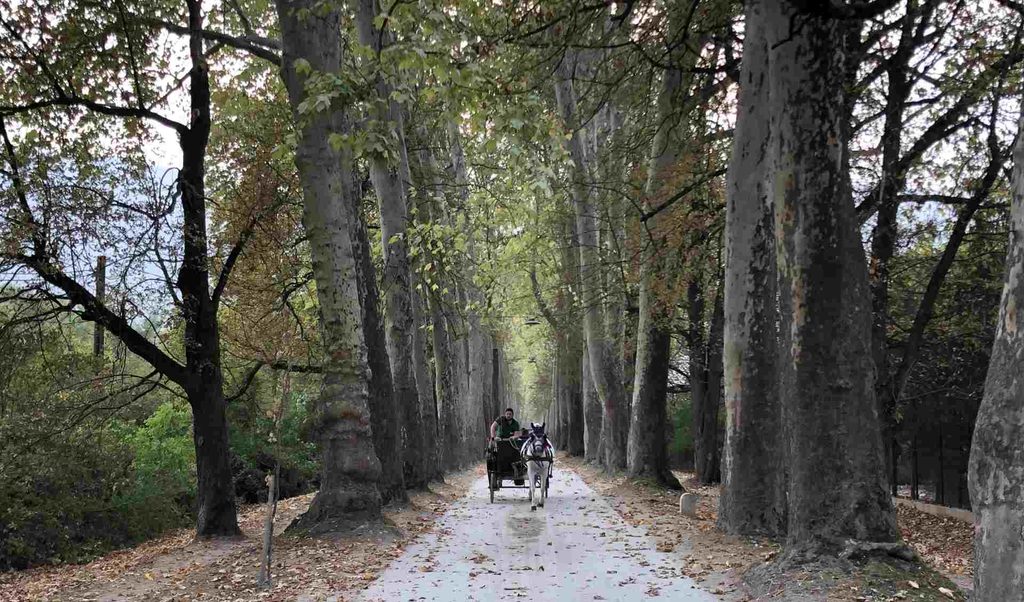
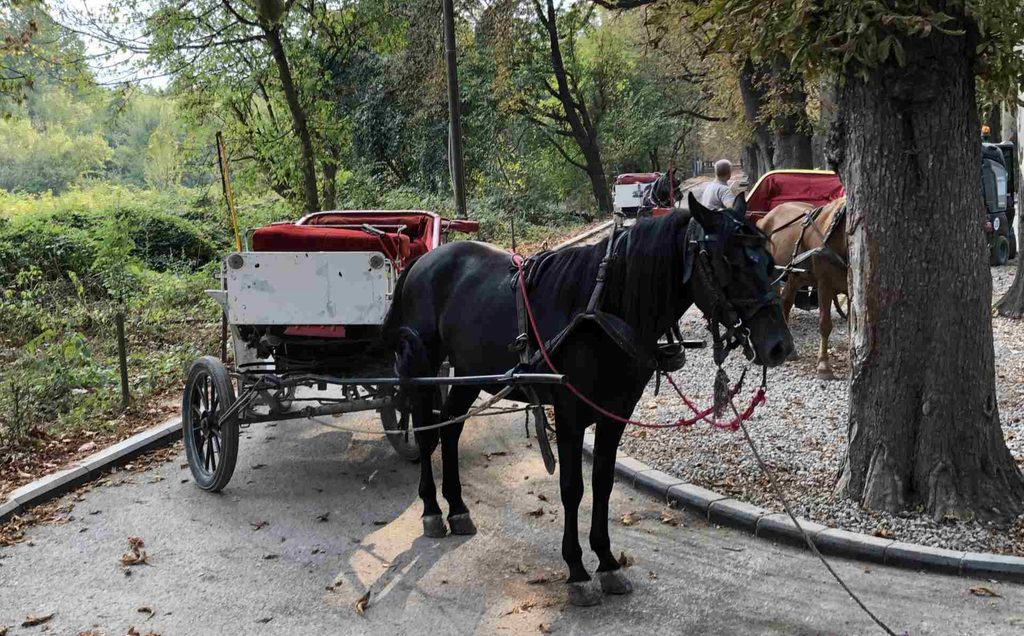
During that time, Ilidža became a popular place for people from Sarajevo to come for recreation, spa treatments and social life. The horse-drawn carriages are another part of this tradition. The tradition of taking visitors by horse-drawn carriage through Velika Aleja to Vrelo Bosne has lasted for more than 120 years.
When you arrive at the beginning of Velika Aleja, you will see the horses and carriages waiting for visitors. You can walk the route yourself, like I did, or you can experience the traditional carriage ride.
Mala Aleja and the old hotels
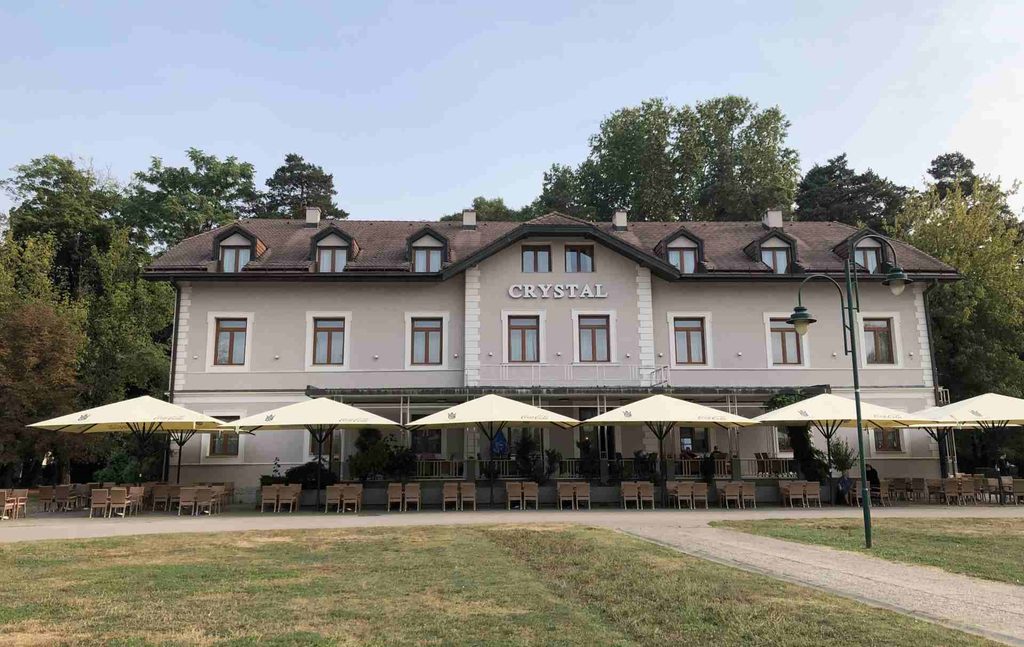
Before reaching Velika Aleja, I recommend taking some time to look around Ilidža. Mala Aleja is on the way and it gives you a different view of this part of Sarajevo. There are also several old hotels in this area, including Hotel Austria, Hotel Crystal and Hotel Hercegovina. They are connected with the development of Ilidža as a spa and tourist destination during the Austro-Hungarian period. I also noticed some interesting old cars next to one of the restaurants in Ilidža.
These small details were interesting to me because they show that Ilidža is not only about Vrelo Bosne. There is history and a different atmosphere here before you even reach the famous park.
Velika Aleja
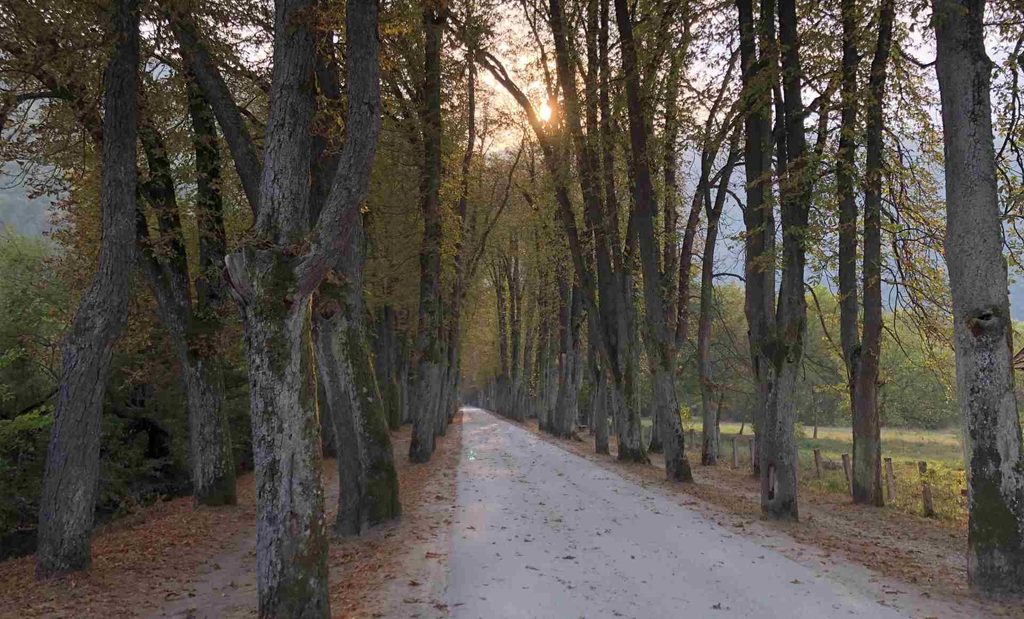
Velika Aleja is one of the most recognizable places in Ilidža. The Great Alley is about 3.5 kilometres long and connects the Ilidža spa and hotel area with Vrelo Bosne. It is famous for its large tree-lined avenue. The trees create a long green tunnel, especially beautiful during the warmer months.
The historic avenue includes plane trees and horse chestnuts. According to the information about the site, the horse chestnuts were planted in 1888 and the plane trees in 1892. There is an asphalt road in the middle which is used by the horse-drawn carriages. On both sides there are paths for people walking.
Because Velika Aleja is also a popular recreation area, you will often see runners, cyclists and people walking here. It can become quite busy during weekends and holidays. For me, the walk through the Great Alley was an important part of the whole visit.
If you want to walk the same route as me, my GPX starts at Ilidža Terminal and continues through Mala Aleja and Velika Aleja towards Vrelo Bosne. This is useful if you are not familiar with Sarajevo and do not want to worry about finding every turn yourself.
A strange day at the Željeznica River
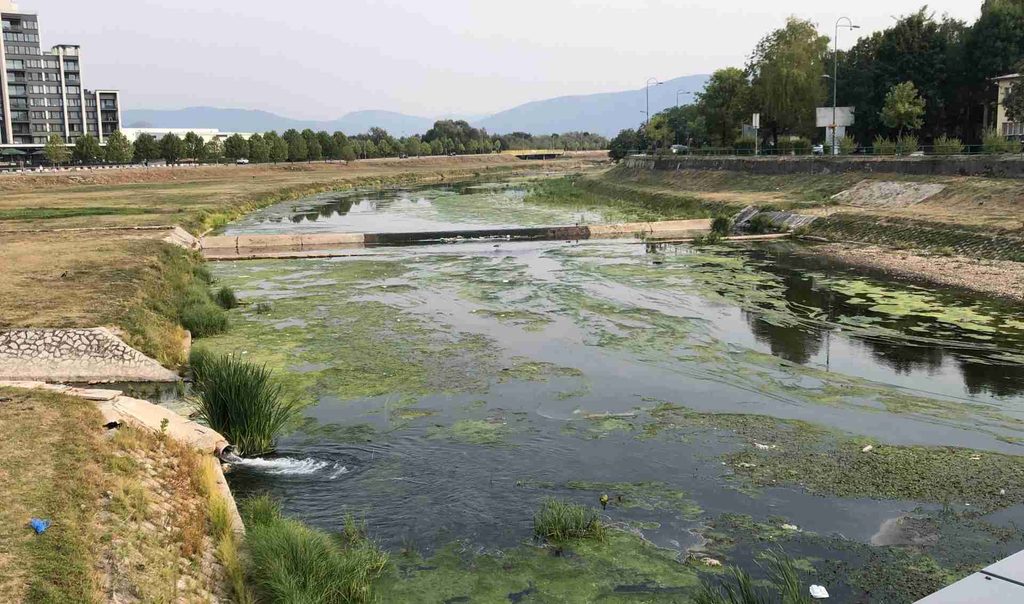
There was also one unusual thing I saw before reaching Vrelo Bosne. It had been a very long time since the last rain. The Željeznica River was very low, but there were many frogs around the river. I had never seen something like this before. It was one of those small things that probably would not be mentioned in a normal tourist guide, but it stayed in my memory from this walk.
This is also one reason why I like walking instead of simply taking a car directly to a tourist attraction. You see many things on the way that you would otherwise miss.
Vrelo Bosne
After walking through Velika Aleja, I eventually reached the entrance to Vrelo Bosne. Vrelo Bosne is located at the foot of Mount Igman, where the Bosna River begins from a group of karst springs. When I arrived, it was late summer and there had been no rain for more than 40 days. I expected everything to be quite dry.
But when I entered Vrelo Bosne, I was surprised. There was water everywhere. There were springs, small lakes, little waterfalls and streams. The contrast with the dry period outside was really interesting. The Bosna River comes from underground water connected with the karst area of Igman. Water can disappear underground through the limestone and later come back to the surface around Vrelo Bosne. This is why you can sometimes walk on Igman and not see much surface water, while large amounts of water appear at Vrelo Bosne. The Bosna River source is also important for Sarajevo because the underground water resources of Sarajevo Field are used for drinking water. The whole area is protected as a nature monument.
What can you see inside Vrelo Bosne?
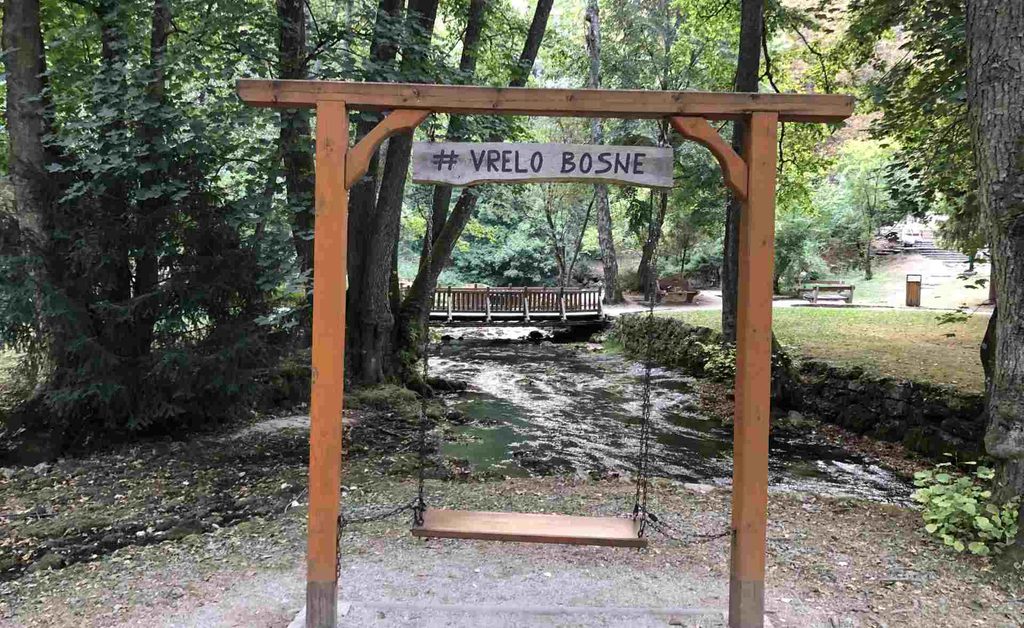
Inside Vrelo Bosne there are many walking paths, small bridges, streams and ponds. There is also a cafe-restaurant directly next to the water. Nearby there is a children’s playground, so the place is also suitable for families. There are two entrances which are also used as exits. There is a toilet near the parking entrance. The natural surroundings are very green, with trees and plants around the water. You can also find places to sit and simply enjoy the sound of the water. The view towards Igman makes the whole place even more interesting.
Swans and ducks
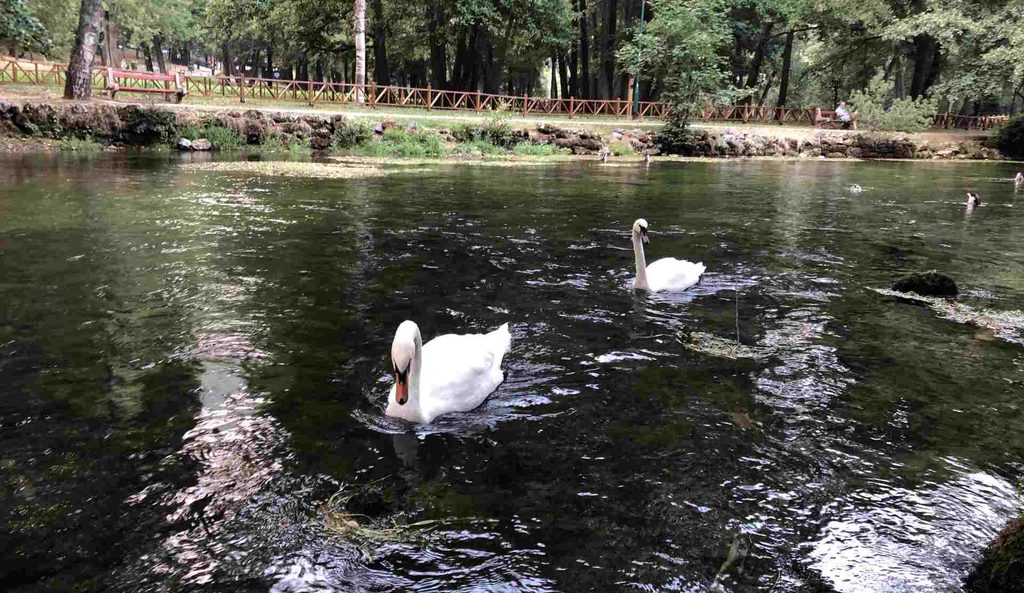
Swans are probably the most recognizable animals at Vrelo Bosne. They are almost a symbol of the place and you can see them on many promotional pictures of Vrelo Bosne. There are many swans and ducks around the ponds and water channels. They are beautiful and make the place feel almost like a park from a fairy tale. For me, this was one of the nicest parts of the visit.
After walking several kilometres from Ilidža, it was a great feeling to finally arrive at the springs and see all this water, trees, birds and small bridges around me.
GPX Download