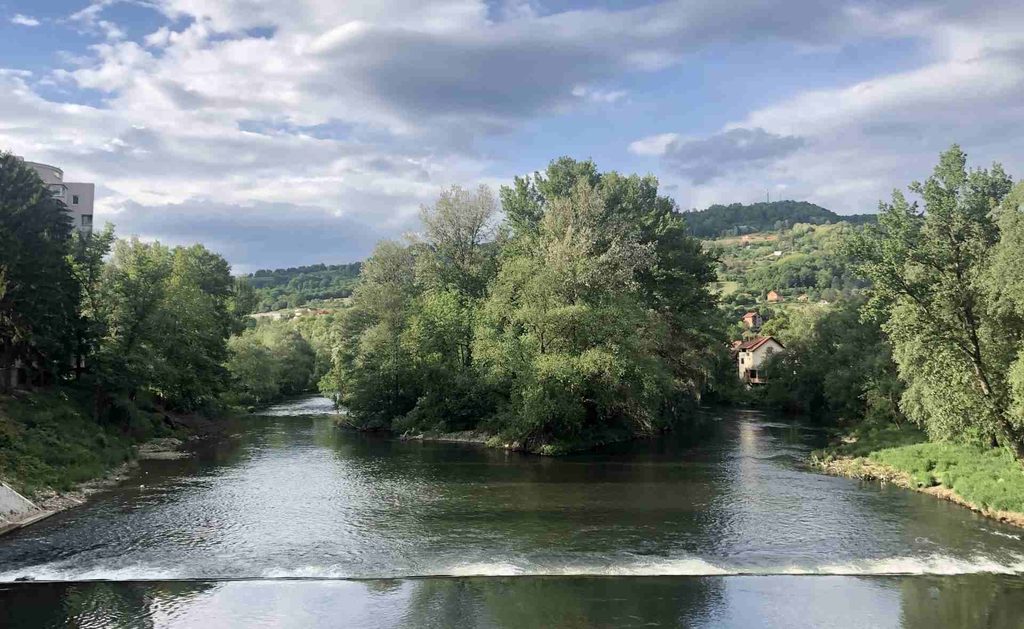
One of the most beautiful things about Bosnia and Herzegovina is its nature.If you asked people in Bosnia what they like most about their country, I think many of them would mention nature. This includes mountains, lakes, rivers, forests and water in general. Because of its mountains, geology, vegetation and relatively large amount of water, Bosnia and Herzegovina has some very unique rivers. Some are extremely cold, some are fast and dangerous, some are calm and perfect for swimming, and some are simply beautiful to look at. The country itself is even named after the Bosna River.
If you are planning to visit Bosnia and Herzegovina, or if you are simply exploring the country and looking for a place for camping, swimming or cooling down during the summer, this is my first-hand guide to the rivers I have visited. Some of these rivers are large and famous, while others are small and almost completely unknown outside their local areas.
I will start with some of the biggest and most famous rivers and then move on to smaller rivers that I personally found interesting.
Neretva River
The Neretva is one of the most beautiful rivers I have ever seen. It rises in the mountains of eastern Herzegovina, near the area of Ulog and the Lebršnik mountain range, and then flows south toward the Adriatic Sea. The origin of the name Neretva is uncertain. One popular interpretation connects its name with an old Indo-European root meaning something like “diving” or “to plunge,” although the exact etymology is debated.
Whatever the origin of the name, the river itself is spectacular. The Neretva passes through or near many important places, including Konjic, Jablanica, Mostar and Čapljina, shaping the landscape all the way to the Adriatic. I have personally swum in the Neretva and also went rafting on the river near Konjic. I have also swam the Jablanica lake and in the Neretva at Mostar. And yeah, water is really cold
You will often hear people describe the Neretva as one of the coldest rivers in Europe, but I would avoid claiming that it is officially the “coldest” or “fastest” river in Europe. There are many rivers that could make similar claims depending on how temperature and flow are measured. What I can confirm from personal experience is that the Neretva can be very cold and very fast, especially in its upper sections. For me, this is one of the rivers you absolutely should not miss when visiting Bosnia and Herzegovina.
Drina River
The Drina is probably one of the most famous rivers in Bosnia and Herzegovina. There is a popular saying that the Drina must be one of the most beautiful rivers in the world because it is formed by two beautiful rivers: the Tara and Piva.
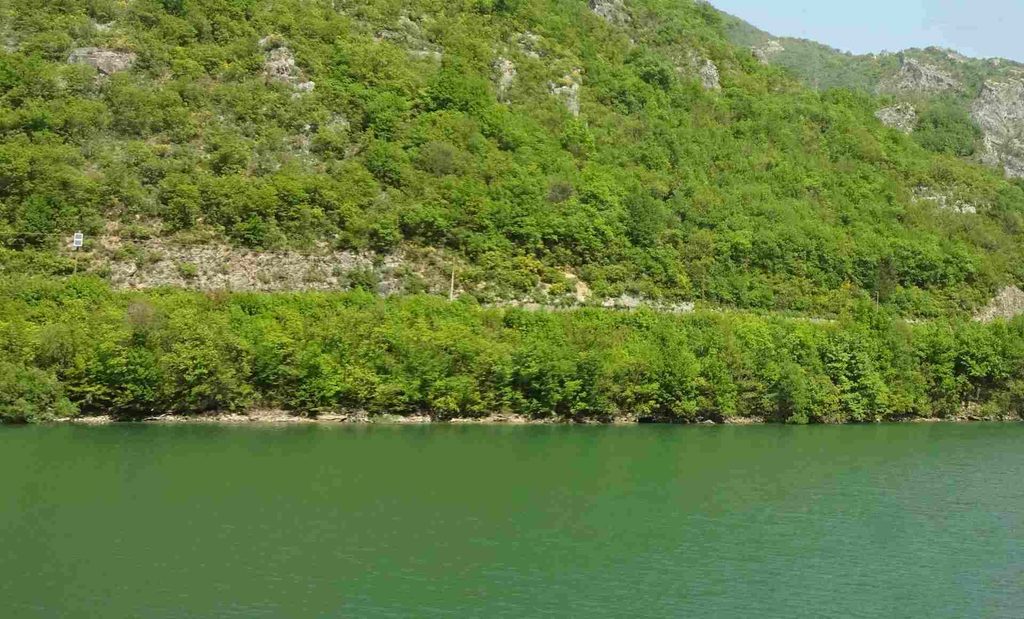
The Drina forms part of the natural border between Bosnia and Herzegovina and Serbia and flows generally northward until it joins the Sava River. It is famous for its spectacular green color, clear water in many sections and dramatic mountain scenery. The Drina has also been heavily used for hydroelectric power. Several reservoirs and hydroelectric power plants are located along the river, including the large reservoirs at Višegrad, Perućac and Zvornik.
I have visited several parts of the Drina and have also swum in the river and in the reservoirs created along it. The water can be extremely cold in some places, but during summer there are many locations where people swim, fish, camp and enjoy the river. For me, the Drina is one of the best rivers in Bosnia and Herzegovina if you want to combine beautiful scenery with outdoor activities.
Una River
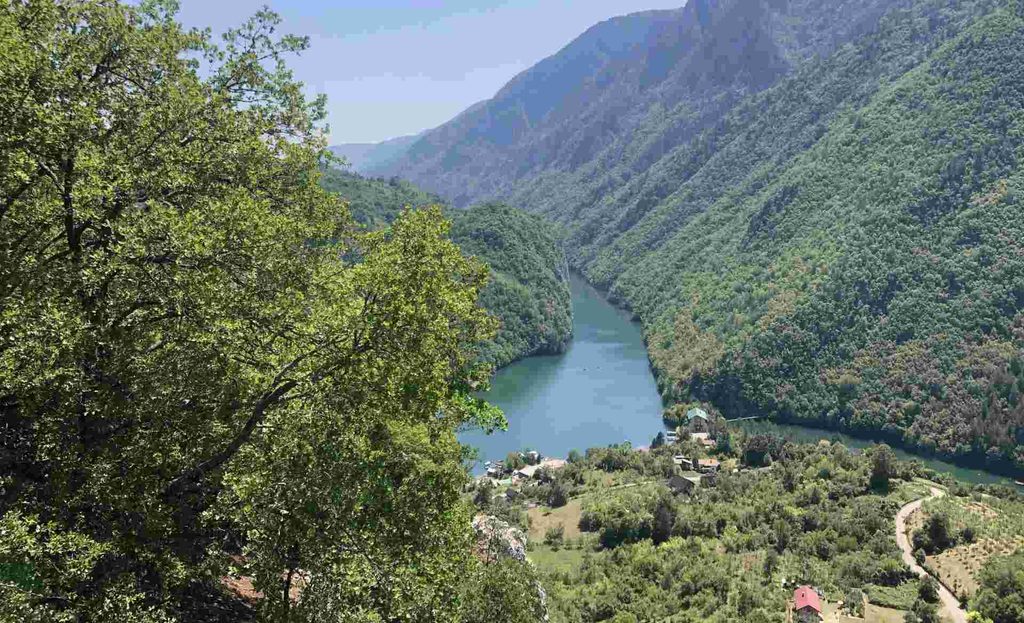
For many people, the Una is the most beautiful river in Bosnia and Herzegovina. I can understand why.The Una is famous for its incredibly clear, blue-green water, waterfalls, rapids and lush vegetation. The river rises in Croatia, near the village of Donja Suvaja, and then enters Bosnia and Herzegovina. It flows through the northwestern part of the country, including Bihać and Bosanska Krupa, before eventually joining the Sava River.
The name Una is traditionally associated with the Latin word for “one,” although the exact historical development of the name is more complicated. The Una is also part of the natural border between Bosnia and Herzegovina and Croatia in some sections. The spring itself is one of the most interesting places to visit. The exact depth of the spring is difficult to establish, so I would not repeat claims that it is definitely more than 200 meters deep without a reliable measurement.
What I can say is that the water at the spring is exceptionally cold and the surroundings are beautiful. The Una is also a major destination for rafting, kayaking, fishing and swimming. If you love rivers, I would put the Una very high on your Bosnia and Herzegovina list.
Sava River
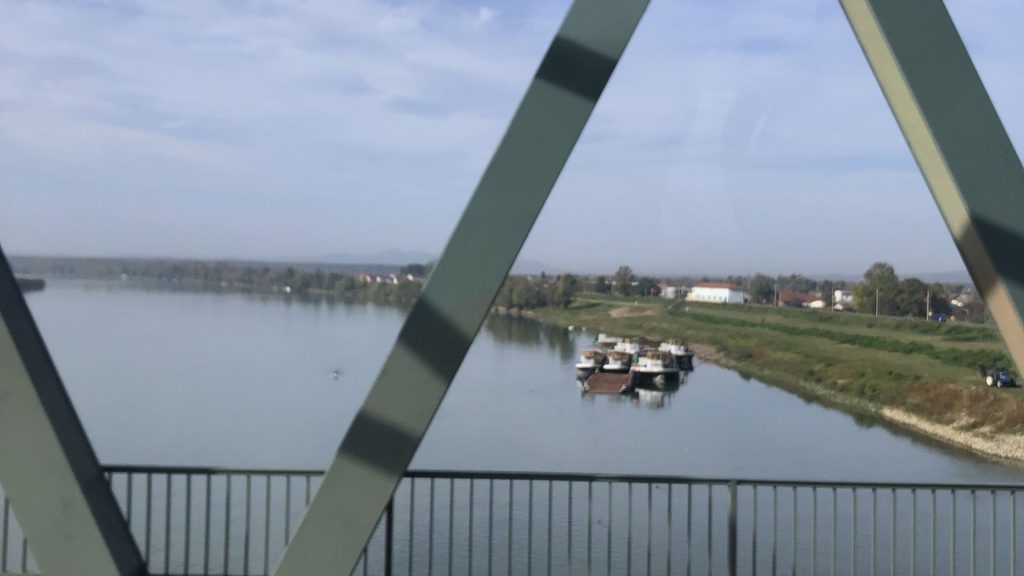
The Sava is the largest river flowing along Bosnia and Herzegovina’s northern border. Unlike the Neretva, Una, Drina and Bosna, the Sava does not originate in Bosnia and Herzegovina. It is formed in Slovenia by the Sava Dolinka and Sava Bohinjka and then flows through Croatia, Bosnia and Herzegovina and Serbia before joining the Danube in Belgrade.
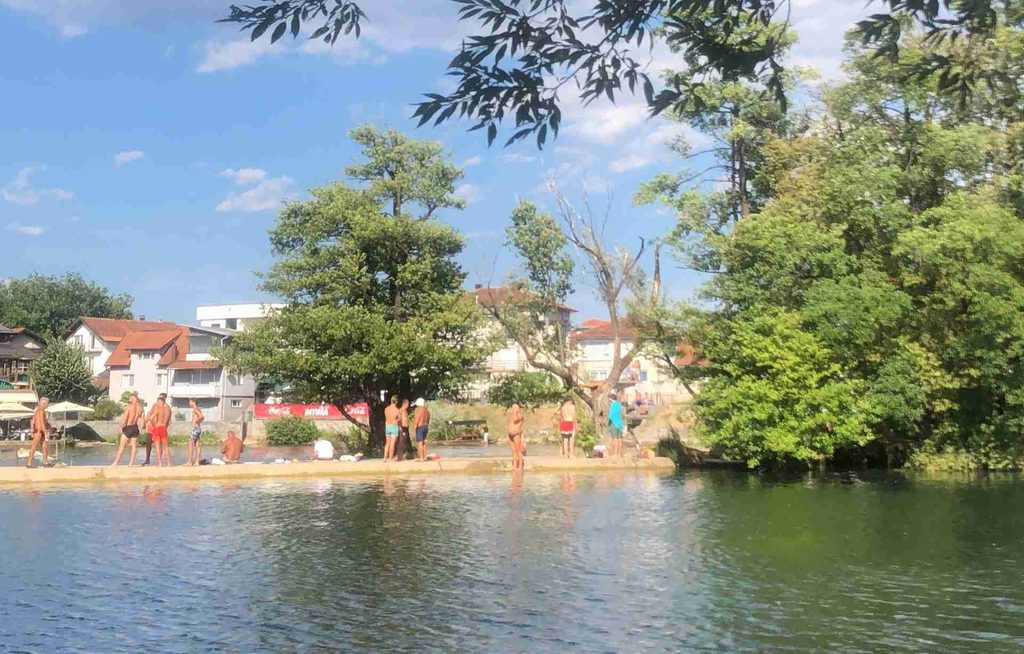
The river forms much of the natural border between Bosnia and Herzegovina and Croatia. One of the most interesting things about the Sava for Bosnia and Herzegovina is the city of Brčko, home to the country’s only river port. The Sava is also known for its fish and is important for fishing communities along its banks. I have personally never swum in the Sava. Although swimming is possible in some areas, I would be much more careful here than with a clean mountain river.
I also would not choose the Sava for wild camping right next to the border without first checking the local situation and regulations.
Pliva River
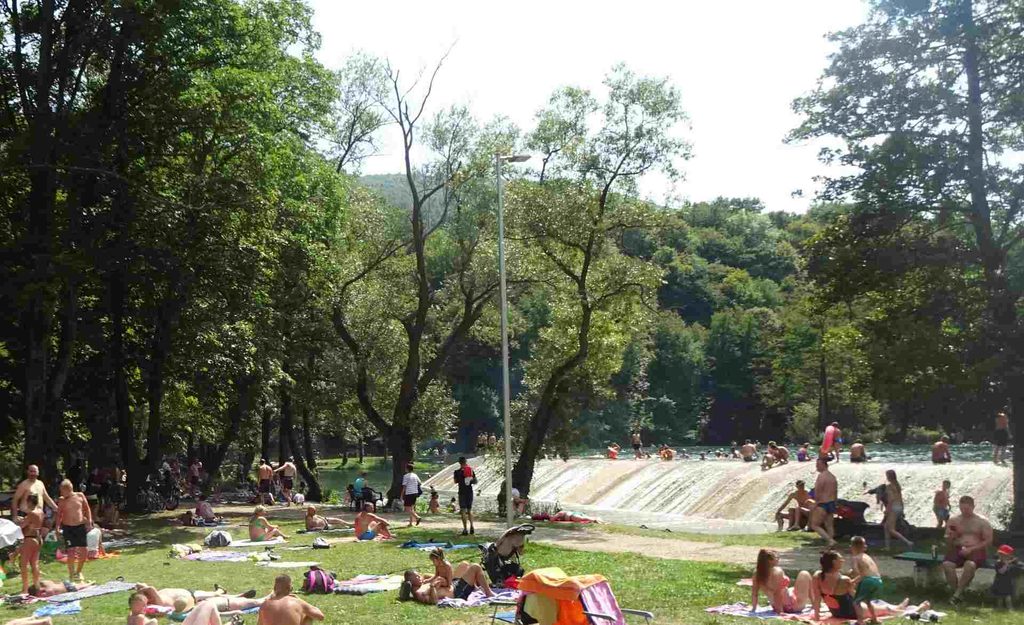
The Pliva is one of my favorite rivers in central Bosnia and Herzegovina. It flows through a beautiful green landscape and eventually forms the famous Pliva Lakes near Jajce. The Pliva is known for its clean water, waterfalls, small cascades and lush vegetation. One thing I particularly like about this river is the amount of greenery along some sections. There are large trees providing shade, which can be very useful during the hot summer.
I have visited the Pliva and found it to be a very pleasant river for spending time in nature. Swimming is possible in suitable areas, but conditions vary depending on the exact location and water level. Camping can also be a great experience around quieter parts of the river, especially if you find a suitable legal place away from private property.
If you visit the Pliva, combine it with Jajce and the Pliva Lakes. It is one of the best combinations of river, lake, waterfall and historic town that you can find in Bosnia and Herzegovina.
Bistrica in Livno
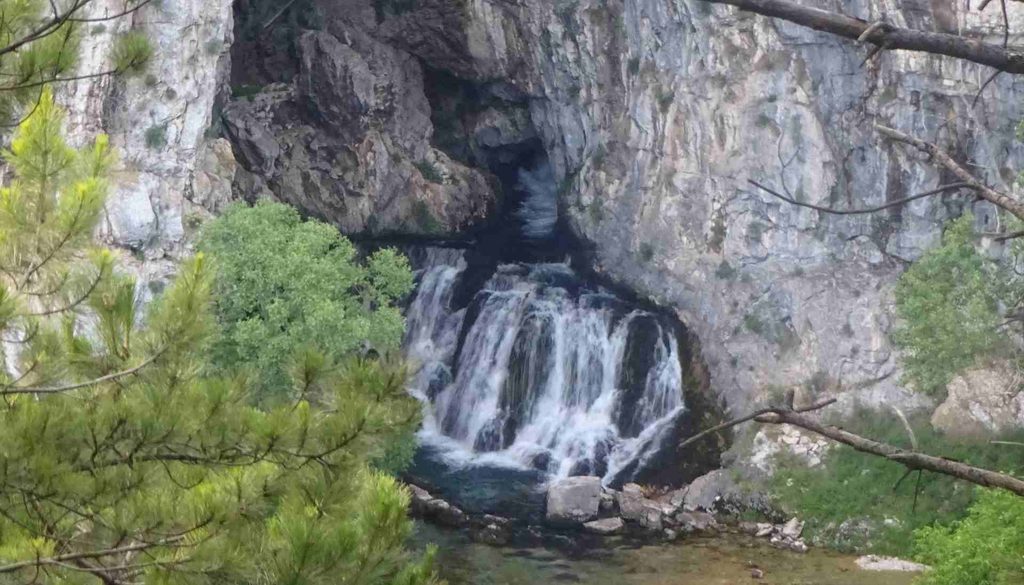
Bistrica is one of the most interesting smaller rivers I have visited in Bosnia and Herzegovina. The river begins at a powerful spring in Livno, and the spring itself is one of the most impressive natural features in the area. Livno is located in a karst landscape, where underground water plays an important role. This creates powerful springs and unusual hydrological features.
When I visited the spring, I even drank the water. For me, this is one of those places that shows how different the landscape of Bosnia and Herzegovina can be. You can go from large mountain rivers to powerful springs appearing almost directly from the rock.
Trebižat River
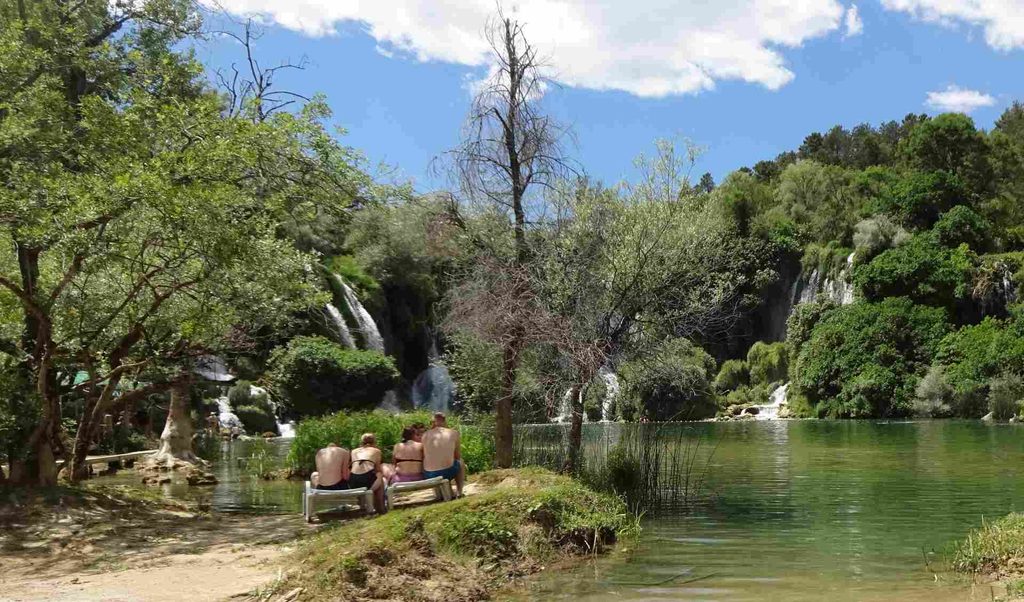
The Trebižat is probably one of the rivers you have already seen if you have searched for photographs of nature in Bosnia and Herzegovina. It flows through Herzegovina and is famous for its waterfalls and clear water.
The most famous attraction on the river is Kravica Waterfall, where the Trebižat creates a spectacular natural amphitheater and swimming area. There are also several other waterfalls and natural attractions along the river. I have personally swum at Kravica, and during the summer it is one of the most popular places in this part of Bosnia and Herzegovina.
There are also other places along the Trebižat where swimming and spending time beside the river are possible. If you are visiting Mostar or western Herzegovina, I strongly recommend adding the Trebižat and Kravica to your itinerary.
Korana River
The Korana is not one of the largest rivers in Bosnia and Herzegovina, but I like it because it feels relatively peaceful and friendly. It forms part of the border between Bosnia and Herzegovina and Croatia in the area around Cazin. During the summer, the water level can become quite low, and by the end of the summer the water can also feel less cold.
The Croatian section of the Korana is much more famous, especially around Slunj, where the river creates beautiful waterfalls and cascades.
For me, the smaller Bosnian sections are more interesting if you are looking for quiet places rather than major tourist attractions.
Gostović River
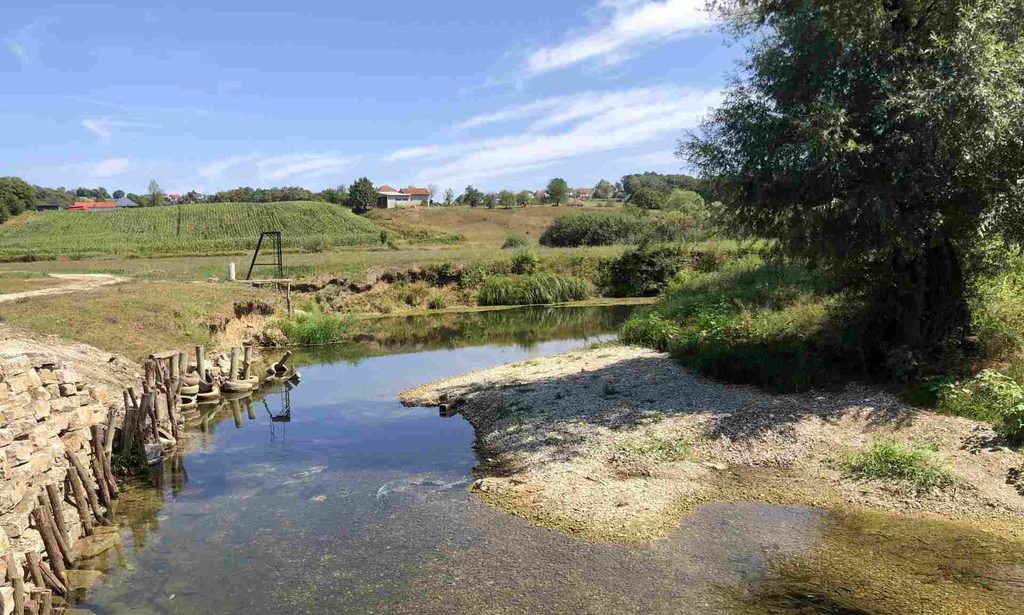
The Gostović is one of the smaller rivers that I particularly enjoyed visiting. It flows through the area between Zavidovići and the surrounding mountains and is known for its clear water and forested surroundings. The upper part of the river is especially interesting, with several smaller waterfalls and beautiful natural scenery.
This is also a good area for spending time in nature and camping if you find a suitable location and respect private property and local restrictions. Compared with the famous Neretva, Una or Drina, the Gostović is almost unknown to international tourists. That is exactly why I like it.
Miljacka River
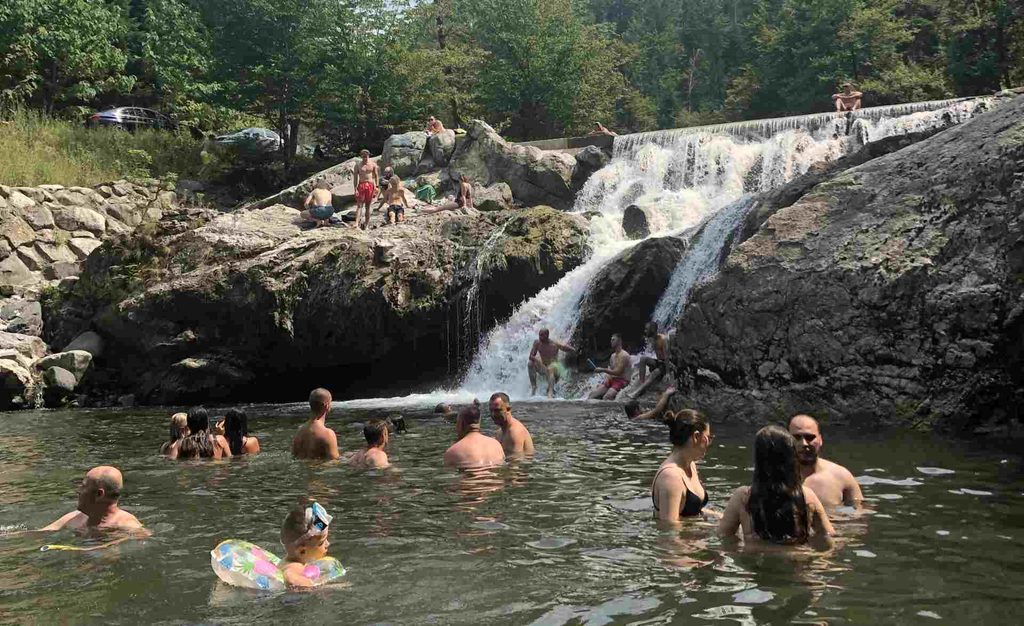
The Miljacka is one of the most famous rivers in Bosnia and Herzegovina because it flows directly through Sarajevo. It is a relatively small river, but its historical importance is enormous. The river passes under many of Sarajevo’s most famous bridges, including the Latin Bridge, and is closely connected with the history and identity of the city.
I would not recommend swimming in the Miljacka in Sarajevo, or camping also. There is mountain part of Miljacka near Pale where camping may be possible. However, if you are visiting Sarajevo, walking along the river is one of the easiest ways to experience the city. The Miljacka is a good reminder that not every river needs to be wild, deep or suitable for swimming to be important.
Bosna River and Vrelo Bosne
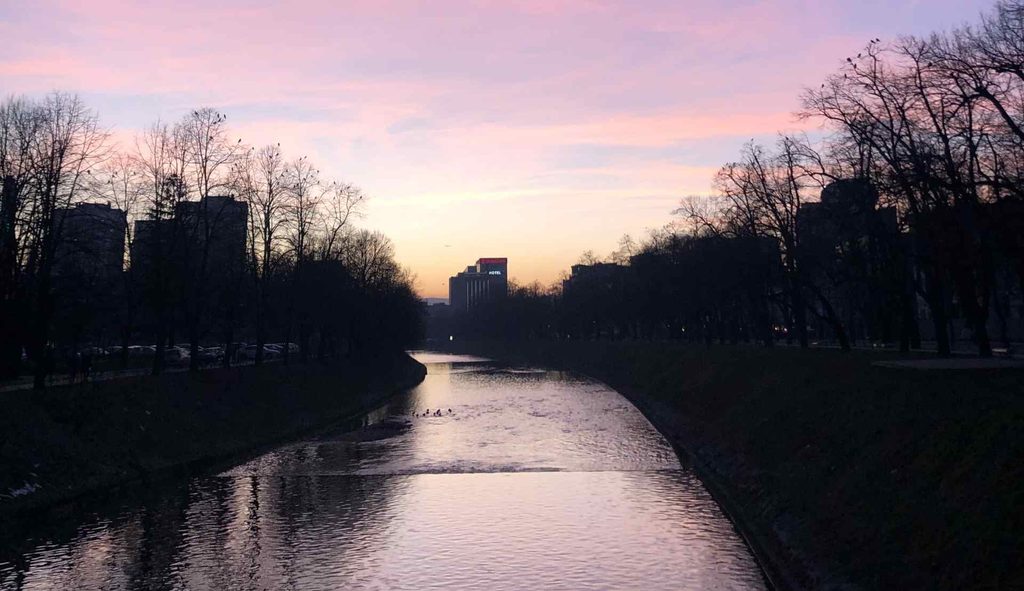
The Bosna River begins at Vrelo Bosne, one of the most famous natural attractions near Sarajevo The spring is located at the foot of Mounts Igman and Bjelašnica, in Ilidža, and Vrelo Bosne is a popular place for both tourists and local people. The geology of the area plays an important role in the formation of the springs. Water from the surrounding mountains moves through the underground karst system before emerging at Vrelo Bosne.
The spring area is protected and there is an entrance fee. The Bosna River then flows north through central Bosnia and Herzegovina before eventually joining the Sava River. From there, its water continues into the Danube and eventually the Black Sea. The Bosna is about 271 kilometers long, making it one of the major rivers of Bosnia and Herzegovina.
I would definitely visit Vrelo Bosne, but I would not recommend swimming in the Bosna River downstream from Sarajevo. The river passes through a densely populated and industrialized part of the country, so water quality is not comparable with the pristine mountain rivers further upstream.