Sarajevo is one of the most unusual and unique cities you can visit in Europe. I’ve visited several times, stayed there for a while, and this is a complete travel guide with things to see in or near the city, links and tips, and more. I’m writing this post for future visitors, and if you follow my blog, you can see that I visit cities where cultures mix. Sarajevo is also associated with many wars and conflicts, including the assassination of Franz Ferdinand and the Bosnian War. If you are a lover of history and culture, Sarajevo is definitely for you. The main symbols of the city are the Olympic Games with the Olympic mountains.
Sarajevo is the capital of Bosnia and Herzegovina. In small countries like Bosnia, almost everything happens in the capital, and in the capital you can follow the entire history of the country. Bosnia is not in the European Union or Schengen, and many people say it is a rather old-fashioned country, where cash is still widely accepted and there are no things like Uber or Bolt, eSiM usually does not work, the infrastructure is quite bad, you mostly have to buy a ticket and so on. Maybe not a perfect example, but you get the idea. This is one article in my series of articles about Bosnia and Herzegovina.
So, back to Sarajevo. The name Sarajevo comes from a Turkish word (Saraj – the Turkish word for fortress), which is how the Ottomans called the city. There is also a lot of archaeological evidence that proves that people have lived here since the beginning of civilization (like the Neolithic site of Butmir). Public transport is the cheapest way to get from the airport to the center of Sarajevo. A short 15-minute walk takes you to the trolleybus station in Dobrinja, where a ticket costs only 2.20 KM (about 1.10 EUR).
If you are struggling to find bus lines from other countries to Sarajevo, instead of checking FlixBus, check private bus companies such as: Globtour, Centrotrans, Kantic, Halilović. Also, check the lines to Istočno Sarajevo, if you are planning to come from Serbia or Montenegro (Istočno Sarajevo is connected to Sarajevo by public infrastructure). Within Bosnia, every major city has buses that go to Sarajevo. There is also a train from Mostar/Čapljina (south) and from Maglaj/Zavidovići (north). The transfers are much cheaper, but not in perfect condition.
Baščaršija and Old Town
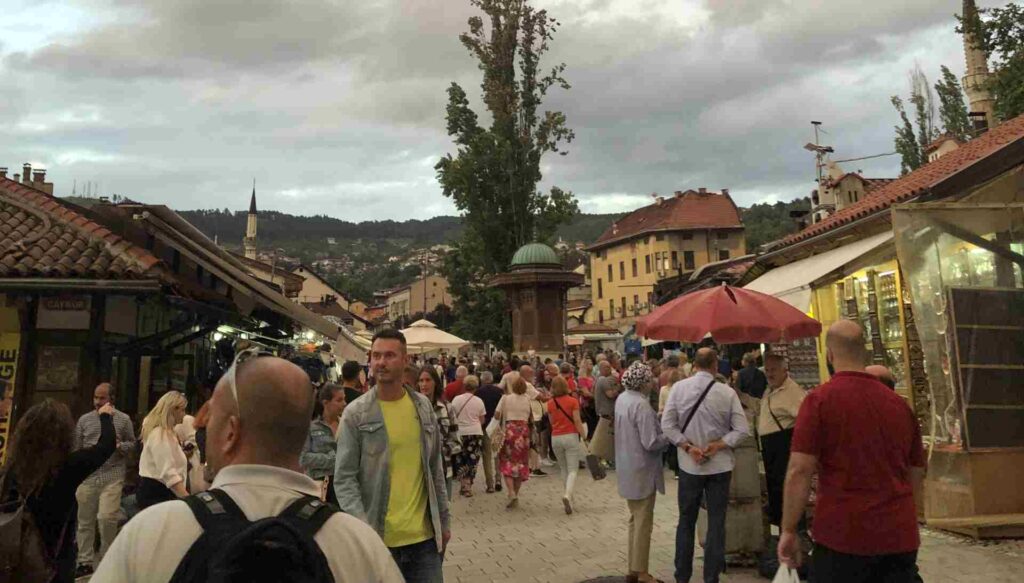
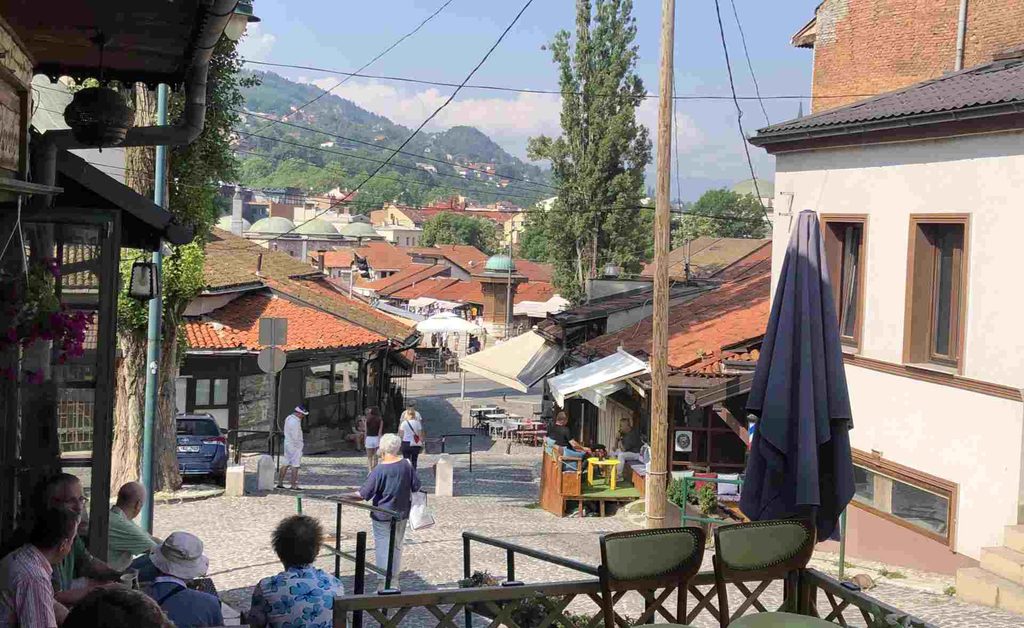
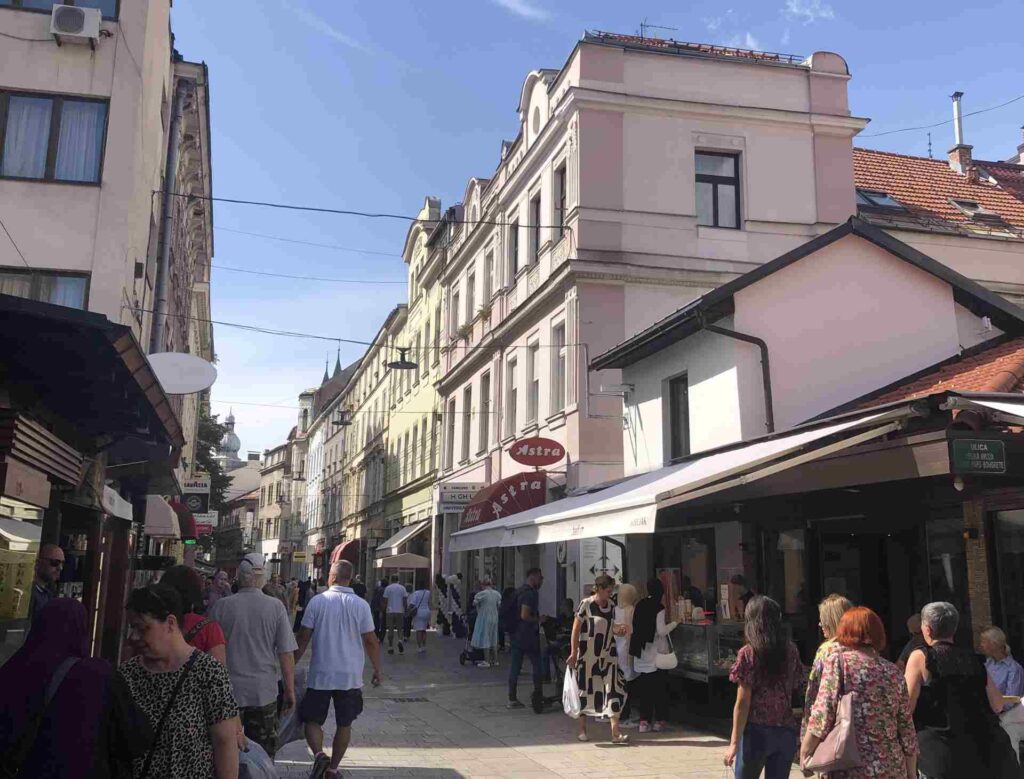
This is the oldest part of the city and here is the old town. There is a promenade called “Ferhadija”. In this street and the small streets around there are many places to eat or drink, mostly traditional food like “ćevap” (national food). Here are the oldest mosques, churches and synagogues. Because of this part of the city and its symbols, some people call Sarajevo the Jerusalem of Europe. In this part you can find holy places of different religions and confessions almost next to each other. In this part there are many symbols of the city, such as Sebilj. Some locations that I will mention below are located near Baščaršija.
According to legend, if you drink water from Sarajevo, you will return. There are several fountains with drinking water, the most famous of which is in Sebilj.
Eternal Fire, Titova Street and Center
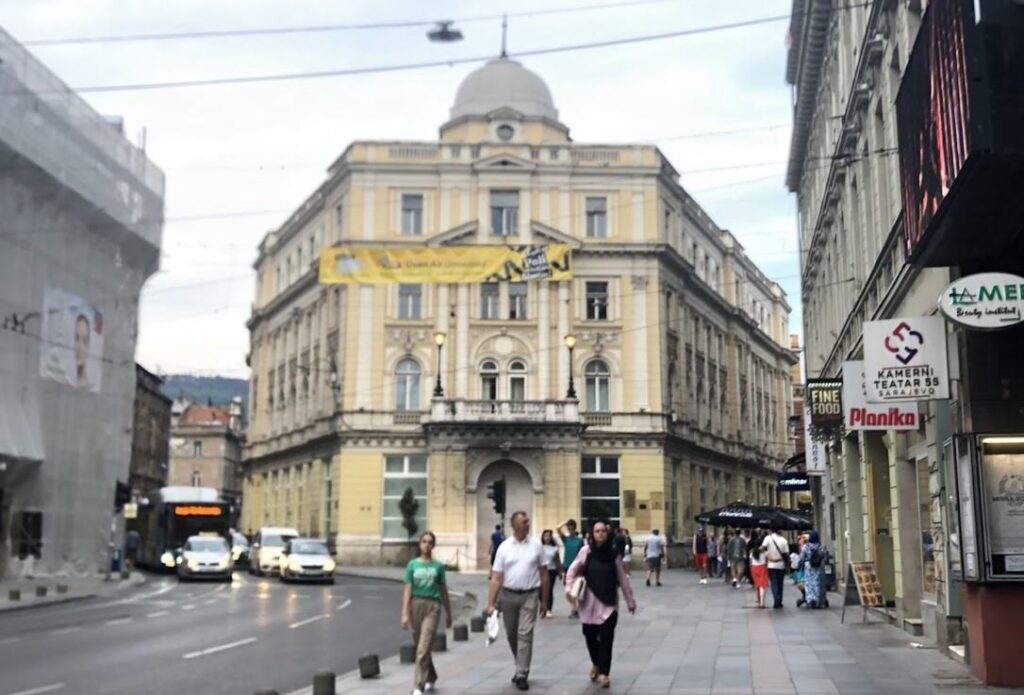
If you continue walking west, you will soon reach the Austrian (Austro-Hungarian) side of the city. In 1878, Bosnia and Herzegovina was in the hands of Austria-Hungary. At that time, the Austro-Hungarian Empire invested a lot of money in improving the infrastructure of the new province, they sent many architects, engineers, biologists and many others, and started a new era for Bosnia. At that time, Sarajevo was the capital of the province, and that’s why Franz Ferdinand came to visit.
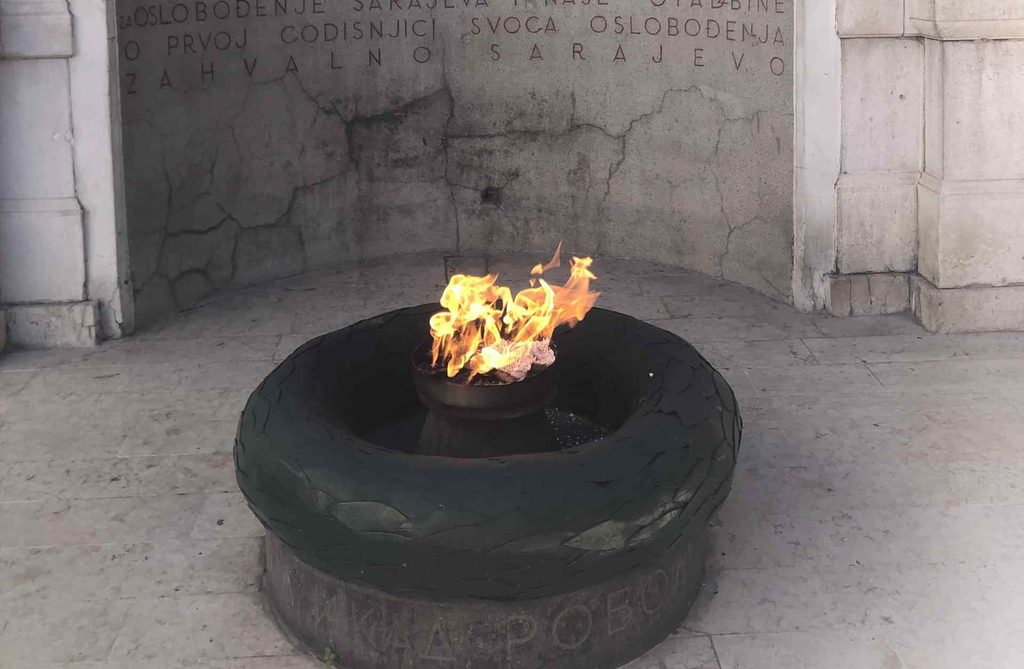
One of the most significant streets is Titova (named after the Yugoslav leader). It is a popular promenade with many cafes, bars and restaurants. There is also the “Eternal Flame” where the fire burns constantly. This place is the focal point for events in Sarajevo such as New Year’s Eve or big events.
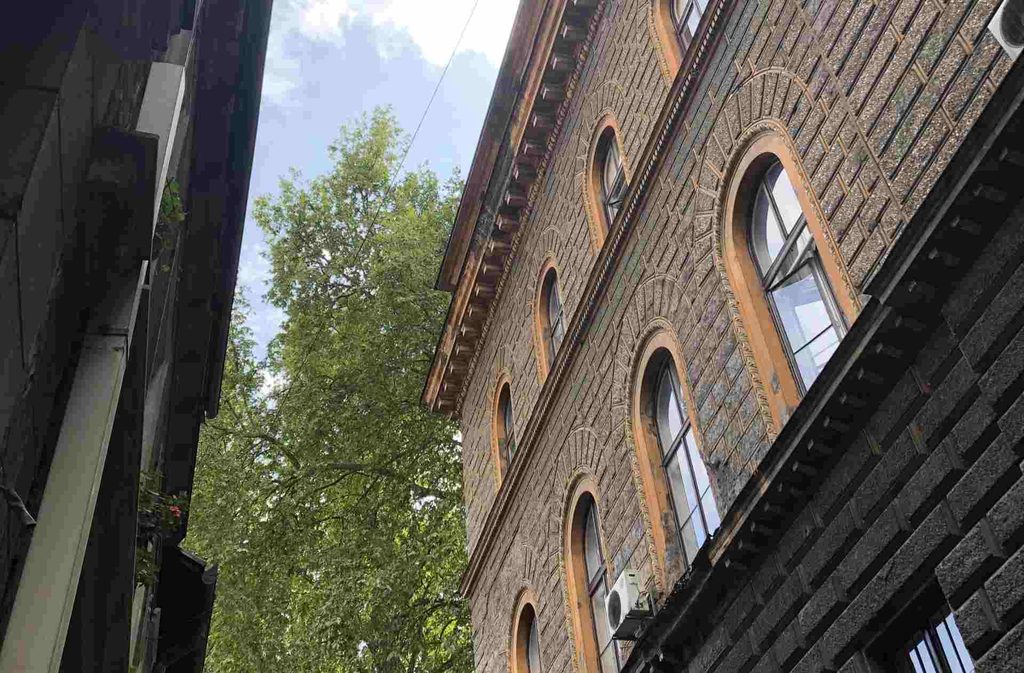
Franz Ferdinand Corner
There are many similar cities in Europe that are associated with wars like this one. One of them is the place where Franz Ferdinand (Duke of Austria-Hungary) was killed and where the First World War began. This corner is now a popular tourist destination and there is usually a replica of the car it was in. Next to the corner there is a bridge called “Latin Bridge”. It is located in the old part of the city. Most people have heard of Sarajevo and then Bosnia and Herzegovina because of this event. If you are a history buff, you will definitely love this place.
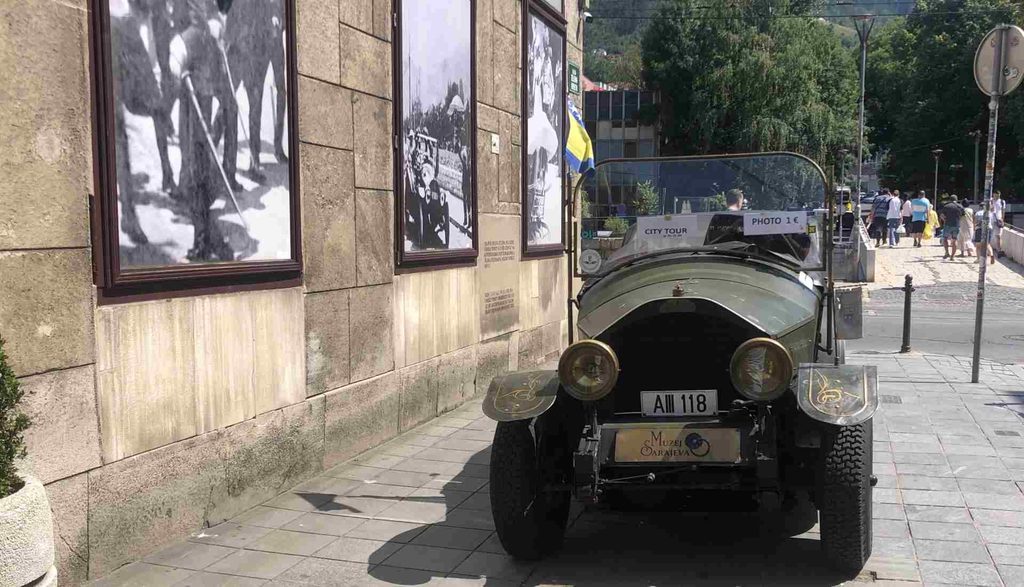
Skakavac Waterfall
Some say it’s the largest waterfall in Europe. I’m not sure about that, but I really like this hiking route because it’s circular, close to the city, and accessible by public transport. It’s a protected area and managed by the government, so you might see some people there in green uniforms there.
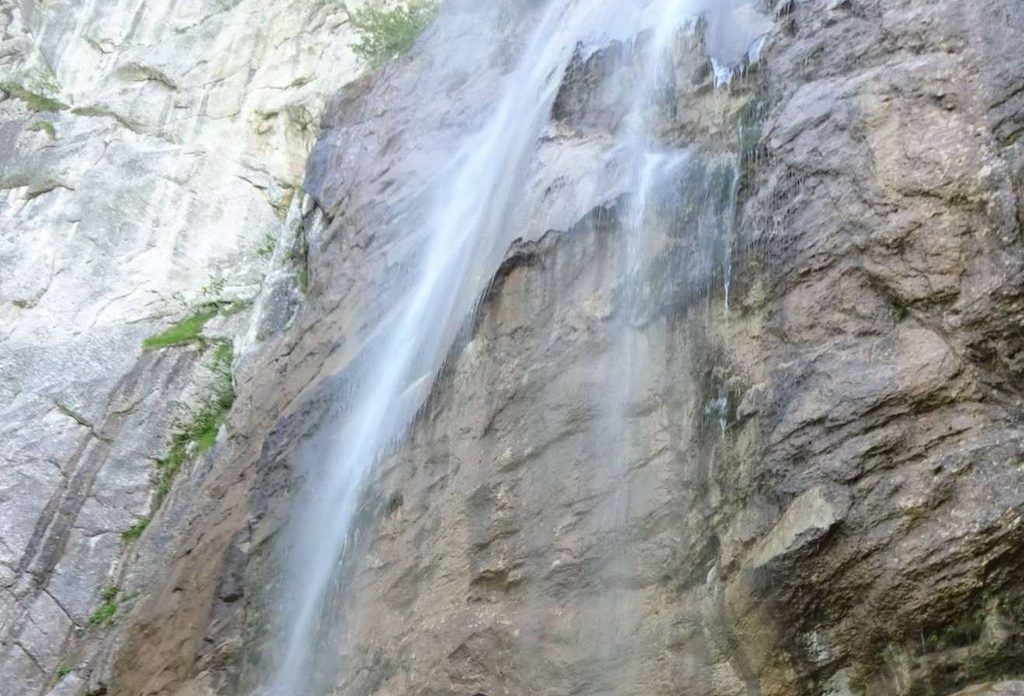
Spring of Bosnia and Stojčevac Park
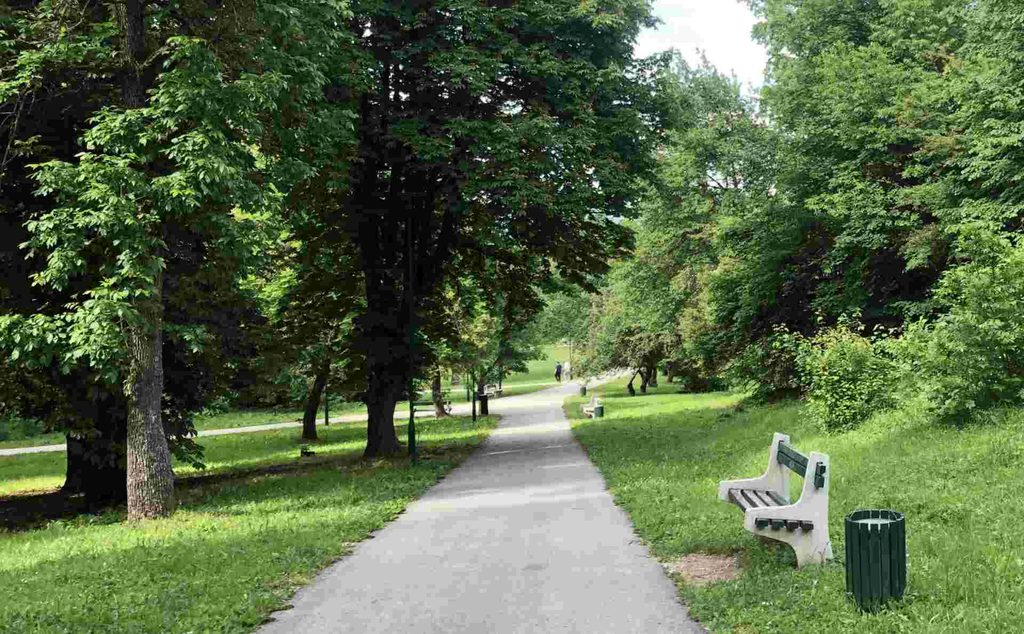
Located near Ilidža, this is the perfect place for a vacation. Vrelo Bosna (Source of the Bosna River) is also interesting because the whole country got its name from this river and everything started here. Also, this area is very suitable for walking and protected, with an old tradition that started at least in the Austro-Hungarian period when they planted “trees”. Throughout history, the Roman Empire had baths nearby, and until today there are thermal baths near Ilidža. You will definitely enjoy walking for kilometers through maple trees with natural sounds and shade, you can also rent a horse-drawn carriage or go by bike. It is about 4 km long, and at the end there are cafes and restaurants for refreshments.
Park Stojčevac is also close to Vrel Bosna, a popular picnic spot and accessible by car. There is also natural water there. It was recently renovated and at that time it was popular from Yugoslavia, even Tito had a holiday home there.
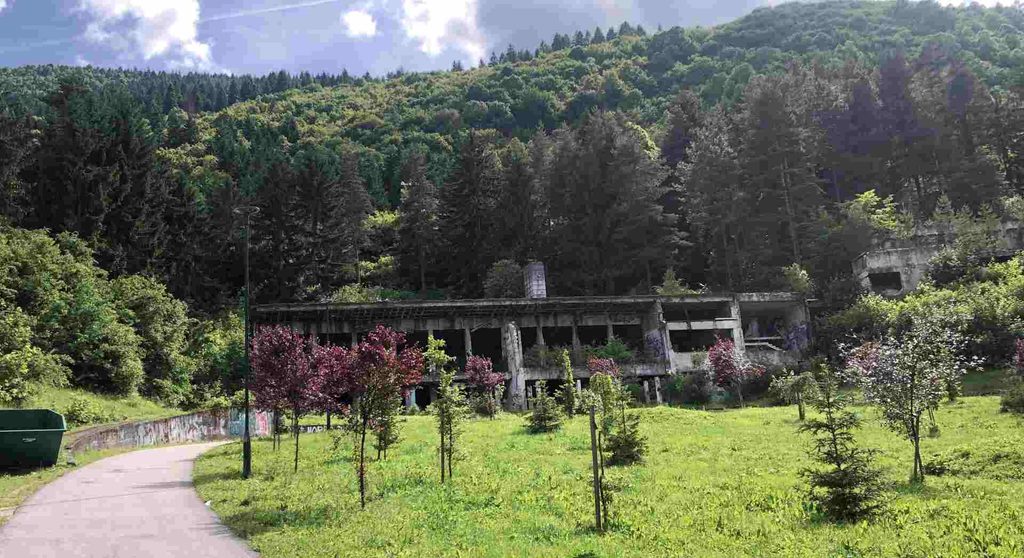
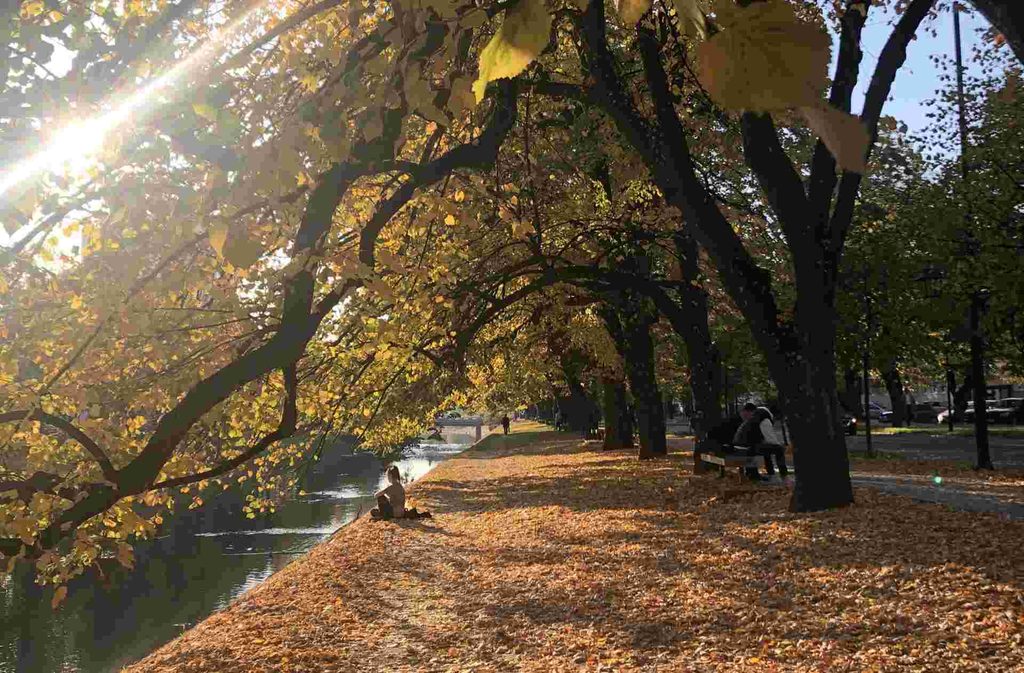
Vilsonovo Šetalište
Named after American President Wilson. Kilometer-long rows of linden trees, which show their beauty in autumn. This is an iconic place in Sarajevo. It is located along the bank of the river Miljacka. It is most beautiful during the spring when all the “linden trees” bloom and smell nice, or during the fall when all the leaves fall. In the same area, many events are often held in the summer, and there are also some cafes and restaurants with great views. It’s miles long and probably the most popular Sunday spot among the locals. It is probably the most romantic public place in Sarajevo.
Cable Car Trebević
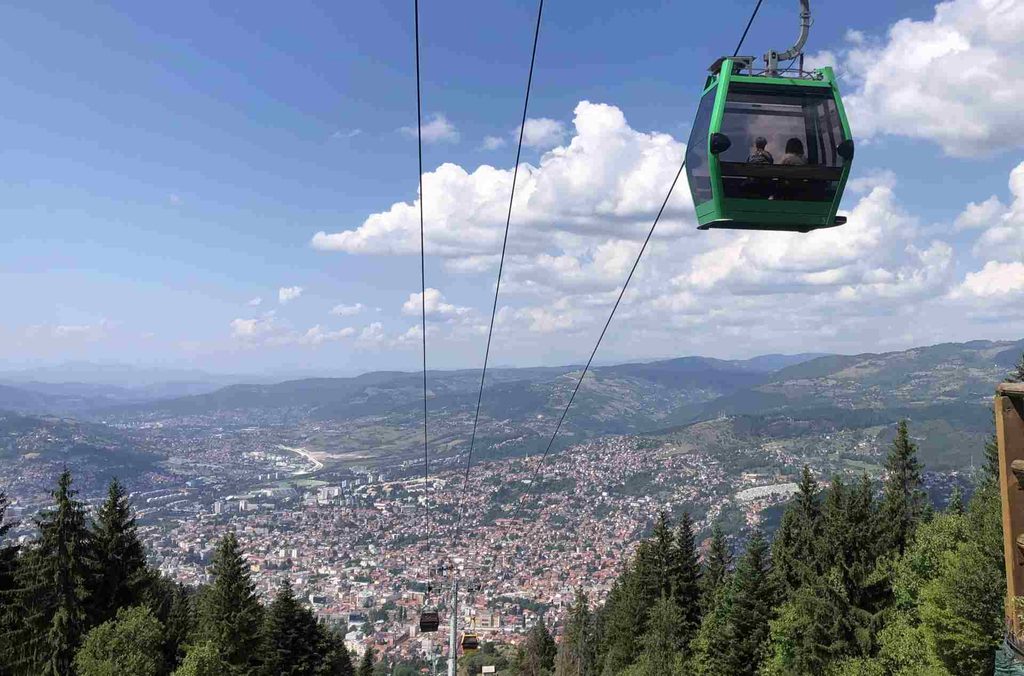
The iconic Sarajevo cable car (Žičara) is a must-see. In just a few minutes, from the Old Town, you can reach the Trebević mountain with its beautiful views and fresh air. During the winter months, when the city is covered in fog, this is a common place for locals to enjoy the sun.
If you prefer hiking, from the last cable car station you can continue hiking to the top of Trebević for about 2 hours. I have written a complete guide hiking to Trebević peak, including a .gpx file.
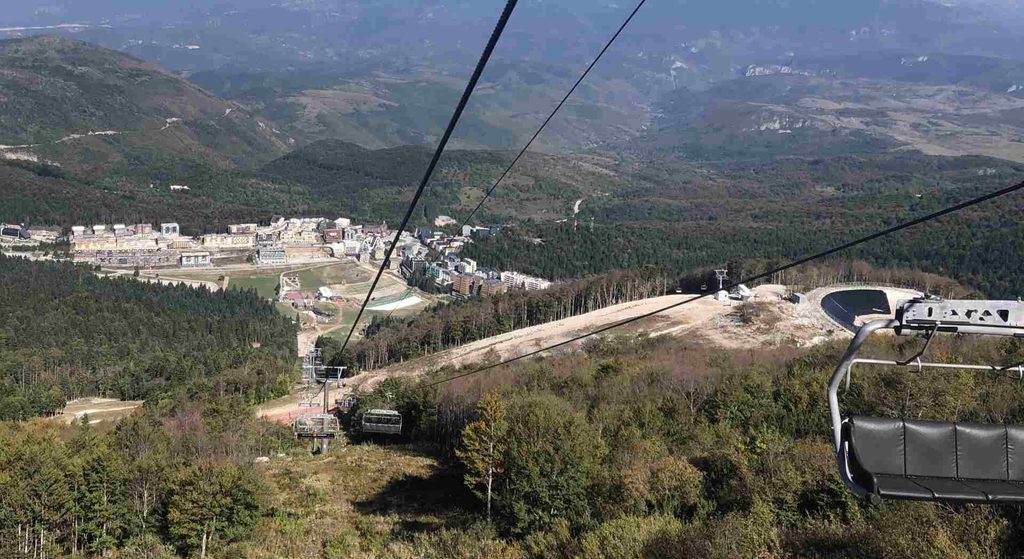
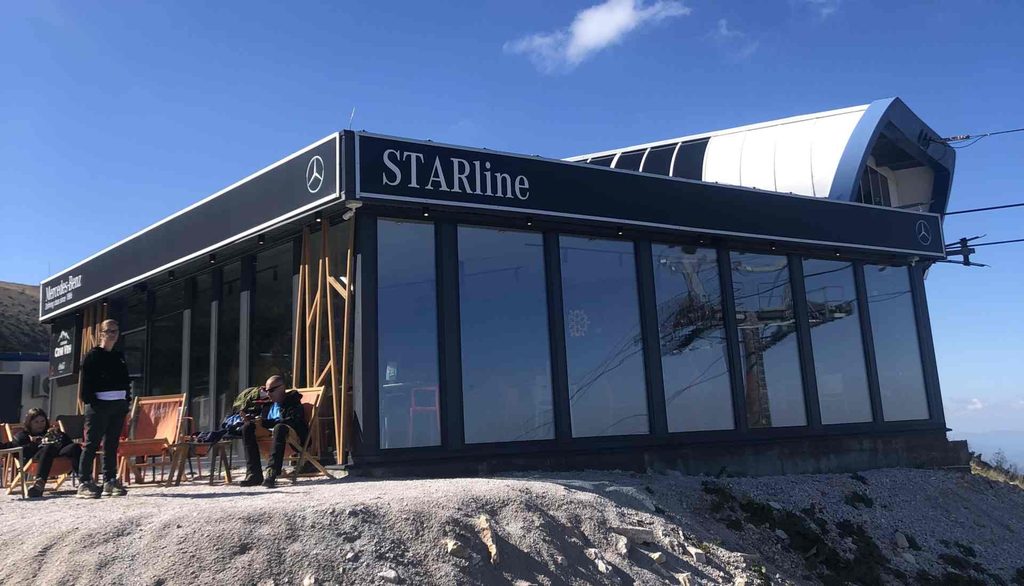
Cable Car Bjelašnica
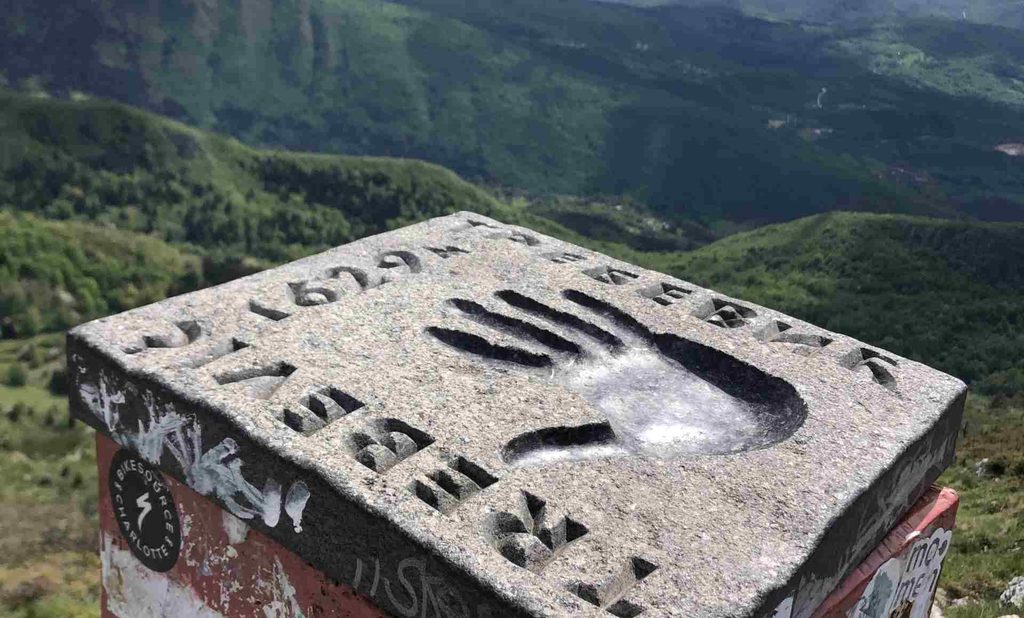
During the summer, this is the fastest way to climb the mountain and enjoy the scenery. The Bjelašnica cable car in Babin Do can reach a height of over 2000 meters, and there is even a cafe at the top. This cafe is located on the highest peak in Bosnia and Herzegovina with a beautiful view of the entire country.
National Museum (Zemaljski Muzej)
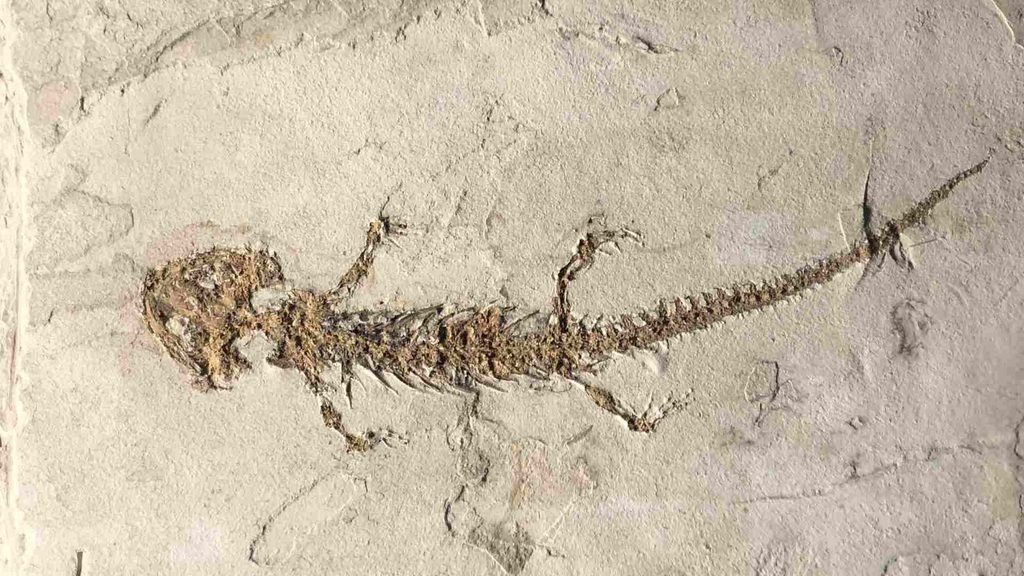
This is the oldest and largest museum in the country, founded by the Austro-Hungarian Empire. Inside, it is divided into departments such as the Department of Biology, the Department of History, the Department of Traditions, and so on, so everyone can find something for themselves. I highly recommend going there and spending a few hours to learn more about the history and historical foundations of the country from all over the country.
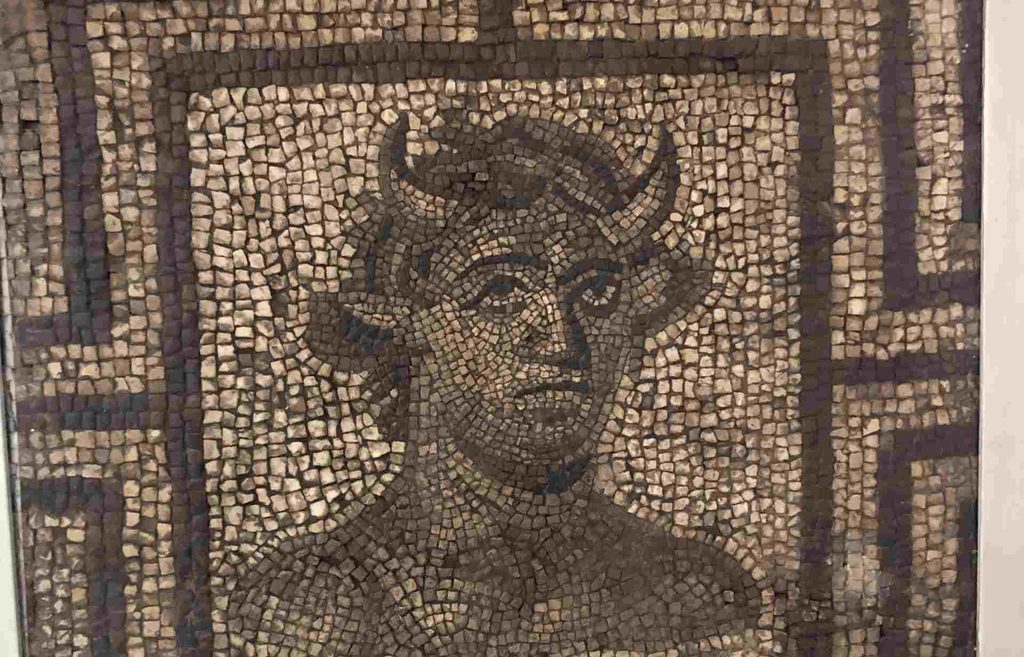
Inside the National Museum are many mosaic textures from the Roman Empire, found in Herzegovina, which remind me of the symbols of the city of Gaziantep and the huge mosaic museum there.
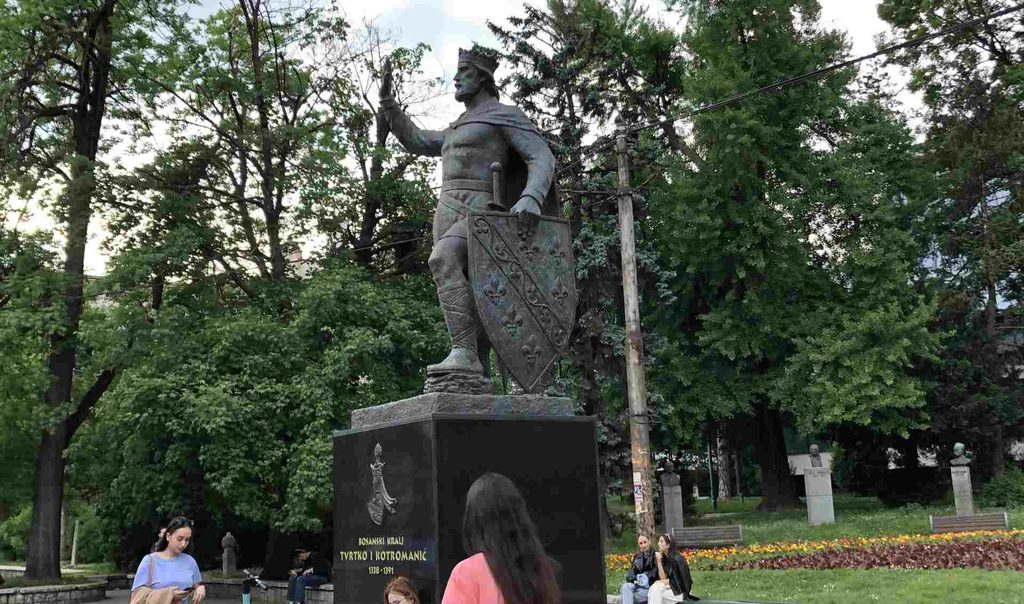
Tvtko Kotromanić Statue
In front of the Presidency of Bosnia and Herzegovina there is a statue of the Bosnian medieval king Tvrtko Kontromanić, who ruled between 1353 to 1391. He was also a close relative of Jadwiga of Poland (Elizabeta Tvrtković Bosniacka’s daughter), who left a great mark on Krakow and all of Poland.
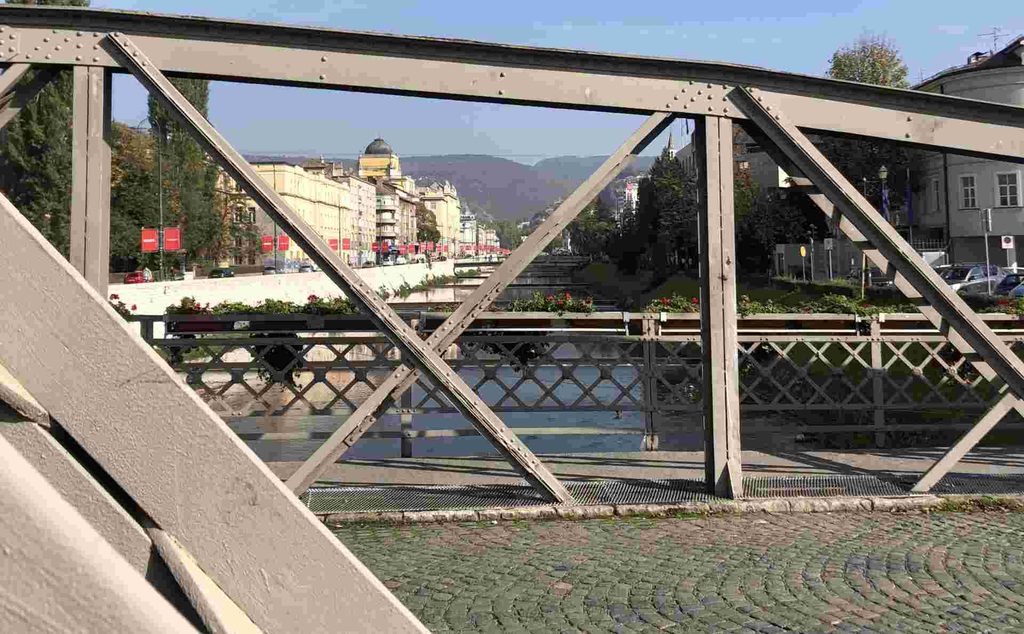
Bridges on Miljacka
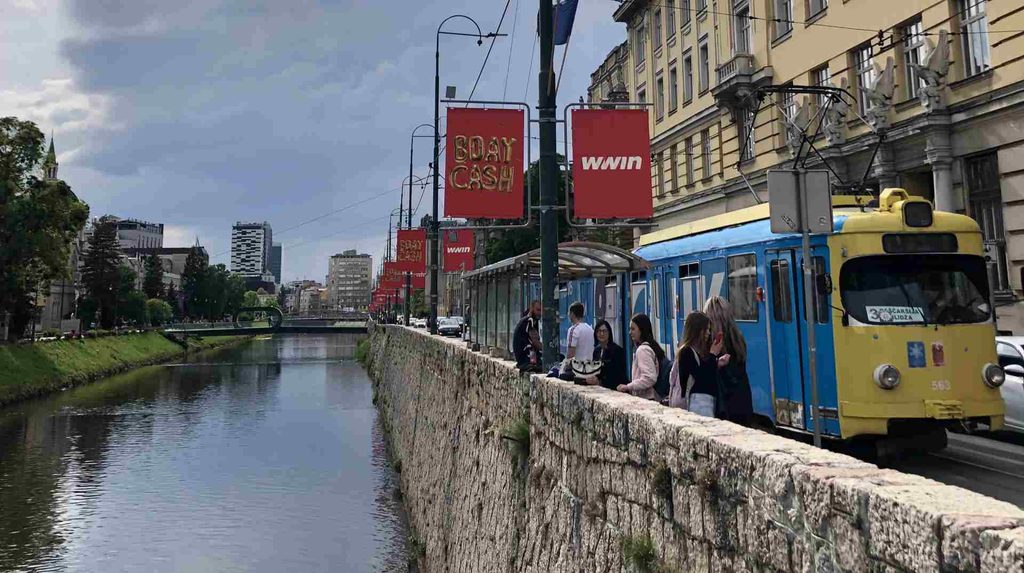
In some tourist guides, Sarajevo is called the “City of Bridges” and that is somewhat true. There are many bridges that divide the city into two parts and give it a special magic. The most popular bridges are: the Festina Lente Bridge, the Latin Bridge, the Eiffel Bridge (made of Eiffel Tower structures?) and the Ars Aevi Bridge.
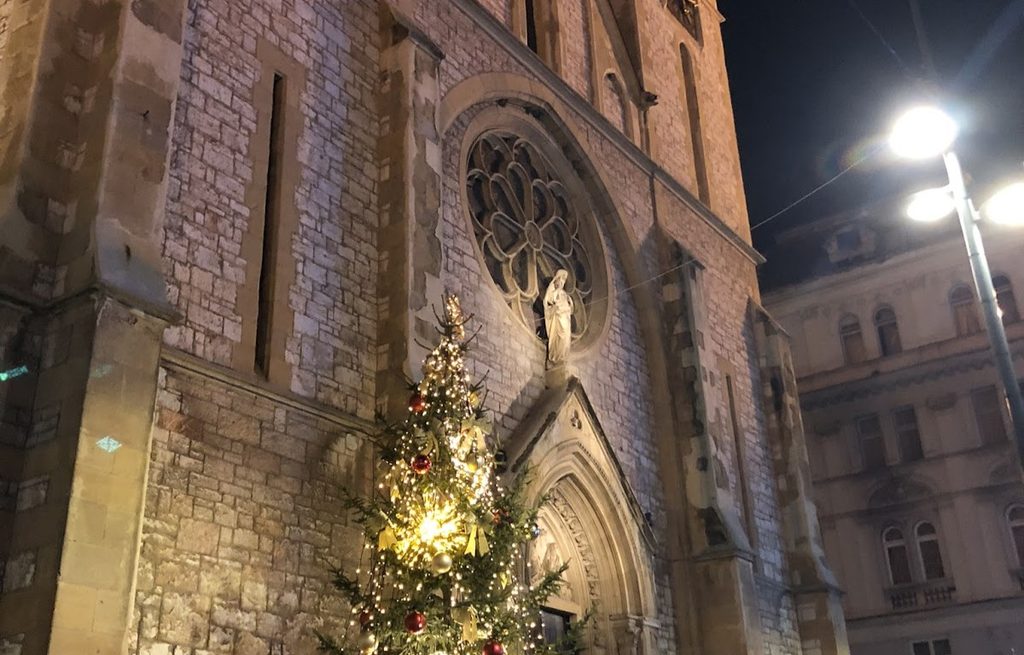
Sarajevo Cathedral (Sacred Heart Cathedral)
Completed in 1887, its the city’s most popular cathedral in the neo-Gothic style. It is a common meeting place for people on Ferhadija Street, a place for photography, and a location where many events are held, mainly during the Christmas period.
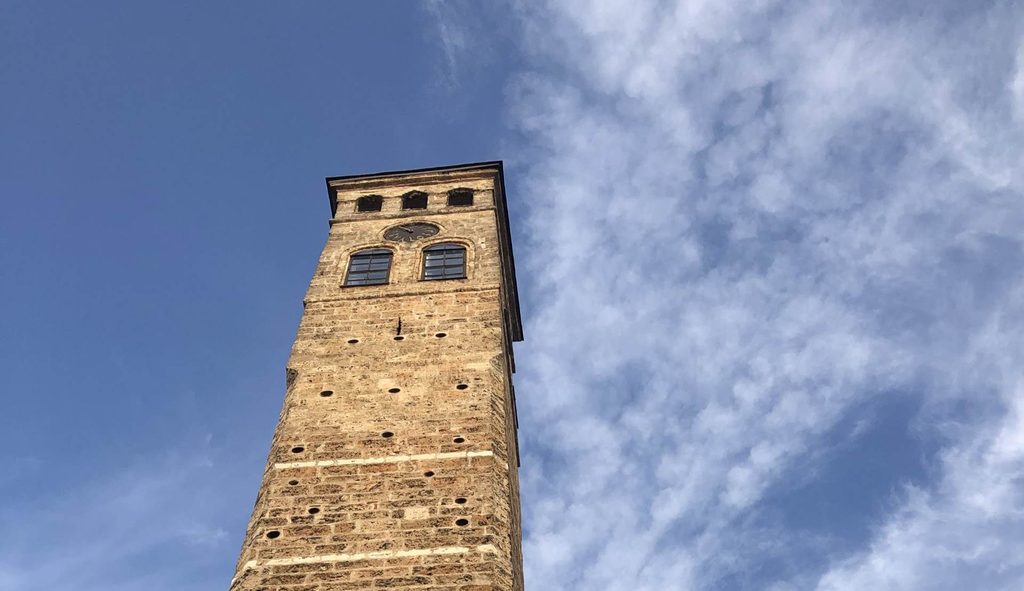
Sahat Kula (Clock Tower)
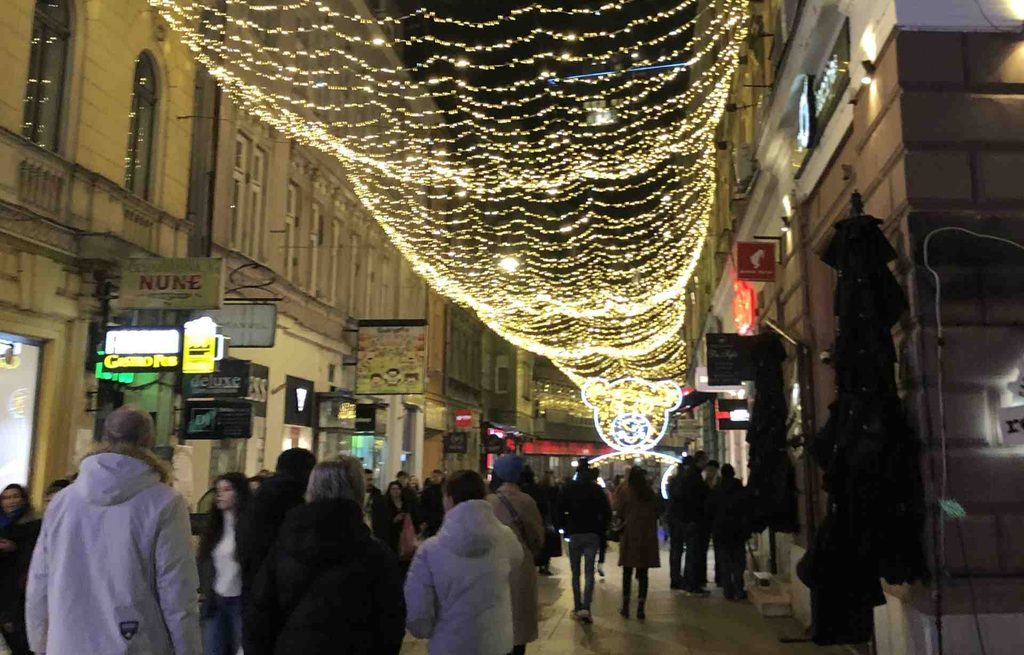
Sahat Kula is a day-light clock located near the Bey Mosque. It is unique because it shows the time between sunrise and sunset and is the only such clock in all of Europe. It is also very popular because of the cult film “Walter Defends Sarajevo”. The clock at the top was made in London by Gillett & Johnston in 1873. It is a national monument of Bosnia and Herzegovina.
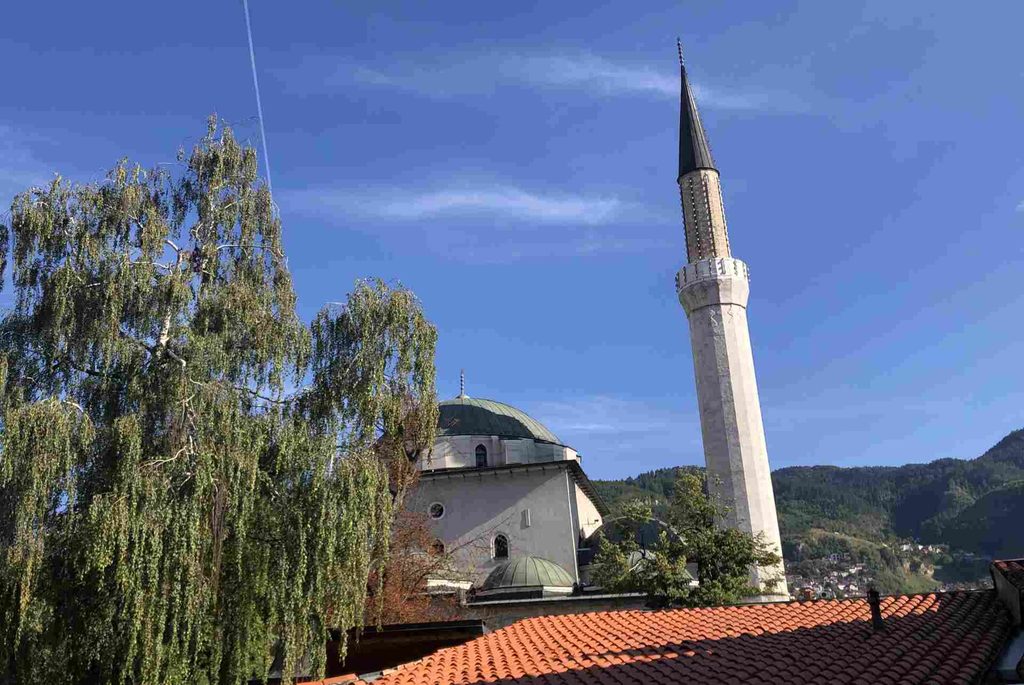
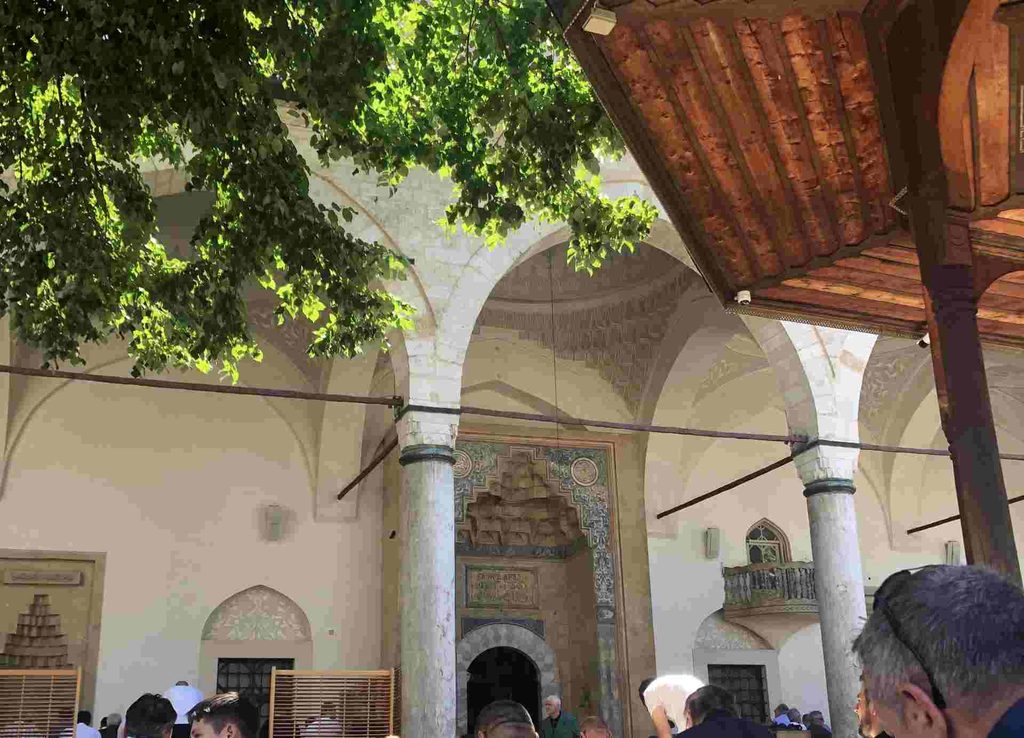
Gazi Husrev-beg Mosque
Beg’s mosque is the first mosque in Sarajevo that was named after Gazi Husrev-beg in 1530. It is the central mosque for all Muslims in the country and the site of many spiritual events.
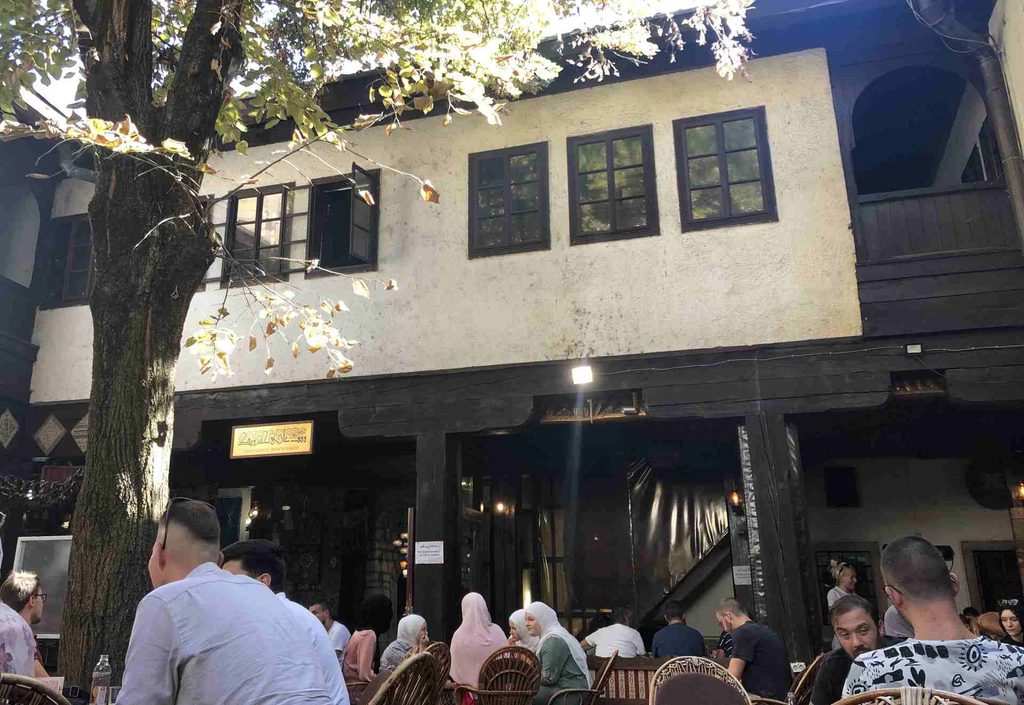
Morića Han
Morića Han is a place in the center of the old town that used to be a resting place for travelers. Now it is a place with restaurants and cafes, and large trees in the middle create natural shadows during the summer. Old travelers parked their horses and spent the night there, and it is the only place that has survived the old days in the city. Notice how old forests were used for construction.
Igman Mountain (Car required)
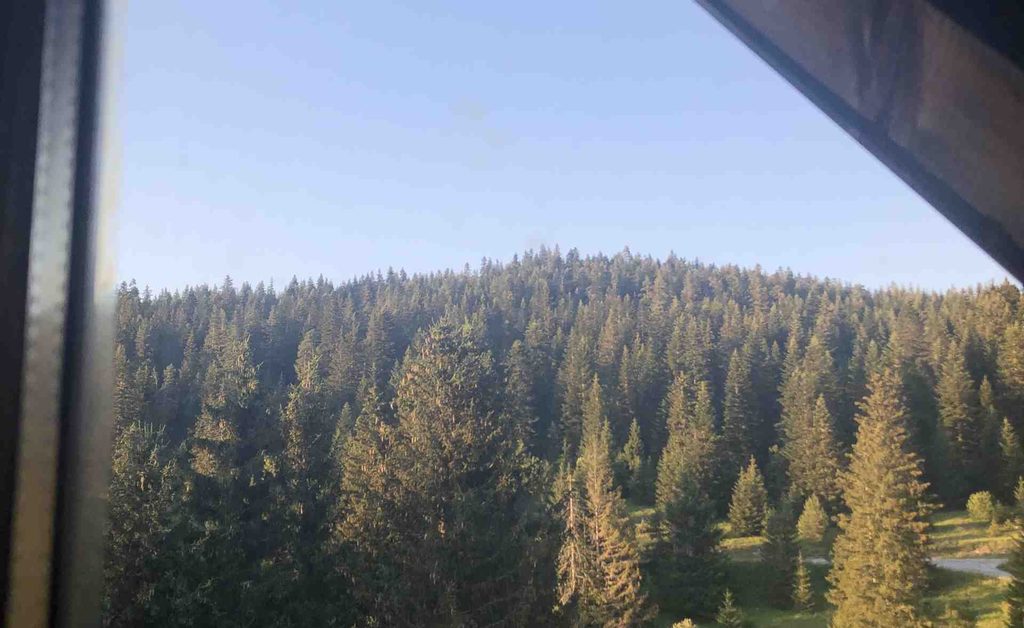
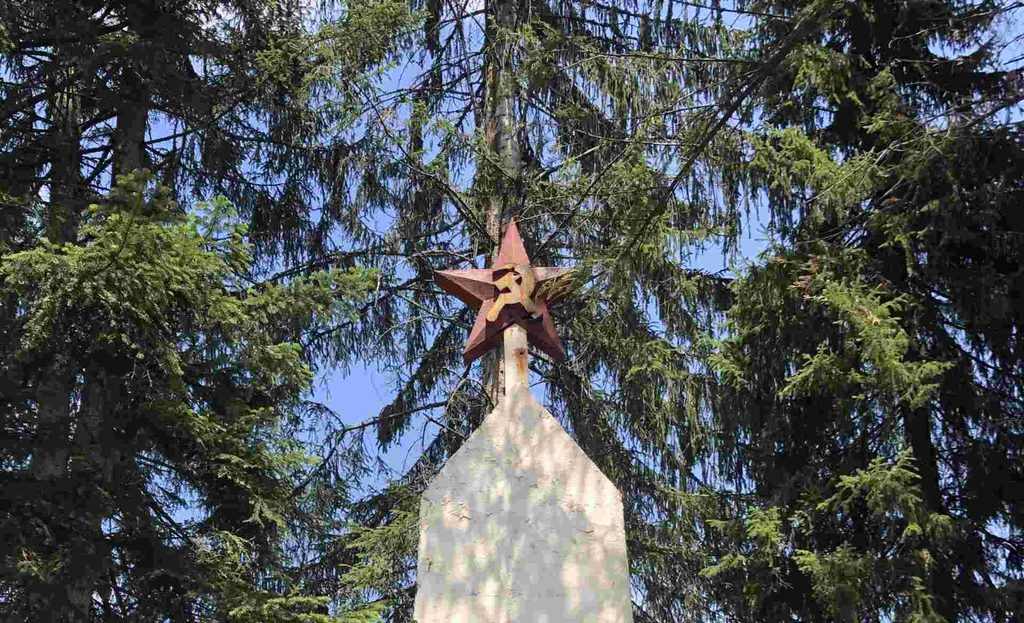
During winter or summer, Igman and Bjelašnica are great places to visit. Both are “Olympic mountains” and during the weekend many tourists come here for a picnic or barbecue. The so-called “Igman March” was held on Igman, which remained a symbol of the partisan struggle in World War II.
Skiing near Sarajevo
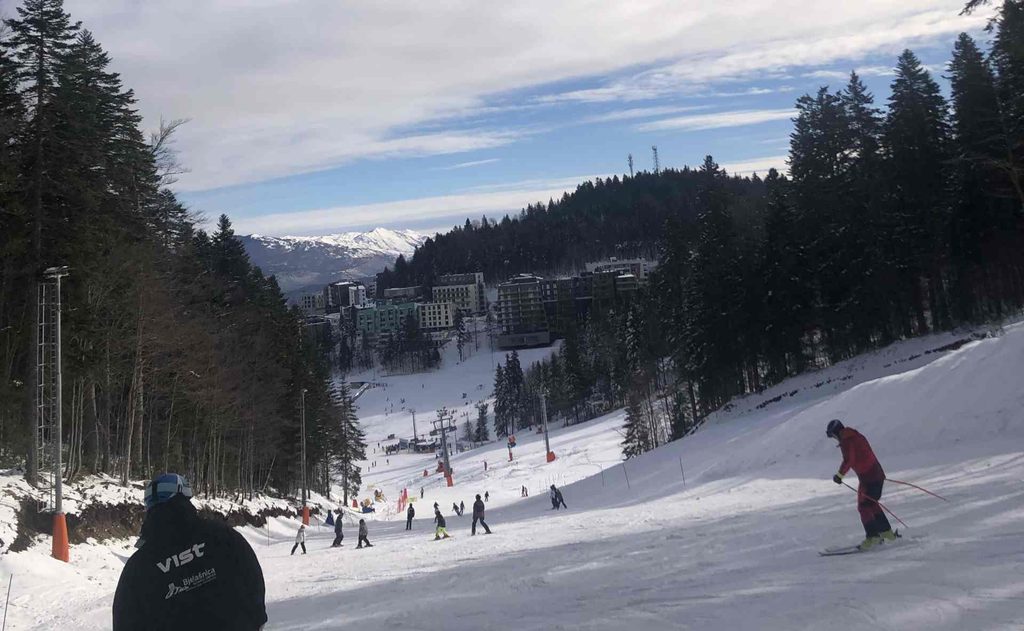
Skiing in Sarajevo and for the people of Sarajevo is very common. Since mountains with ski infrastructure are close by, most of them learn to ski on day trips during school. I skied at Bjelašnica (Babi do), where it is also possible to rent ski equipment.
Visočica Mountain (Car required)
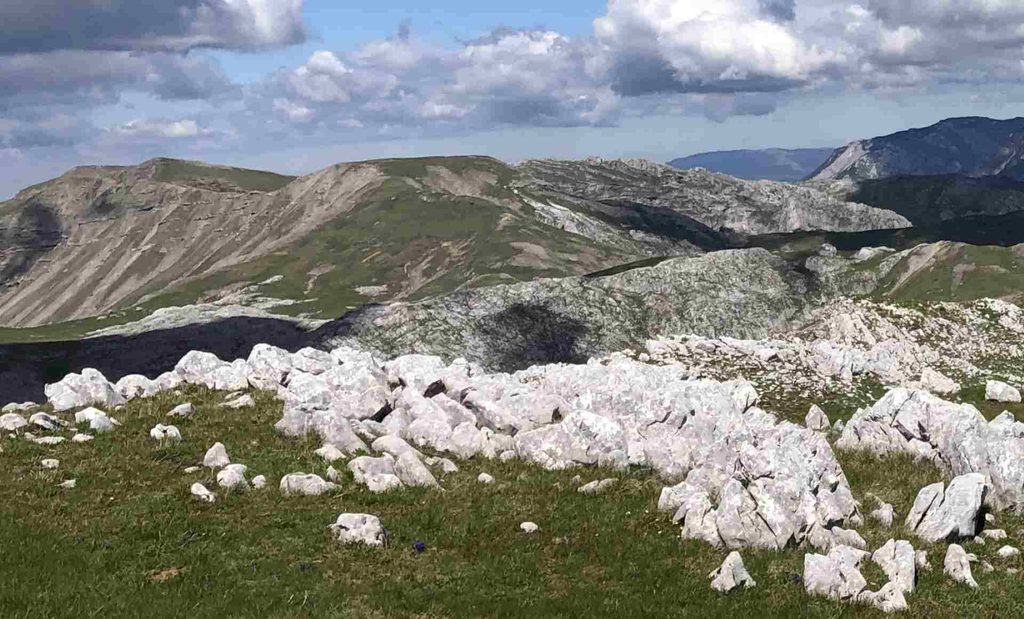
Near Bjelašnica and Igman is one of my favorite hiking spots in Bosnia, Visočica. I like it for many reasons, but one of the main ones is the unique panoramic views, and from the top of Visočica “Džamija” you can see so many peaks and places not only in Bosnia and Herzegovina, but also in Croatia and Montenegro. You will need a car for this trip, and it is about 1 hour from Sarajevo. The starting point is near Stešće, after Bjelašnica and Babino Dol on the same road.
Bijambare and Caves (Car required)
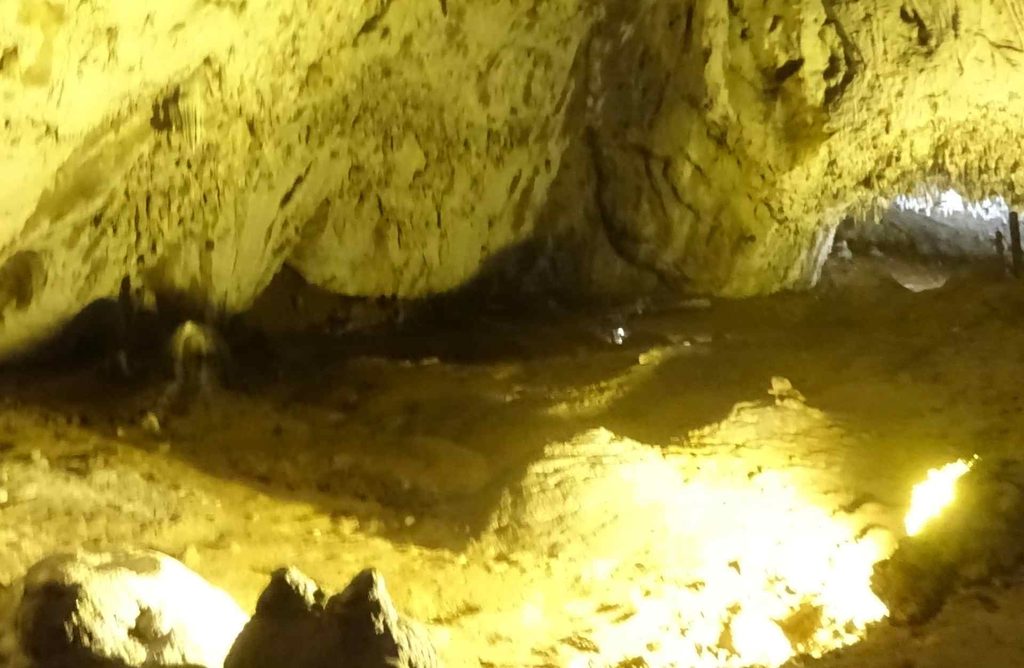
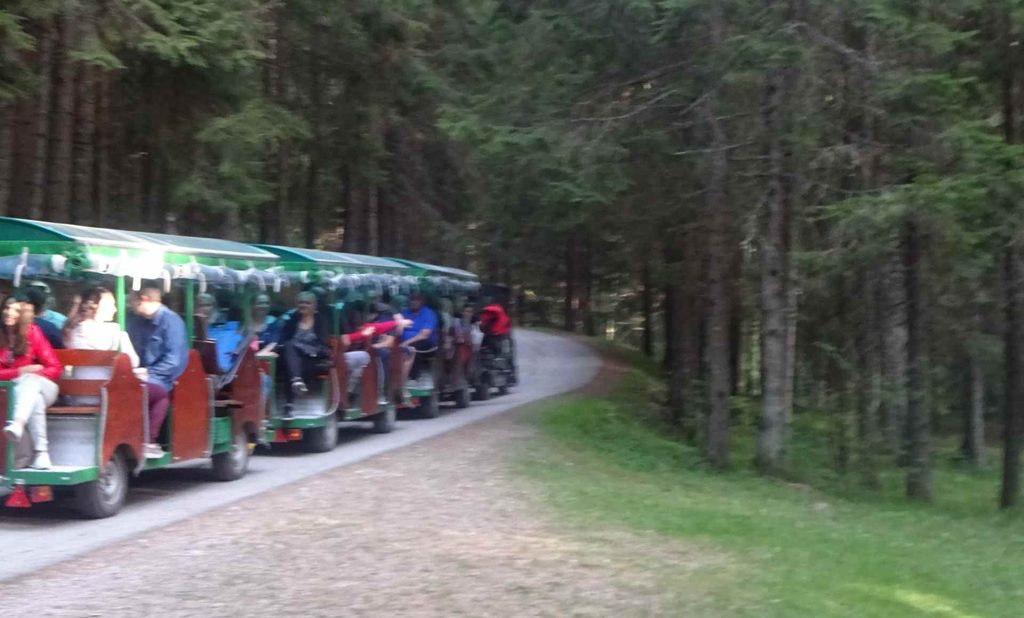
Located near the frequently used M18 road that leads north from Sarajevo, there is a popular nature spot with caves called Bijambare. It is about an hour away from Sarajevo and is definitely worth a visit. You will have to pay a few marks. At weekends it’s a popular rustic spot for locals, with little trains inside and a barbecue area. For me, visiting the cool caves during the heat of summer is the best time to visit. Note that you will need a car to go there or you can catch buses going north, but you have to ask the driver if he is willing to stop near the enetrance.
Eastern Europe (Soviet) Style Architeture in Sarajevo
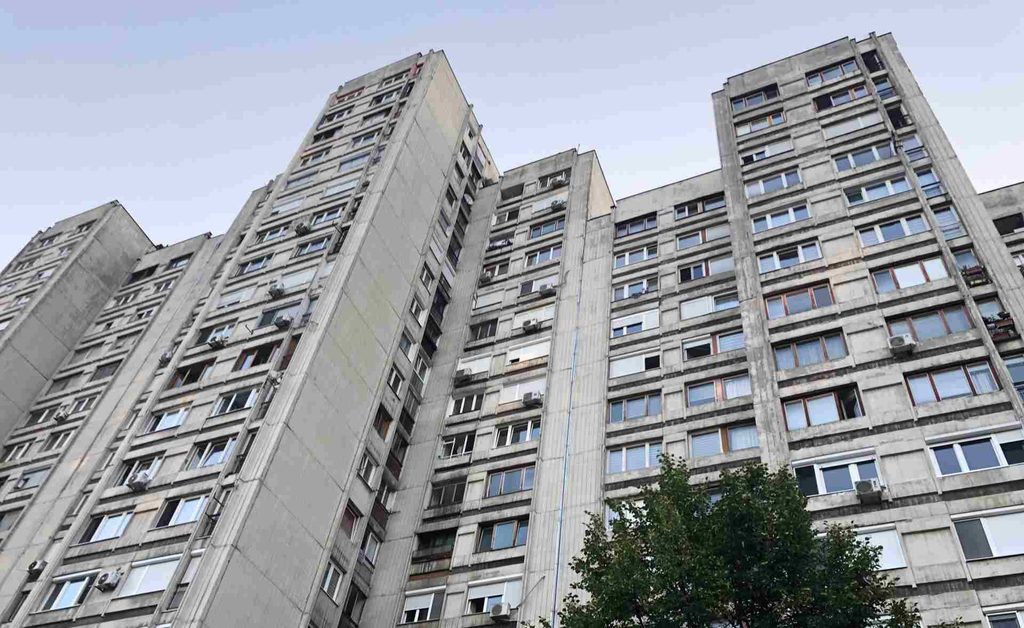
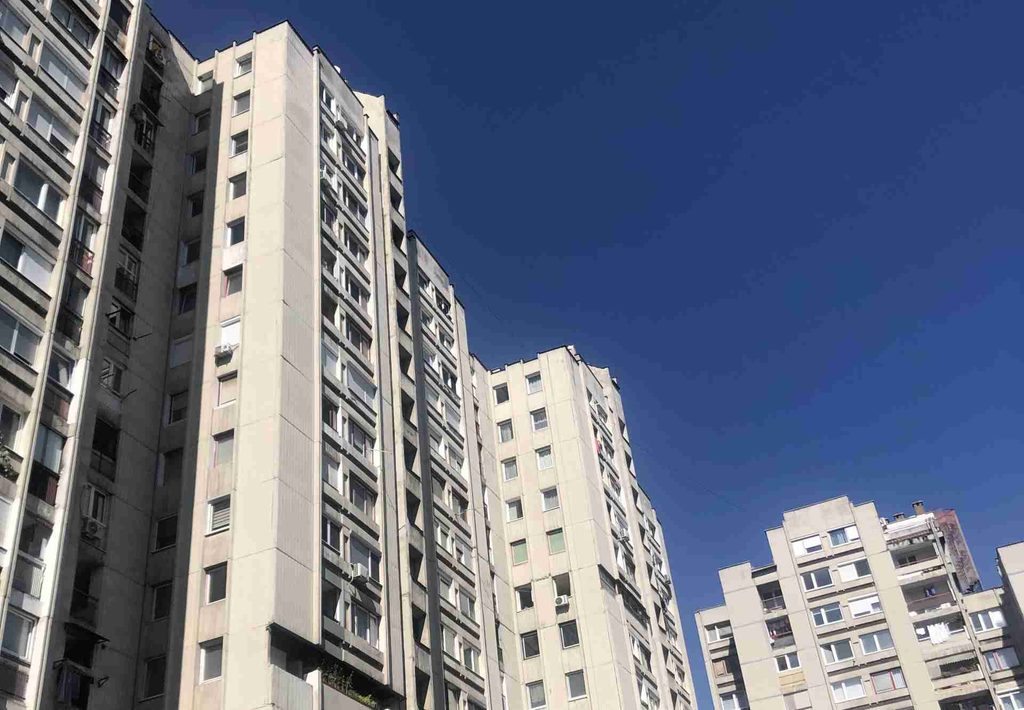
Sarajevo was mostly built during the Yugoslav era, when it was the capital of the Socialist Republic of Bosnia and Herzegovina. After World War II, there was a lot of industry and immigration to Sarajevo, and there was a great demand for workers. Some of the blocks look so gray and interesting that they are worth exploring. I will write another article about it, but for now there are few pictures. These pictures are from Novi Grad (Alipasino Polje) and they remind me a lot of the buildings in Chisinau, Moldova.
Modern Arhictiteure
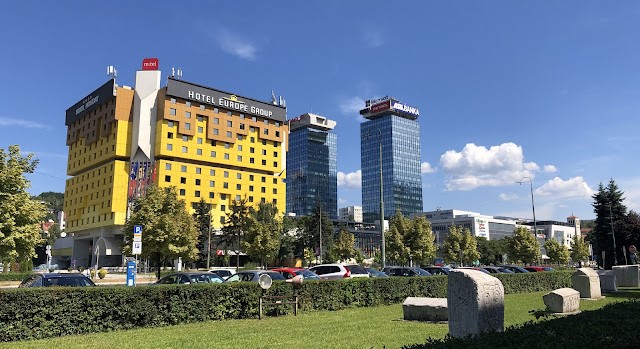
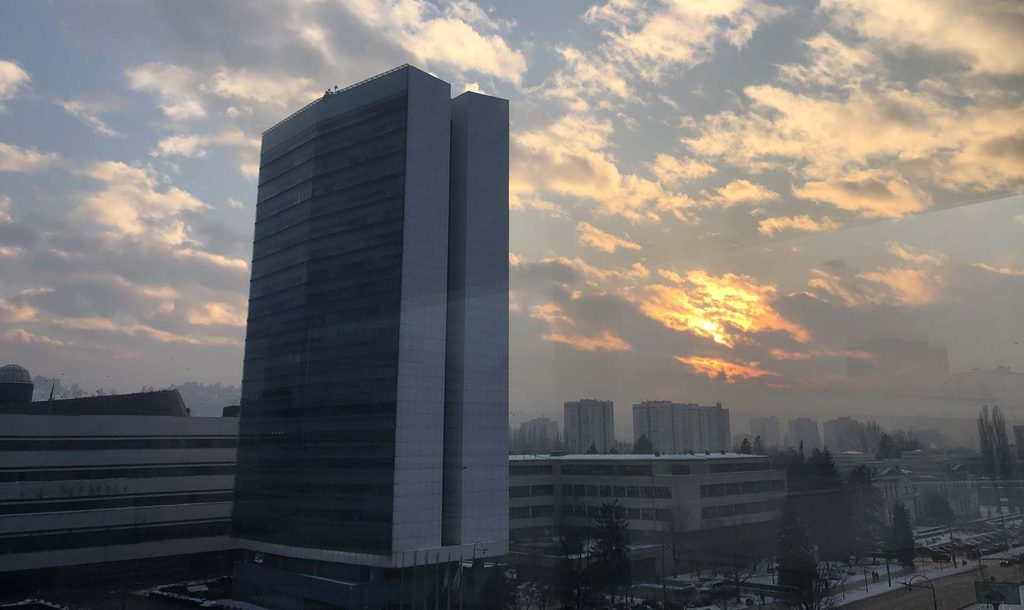
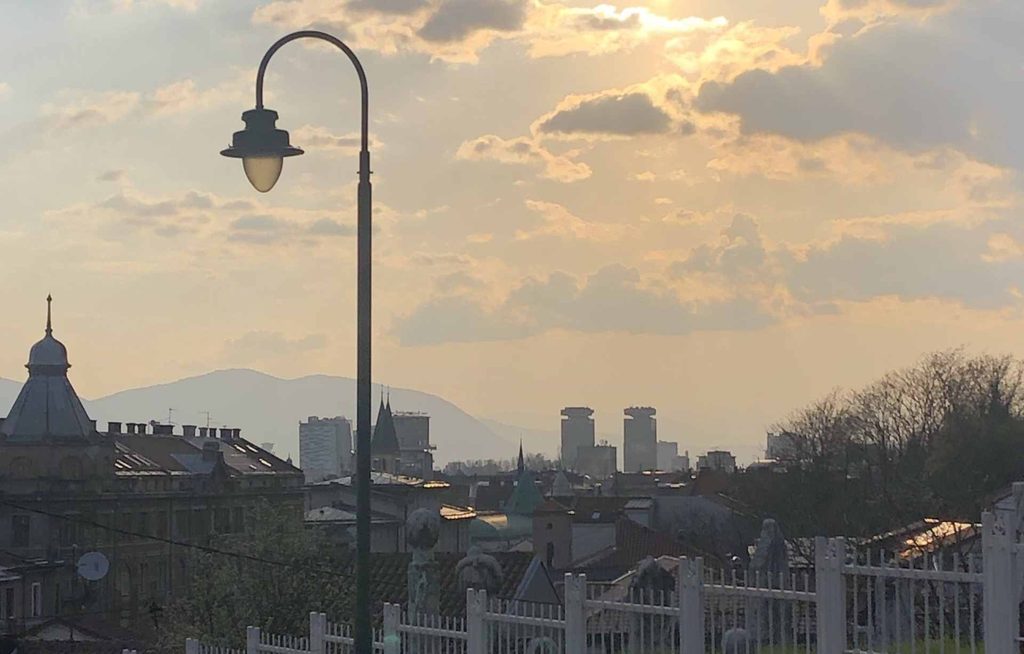
Sarajevo City Center, Avaz Tower, Imporane Center, Sarajevo Tower and many other buildings are representing modern architecture of the city. A large number of modern buildings have been built in various places in the city, most of which are hotels and shopping centers. Today, many new buildings are also being built on the mountains around the city, most of which are on Trebević.
What else to visit
Depending on what interests you, you can visit several museums related to the last war in Bosnia (1992-1995) such as the Tunnel of Salvation or the Alija Izetbegović Museum, the Museum of War Childhood, where you can see how people lived and survived the siege of Sarajevo.
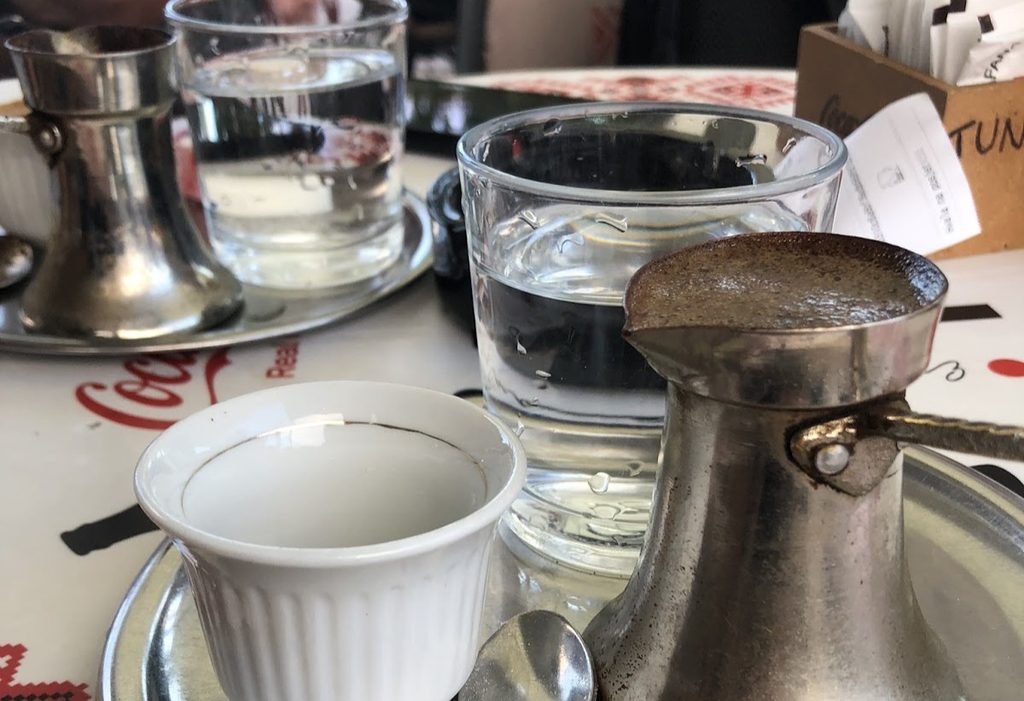
It is one of the most popular cities in the Balkans with a mixed history, architecture and tradition. The nature around the city is incredible and easily accessible. Thanks for reading and don’t forget to try Bosnian coffee.