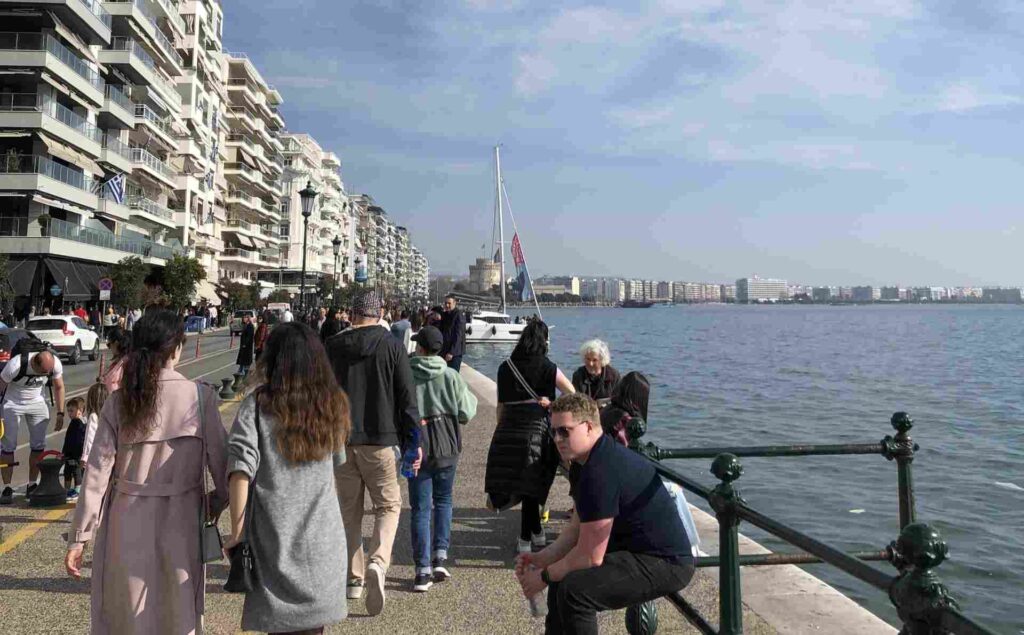
It’s difficult even to think about Greece or Thessaloniki and not to think about sea or history. Thessaliki, with all museums, old streets and buildings, sea near the city, visible mountains, is real represent of the whole Greece. If you have doubt to go there, definitly go. I am going to share you what to see and what to do, from my firsthand experience. Thessaloniki is one my favorite cities that I am returning often, so depending how long you are planning to be there, you can orgnise what to see from my recomodation. known as Solun or Salonica, depending on the language. Even this variety of names is interesting, showing the city’s significance to many countries and cultures. It has always been important as a hub, a place worthy of being named specifically in different languages. You can’t get lost in Thessaloniki because of the hills, so if you feel lost, go down and you’ll end up next to the city where there are pedestrian zones.
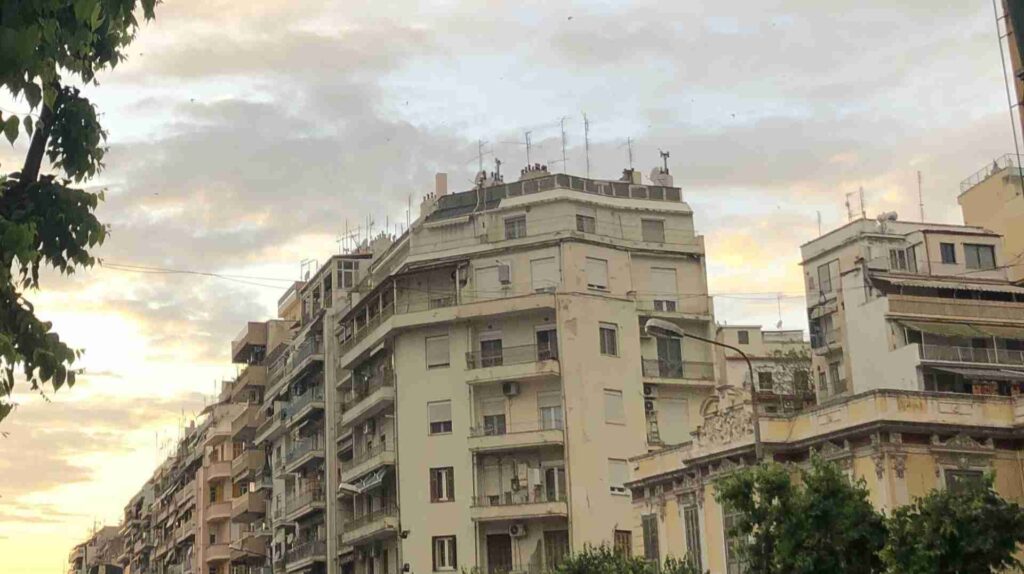
One of my first impressions upon arriving in Thessaloniki was the sight of antennas and water boilers scattered across the rooftops of buildings. Almost all the buildings are painted in light colors, probably to reflect sunlight and reduce heat, which seems to have become a defining style. Thessaloniki is a city of uniformity, with no houses or skyscrapers,but rows of apartment buildings. Interestingly, many older structures, like churches or ancient buildings, are now below ground level. Over time, as the soil shifted and the city grew, these structures became partially buried.
Thessaloniki is a Mediterranean city but lies further north than most Mediterranean cities, creating a mix of southern and northern influences. This gives it a semi-continental climate, influenced by its proximity to the Balkans. Greeks even have a word, barbáris, to describe the harsh northern winter. Snow in Thessaloniki is rare, but winter temperatures can dip to around zero degrees Celsius. In summer, however, the area becomes a hot tourist spot, especially the nearby Chalkidiki region, one of the most popular summer destinations in Greece and Europe. If you’re flying into Thessaloniki, you can reach the city via bus 01X, with tickets costing €2,0. It’s possible to pay only with credit card, inside of the bus. The starting point is conveniently located near the airport.
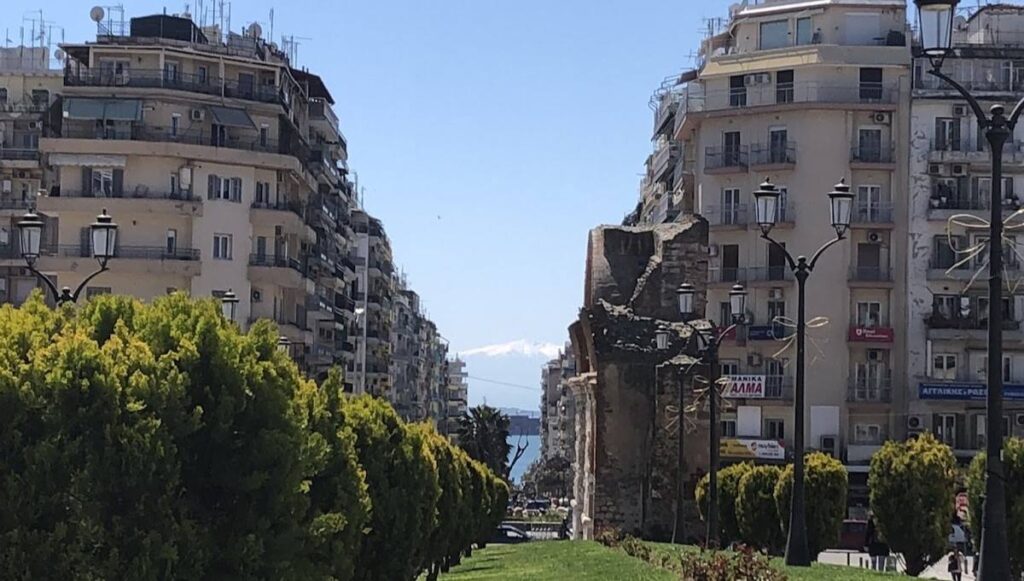
Thessaloniki’s history is long and complex, capable of encompassing the history of ten countries in one city. It was a major city during the Roman, Greek, and Ottoman eras. Because of this, its population has shifted frequently and unpredictably, with events like population exchanges and the deportation of the Jewish community leaving lasting marks on its identity. Many of them ended up In Auswitz.
Thessaloniki never sleeps. You can always find something open, whether it’s a place to grab a drink or just enjoy the city’s vibrant nightlife. The energy of Thessaloniki is contagious.
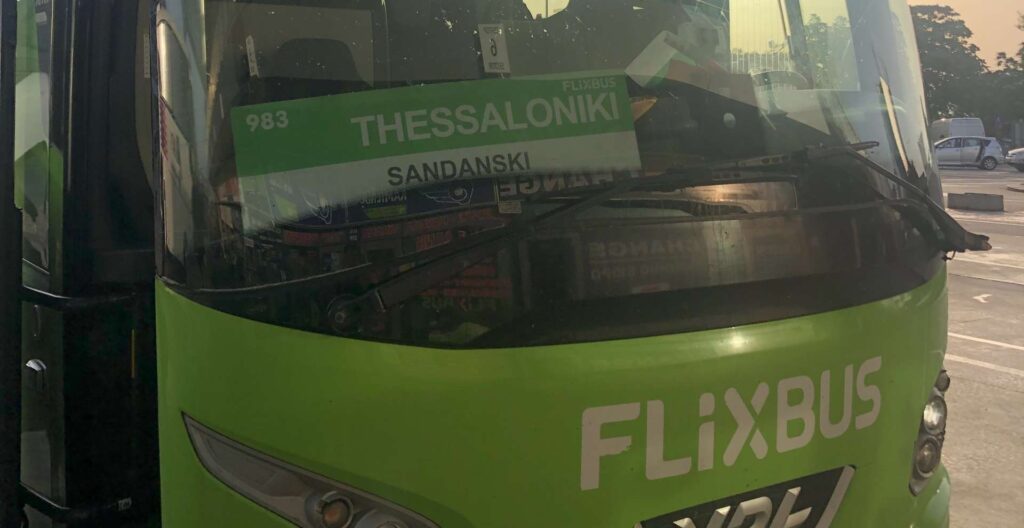
Before World War II, Thessaloniki had the largest Jewish community in Greece. During the German occupation, the Jewish population numbered approximately 50,000. Between 1941 and 1943, Thessaloniki’s thriving Jewish community was destroyed. Fewer than 2,000 Jews returned to Thessaloniki after the war ended.
On March 15, 1943, the first train departed with 2,800 people. The people were packed into overcrowded cattle cars, each carrying 80 people, and embarked on a journey that lasted for days, in miserable conditions. By August 10, a total of 19 trains and 46,061 Jews had been forced to leave the city. By the end of August, the “Balkan Jerusalem” was emptied of Jews. Most of them ened in Auschwitz Birkenau, Darkest Place in Europe.
Pasha Garden
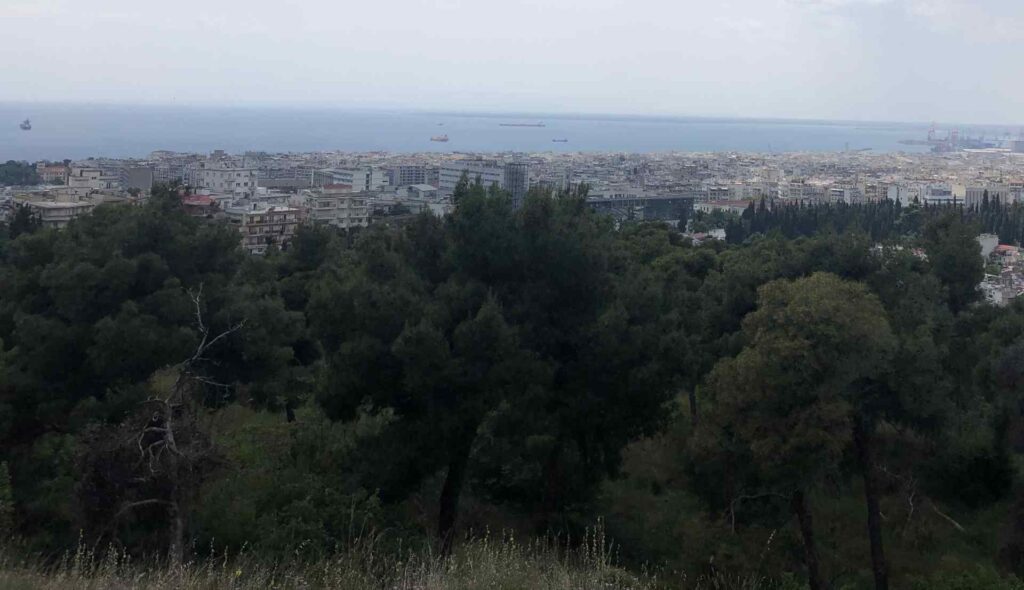
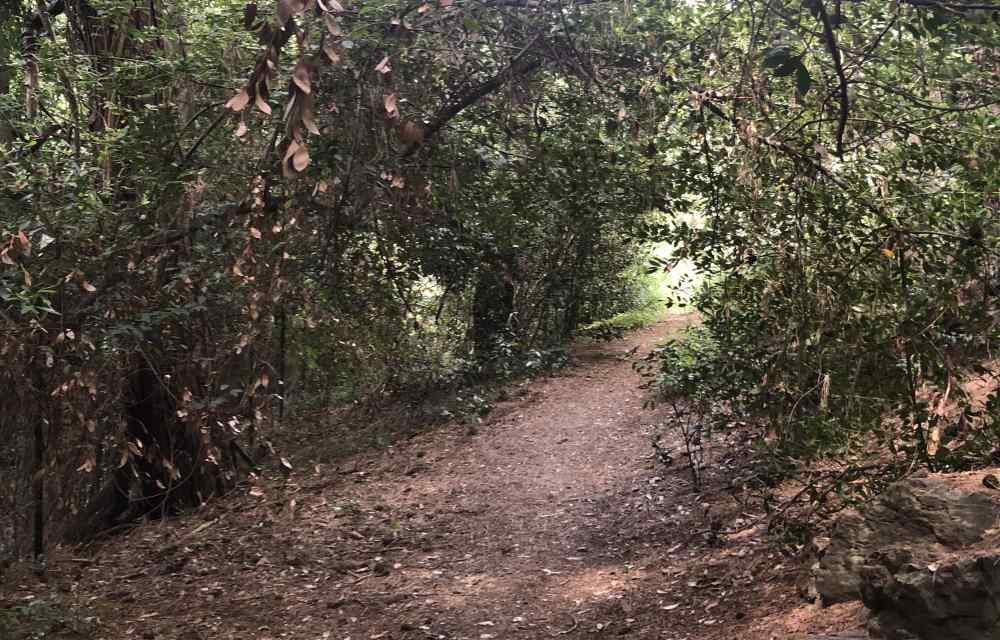
If you follow my blog, you can see that I spend a lot of time in the forest or in the mountains. If I’m in the city, I try to find green spaces again. In a noisy city like Thessaloniki, green spaces are worth a lot. There is a great place for picnics, walks or runs. It’s one of the few places you can walk that isn’t made of concrete.
White Tower
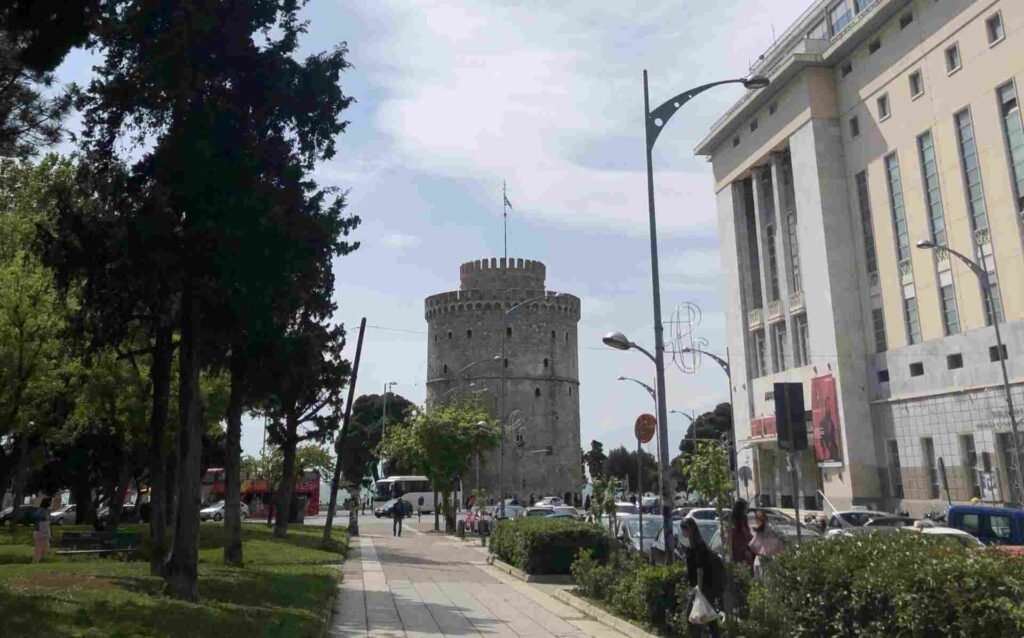
The White Tower (Lefkos Prgos) is the main symbol of Thessaloniki. There are many other older symbols of the city, but somehow the White Tower has become a symbol. During the sunny period, this area was very popular for watching the sunset and is one of the many places in the city where you can enjoy the sun.
The White Tower, which coincidentally became the symbol of Thessaloniki, was built in the late 15th century on the site of an older Byzantine tower, where the eastern wall and the sea wall met. The White Tower is 33.9 m high and consists of a ground floor and six floors with a dome on top. Until the beginning of the 20th century, the Tower was surrounded by a low octagonal wall, which was probably built in 1535/36; three corners were reinforced with smaller towers. The tower has had many names: “Lion’s Tower” in the 16th century, “Kalamaria Fortress” in the 18th century, “Janissi Tower” and “Bloody Tower” in the 19th century, as it served as a prison and place of execution for long-term convicts. It received its current name in 1890, when a convict painted it in exchange for his freedom. After the liberation of Thessaloniki in 1912 and its unification with the Greek state, the White Tower hosted the city’s air defense, the meteorological laboratory of Aristotle University and various sea reconnaissance groups.
In 1983, the tower was handed over to the Ministry of Culture and its restoration began. This project received the Europa Nostra award in 1988. Since 1985, it has served as an exhibition space.
Port of Thessaloniki
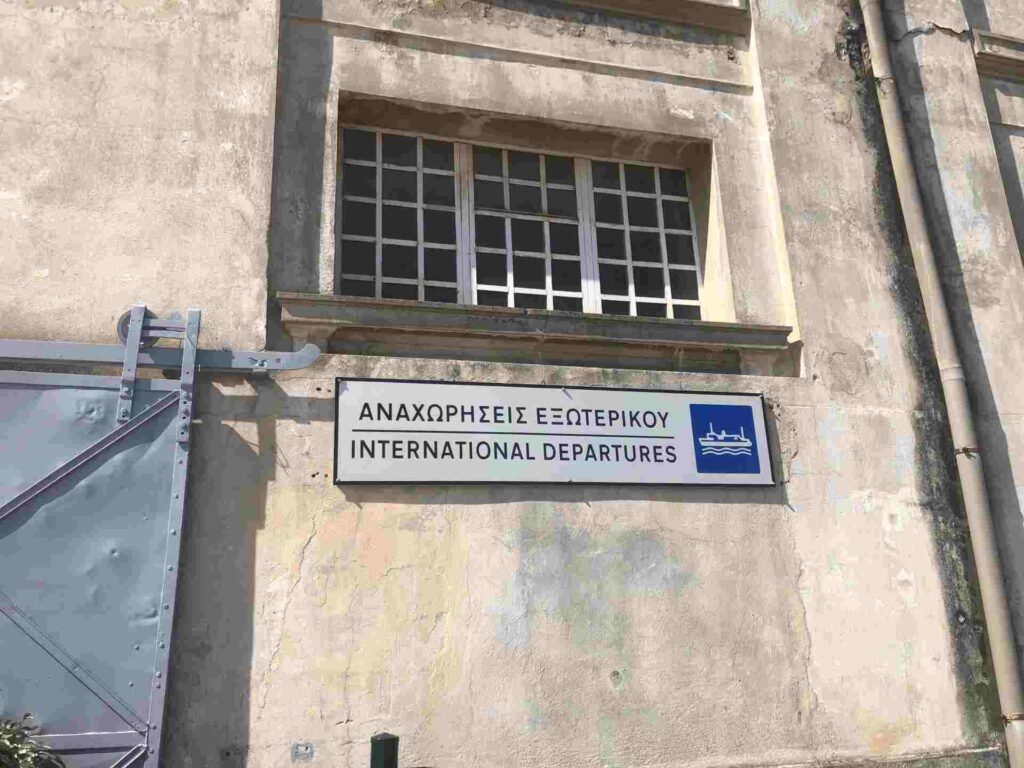
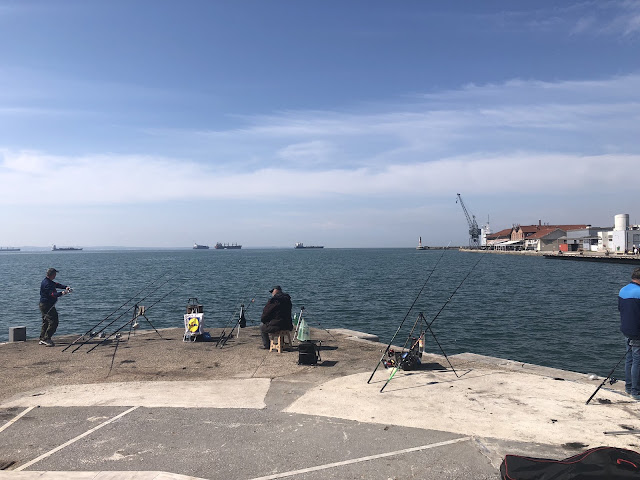
One of the main ports in the entire Balkans is located in Thessaloniki. Many historical events took place here, including the population exchange between Turkey and Greece. It is now the main cargo port for this part of the Balkans. If you are staying nearby, you will see many huge cruise ships docking here. Near the main entrance there is a great walking area with many benches. It is a perfect place to walk and take a break at sunset, and many young people do it. Late in the evening the area is closed, so keep that in mind.
The “free zone”, where goods are transported duty-free, was launched in 1925 to attract cargo transit from the Balkan countries. The old port is associated with a number of historical events, such as the presence of British and French troops during World War I, as well as the arrival of thousands of refugees and the population exchange (1922-24). In the second half of the 20th century, the port was expanded to the west, with new piers that had modern facilities, while its old warehouses were given to the city for cultural use.
Archeological Museum
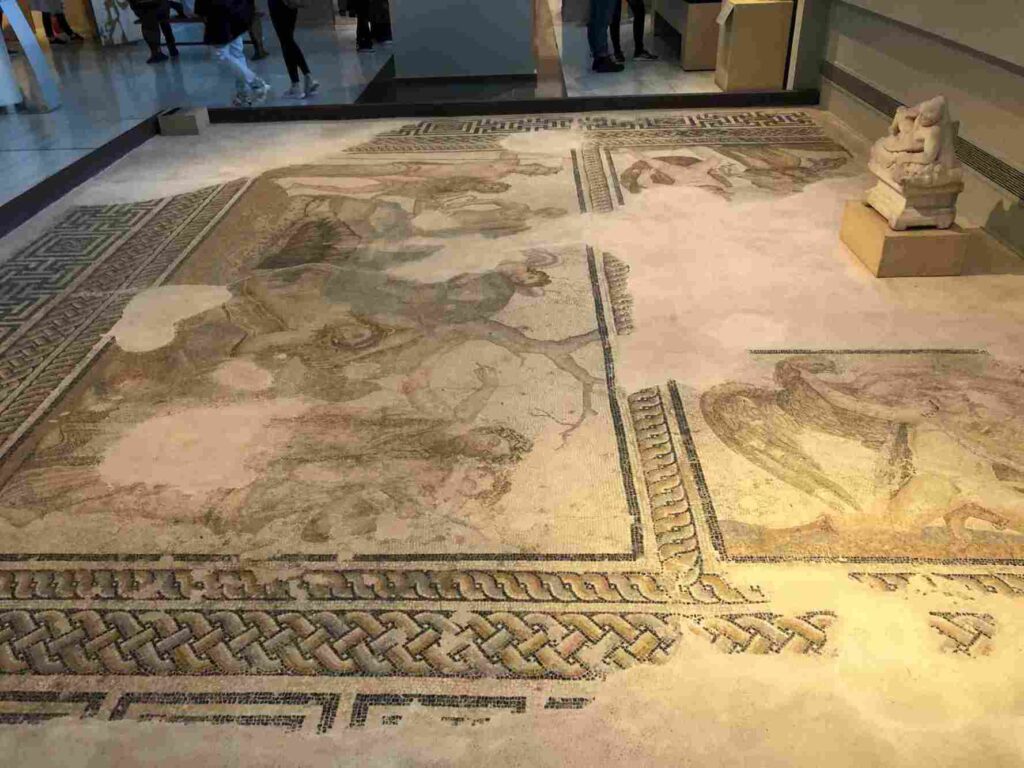
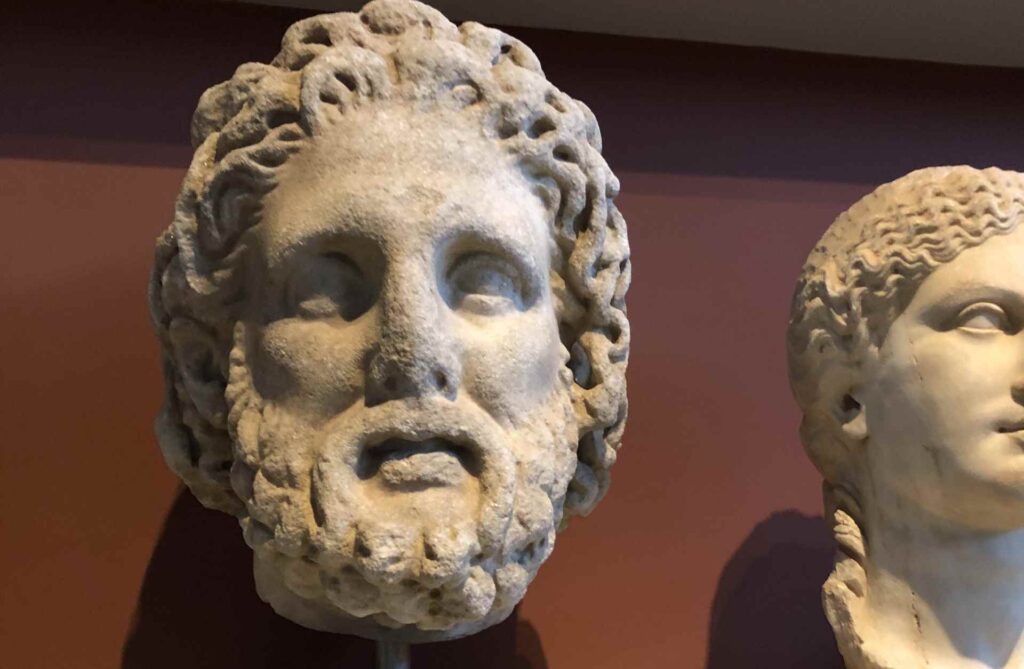
If you want to make a deeper connection with the city, a visit to the local archaeological museum is a great idea. It was unusual to see that the original artifacts were no longer protected and that you could see them without any glass. There are many interesting artefacts to see in the Thessaloniki region, such as the “Funeral State with Six Portraits” which represents the whole family, including the grandmother, or many mosaic floors, some jewelry such as copper jewelry (from a 7th century BC tomb) and stories about the role of women and how the role of women began to expand during the Hellenistic era. A woman is still mainly involved in domestic life, but she is not limited to that role. She gets an education, participates in social events, works as a saleswoman or maid.
Other things that I also liked are the “Derveni Papyrus”, or the oldest European “book” which is composed of 266 fragments and its first Greek documentary heritage has been registered since 2015 in the International Register of UNESCO’s “Memory of the World” program. I also liked the large arrowheads (used by Philip II), many in vases from the 8th century BC, or some of them even from the 10th century BC.
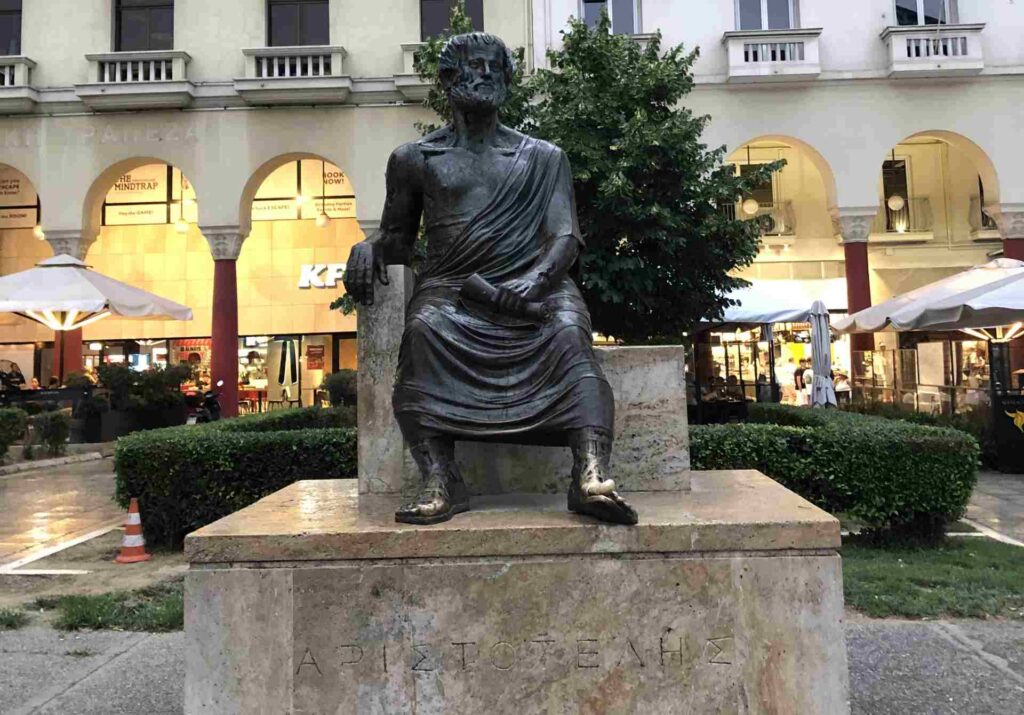
Aristotelus Square
It’s famous touristic attraction in the city. Prices are much higeer here. The region surrounding Thessaloniki is famous for its connection to Aristotle and Alexander the Great. Their legacy is still present in the city, reflected in its street names and landmarks, such as Aristotle Square and Aristotle University, the largest university in the Balkans. Thessaloniki also has a distinct Balkan feel. You can hear cars driving around with loudspeakers, announcing the collection of old appliances or other items. It’s common to see vendors selling fresh fruits and vegetables directly from the backs of their vehicles, adding to the city’s lively streets.
Kamara and Rotunda
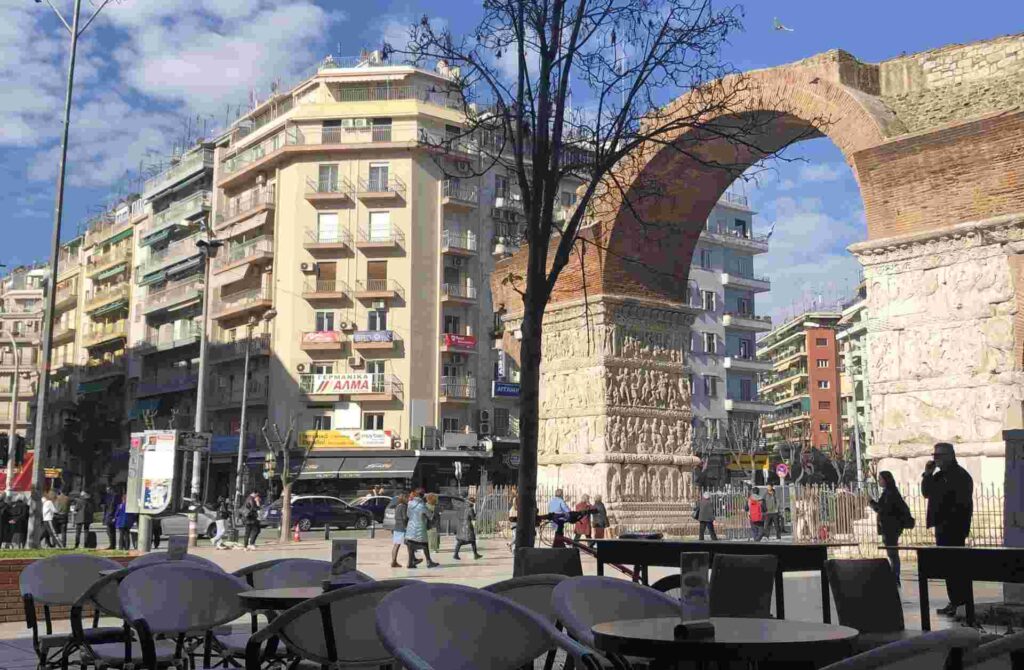
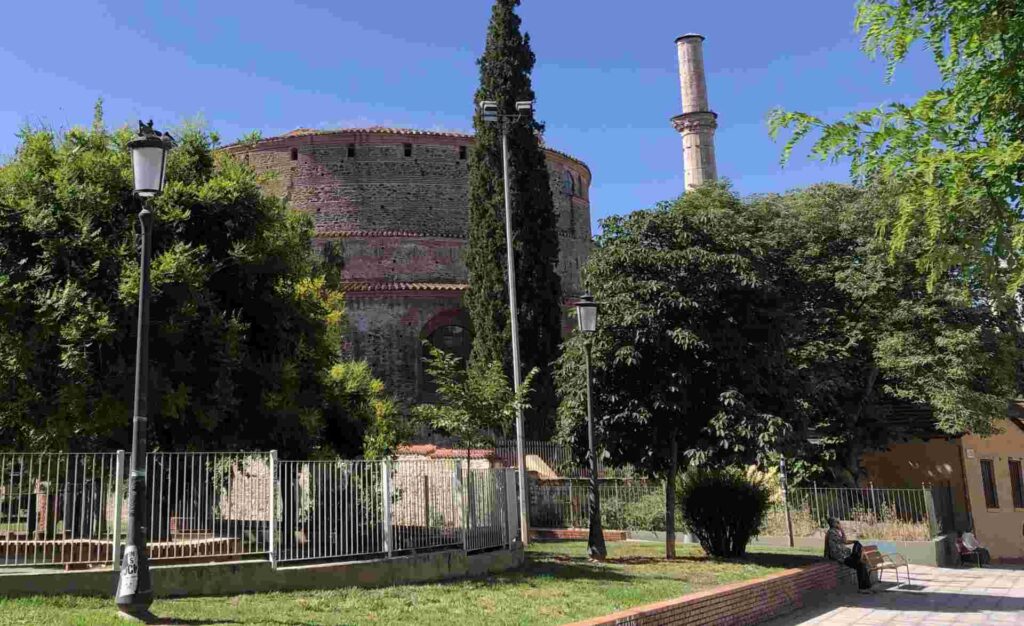
They are located next to each other and are symbols of the city. Kamara is probably the most popular meeting place in the city. It is fascinating that both buildings are so tall and completely within the residential part of the city. They were probably once connected in one building because they are close to each other.
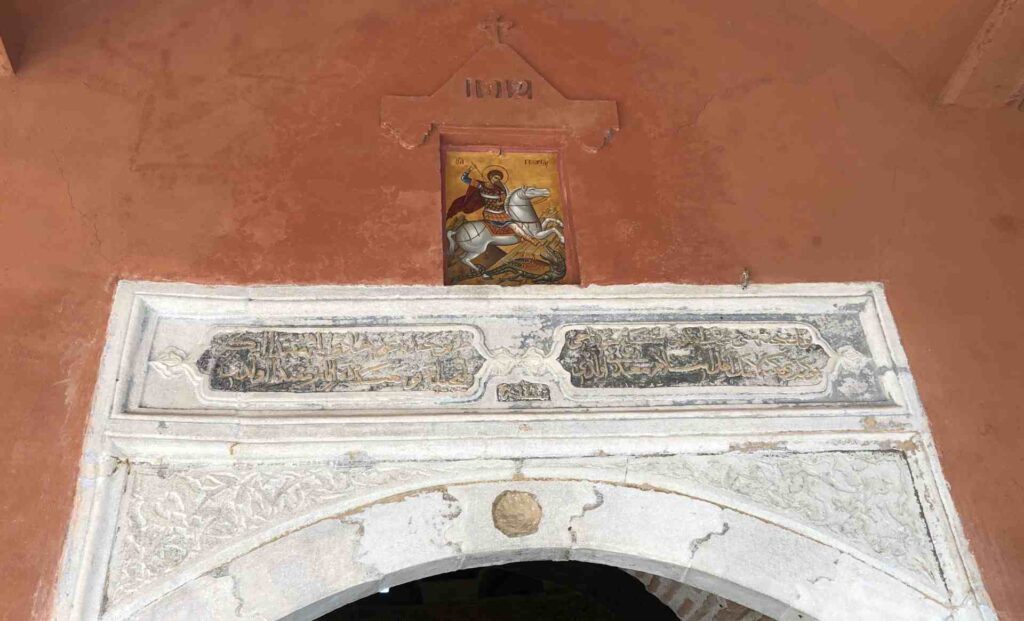
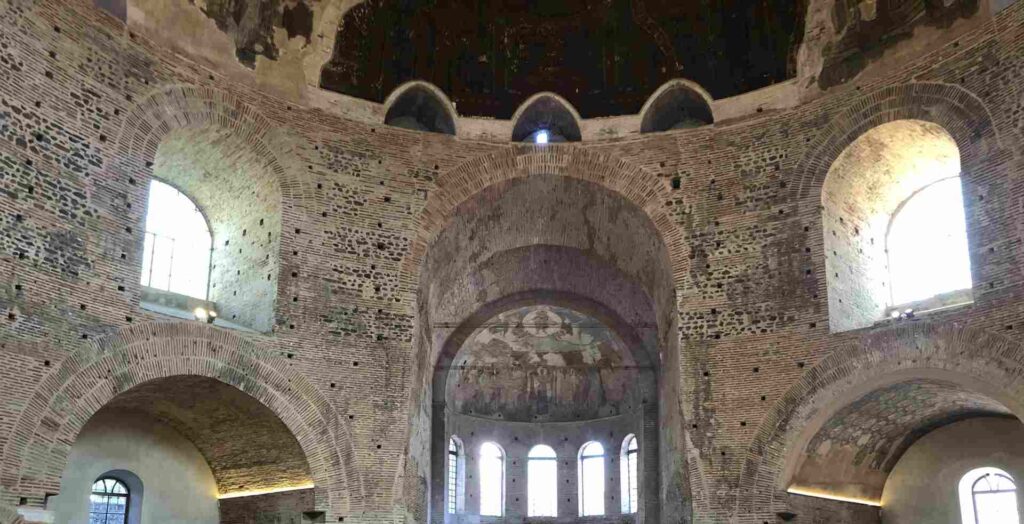
The Rotunda was built in the early 4th century AD, at the turning point between the pagan and Christian worlds, probably as a temple for ancient cultic worship or as a mausoleum for Constantine the Great (306-337). This circular domed building is 29.80 meters high, 24.50 meters in diameter, and its walls are 6.30 meters thick, and architecturally it can only be compared to the Pantheon in Rome. It was built north of the Arch of Galerius, with which it was connected by a processional road. Not long after it was built and during the early years of the long-lived Byzantine Empire (330-1453), the Rotunda was converted into a Christian church with the addition of a sanctuary on its eastern side. The interior was decorated with early Byzantine (4th-6th century AD) wall mosaics of unique art and beauty. According to Byzantine texts, the church was dedicated to the Archangels. It was the cathedral church (metropolis) of Thessaloniki between 1524 and 1591, the year when the Ottoman invaders turned it into a mosque. It remained in use as a mosque until the liberation of the city in 1912. Since then, her dedication to Saint George has been owed to the small neighboring church of the same name.
Pirate Ship / Anabela Cruise Ship
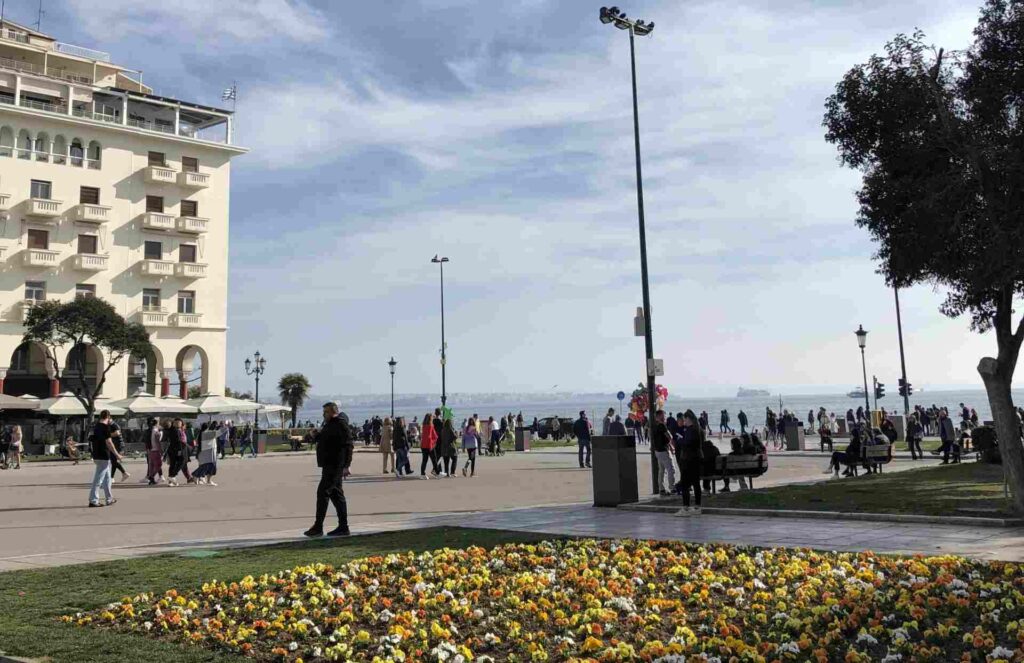
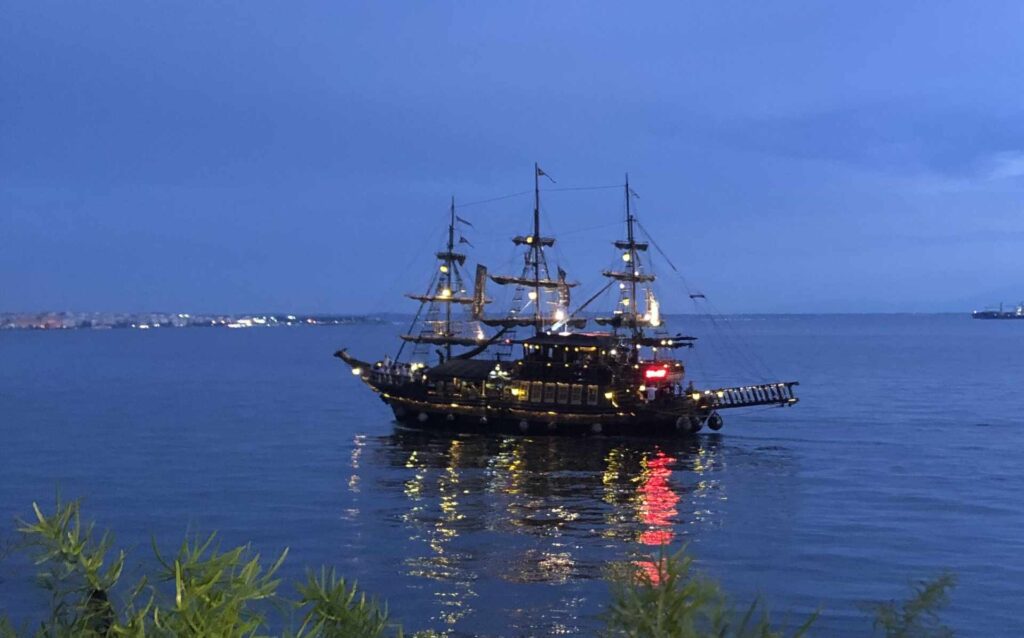
One of the reasons why Thessaloniki is special is the sea. If you want to have a beautiful view of the city’s coast from the sea, there are several cruise ships that you can catch from the White Tower. They usually depart every 30 minutes. It’s free to get on the boat, but if you’re going on a ride, you’ll need to order something.
I recommend visiting the cruise ship Arabella, which also serves as a floating museum. Don’t forget to look at some pictures and enjoy the unique charm of the city! Also, from here you can visit the beaches for swimming by cruise ship.
Thessaloniki Ancient Walls
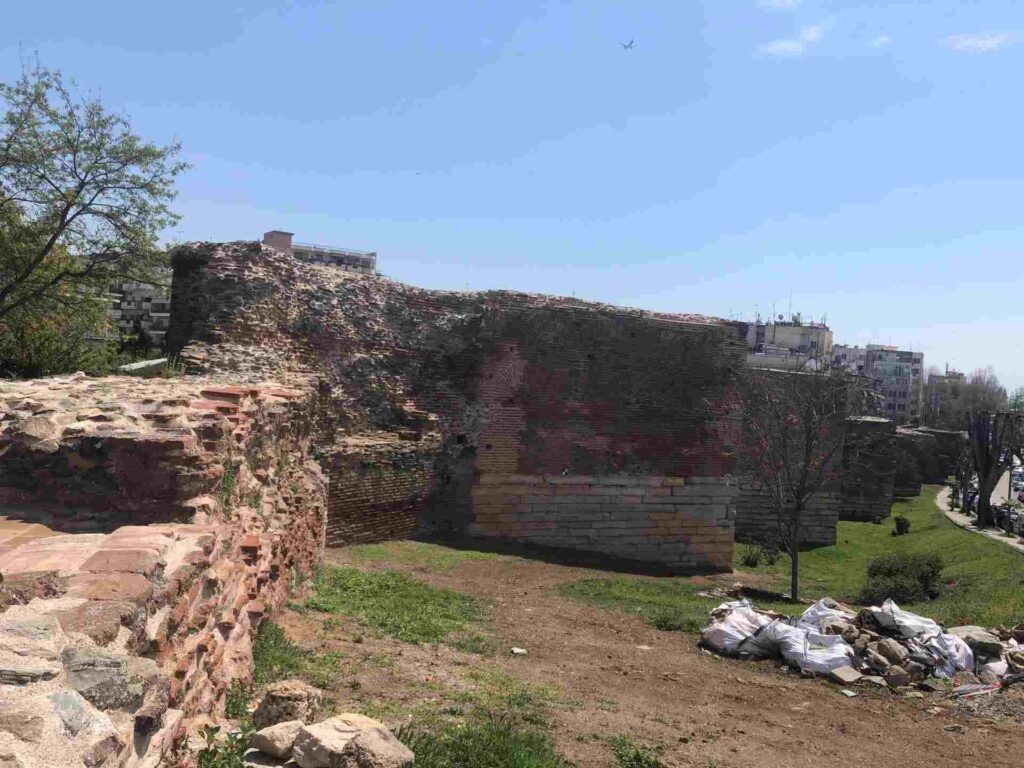
The ruins of the walls around the city that once existed are still visible. These ruins once protected the city from external enemies. According to the Bible, the apostle Paul gave speeches on these walls. For some people, Thessaloniki is an important Christian-biblical city and Christians around the world sometimes gather in Thessaloniki for meetings and seminars. I think it is interesting to walk along the walls and if there is a high probability that you will see some cats on them.
Thessaloniki is also known as the “biblical city”. The apostle Paul visited Thessalonica, preaching on its city walls before he was banished. Some of these ancient walls are still visible in the upper part of the city, although the walls facing the sea have been destroyed. Also,
Moon in the Sea
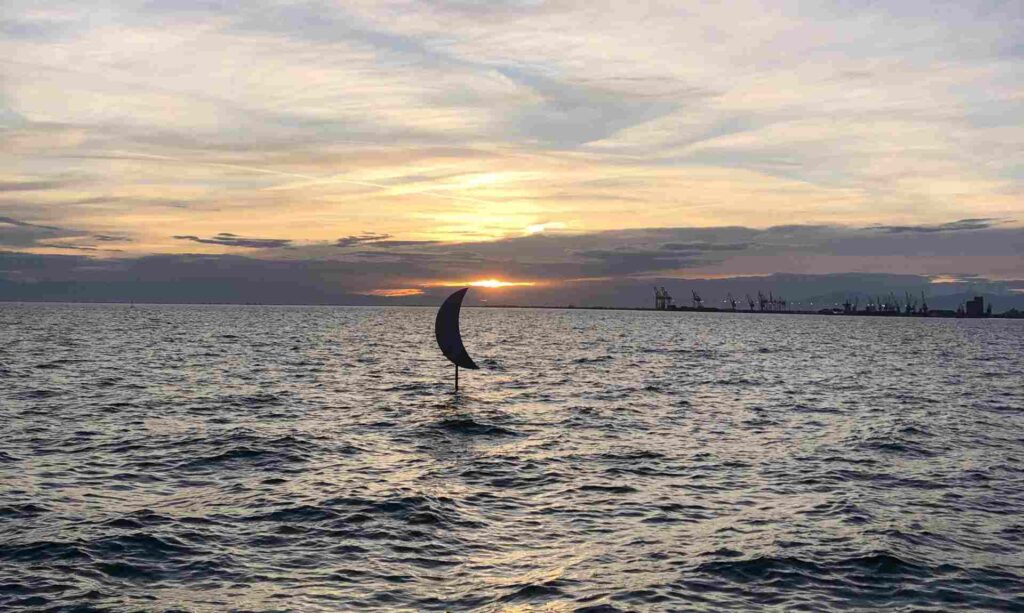
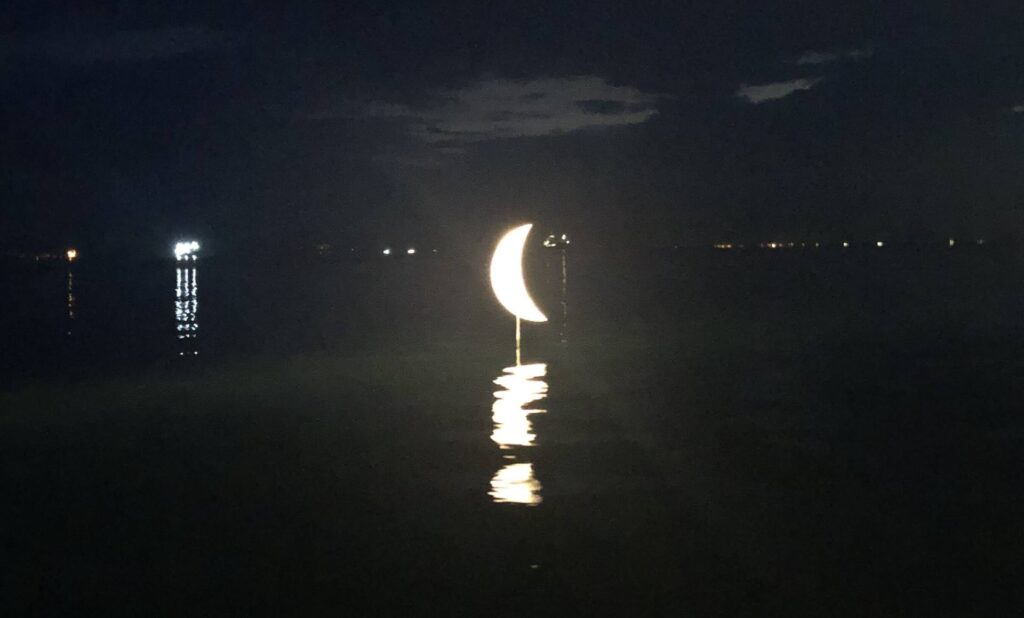
The city of Thessaloniki makes some unusual decorations near the promenade. Some of them are the moon in the sea. I took a picture of it during the day, but also at night it shines and the view is very beautiful. There are also “umbrellas” near the moon. I’m not sure what they represent, but I think they’re nice to see. They are one of the many details that make Thessaloniki beautiful.
Churhces and Monuments
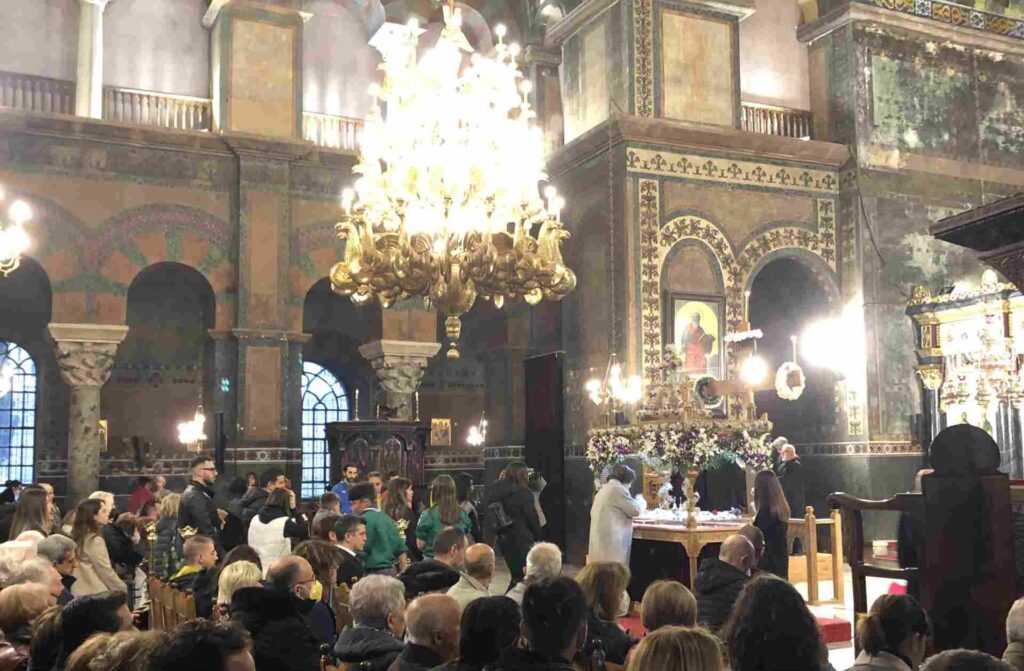
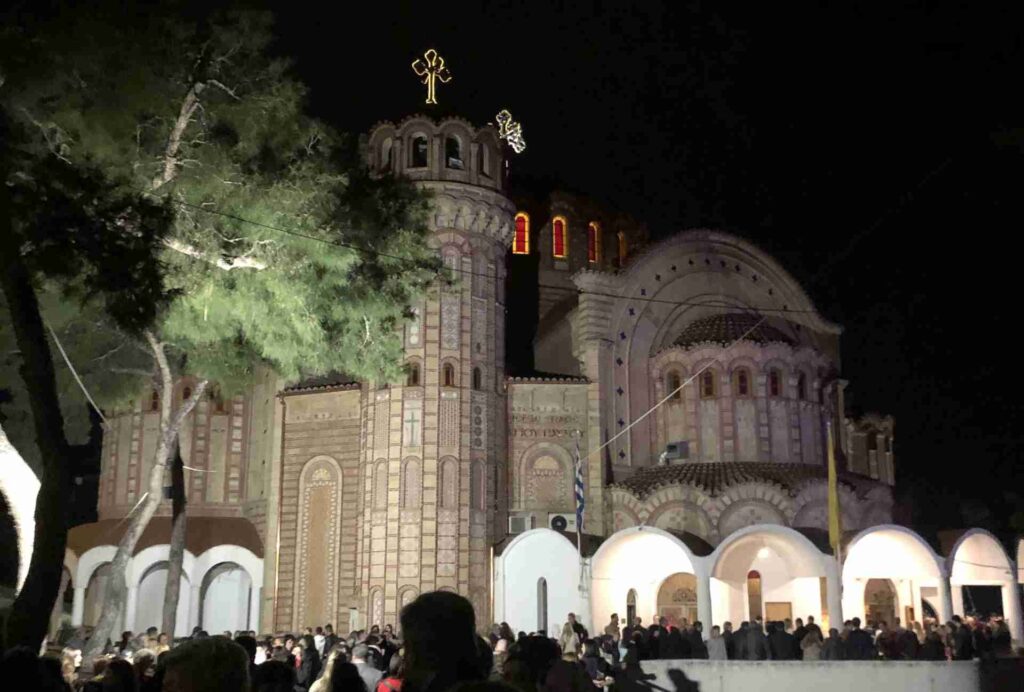
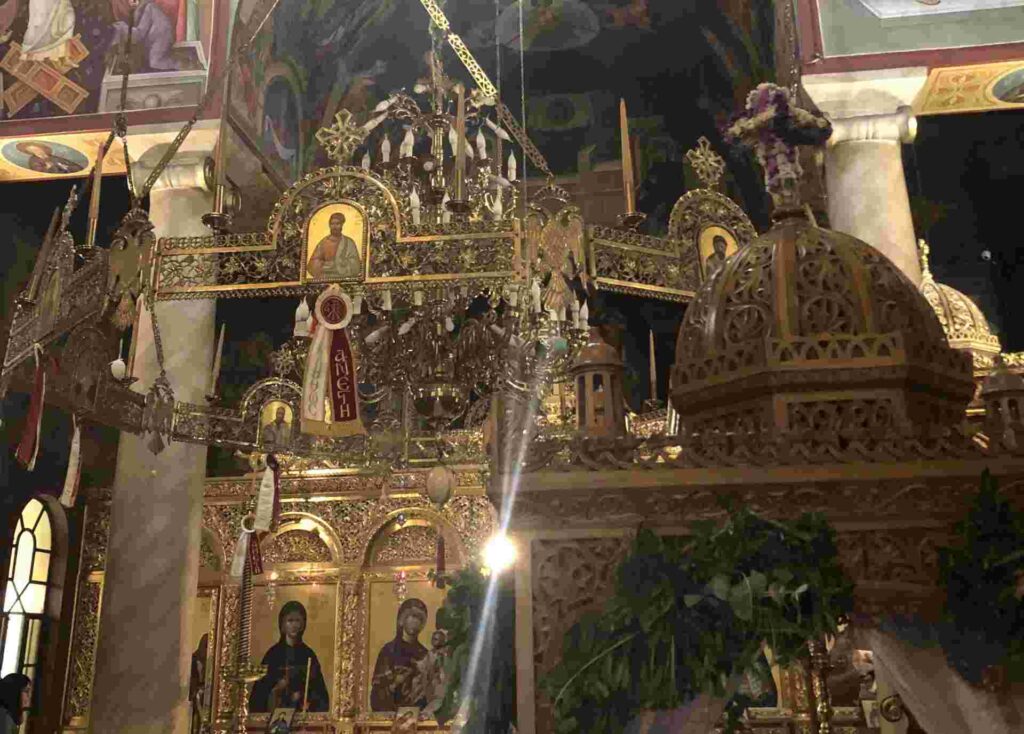
This area of Greece is home to many churches, including Hagia Sophia and the Church of Cyril and Methodius. Hagia Sophia is an important church during Easter in Thessaloniki.
Alexander The Great Square
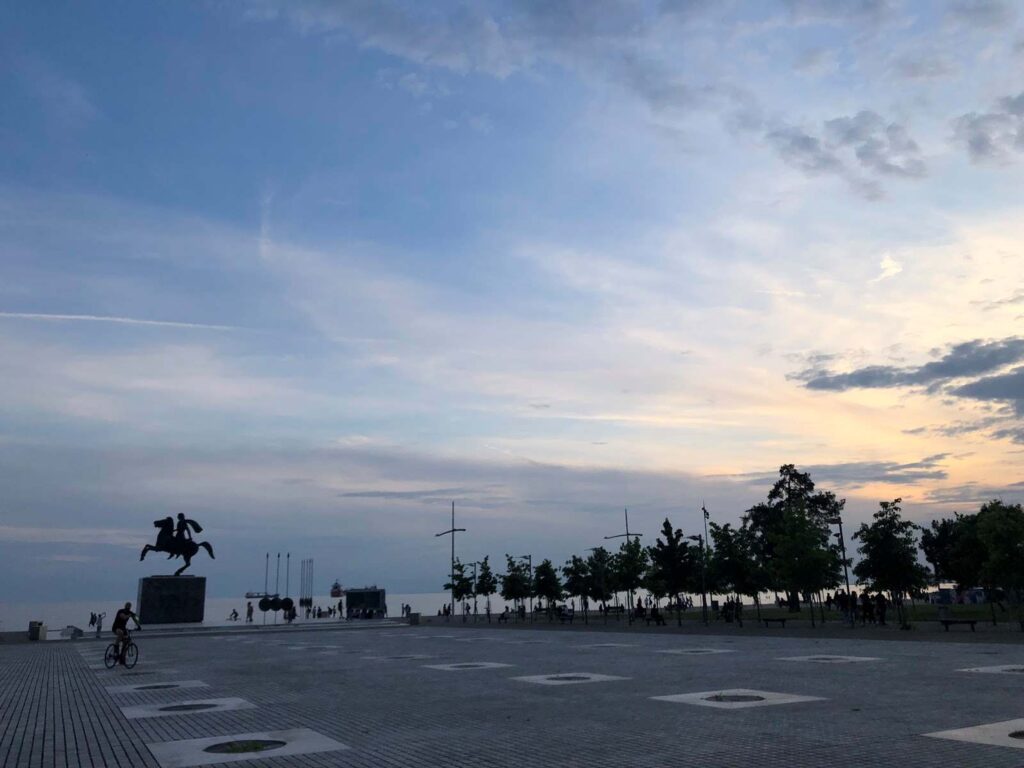
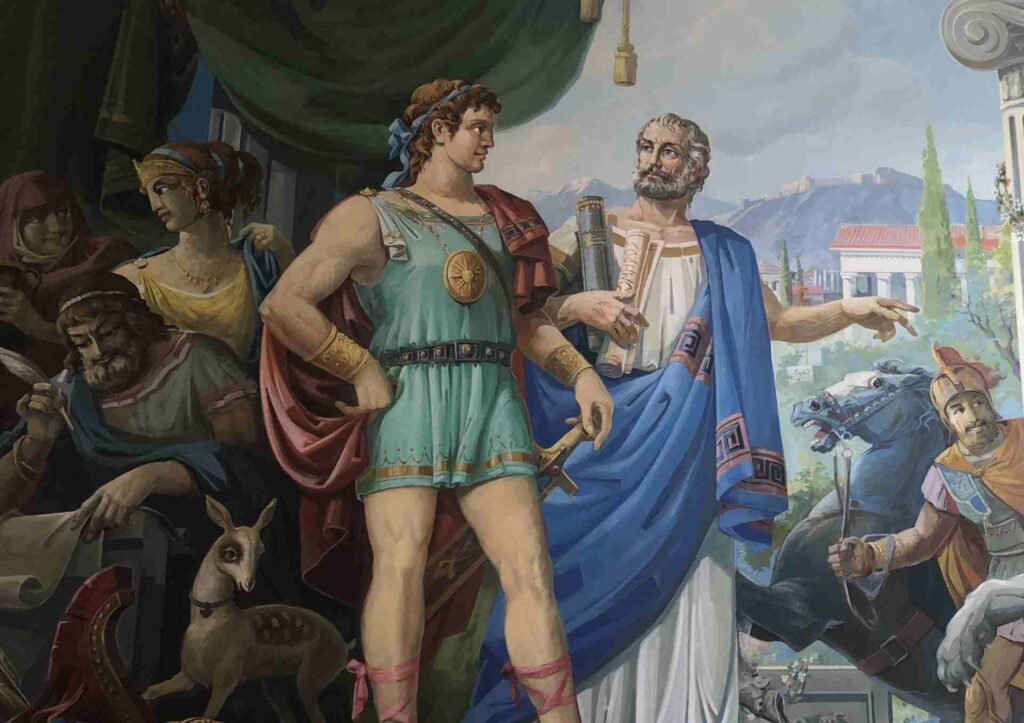
The name Thessaloniki comes from the sister of Alexander the Great, after whom the city was named. As a wedding gift, Alexander gave the city to one of his generals because the general married his sister, which is a romantic and historical story. It’s very nice to place visit and perfect just before sunset.
Mustafa Kemal Atatürk Birthhouse and Museum
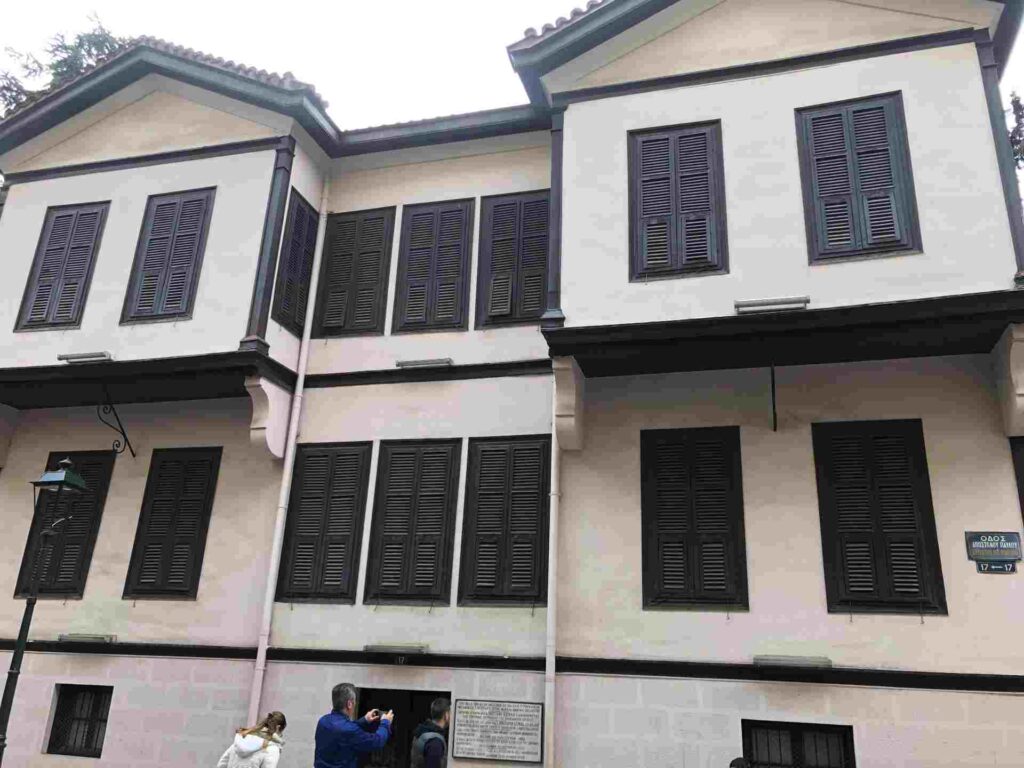
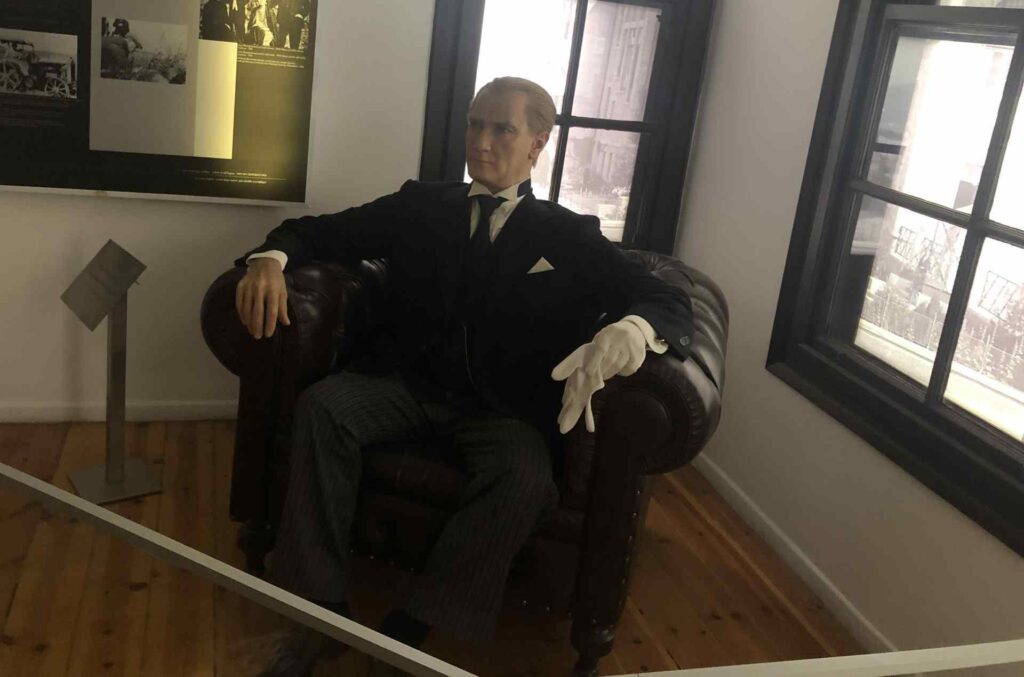
Mustafa Kemal Atatürk, the founder and first President of modern Turkey, was born in this house in 1881. Today, the building is one of the most important places for Turkish visitors in Thessaloniki and is located inside the grounds of the Turkish Consulate. The house was originally a typical Ottoman family home built with a wooden frame. Atatürk lived here with his parents, Ali Rıza Efendi and Zübeyde Hanım, until his father died in 1887. Because of financial problems, the family rented out the house and moved to a smaller home nearby. Atatürk returned briefly in 1907 as a young military officer but later bought another house in the neighborhood. After Greece took control of Thessaloniki in 1912, his mother and sister moved to Istanbul.
For many years, the house belonged to a Greek family. In 1933, the Municipality of Thessaloniki placed a marble plaque on the building, in Greek, Turkish, and French, marking it as Atatürk’s birthplace as a symbol of friendship between Greece and Türkiye. In 1937, the city bought the house and officially presented it to the Turkish Consulate as a gift to Atatürk. To be honest, I visited this before I visited Türkiye and I didn’t know how imporant Kemal Atatürk is for Turkish people.
Ruins in Thessaloniki
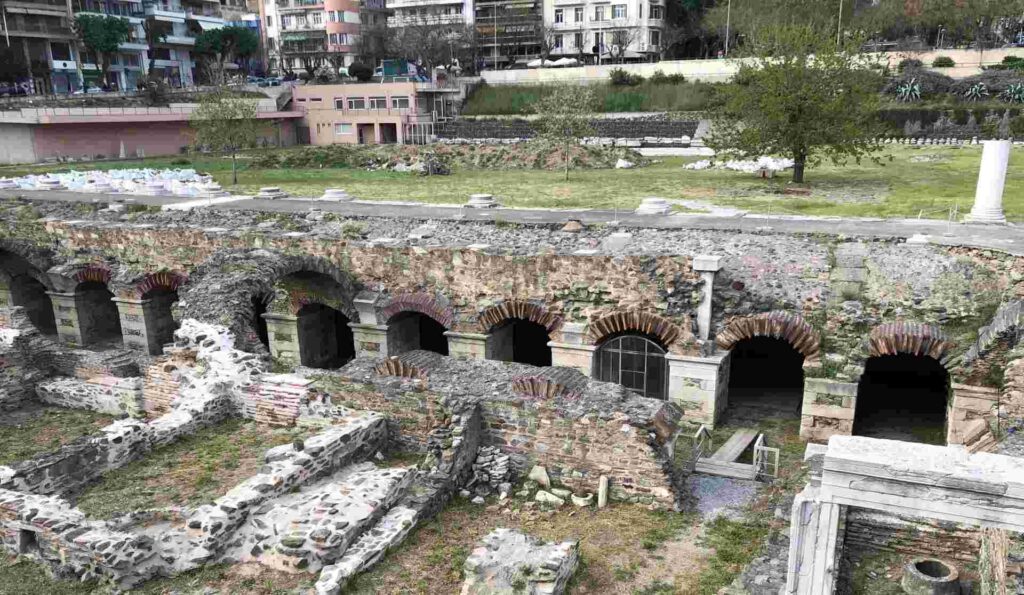
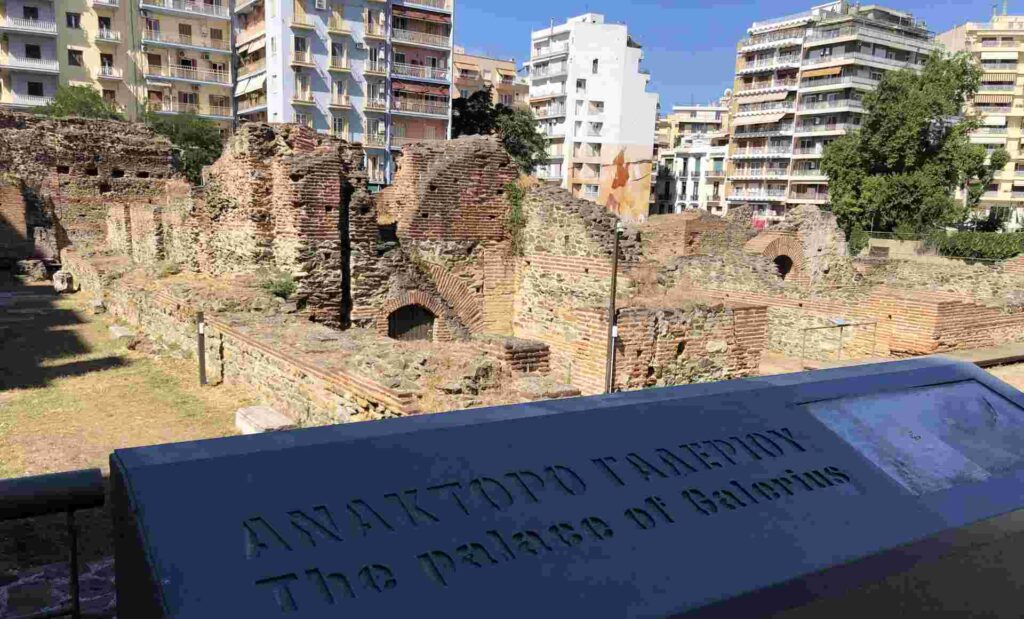
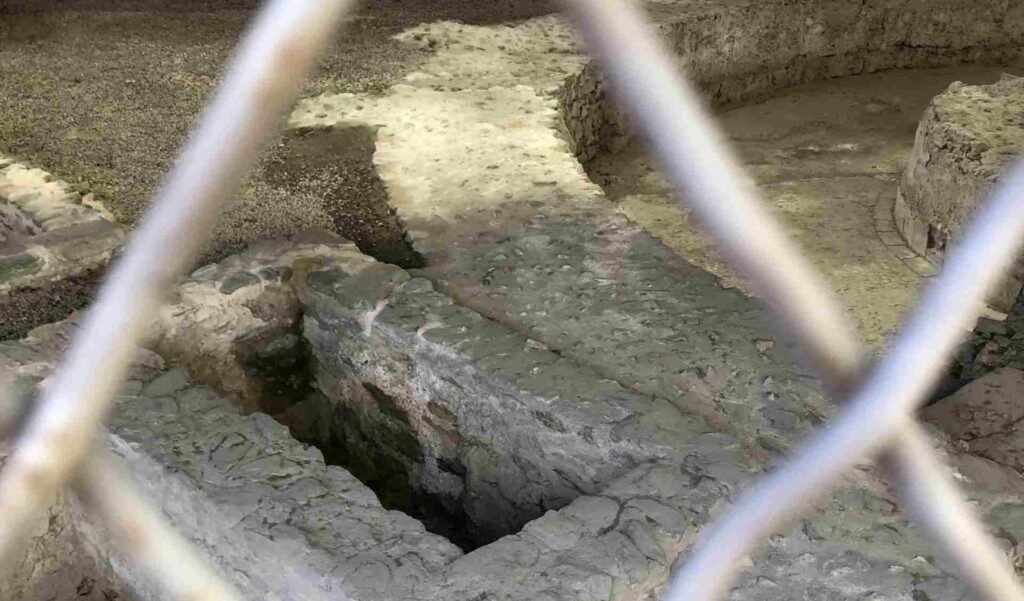
The number of ruins in and around Thessaloniki is incredible. Some of them are protected, marked and have a legend about them, but some of them are like open-air museums. During the construction of the Thessaloniki metro system, many ancient artifacts were found. You will notice that the old buildings, such as churches or any other building, are below ground level, which testifies to how old the city itself is.
At the archaeological site, in Navarinou Square, part of the residence-resort of Caesar Galerius is visible. It is a large building complex, the construction of which began in the early 4th century BC, to accommodate the court of Emperor Dados Nisa, during his temporary stay and residence in Thessaloniki.
Oranges in the city
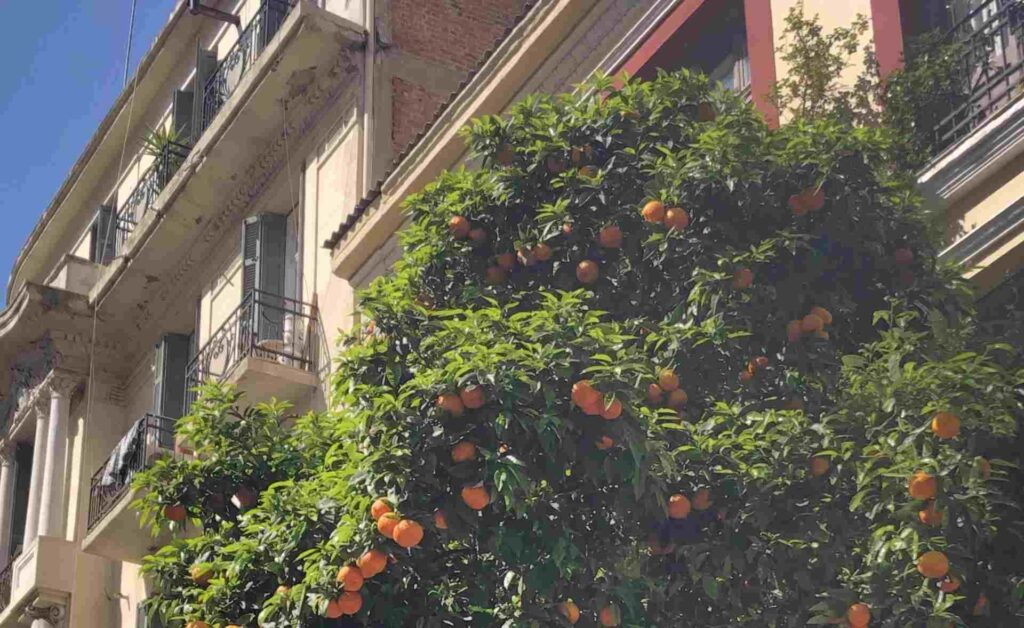
I really liked the wild oranges in the city, in a strange way, they give the feeling that you are in a Mediterranean city. For some reason, not all of them fail and there are always some on them. You will see many of them in the old part of the city. If you want to try them, I tried them and they are bitter.
War Museum
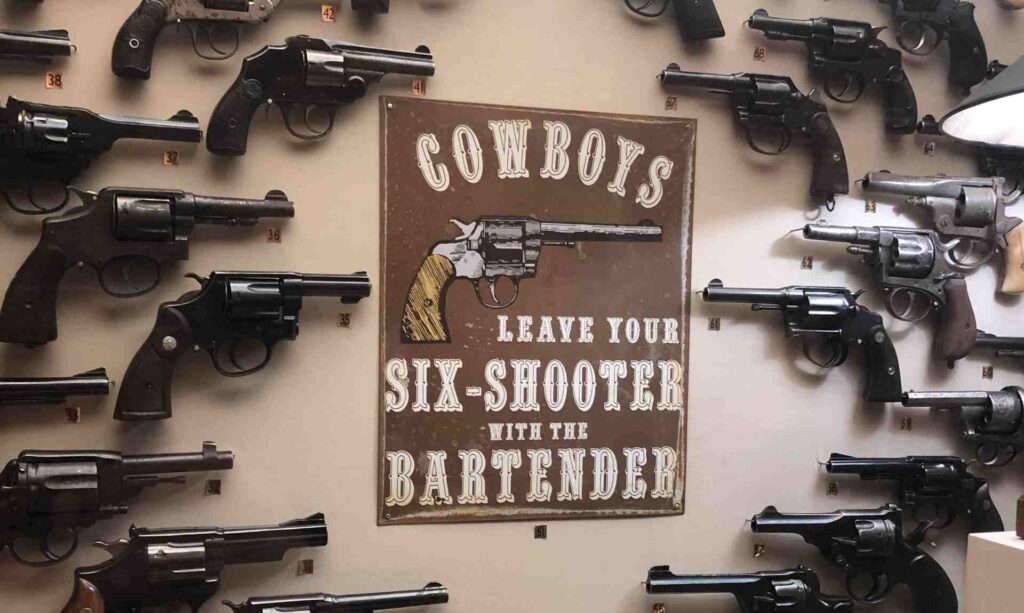
The war museum hides a lot of military equipment, weapons, planes and vehicles. There is also equipment that was once used for horses, which I really liked because it was mounted on a horse with a realistic representation of a man in uniform. If you love history and war history, this museum is perfect for you.
WW1 Memorial
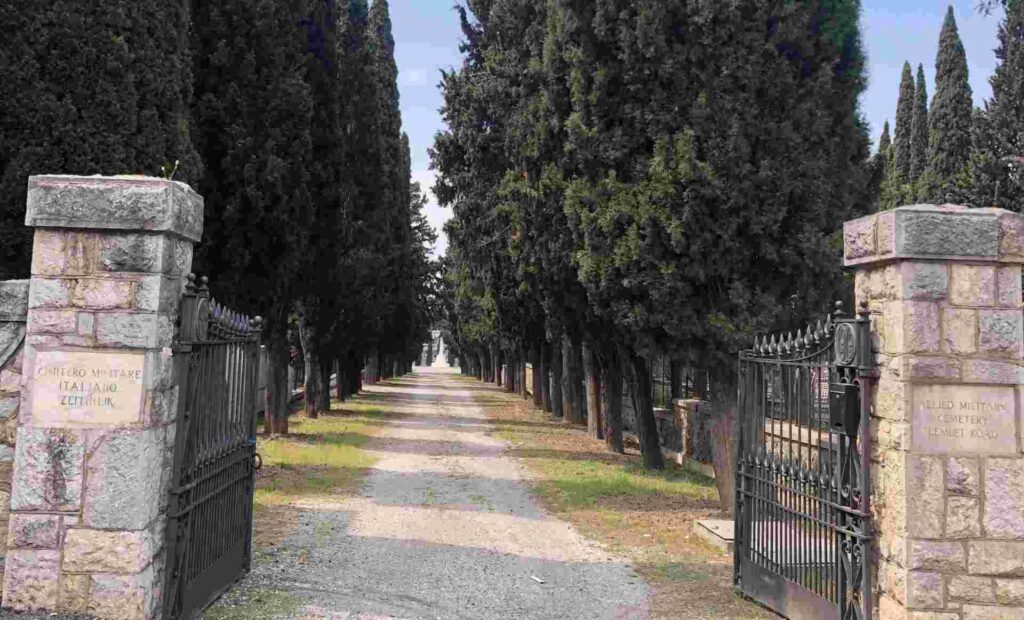
This part of Greece was an important front line during World War I, and on a hill just above the city is a memorial center and cemetery for French, Italian, British, Serbian, Greek and Russian soldiers called Zeitenlik. Inside it is also a small French military museum.
Food and Drinks
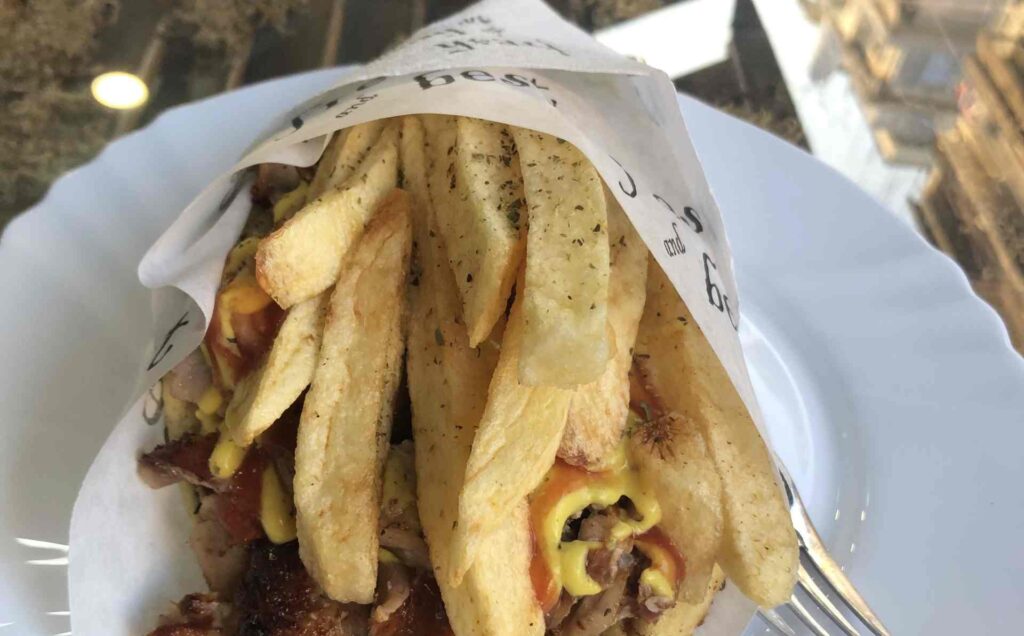
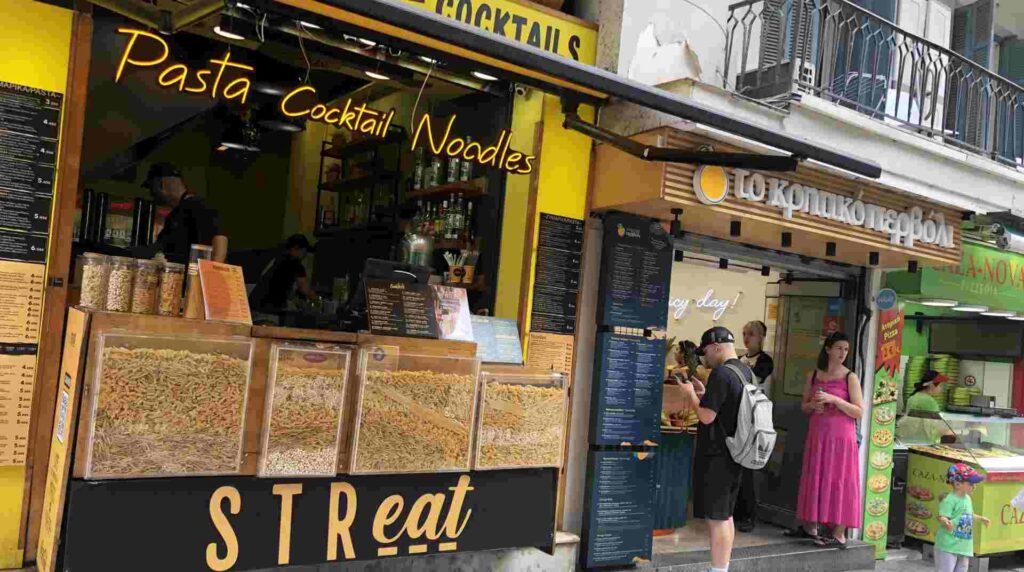
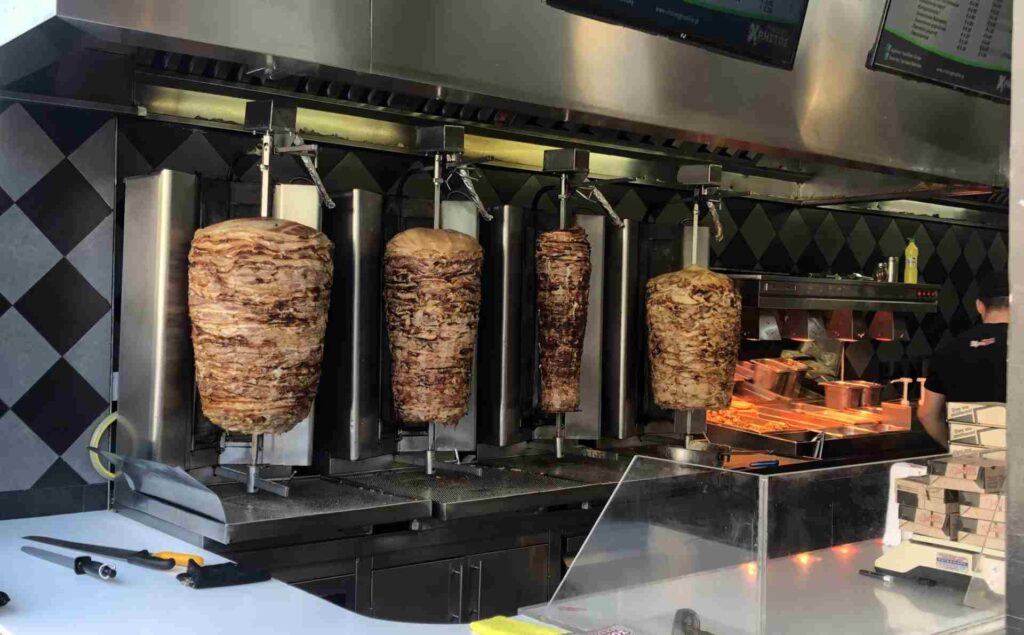
Bakeries, restaurants or just some cookies, they are all amazing. If you go there, you will love the gyros. They are everywhere and for some Greek reasons, they are served with fries. Street food in Thessaloniki is also popular, as it is a city that never sleeps and is open most of the night. The prices are reasonable, you can eat street food for 4-5 euros or a large slice of pizza for 2 euros.
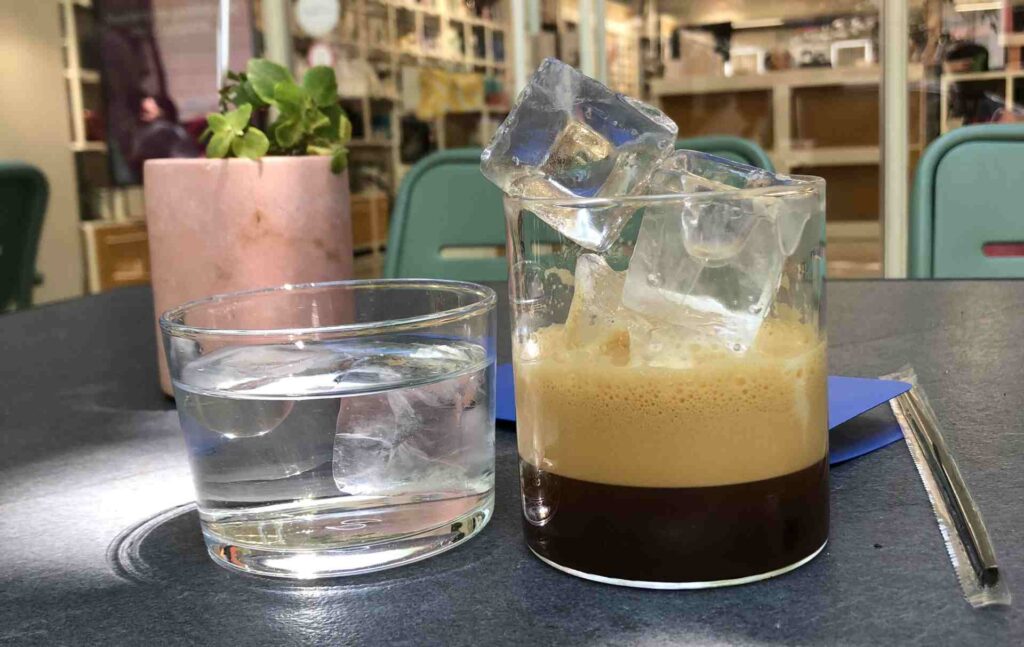
The most popular drink in Thessaloniki and Greece is Freddo Espresso. It is actually an iced coffee that is popular to drink in both winter and summer. The barista puts sugar inside during preparation, depending on how much sugar you want (low, medium, high). This preparation method of mixing ice and sugar inside and adding more ice later makes the coffee quite special.
There is also Greek coffee, which is more popular for drinking at home. It is served in small cups and is quite strong. To make it thinner, put some milk inside.
Cats and Dogs
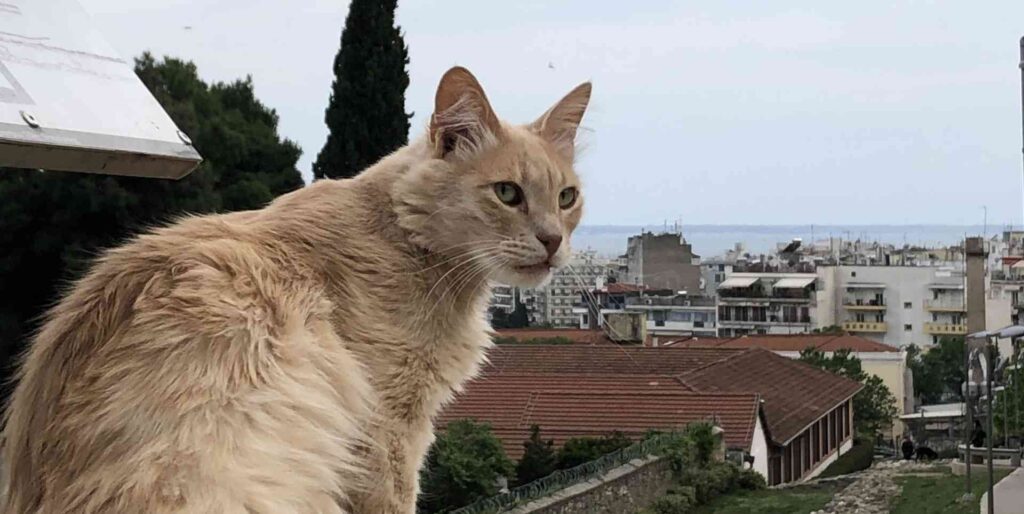
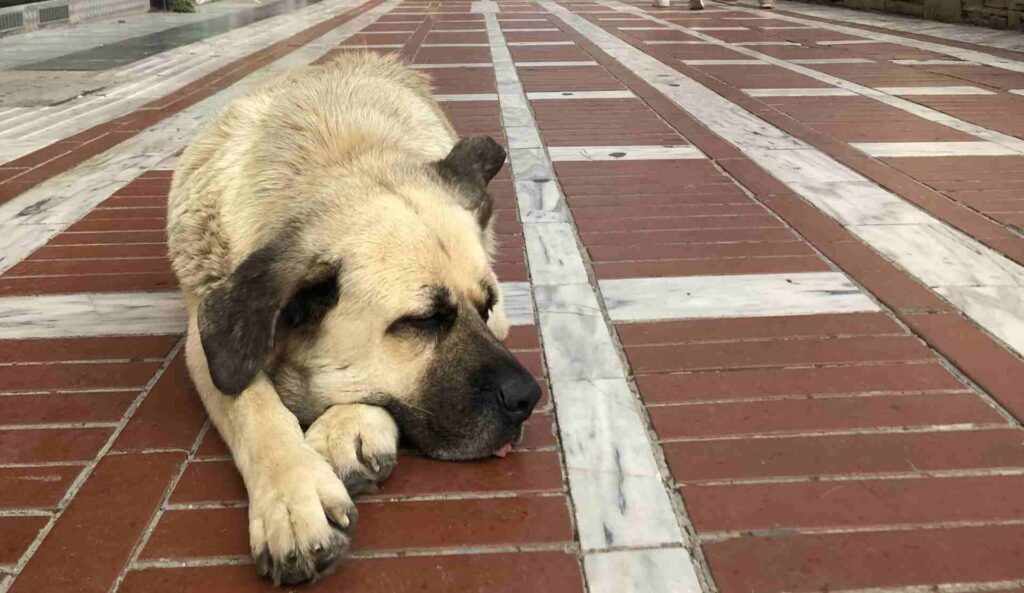
If you’ve read all this and stayed this long on my blog, you deserve to see some cute dogs and cats from Thessaloniki. They are everywhere, they are friendly, and if you plan to go there, you will see a lot of them. Cheers.