This is my personal, detailed experience of traveling from Sarajevo to Mostar by train, including the journey in both directions. I have taken this train several times, and I took all the photographs in this article during my trips. If you are planning to travel from Sarajevo to Mostar by train, I hope this guide will give you a better idea of what to expect, from buying your ticket and finding the platform to the actual journey through the mountains and the Neretva Canyon.
This train journey is one of the most interesting railway trips you can take in Bosnia and Herzegovina. The route crosses a dramatic mountain landscape, passes through dozens of tunnels and bridges, follows the Neretva River and connects two of the country’s most visited cities. The journey takes around two hours, depending on the particular service and timetable. The railway line between Sarajevo and Mostar is about 129 kilometers long. The train is often simply called the Talgo, referring to the Spanish Talgo trainsets that have been used on the railway in Bosnia and Herzegovina (I used the same Talgo in Granada).
When Is the Train to Mostar?
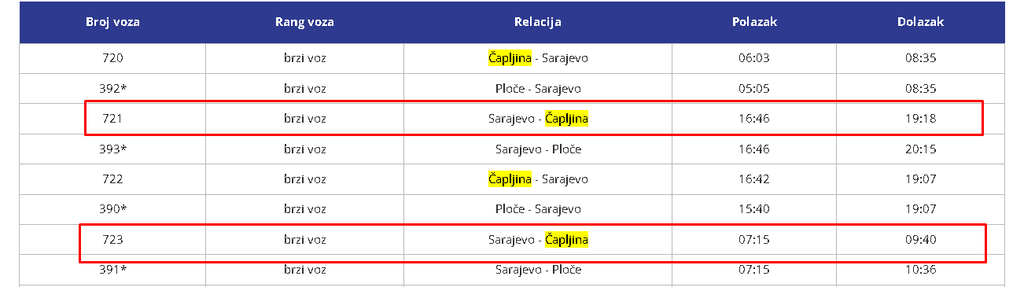
There are normally two daily departures from Sarajevo toward Čapljina, with Mostar as one of the main stops. In the current 2026 timetable, trains leave Sarajevo at 07:15 and 16:46. There are also some seasonal and weekend changes, so you should always check the latest timetable before your trip. The railway operator, ŽFBH, publishes the current timetable on its official website.
One thing that can be confusing for tourists is that Mostar is not the final station. The regular train continues to Čapljina, so when looking at the timetable or the destination displayed on the train, you may see Čapljina rather than Mostar. This is important when checking the timetable because you may otherwise think that you are looking at the wrong train. I recommend arriving at Sarajevo Railway Station at least 30 to 40 minutes before departure, especially if you need to buy your ticket at the station. During busy periods, there can be a line at the ticket office. There is also a printed timetable, or “red vožnje,” displayed at the railway station. However, I personally find it quite confusing because it contains a large amount of information on a single sheet. If you are unsure about the departure time, you can also contact the railway company directly.
How and Where to Buy a Ticket
There are two ways to buy a train ticket: online or directly at the railway station. For my trips, I have preferred buying the ticket directly at Sarajevo Railway Station. Even if you buy ticket online, you still need to go to Ticket office, which is nonsense. If you are planning to travel during a busy period, I would recommend going to the station early rather than arriving only a few minutes before departure. Another important thing to know is that the ticket does not work like a reservation for a specific numbered seat. Because of this, arriving early can be useful if you want to choose a good seat.
The railway operator’s current ticketing system allows passengers to choose between one-way and return journeys and between different train classes when available. Return Ticket Sarajevo-Mostar and Mostar-Sarajevo is about 12 euros. Its possible to pay with card or Bosnian marks, not euros.
Sarajevo Railway Station
Sarajevo Railway Station is located close to the bus station and the University Campus, making it relatively easy to reach from the city center. The station itself is quite different from many major railway stations elsewhere in Europe.
If you are used to large European railway stations with shopping areas, restaurants, numerous platforms, security staff and shops open throughout the day, Sarajevo Railway Station may feel surprisingly quiet and basic. The station was opened in 1953 and was an important modernist building when it was constructed. Today, however, it is visibly showing its age. That is part of the experience. The station is relatively small, and because there are only a limited number of passenger trains, it is very easy to navigate.
You will not have to walk through a huge terminal or search through dozens of platforms. The signs for the trains toward Mostar and Čapljina, or Ploče (only durring summer) are relatively easy to understand, and the staff at the station can help if you are unsure where to go.
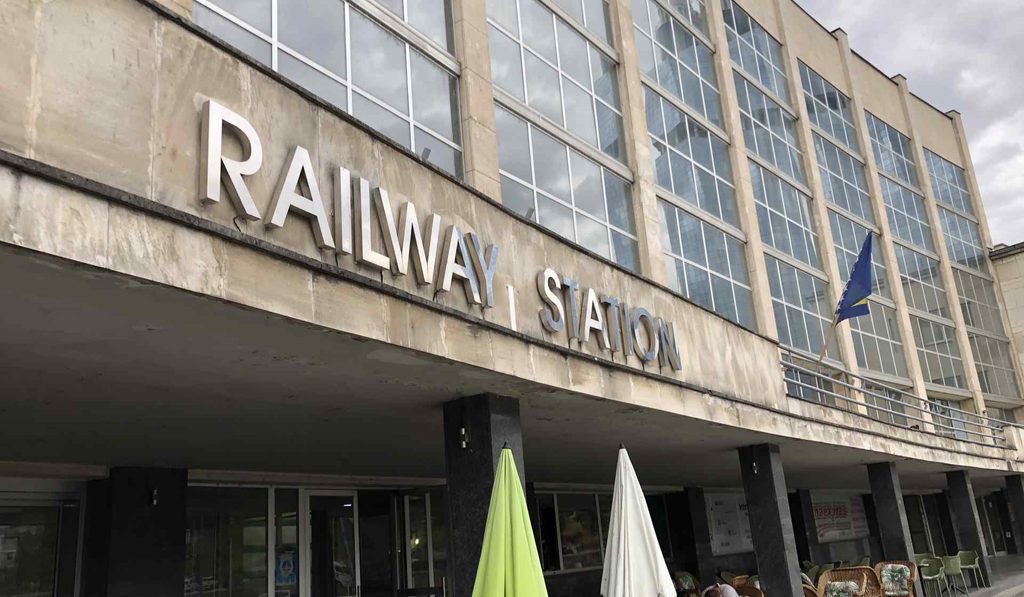
Inside the station, there are a 2 small cafes and shops. You can get a coffee, but food options are limited, so I recommend buying snacks before arriving at the station if you want something to eat during the journey. There is also a toilet at the station. When it is staffed, you normally pay a 1 KM to use it. The atmosphere changes considerably depending on the time of day and season. During the winter and late at night, the station can feel particularly quiet and somewhat gloomy. The ticket office is located on the right side after you enter the main hall.
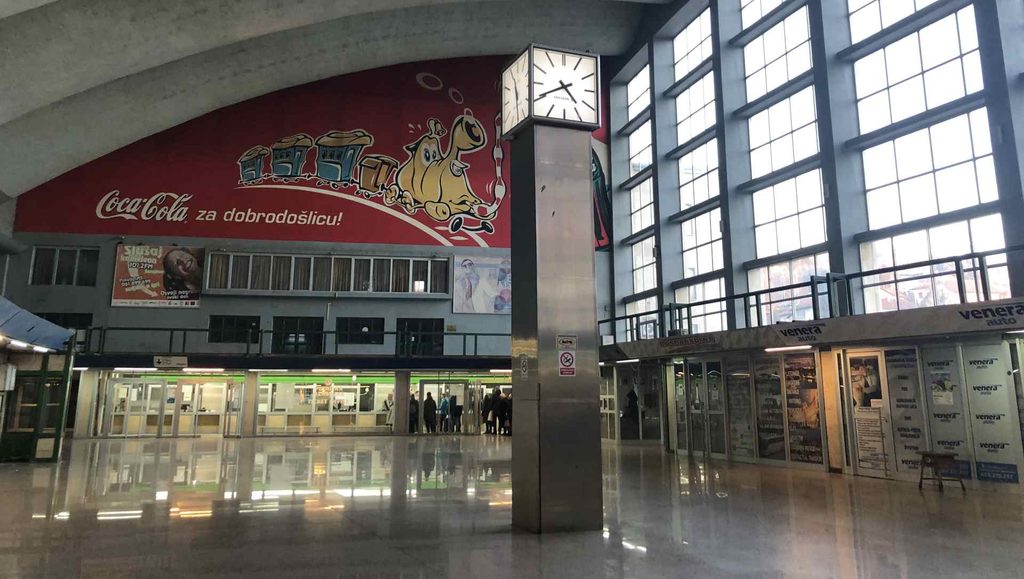
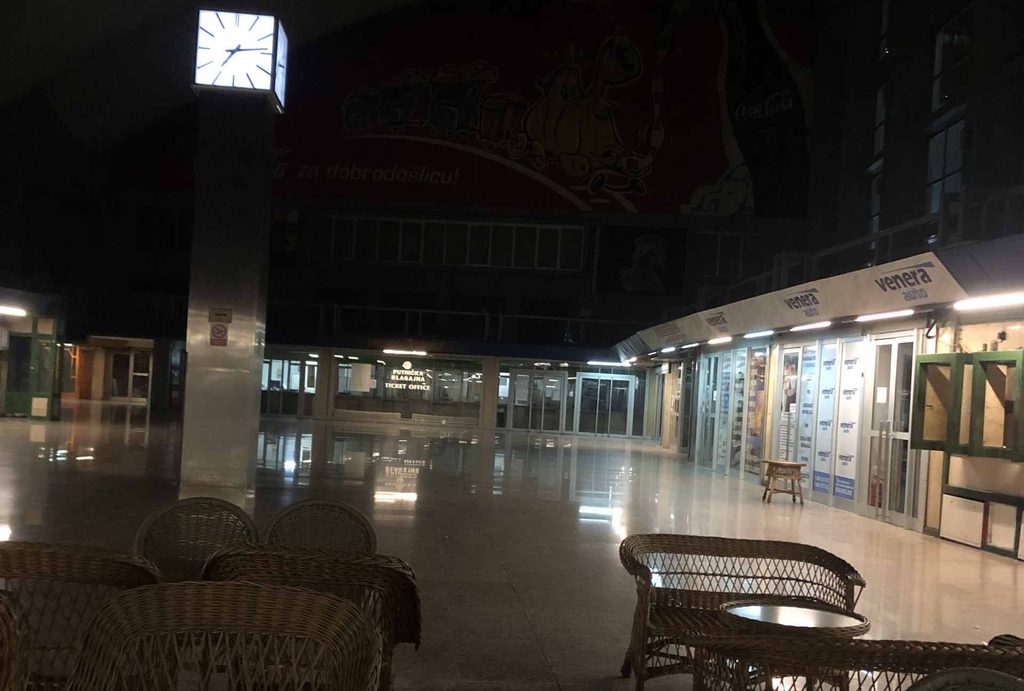
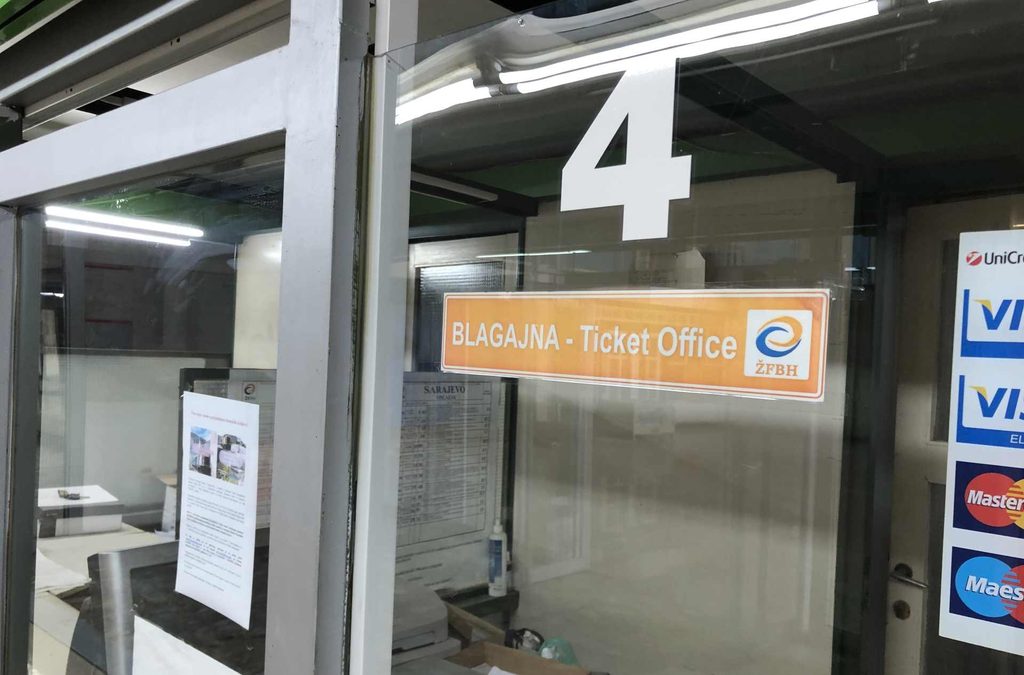
Where are Platforms?
he platforms are located directly behind the main station building. After entering the station, look for the small passage leading toward the platforms. You will see signs indicating the destinations. For a train toward Mostar, you may see Mostar on the signs, while the final destination is usually Čapljina. Because Sarajevo Railway Station has only a few platforms, it is difficult to get completely lost. You will need to climb a number of stairs, although the station also has an elevator.
Once you reach the platform, you can wait for the train. One useful thing to know if you are traveling in the opposite direction, from Mostar to Sarajevo, is that Sarajevo is the final destination. This makes it easier to relax during the journey because you do not have to worry about accidentally sleeping past your stop. Personally, I do not particularly like waiting on the platform for a long time because it can be windy and uncomfortable, especially in colder weather (during winter not safe also).
I usually prefer to stay inside the station until around 10–15 minutes before departure and then go to the platform. When the train is already there, you can board it before departure. Your ticket will normally be checked by the conductor during the journey.
Talgo Trains from the Outside
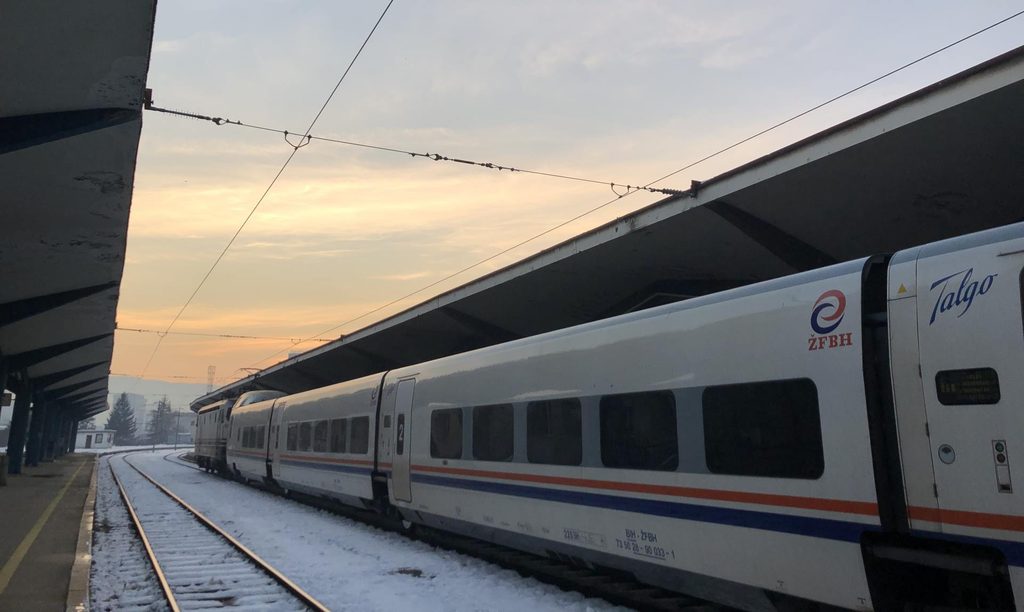
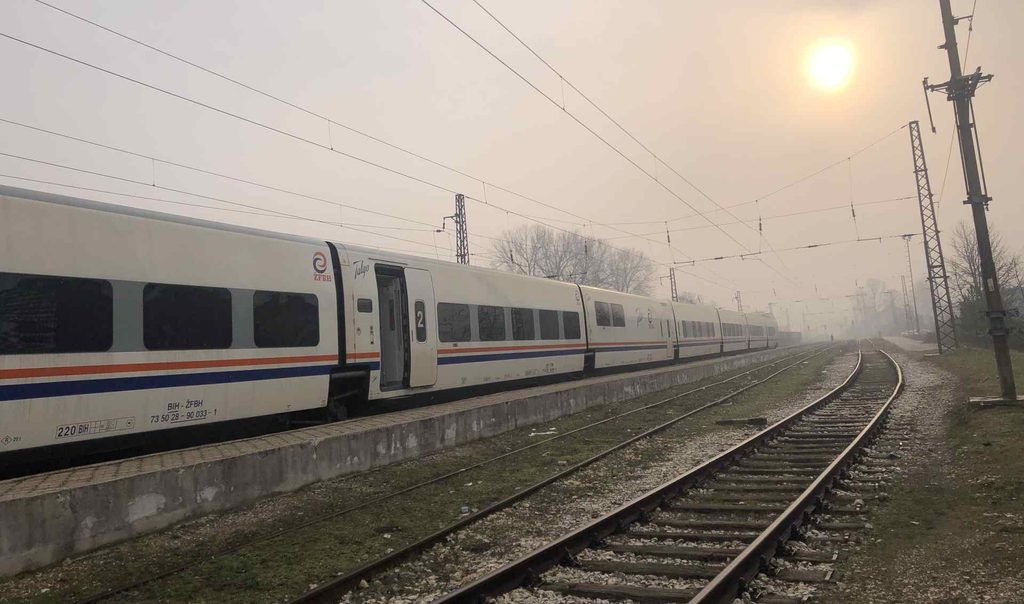
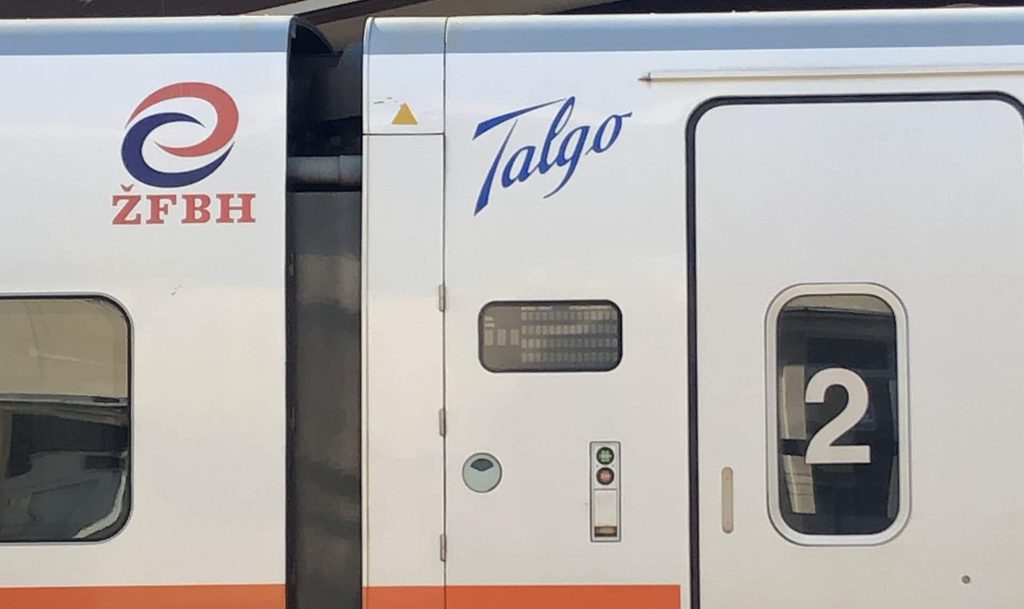
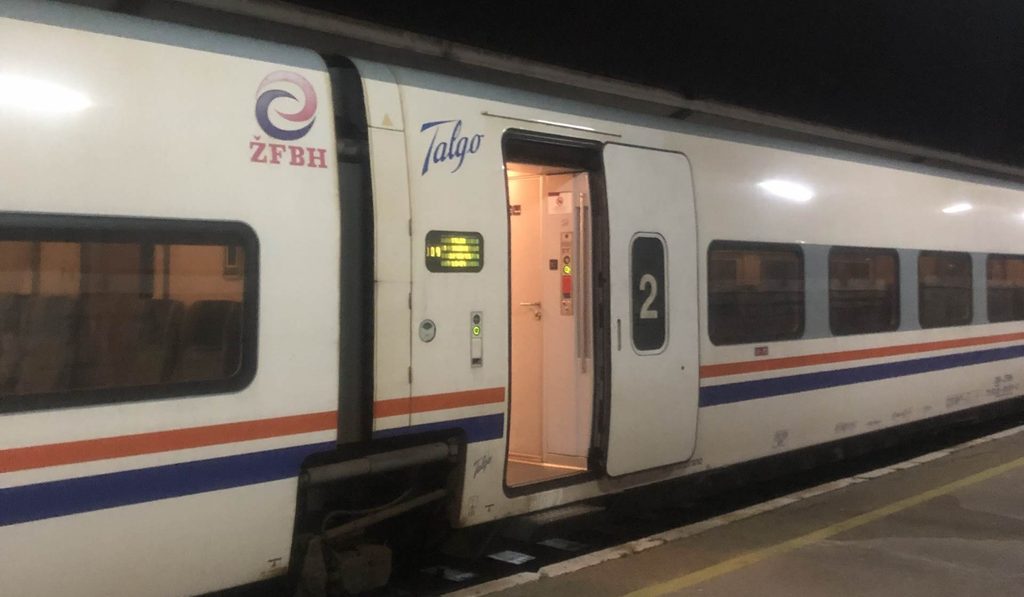
The trains used on this route are Spanish Talgo trainsets. They have a distinctive white exterior and are relatively low compared with many other European trains. The low floor makes boarding relatively easy, and the trains have a recognizable modern design compared with some of the older railway infrastructure in Bosnia and Herzegovina. I took several photographs of the train from different angles, so the following pictures should give you a good idea of what it looks like before you board.
Inside the Talgo Train
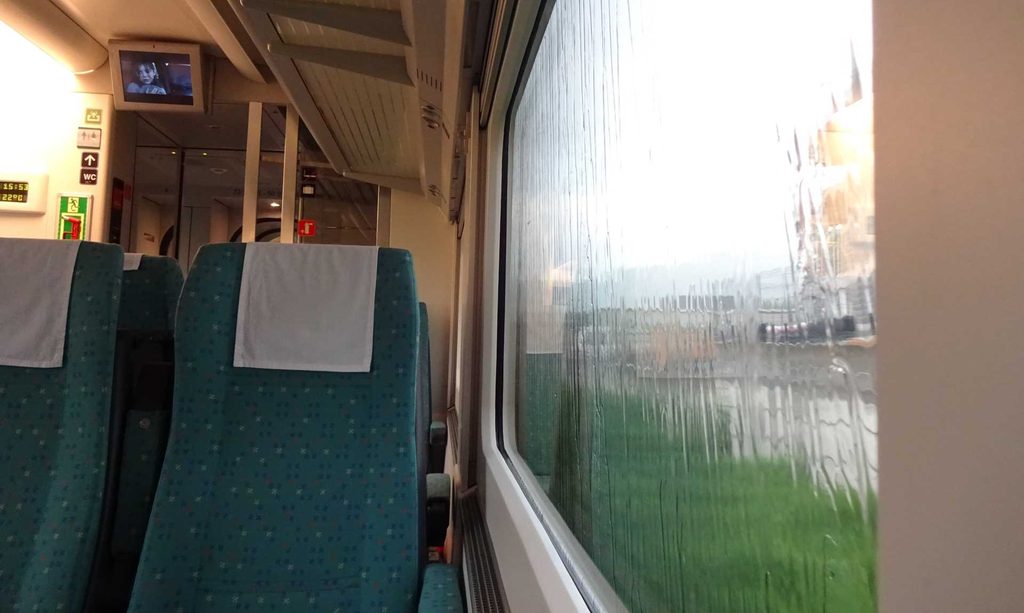
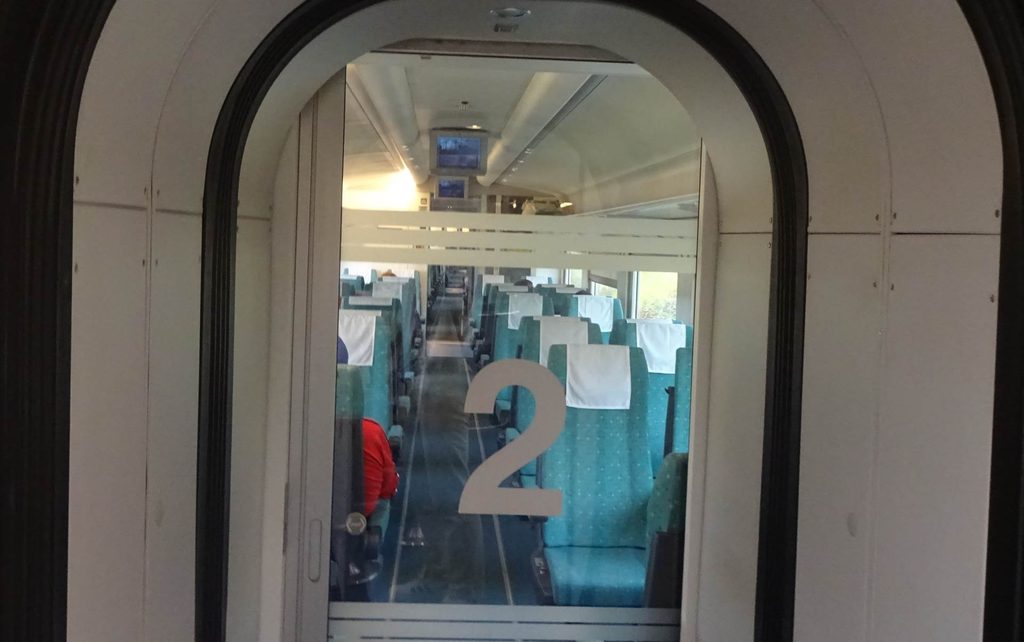
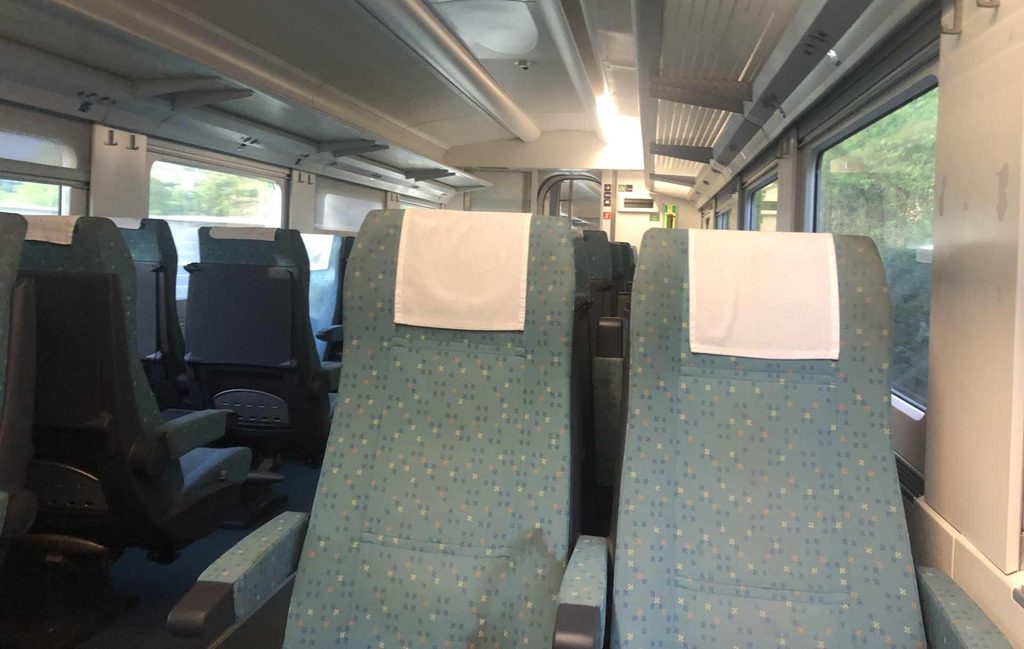
The Talgo trains are divided into first and second class. Second class is perfectly comfortable for the journey, but first class offers more space and a somewhat more comfortable environment. Because the train can become crowded, especially during busy travel periods, arriving early is a good idea if you want to get a seat. Depending on the service and availability, first class can also be an option if you prefer more space.
There is a bar on the train. On one of my trips, however, it was closed. There was even a person working in the area, but no drinks were being served at that time The area around the bar can also become a place where passengers stand when the train is crowded.
Mountains, Bridges, Tunnels and the Neretva Canyon
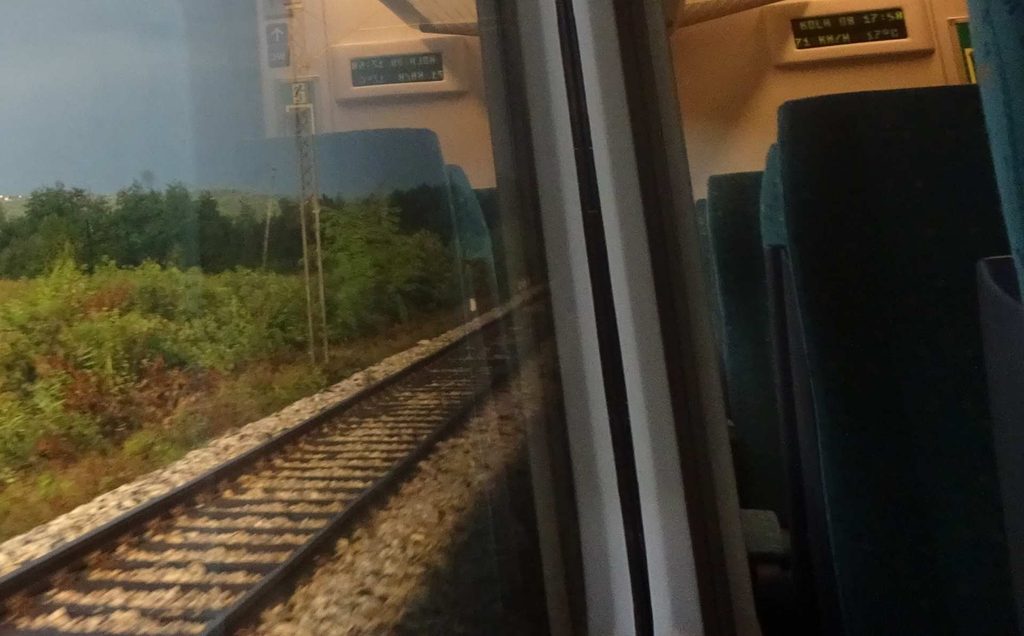
For me, the railway journey itself is the main reason to take the train. The route crosses a dramatic change in elevation, from Sarajevo at around 500–600 meters above sea level to Mostar at around 60 meters. During the journey, the train passes through numerous tunnels, over many bridges and through some spectacular mountain scenery. You will see mountains including Trebević, Bjelašnica, Treskavica, Igman and Velež, as well as numerous smaller mountains and hills.
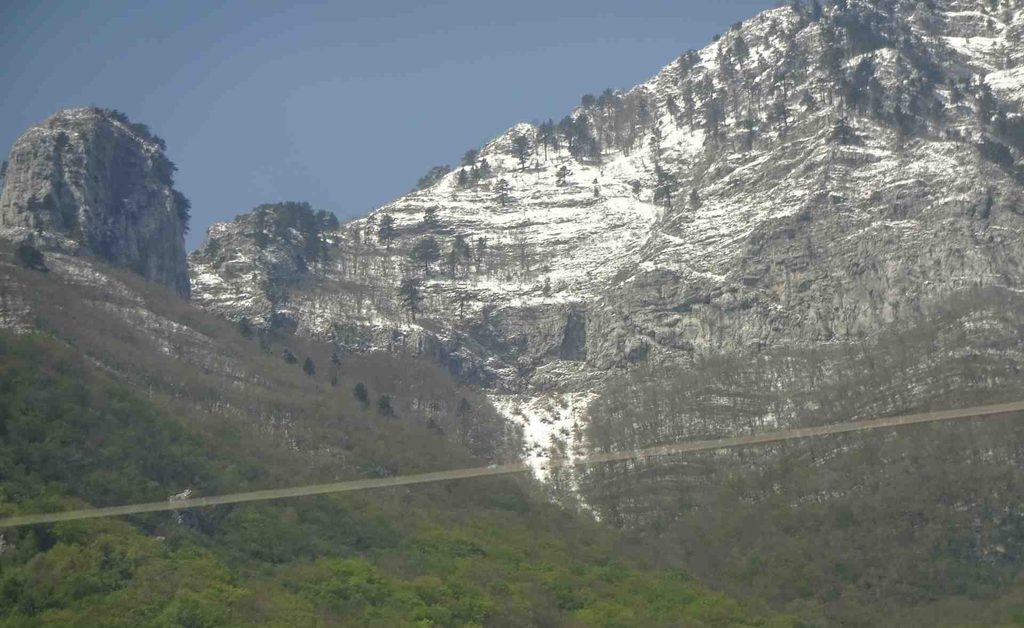
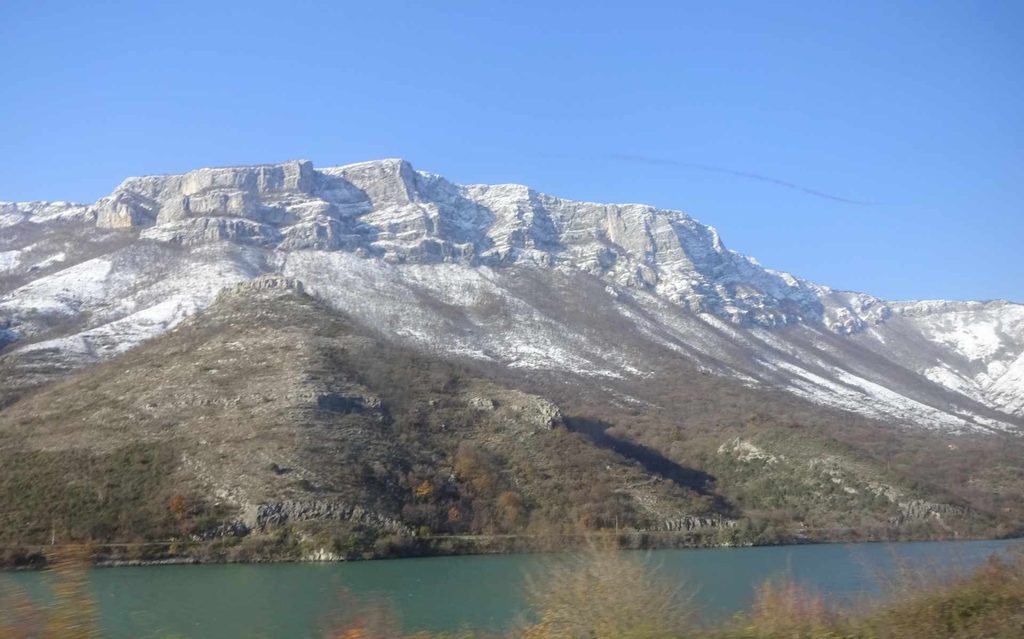
One of the most beautiful things about this journey is how quickly the landscape changes. In spring, for example, you can sometimes see snow remaining on the higher mountains around Sarajevo while the Neretva valley near Mostar is already green and warm. The climate can feel completely different at the two ends of the journey. You can leave Sarajevo wearing a jacket on a cool spring morning and arrive in Mostar to a Mediterranean-like warm afternoon. The landscape also changes dramatically as the train approaches the Neretva valley. The route is full of tunnels, bridges, steep slopes, forests, rocks and views of the river and reservoirs. I have taken many photographs during different trips, so some of the pictures below were taken on different journeys and in different seasons. That is why the weather and landscape can look quite different from one photograph to another.
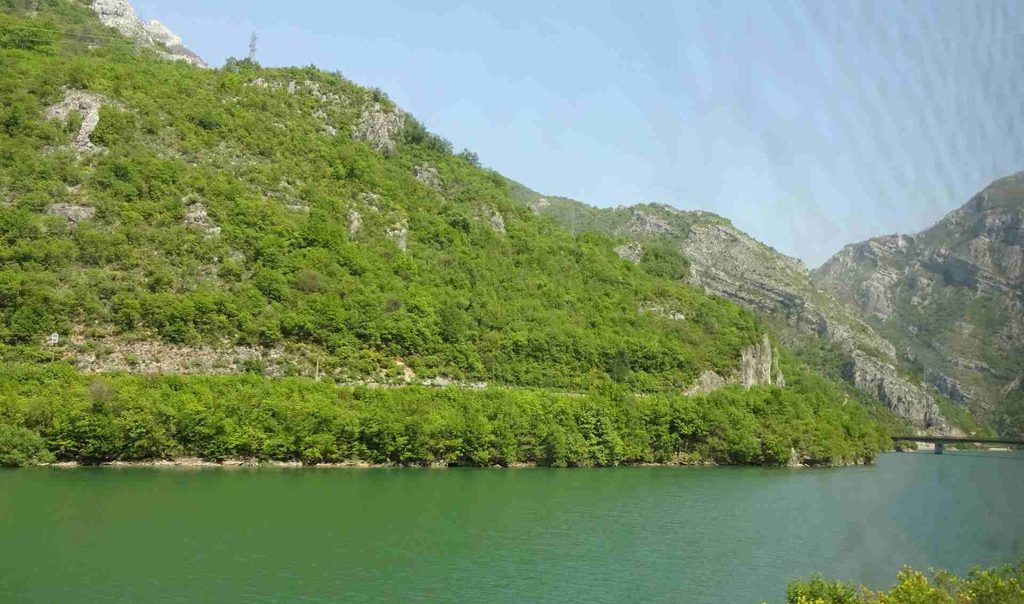
One of my favorite things about this train is that the railway and the river often appear together in the same landscape. The combination of the turquoise-green Neretva, limestone mountains, railway bridges and tunnels makes this one of the most scenic train journeys in Bosnia and Herzegovina. If you are interested in photography, I recommend keeping your camera or phone ready throughout the journey.
Part One: Sarajevo to Konjic
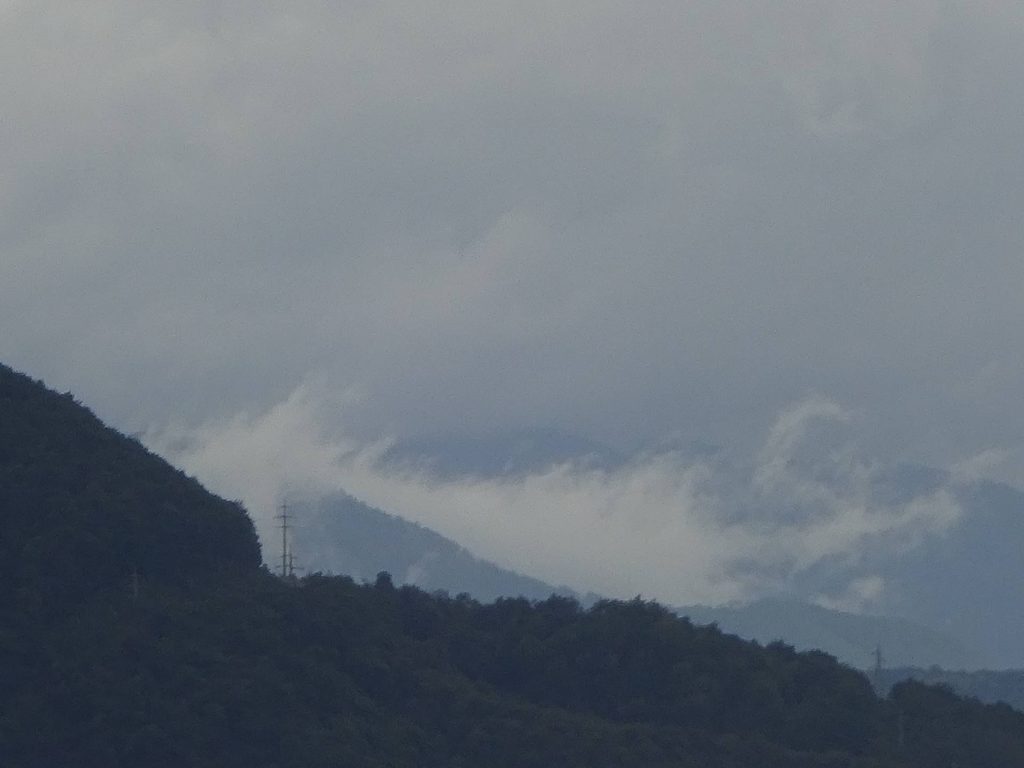
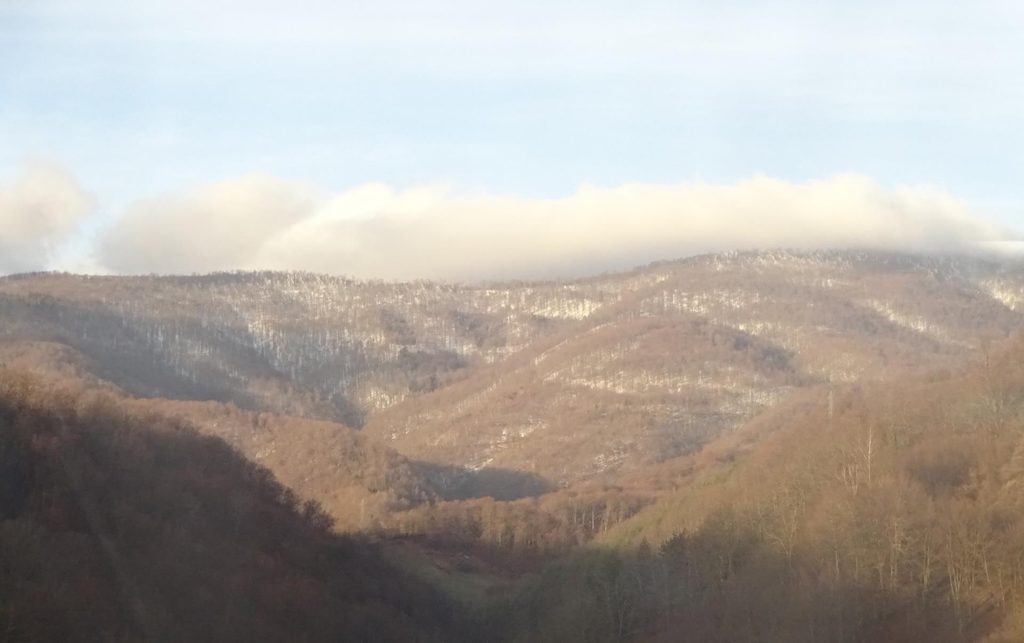
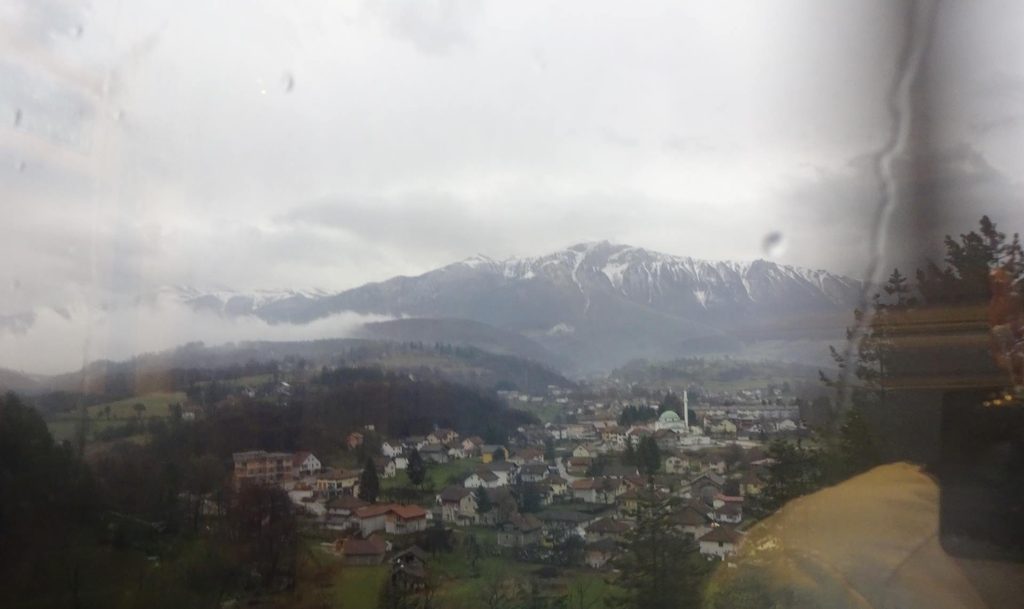
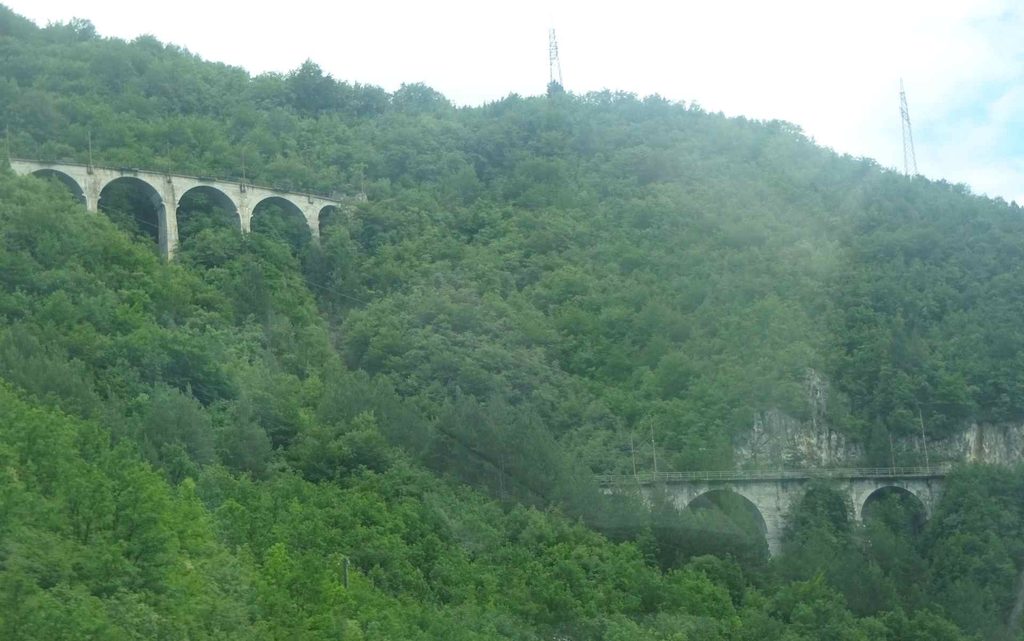
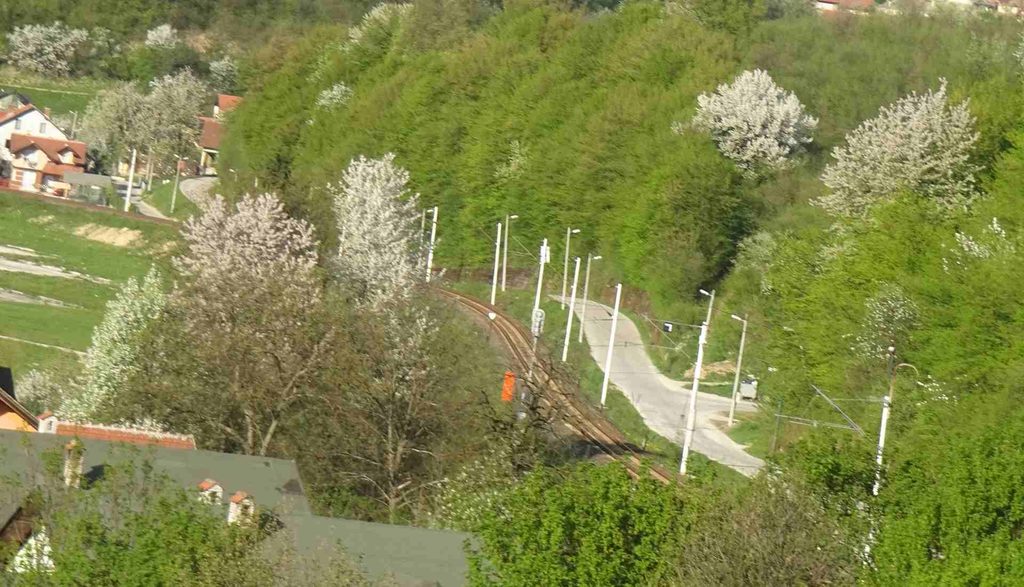
The first major part of the journey takes you from Sarajevo toward Konjic, passing through the mountain area around Bradina and Ivan. The train going through the mountains and passes through numerous tunnels and over bridges. You will see forests, steep mountain slopes, rocks and old railway infrastructure. The railway has to deal with a significant change in elevation, so the tracks sometimes curve dramatically around the mountains. The train is not particularly fast in this section, which is actually a good thing for passengers because it gives you more time to look outside and take photographs. During one of my trips, I was lucky enough to see fog and even a rainbow over the mountains.
Part Two: Konjic to Mostar
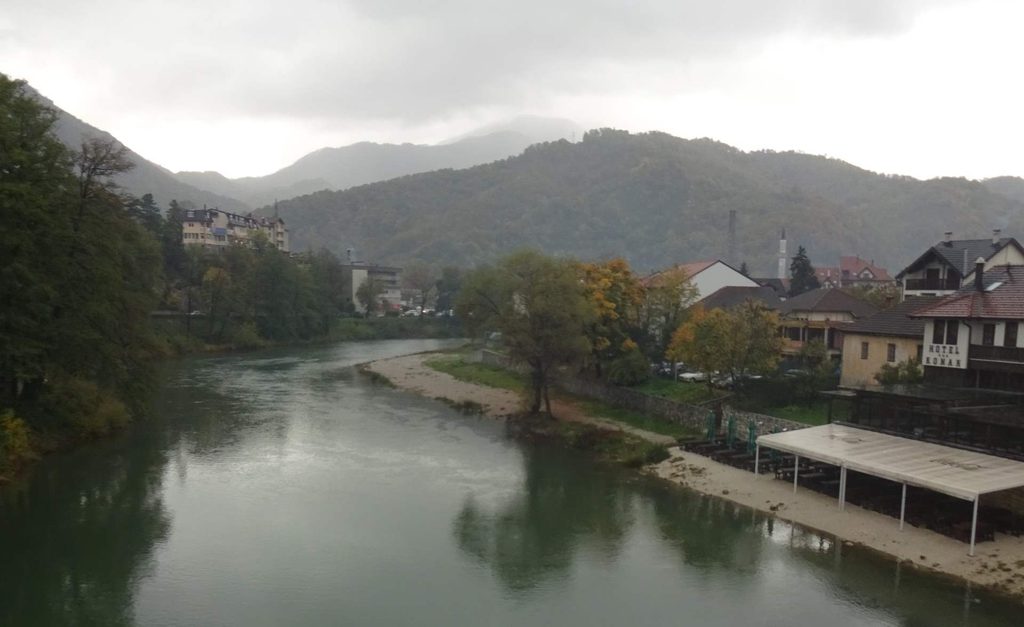
As you continue toward Konjic, the landscape gradually changes. The mountains become more rugged, and you begin to see more of the Neretva valley. Eventually, you arrive at Konjic. The section between Konjic and Mostar is quite different from the first part of the journey. After Konjic, the railway follows the Neretva valley and the landscape becomes increasingly dramatic. You will see the Neretva River and Jablanica Lake, along with steep mountains and rocky slopes.
This is one of the most scenic parts of the journey. The train also becomes faster on some sections compared with the mountain section around Sarajevo. As you continue south, the landscape gradually changes from the cooler continental environment around Sarajevo toward the warmer Herzegovina climate around Mostar. You can see mountains with snow in the distance during spring while the Neretva valley is already green.
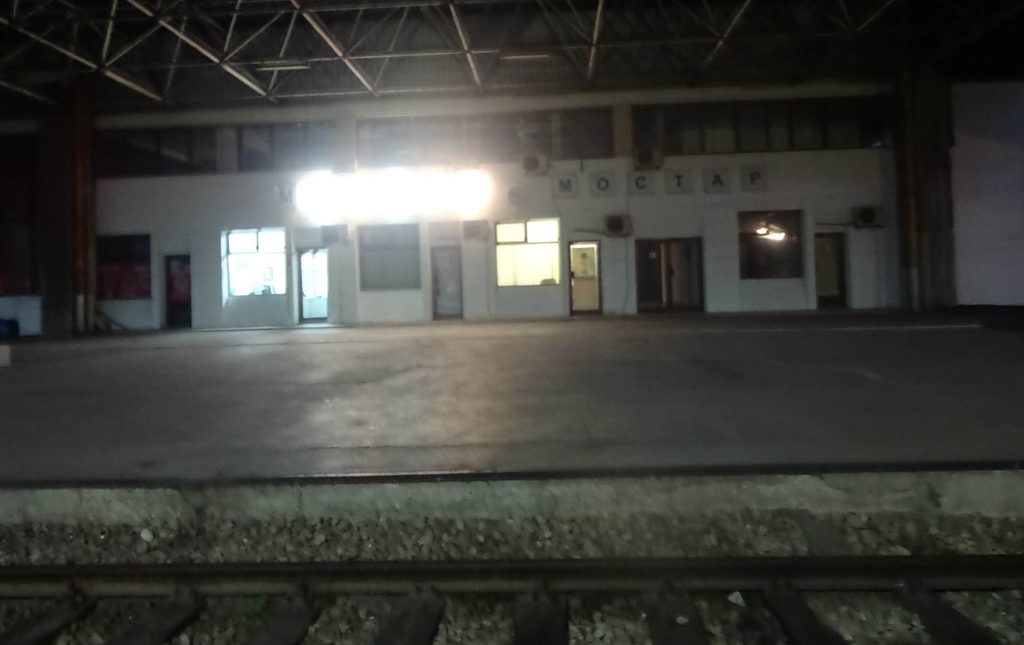
Mostar Railway Station
After approximately two hours, depending on the service and timetable, you will arrive in Mostar. Welcome to Herzegovina! Mostar Railway Station is conveniently located relatively close to the historic center. From the station, you can walk toward the Old Town and the famous Old Bridge. This is one of the reasons why I think taking the train is such a good way to travel between Sarajevo and Mostar. You do not arrive at an isolated transport terminal far outside the city. Instead, you arrive close to the main tourist area and can start exploring almost immediately.