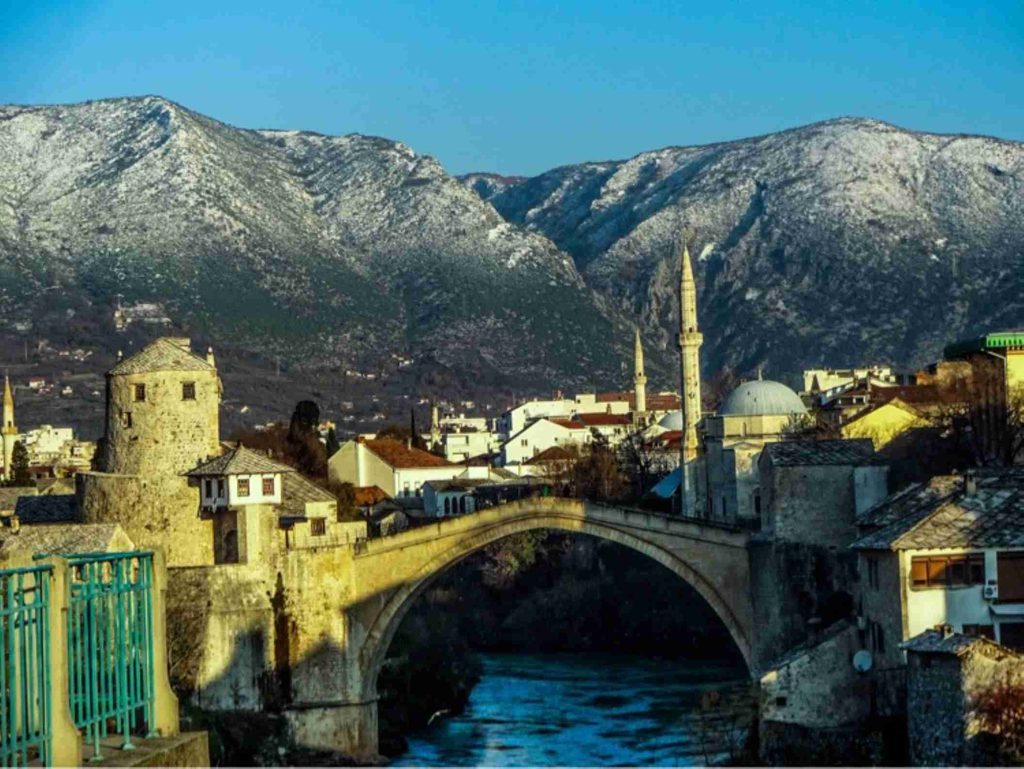
Most is the most visited city in Bosnia and Herzegovina. Its a unique Mediterranean city located in the south of the country and is one of my favorite cities I have visited. This is a guide to what to see there if you visit. It is located in the Herzegovina region, which is an interesting region for many reasons. For me personally, it is my favorite city in Bosnia and Herzegovina and the most favorite in the Balkans. Some locals would call this region and city California. Compared to other cities in the north, like Sarajevo, it is completely different. For many tourists, Mostar is a day trip, but I would recommend staying there for at least 2 days. Keep in mind that, due to the specific geological structure, low altitude, surrounding hills and other natural phonemes, Mostar is often the hottest city in the Balkans and one of the hottest in Europe (data from …). Even for Bosnians, Mostar is an exotic city worth visiting. Since there are Medjugorje, Dalmatia and beach towns in Montenegro, most tourists go to Mostar for a day trip, so I hope you find this travel guide useful. I took all the pictures during my multiple visits to Mostar. The sunniest day.
How to get to Mostar
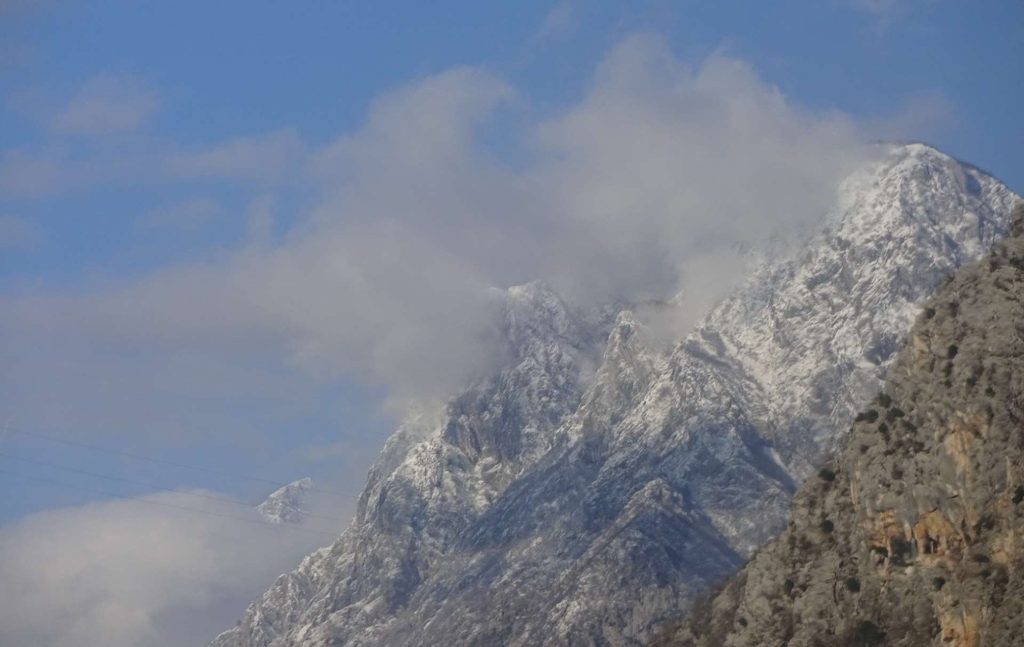
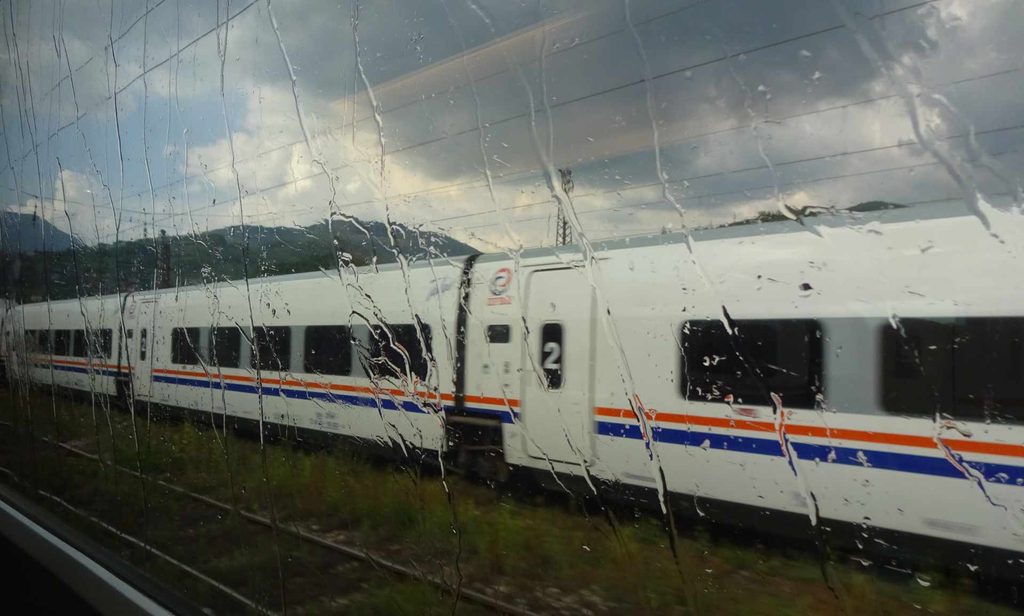
A few years ago, an airport opened in Mostar. If you are going there from Sarajevo, there is a direct train, called Talgo (talgo – Spanish factory, these trains also run from Granada). Most tourists use this train because it is one of the most popular lines and it is documented, and it passes through the Neretva canyon. There are no reservations or limited number of passengers, so it is better to arrive much earlier at the train station. There are also buses from Sarajevo, and they are almost twice as expensive and slower compared to the trains. The city is also connected by buses to other major cities in the region. There are two bus stations in Mostar, Istočni most and Zapadni most. Zapadni most is located next to the main train station and is close to the Old Town. Be careful if you book a ticket online to be sure which station in Mostar is your stop.
Old Bridge (Stari Most)
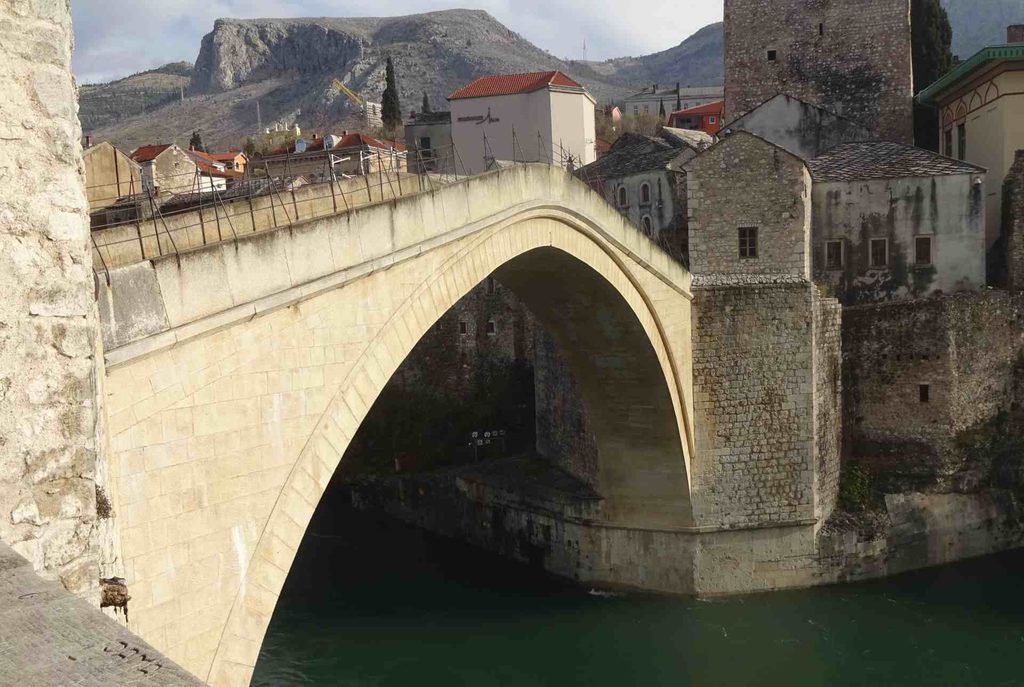
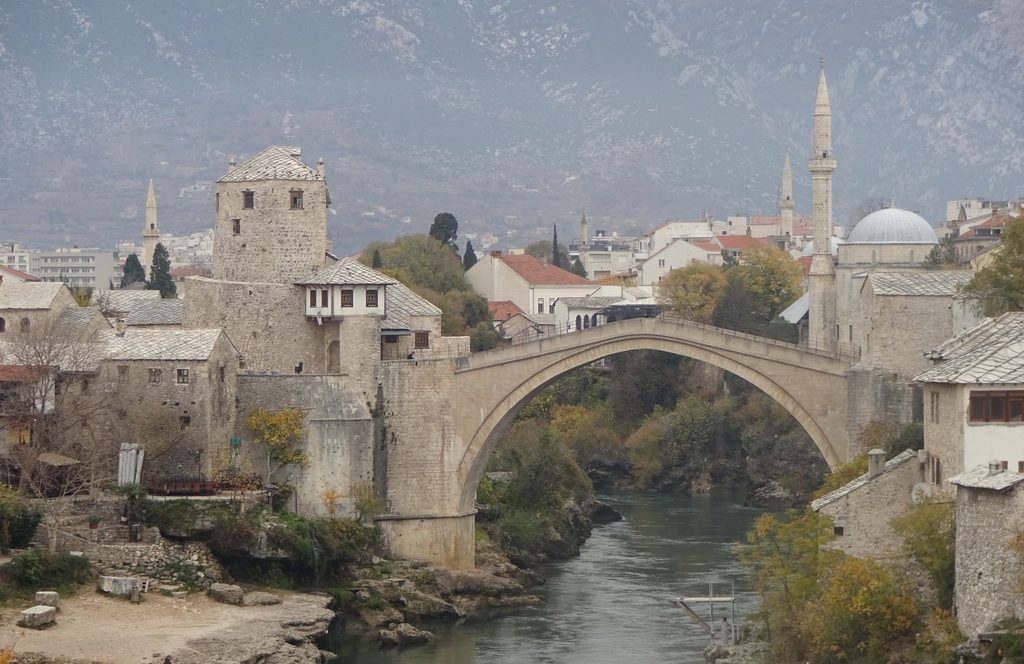
The Old Bridge is the symbol of Mostar and the sight that almost every visitor comes to see. The current bridge was completed in 1566 during the Ottoman period and was designed by Mimar Hajrudin, a student of the famous Ottoman architect Sinan. It became the central feature of the city and gave Mostar much of its identity. The bridge is an extraordinary structure. Its large stone arch crosses the Neretva and connects the two sides of the historic city. UNESCO describes the Old Bridge as an outstanding example of Ottoman bridge architecture and emphasizes the combination of Ottoman, Mediterranean and European influences found in the surrounding historic area.
Unfortunately, the original bridge was destroyed during the Bosnian War on November 9, 1993, after prolonged shelling. It collapsed into the Neretva River and became one of the most recognizable symbols of the destruction of Mostar. The bridge was reconstructed through a major international project involving UNESCO, the World Bank, the city of Mostar and several donor countries. The reconstructed bridge was officially opened in 2004. The reconstruction attempted to preserve the appearance, materials and traditional construction techniques of the original structure.
In 2005, the Old Bridge and surrounding historic area were inscribed on the UNESCO World Heritage List. This was an important moment not only for Mostar but also for Bosnia and Herzegovina, and UNESCO considers the reconstructed bridge and historic city a symbol of reconciliation, international cooperation and coexistence. When you stand on the bridge, it is easy to understand why it became the symbol of the city.
Diving from the Old Bridge
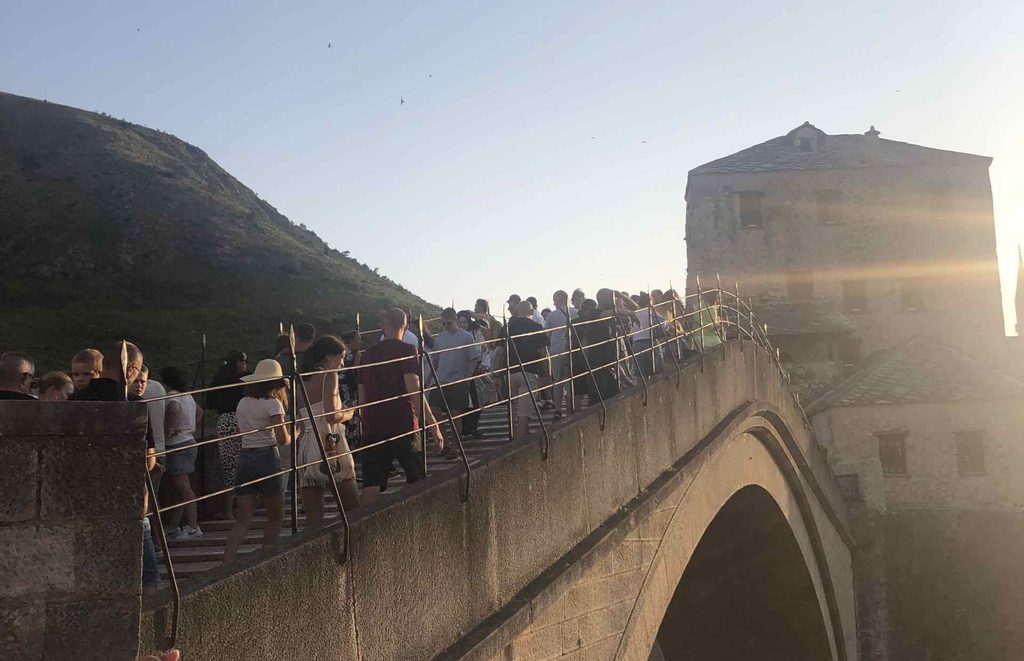
One of the most unusual things about Mostar is the tradition of jumping from Stari Most into the Neretva. The tradition goes back centuries. Local divers have historically used the bridge as a place to demonstrate courage and skill, and organized diving competitions are held in Mostar.
During summer, you will often see divers standing on the bridge or nearby collecting money from spectators before making the jump. Sometimes a diver will wait until enough money has been collected before jumping. The height of the bridge is around 24 meters above the river, depending on how it is measured, making the jump extremely dangerous for anyone without proper training and experience.
I strongly recommend that visitors do not attempt to copy the professional divers. The Neretva is cold, the current can be unpredictable and the jump requires specialized technique. The traditional diving competition remains one of the city’s most recognizable events, while Mostar has also become a regular location for major cliff-diving competitions. The city itself describes the traditional jumps as an important part of Mostar’s cultural and sporting identity. If you visit in summer, there is a good chance that you will see someone preparing to jump.
Neretva River
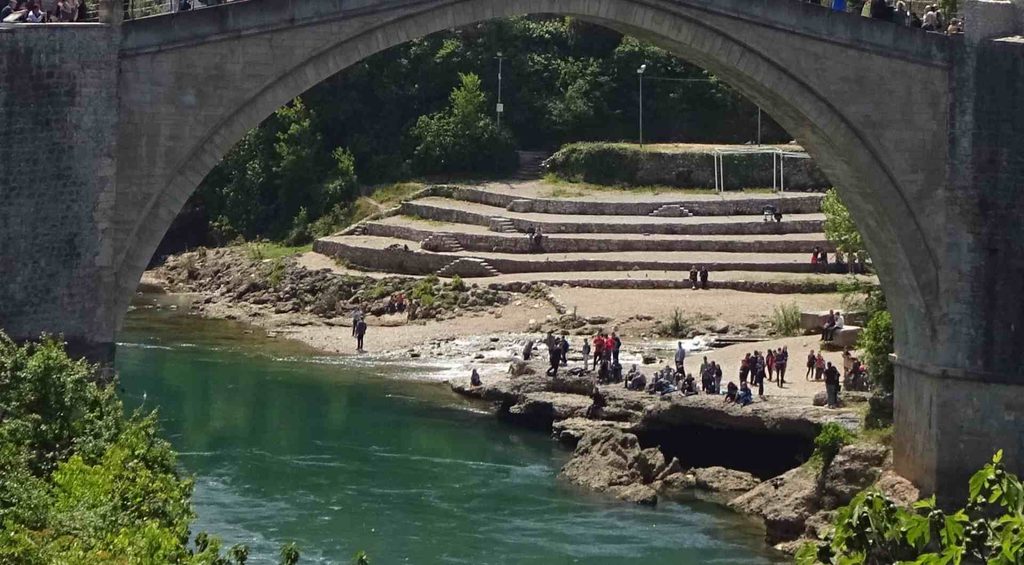
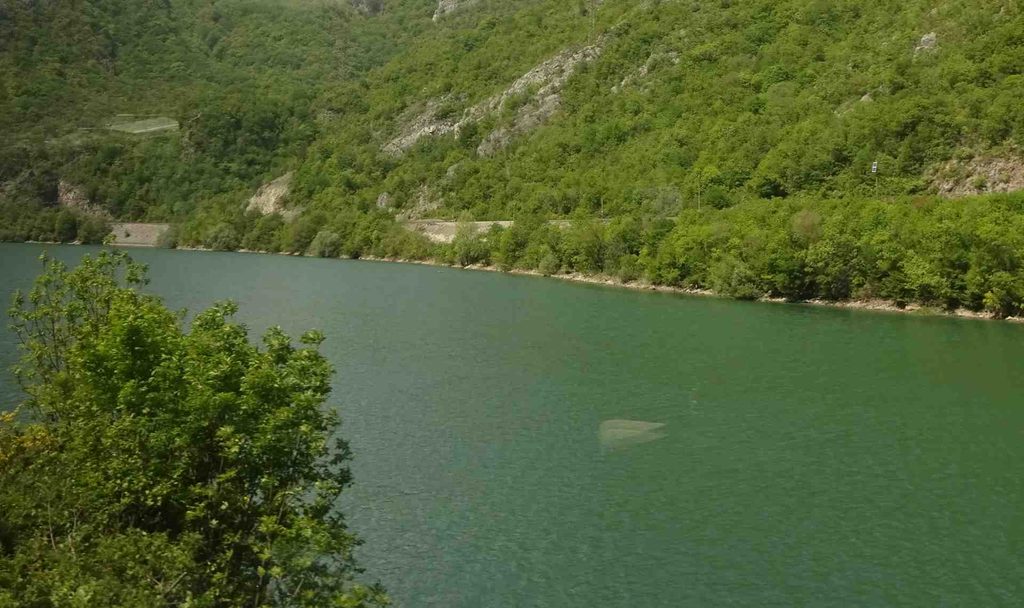
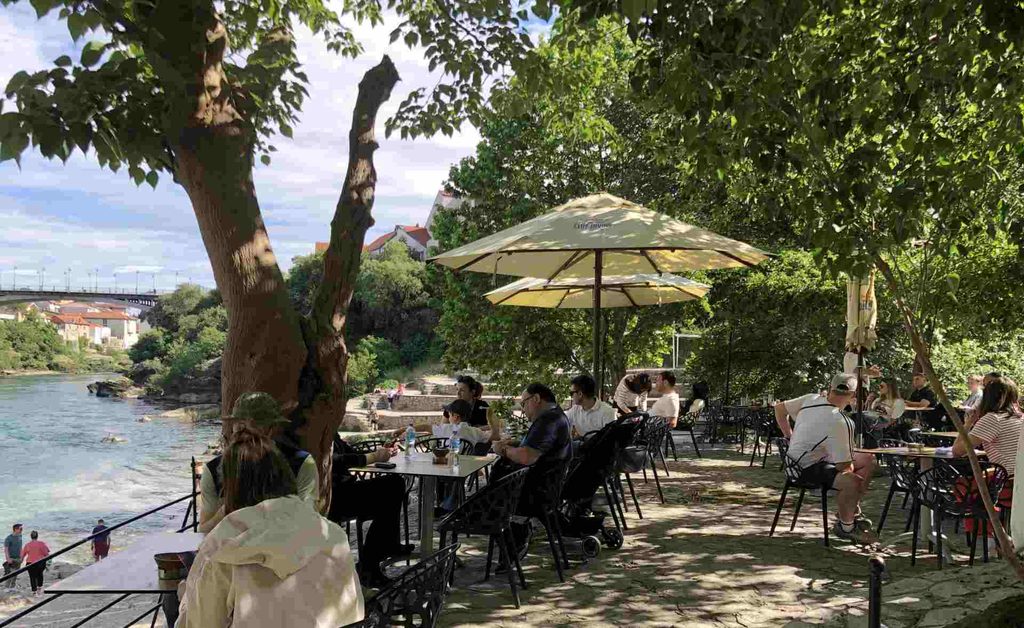
The river runs directly through the historic center and underneath Stari Most. Its greenish color contrasts beautifully with the pale stone of the bridge and the surrounding buildings. The Neretva begins in the mountains of Bosnia and Herzegovina and eventually flows into the Adriatic Sea. Along its course, the river passes through dramatic mountain scenery, towns and reservoirs before reaching the Mediterranean coast.
The section around Mostar is particularly beautiful because of the contrast between the river, the old stone buildings and the mountains surrounding the city. I have swum in the Neretva myself, and I can tell you that the water is very cold. Even on a hot summer day, the temperature of the river can be a shock.
That is one reason why you should be careful about swimming in the river around the Old Bridge. The current, depth, rocks and cold water make it very different from swimming in an ordinary swimming pool. If you want to experience the river without swimming, there are several other possibilities. You can sit beside it, walk along the riverbanks, have a drink at one of the nearby cafes or take a boat trip underneath the Old Bridge. The Neretva also becomes a major destination for outdoor activities farther upstream. Rafting, kayaking, fishing and other water activities are available in different parts of the river and its surrounding valleys.
One of the most impressive things about visiting Mostar is simply seeing how closely the city is connected with the river. The bridge, the old houses, the mountains and the Neretva all form one landscape.
Old Town of Mostar
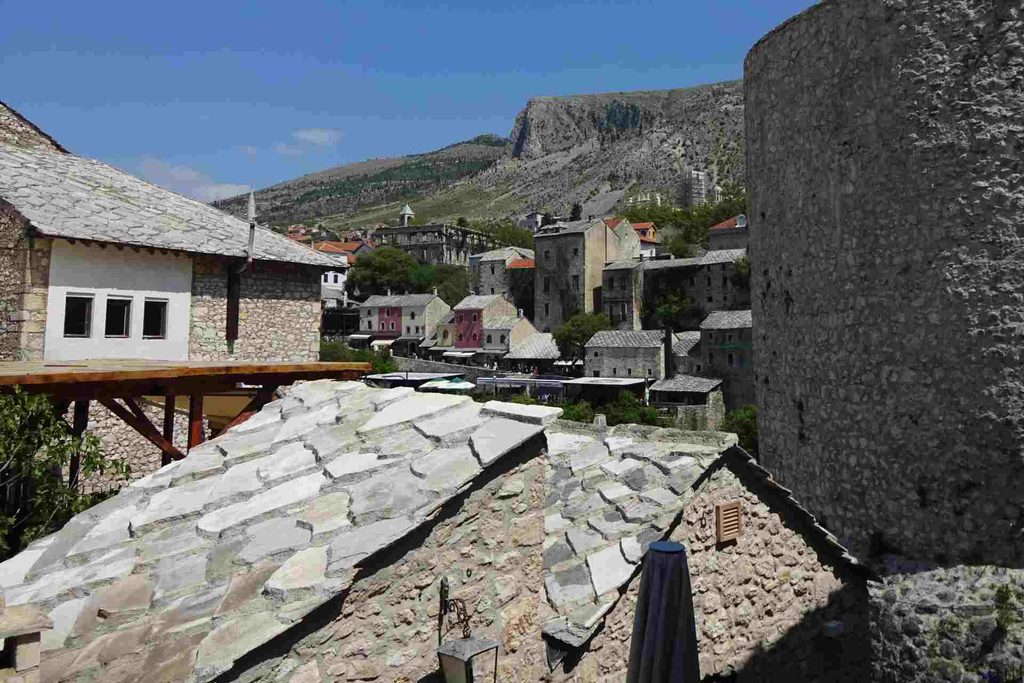
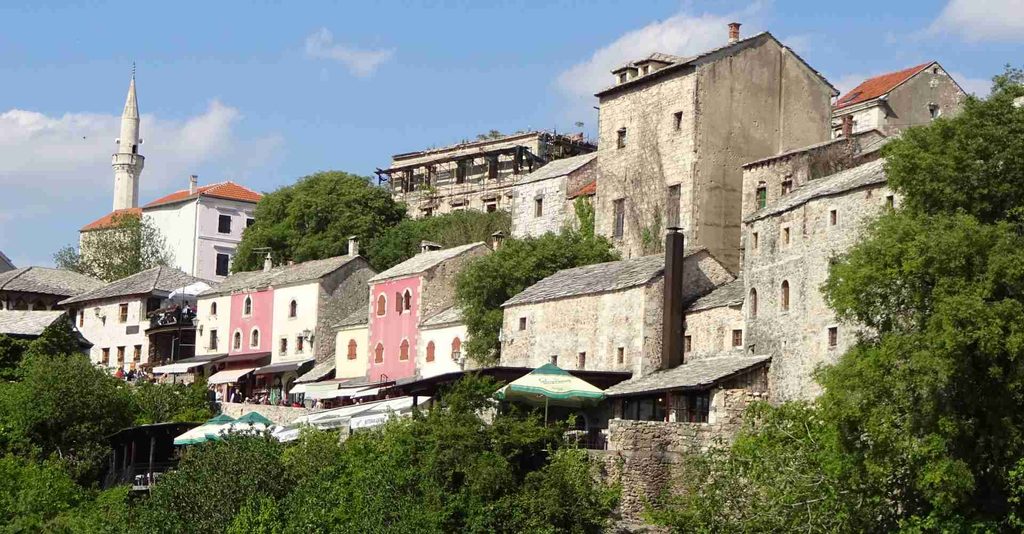
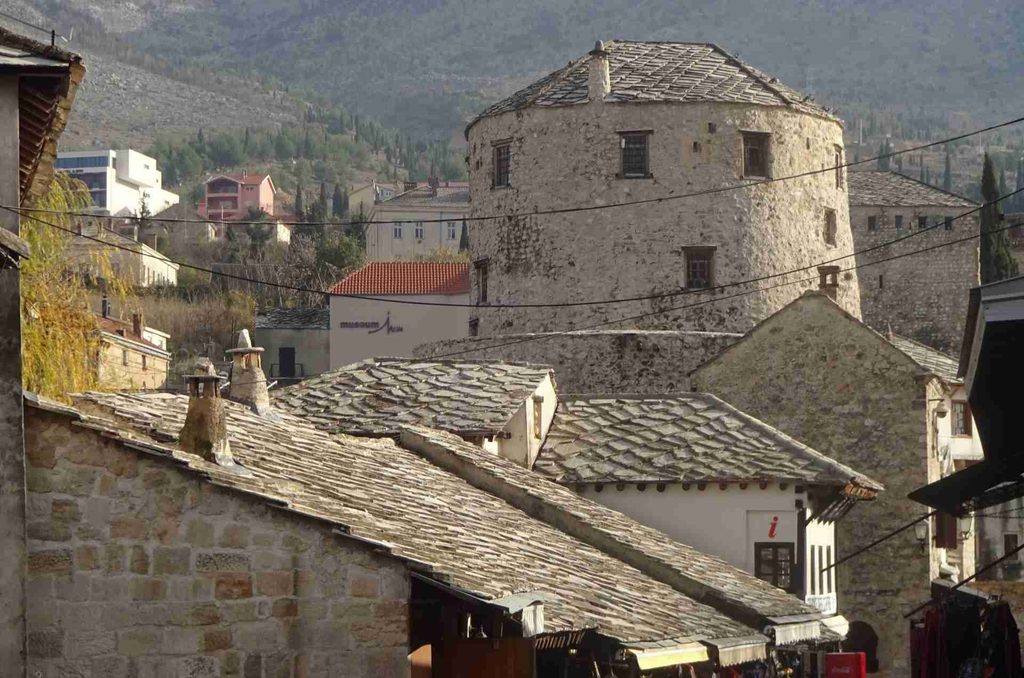
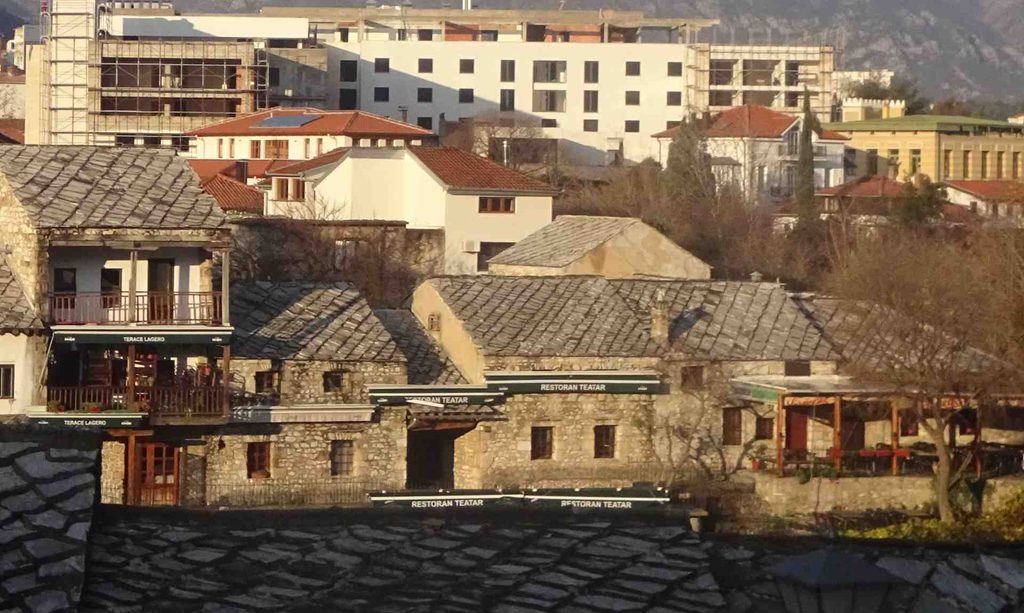
The Old Town is where you will probably spend most of your time. The streets around Stari Most are mostly paved with stone, and many buildings contain elements of traditional Ottoman architecture. The area is filled with restaurants, cafes, souvenir shops, small hotels and other businesses. Although the area is very tourist-oriented today, it still retains much of the character that makes Mostar interesting. UNESCO recognizes the historic area as a particularly important example of a multicultural urban settlement. The architecture reflects different periods and cultural influences, including Ottoman, Mediterranean and European elements.
Late afternoon and evening are also excellent times to explore the Old Town because the light changes the appearance of the stone buildings and the bridge.
Swimming in Mostar
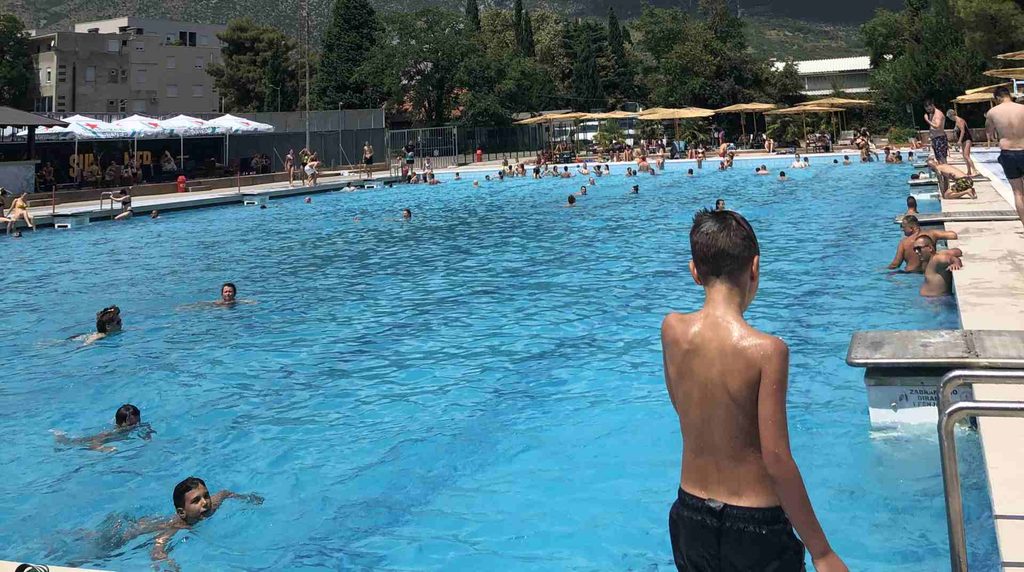
If you visit Mostar during the summer, you will probably understand very quickly why people look for somewhere to escape the heat. The city can become extremely hot, particularly during the afternoon. Although the Neretva passes directly through the city, swimming in the river around the Old Bridge is not something I would recommend casually. The water is cold and the river has currents and other hazards. Instead, there are swimming pools and recreational areas where you can spend a few hours cooling down.
During one of my visits, locals recommended a swimming pool to me when I was looking for somewhere to escape the heat. The water was extremely clean and refreshingly cold, and the area had facilities such as cafes and places to get food. This can be a particularly good option if you are spending several days in Mostar rather than simply making a quick day trip.
Personally, I think this is one of the advantages of staying overnight. A day trip usually means spending the hottest part of the day walking around the Old Town. If you stay longer, you can explore in the morning, take a break during the hottest hours and then return to the city in the evening.
Spanish Square
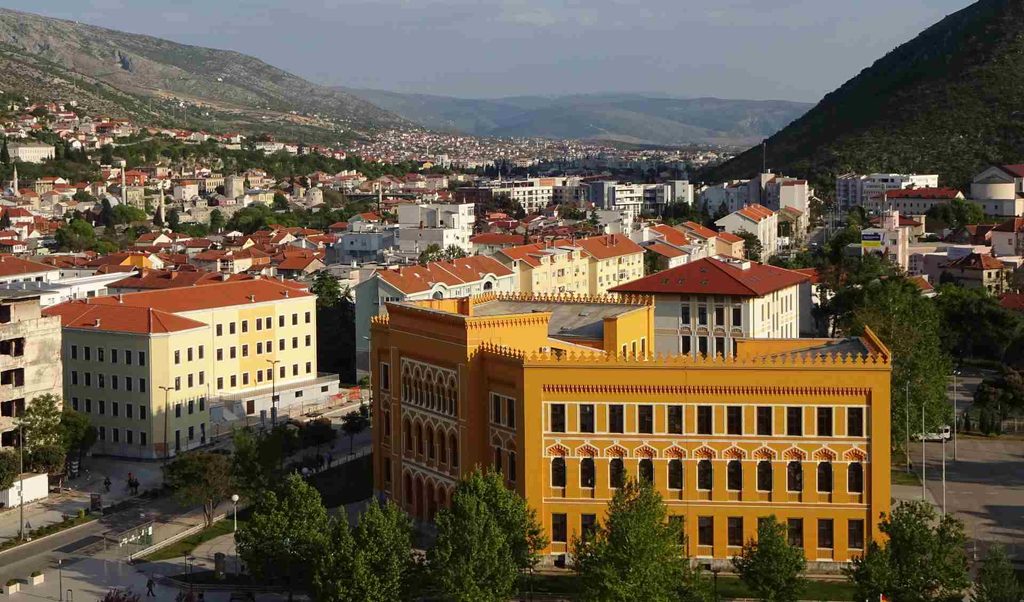
Spanish Square is one of the places that shows a completely different side of Mostar. The square is named after the Spanish peacekeeping forces that were stationed in the city after the Bosnian War. A monument commemorates 21 Spanish soldiers who died while serving in Bosnia and Herzegovina.
The area is also interesting because of its location within the modern city. When you walk from the Old Town toward Spanish Square, you move away from the Ottoman architecture and into another part of Mostar, with buildings and streets that tell a different story.
The Bosnian War left a deep mark on Mostar, and some parts of the city still contain visible traces of the conflict.For visitors interested in history, this is important. Mostar is not simply a beautiful old city. Its present appearance is also the result of a complicated and sometimes tragic twentieth-century history. Walking through the city can therefore feel like walking through several different historical periods at the same time.
Park Zrinjevac and the Bruce Lee Statue
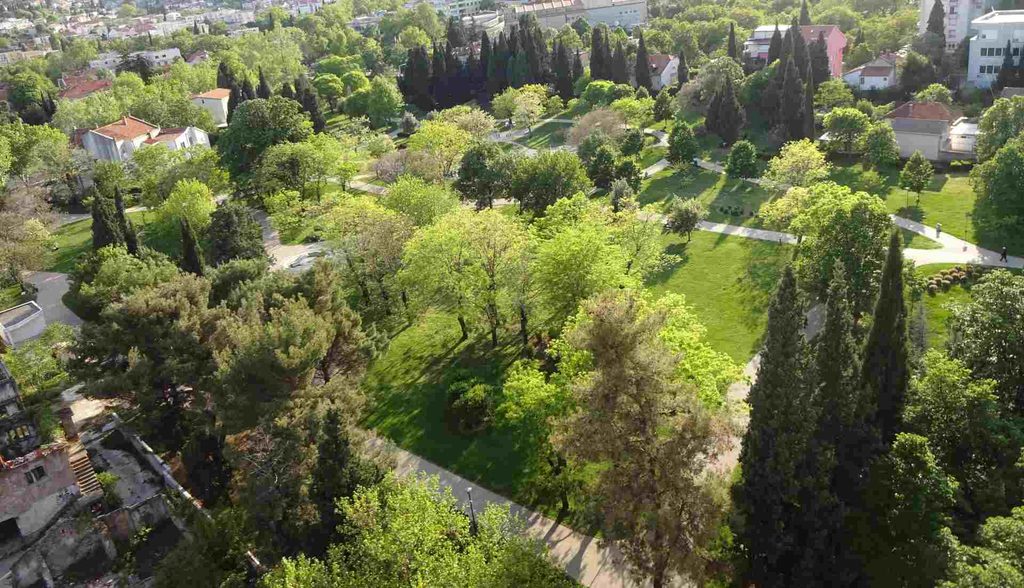
Park Zrinjevac is one of my favorite places to take a break in Mostar. This is particularly true during summer, when the temperature in the city can become very high. The park is close to the central pedestrian area and Spanish Square, making it an easy place to visit while exploring the city.
One of the park’s most unusual attractions is the statue of Bruce Lee. At first, seeing a statue of Bruce Lee in Mostar seems completely unexpected. However, the statue was created as a symbol of peace and reconciliation in a city that has been deeply divided by its recent history. Bruce Lee was chosen partly because he is a globally recognizable figure who is not associated with one of the local ethnic or religious groups.
The statue has become one of the more unusual landmarks in Mostar. It is also a good example of the city’s strange mixture of history, popular culture and symbolism. After spending time around the Old Bridge and historic buildings, finding Bruce Lee standing in a park can be a surprisingly amusing experience.
Fortica
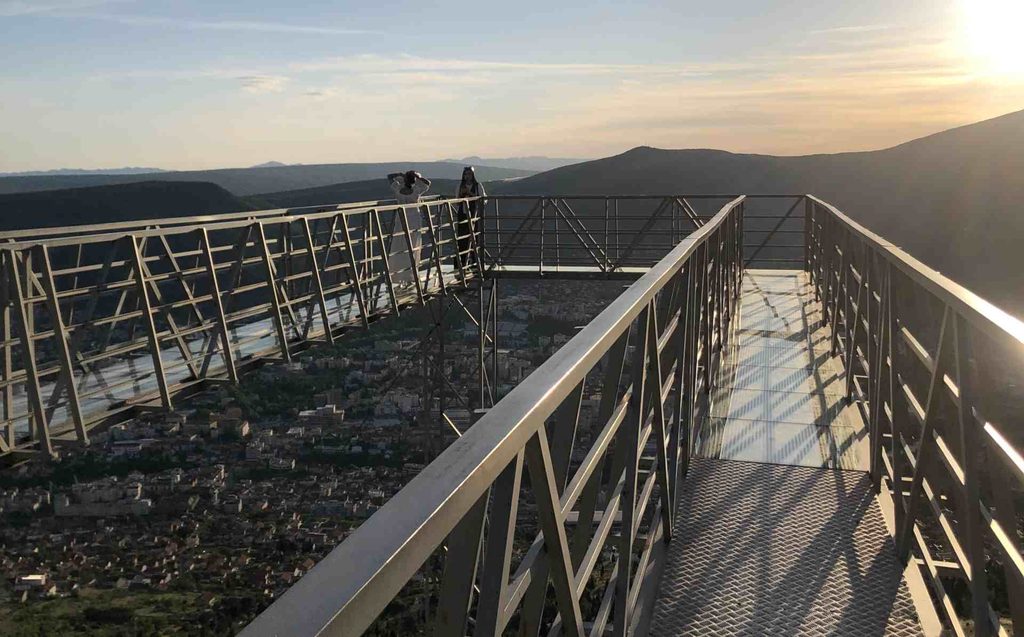
If you want a completely different view of Mostar, go up to Fortica. Fortica is located on the mountain above the city and provides one of the best panoramic views of Mostar. From up there, you can see the Neretva valley, the Old Bridge, the city center and the surrounding mountains. In recent years, the area has also developed into a destination for adventure tourism. There are recreational facilities, viewpoints and a zip line, as well as places where you can simply sit and enjoy the scenery.
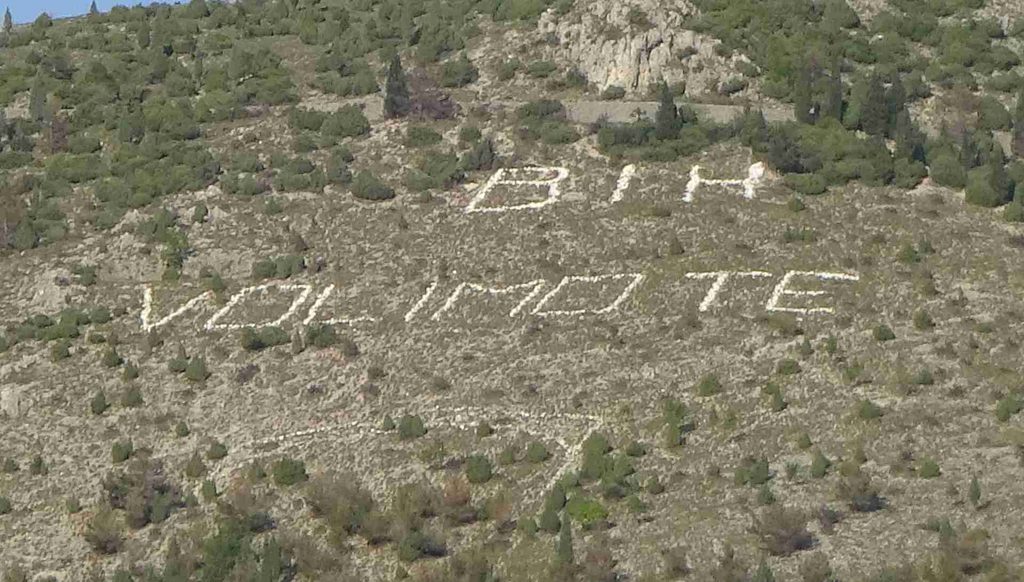
I went up to Fortica by taxi, which was inexpensive, and later walked back down toward the city. If you are visiting during a hot summer day, I would recommend going either early in the morning or later in the afternoon. The exposed mountain can become very hot in the middle of the day. One of the interesting details at Fortica is the large inscription made from stones: “BiH, Volimo te” which means: “Bosnia and Herzegovina (BiH), we love you.”
The viewpoint is particularly impressive because it gives you a sense of Mostar’s geographical position. From the Old Town, you mostly experience the city at street level. From Fortica, you suddenly understand that Mostar is located in a relatively narrow valley surrounded by mountains. That landscape helps explain much of the city’s character.
Aleksa Santic Park
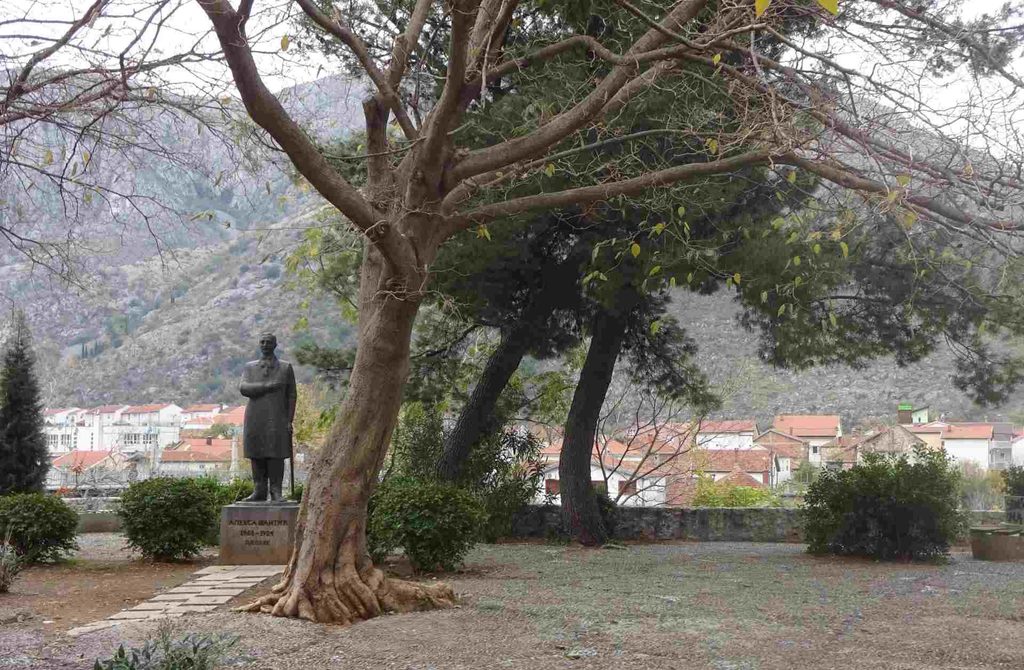
Aleksa Šantić is one of the most important literary figures associated with Mostar. He was born in Mostar in 1868 and became one of the best-known poets from Bosnia and Herzegovina. One of his most famous poems is “Emina,” which became widely known throughout the former Yugoslavia.
There is a park and monument dedicated to Šantić near the center of Mostar. If you are interested in literature and local history, this is worth adding to your walk through the city. It is also an opportunity to see another side of Mostar that is easy to miss if your entire visit is focused on Stari Most. Mostar has produced and inspired numerous writers, poets, musicians and artists, and Aleksa Santic remains one of the most recognizable cultural figures connected with the city.
Churches and mosques
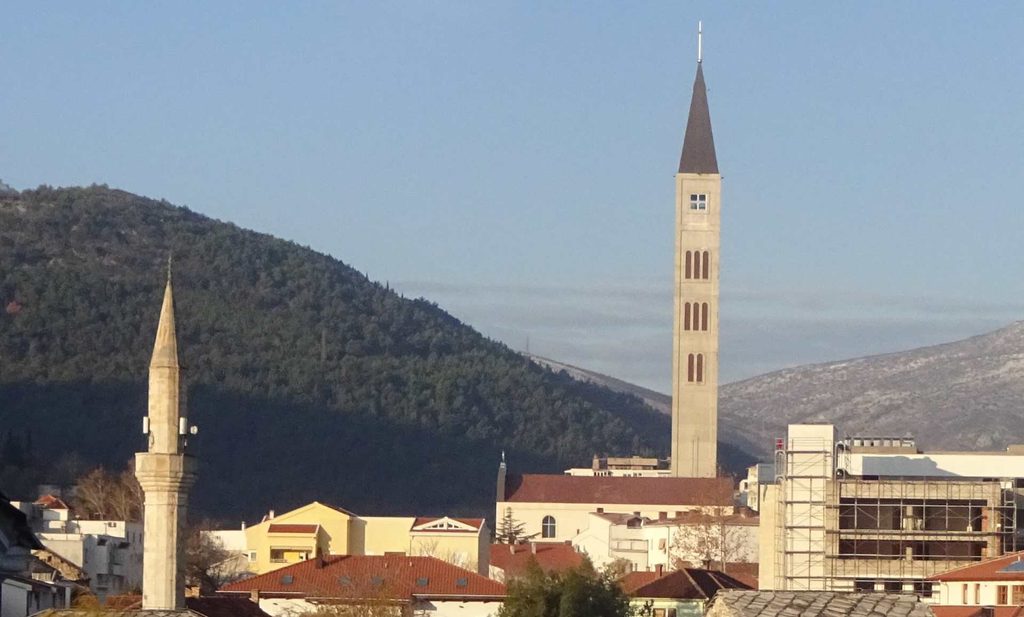
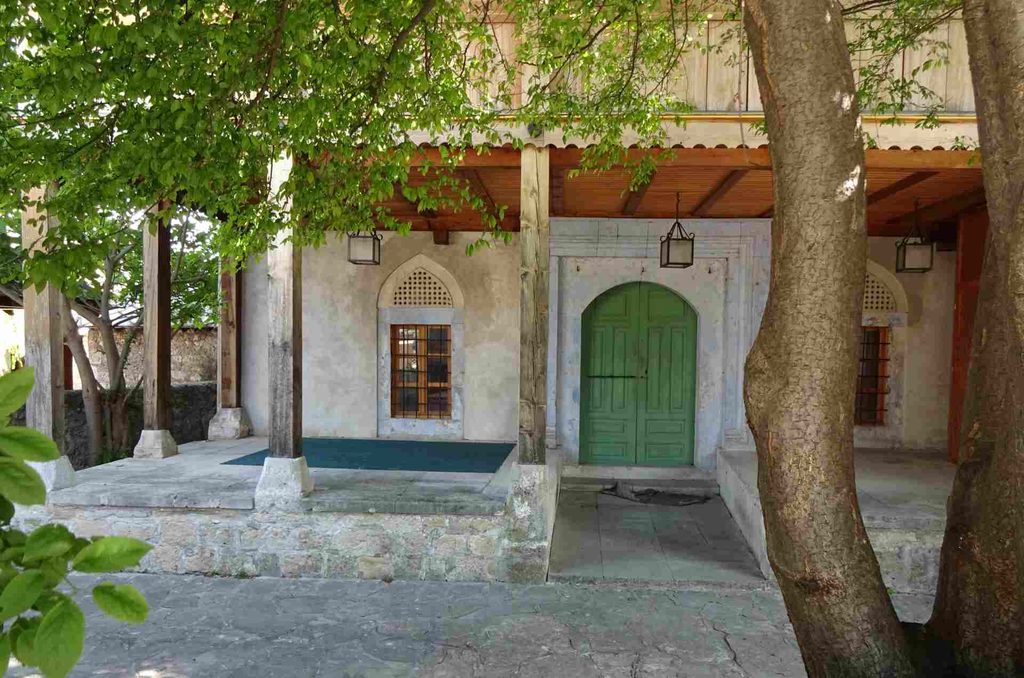
Mostar is a city where, historically, many religions and ethnic groups have mixed. Mostar is home to all 3 major religions in the Balkans: Catholic, Orthodox and Islamic. If you like these kinds of buildings, there are many of them, and some of them are legendary, such as the Orthodox Church of Mostar (1837, under renovation), the Church of St. Peter and Paul (1866) or the Karađoz-beg Mosque (1557).
Where to go next
Places in the area where you should go next are: Kravica, Blagaj, Počitelj or Međugorje, depending on the time of year, the weather and your passions.