I am going to share some of the lakes I have visited in Bosnia and Herzegovina during my trips. Some of them look like hidden paradises. I am not even sure if I should share all of them with you, or keep some of them for myself, but here we go. If you are going to visit any of these places, please respect nature, the water, and the local area. Some of these lakes are so little-known that even many people from Bosnia and Herzegovina have never heard of them. I personally visited all 13 of these places, and this is my first-hand guide. In this post, I will describe whether it is possible to swim or camp there based on my own experience. I will also mention how deep, clean, or dirty the water is, when I have information from local people who know the area.
A note about wild camping: Camping outside designated campsites can be subject to local rules and restrictions, especially in protected areas. I have personally camped in nature in Bosnia and Herzegovina without problems, but that does not mean camping is permitted everywhere. Always check local rules and respect private property and protected areas.
Kukavičko Lake
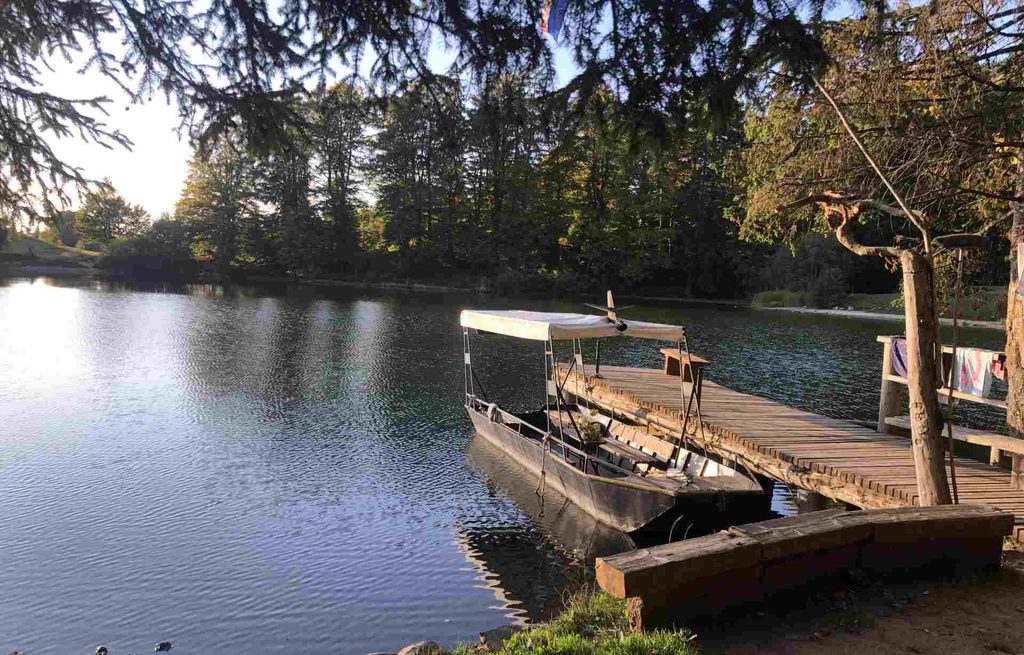
Kukavičko Lake is one of my favorite lakes in the whole country. Located near Kupres, at an elevation of about 1,200 meters, it feels like a real hidden treasure. The lake is about 10 kilometers from Kupres and is surrounded by the mountains and the typical landscape of the Kupres area. It is usually quite fresh even during the hot summer, and it is a very quiet place compared with some of the more popular lakes in Bosnia and Herzegovina.
The lake lies in a depression, and local people have made a small barbecue area and a little jumping spot near the water. The lake itself is somewhat hidden from the main road and surrounded by woods, which makes it feel even more peaceful. I have personally swum in Kukavičko Lake, and the water was clean. Locals told me that the maximum depth is around 13 meters, which is also consistent with published information about the lake. Camping is possible, and there is an area above the lake where I have seen other people camping with tents. You can park nearby and walk to the lake.
Ramsko Lake
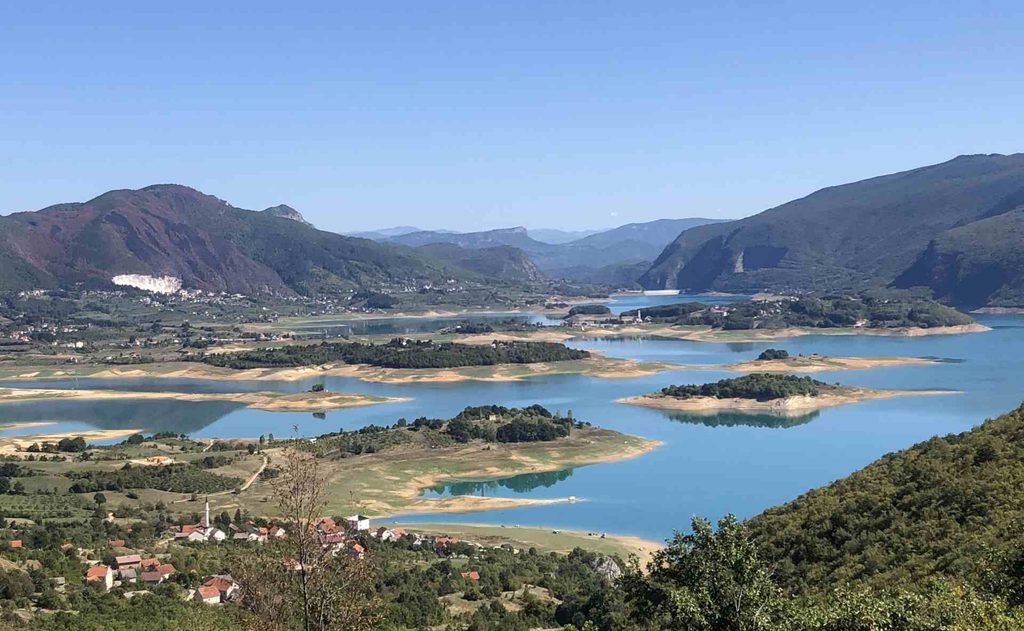
Ramsko Lake is probably one of the most photogenic lakes in the whole country. It is located in the Prozor-Rama municipality and is one of the most beautiful places in central Bosnia and Herzegovina. The shape of the lake is particularly unusual, with many small bays and peninsulas. When you see it from above, the landscape almost looks unreal. The main disadvantage, if you are looking for complete peace and privacy, is that there are roads, houses and private properties around parts of the lake. I have personally swam in Ramsko Lake. The water was clean, but there are sandy areas and places where the bottom suddenly becomes deeper, so you should be careful when entering the water.
I would not recommend wild camping here unless you know exactly where you are allowed to stay. There are private properties around the lake, but there are also organized camping and accommodation options.
Pliva Lake
Pliva Lake is one of my favorite lakes in central Bosnia and Herzegovina. Located near the town of Jajce, it is surrounded by green landscapes and is one of the country’s best-known natural lakes. The Veliko Plivsko Lake is considered the largest natural lake in Bosnia and Herzegovina. It lies at about 424 meters above sea level, is around 3.3 kilometers long, and reaches a maximum depth of about 36 meters.
The lake is connected with the Pliva River and is especially famous for its beautiful surroundings, boats, fishing, water sports and the famous old watermills nearby. I have not camped here myself, so I would not claim that camping is possible everywhere around the lake. However, there are plenty of areas and accommodation options around Jajce and the lake. If you are visiting Pliva Lake, you should definitely also visit Jajce itself. The combination of the lake, the Pliva River and the famous waterfall makes this one of the best areas to visit in Bosnia and Herzegovina.
Paučko Lake
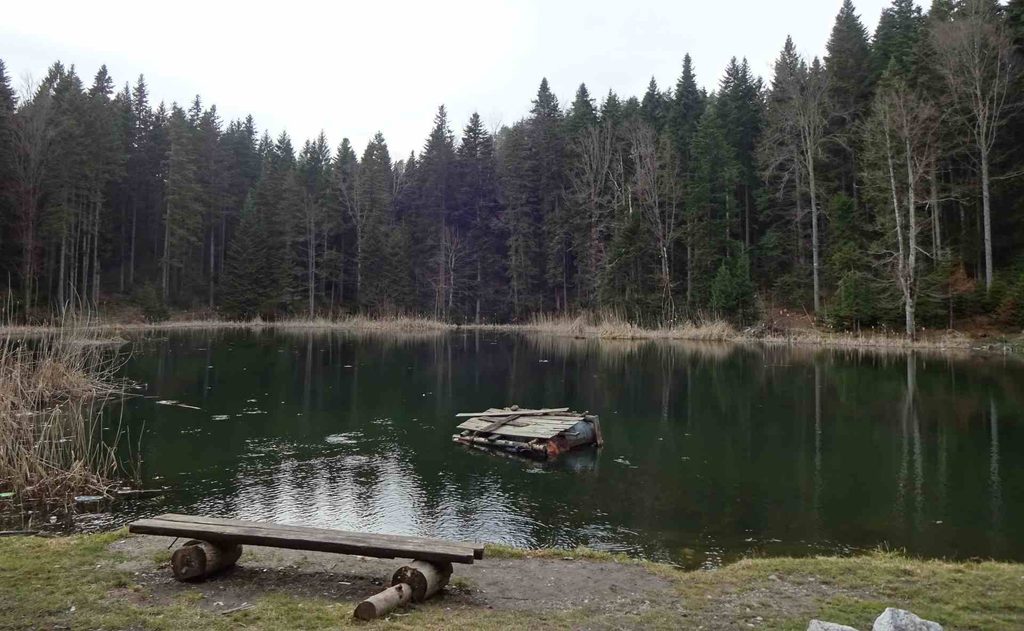
Paučko Lake, also known as Gorsko Oko, is a great example of the hidden lakes of Bosnia and Herzegovina that many people have never heard of. It is located in the forested area of Kladanj, at about 650 meters above sea level. The lake is surrounded by trees and is much quieter than the famous tourist lakes. This is exactly the kind of place I enjoy when I want to escape the crowds.
It was too cold for me to swim when I visited, but during the warmer part of summer it can be a good place to cool down. The area is also known for fishing. Because of its forest setting and relative isolation, it looks like a good place for camping. There are also other interesting places to visit in the area, including Djevojačka Pećina and Konjuh Mountain.
Perućac Lake
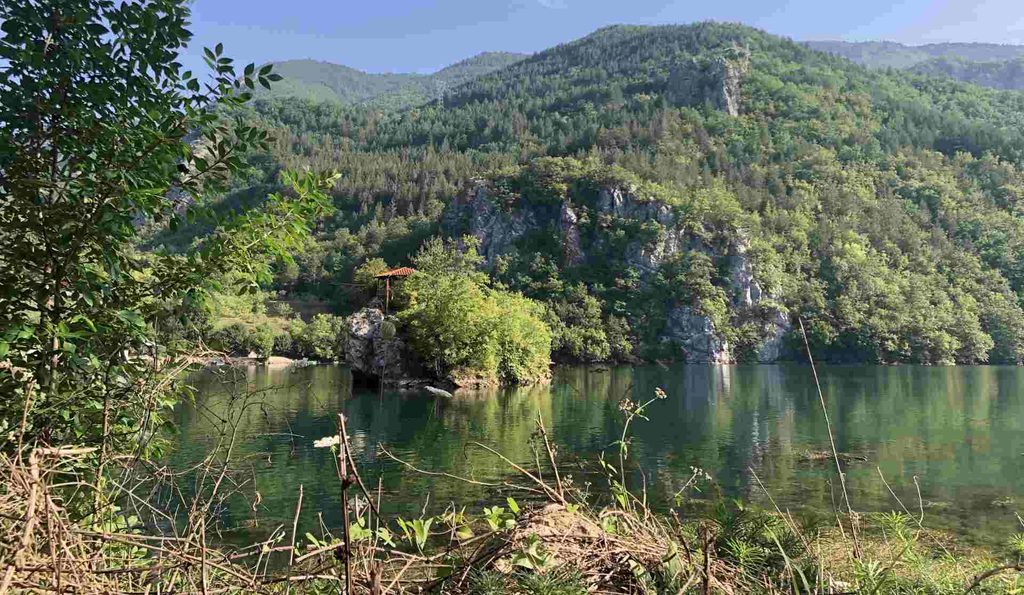
Perućac Lake is one of the largest reservoirs in Bosnia and Herzegovina. It was created on the Drina River by the Bajina Bašta hydroelectric power plant and lies along the border between Bosnia and Herzegovina and Serbia. There are several access roads and places with restaurants, cafés and accommodation around the lake. Compared with some of the more isolated lakes on this list, Perućac is much more developed for tourism.
It is also one of the most popular places on this list for boat trips and cruising on the water. I have personally swum here. The lake is quite deep, and locals told me that the area where I was swimming was at least around 30 meters deep. The maximum depth of the reservoir near the dam is about 90 meters. The water can also be surprisingly cold. Camping is possible in the area, although I would choose an established campsite or a suitable private location rather than simply putting a tent anywhere along the shore.
Buško Blato
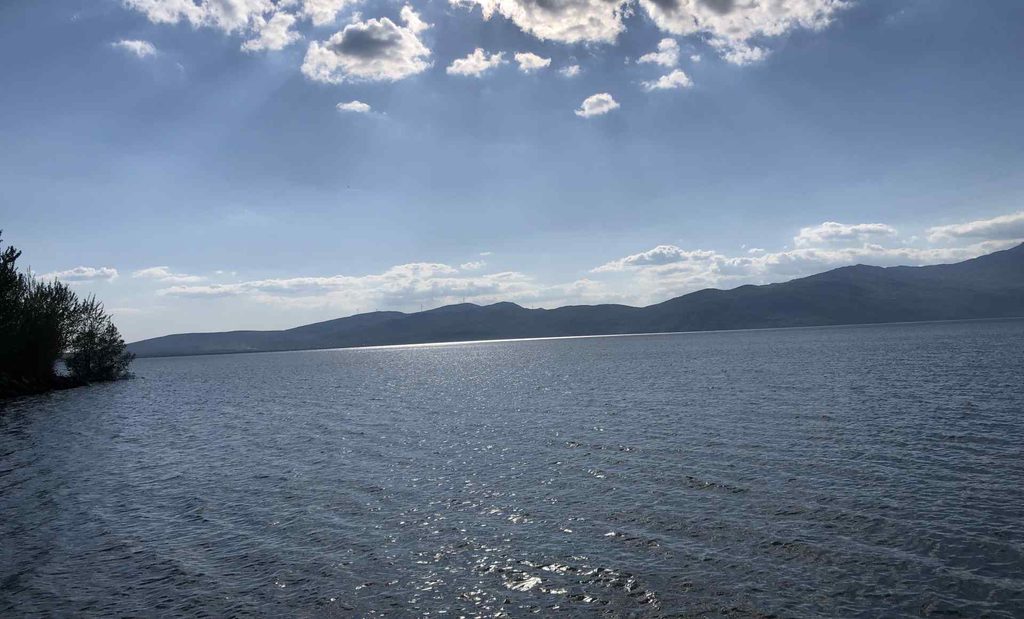
Buško Blato is a huge artificial reservoir in western Bosnia and Herzegovina, close to the Croatian border. The lake is particularly interesting because of the enormous scale of the engineering project that transformed the former periodically flooded karst area into a large reservoir used for hydroelectric power. With a surface area of roughly 56–60 square kilometers depending on the source and water level, it is one of the largest artificial lakes in Bosnia and Herzegovina.
I have swum in Buško Blato, but I did not camp there. Personally, I would choose some of the more mountainous and wilder lakes on this list for camping. The lake is near Tomislavgrad and Livno, so it can also be combined with a wider road trip through western Bosnia and Herzegovina. Buško Blato is also important for birdlife, so bring binoculars if you are interested in birds and nature. Buško Blato is not only interesting because of its size and landscape. It is also an important stopover for migratory birds along the Adriatic Flyway, the migration route followed by many birds travelling between Europe and Africa.
The lake, surrounding wetlands and temporarily flooded meadows provide important feeding and resting areas for waterbirds. During migration and winter, large numbers of birds can gather here. Historical surveys have recorded more than 67,000 waterbirds at Buško Blato at one time. The Common Coot (Fulica atra) is one of the most numerous species, together with the Common Pochard (Aythya ferina). Depending on the season, visitors may also see species such as the Eurasian Spoonbill, Glossy Ibis, Grey Heron, Great White Egret, Little Egret, Common Sandpiper, Redshank and Great Cormorant.
One of the more unusual species recorded in the area is the Dalmatian Pelican (Pelecanus crispus), a large and distinctive bird that is rarely seen in Bosnia and Herzegovina. Buško Blato and the surrounding Livanjsko Polje are therefore much more than a place for swimming, fishing and enjoying the landscape. They are also an important wetland habitat and part of the wider network of important bird areas in Bosnia and Herzegovina.
Zvornik Lake
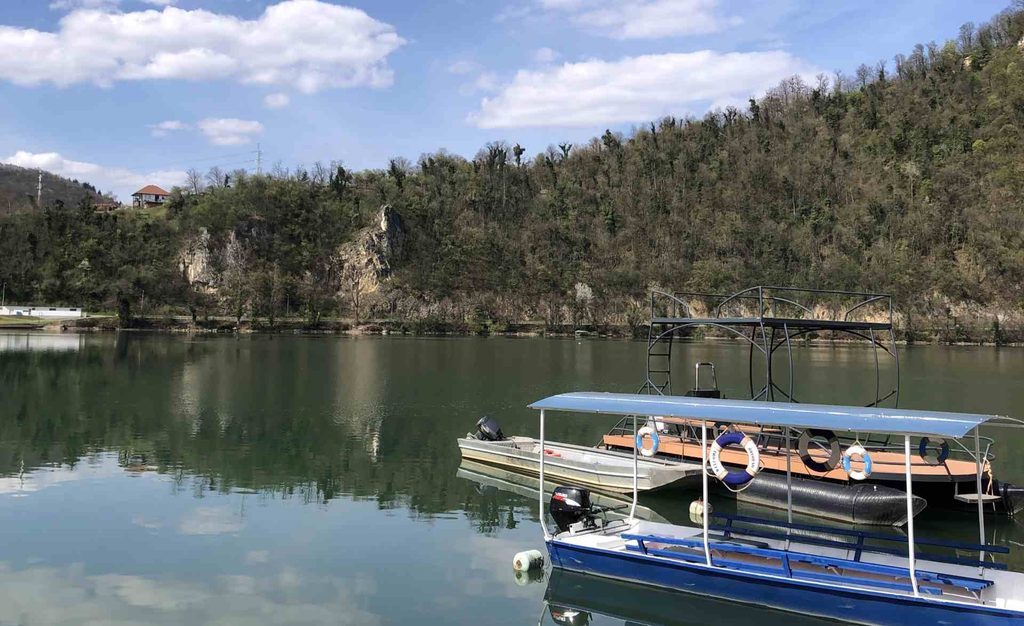
Just like Perućac, Zvorničko Lake is located on the Drina River. It is an artificial reservoir created by the Zvornik hydroelectric power plant. The lake is around 25 kilometers long and extends from Zvornik upstream along the Drina. Its maximum recorded depth is about 39 meters, although much of the lake is considerably shallower. The Drina is one of the most beautiful rivers in Bosnia and Herzegovina and one of the most recognizable rivers of the Balkans.
Zvorničko Lake is right next to Zvornik, and its location makes it much easier to access than some of the more remote lakes on this list. It is also used for swimming, fishing, kayaking and other recreational activities.
Jablanica Lake
Jablaničko Lake is another huge artificial reservoir, created on the Neretva River. It was formed in the 1950s after the construction of the dam near Jablanica. The reservoir stretches for roughly 30 kilometers toward Konjic and has a maximum depth of around 80 meters.
The Neretva is famous for its green color, and this part of the river retains much of that beautiful landscape even though the river has been transformed into a large reservoir here. Near Ostrožac, where I swam, the water was deep. Some locals told me that the lake reaches more than 100 meters, but published sources generally give a maximum depth of about 80 meters, so I would use the latter figure. You can also rent boats in some areas of the lake, making it possible to explore the water from a completely different perspective. While you are here, it is also a good idea to visit Mostar, one of the most famous cities in Bosnia and Herzegovina. I have written another article about Mostar itself.
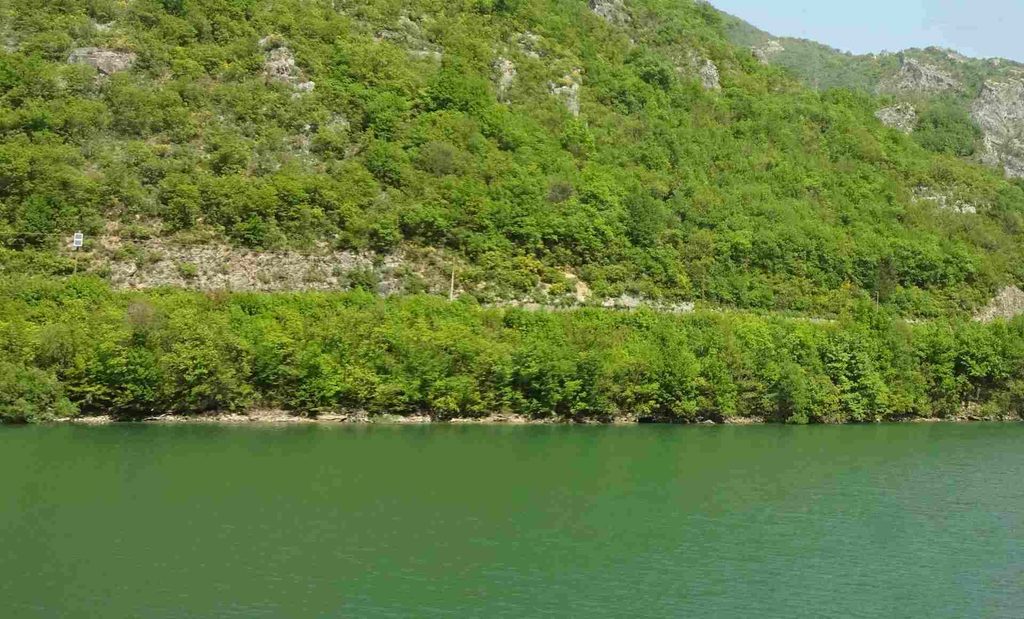
Modrac Lake
Not all lakes in Bosnia and Herzegovina have that bright green, mountain-lake appearance. Modračko Lake is located near Lukavac in northeastern Bosnia and Herzegovina. It is a large reservoir and an important water body for the surrounding industrial area. This is not a lake I would choose for swimming. Local people have told me that swimming here can be dangerous, and I personally recommend enjoying the lake from the shore rather than getting into the water.
The surrounding area is also much more developed than the remote mountain lakes on this list, with settlements along parts of the shore. For me, Modračko Lake is more interesting as an example of a completely different side of Bosnia’s lakes and landscapes.
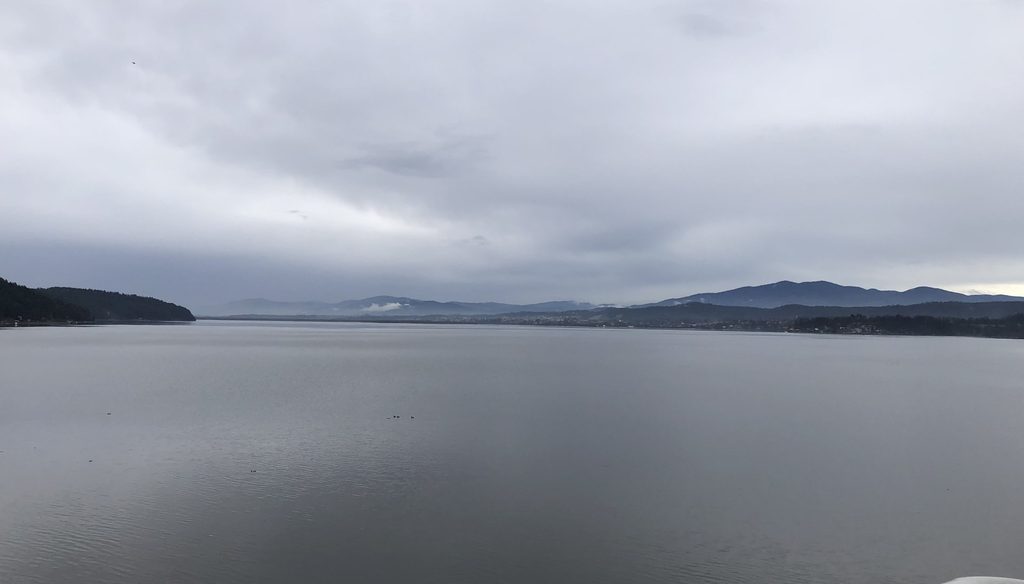
Panonska Lakes
Panonska Lakes are very different from the other lakes on this list Located in the center of Tuzla, this is a complex of artificial salt lakes and one of the most popular summer swimming destinations in northeastern Bosnia and Herzegovina.
The water is salty, and the complex has beaches, restaurants, cafés and other facilities. Unlike the wild lakes on this list, this is a fully developed urban swimming destination. I have visited Panonska Lakes, and they are a great option if you want warm water and easy access rather than wilderness. The complex officially monitors the water quality during the swimming season, and swimming is permitted under the site’s rules. This is not a place for wild camping. If you want to camp, you should look for accommodation or an official campsite elsewhere in the area.
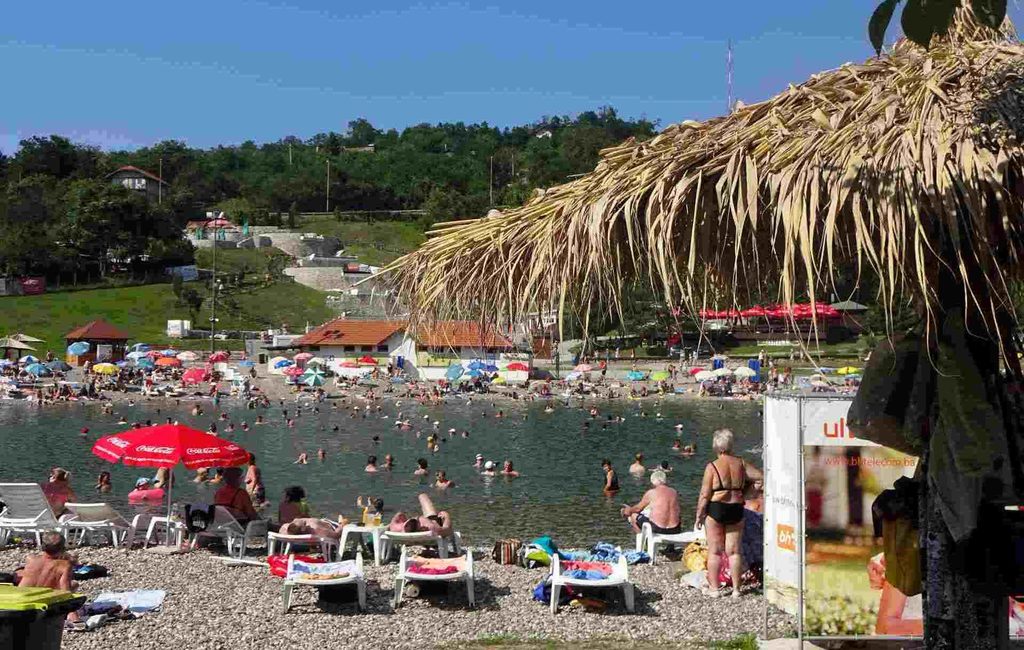
Crkvenjak Lake
Crkvenjak Lake is one of the smallest and least-known lakes on my list. In fact, I came across it almost by accident. It is not a famous tourist destination, and even many local people do not seem to know much about it. According to locals, the lake is more interesting for fishing than for swimming or camping. I would therefore visit it if you are interested in discovering lesser-known places rather than looking for a classic swimming or camping destination.
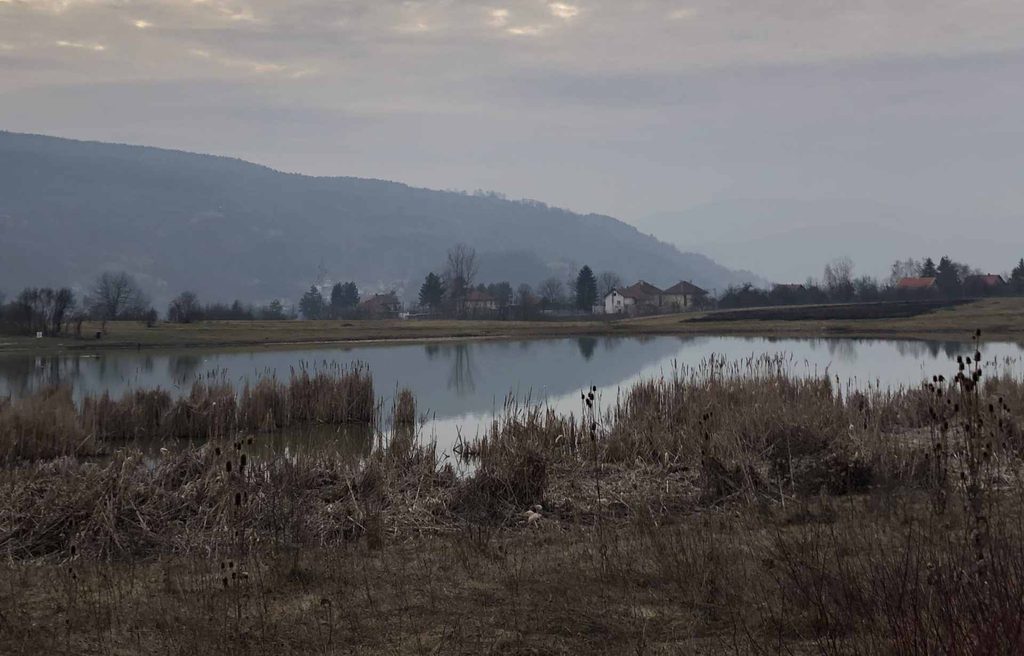
Kravica Lake
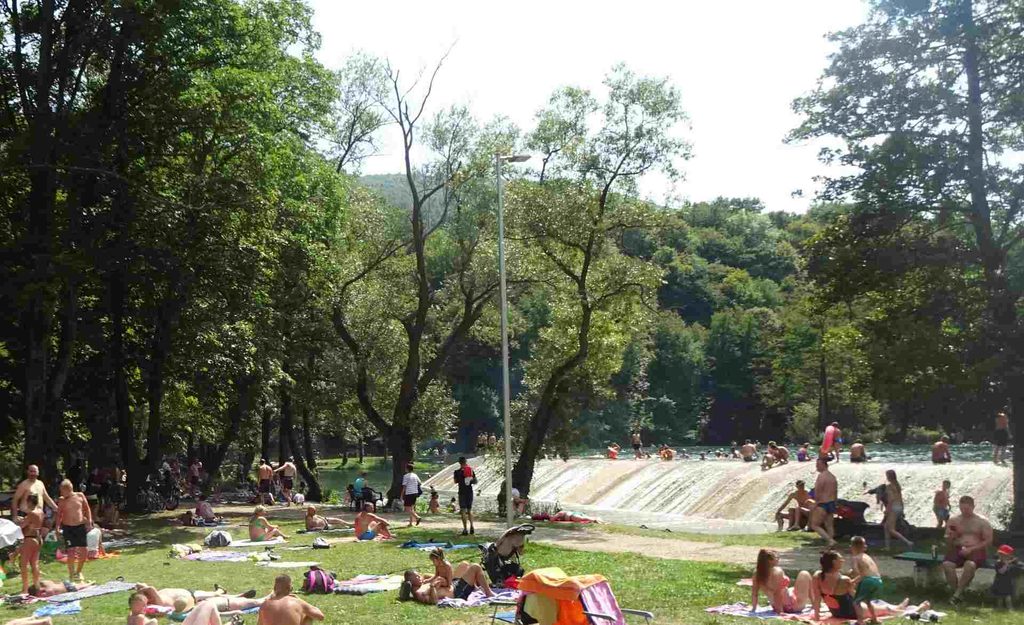
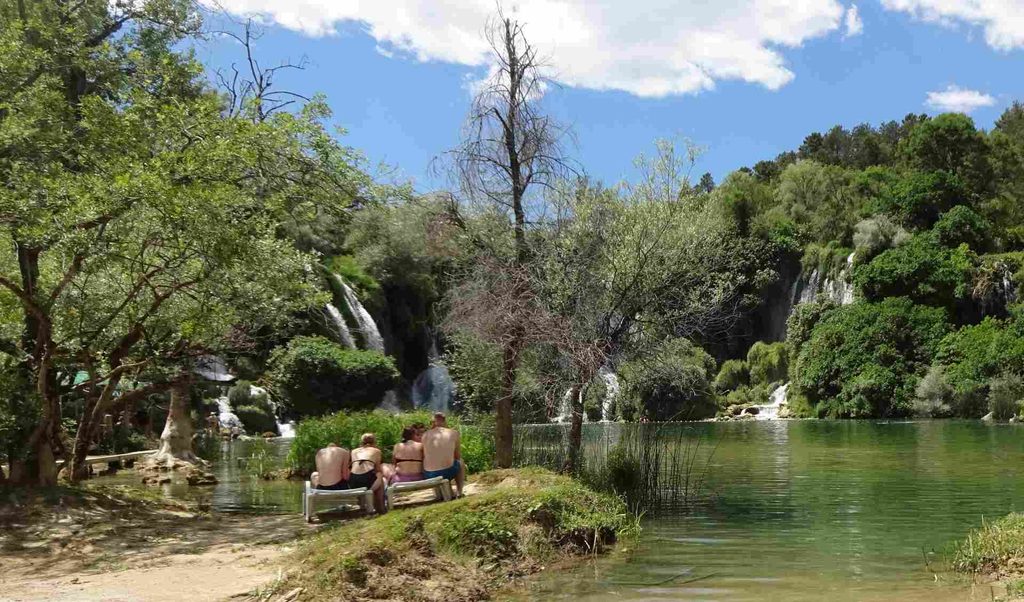
Kravica is technically not a conventional lake, but I could not leave it out of this list. This is one of the most beautiful places in Bosnia and Herzegovina and one of the most famous natural attractions in Herzegovina. The Trebižat River falls about 28 meters here, creating a spectacular natural amphitheater about 120 meters wide.
It is a very popular summer swimming destination. I have visited it, and the combination of waterfalls, turquoise-green water and surrounding vegetation makes it one of the most impressive places on this list. Kravica is a managed tourist attraction, so unlike the remote lakes above, you should expect an entrance fee and organized visitor facilities.
Camping directly at the waterfall is not something I would recommend. There are camps and accommodation options nearby if you want to stay in the area. The site is sometimes called Oasis in Stone, which is a fitting description for this part of Herzegovina.
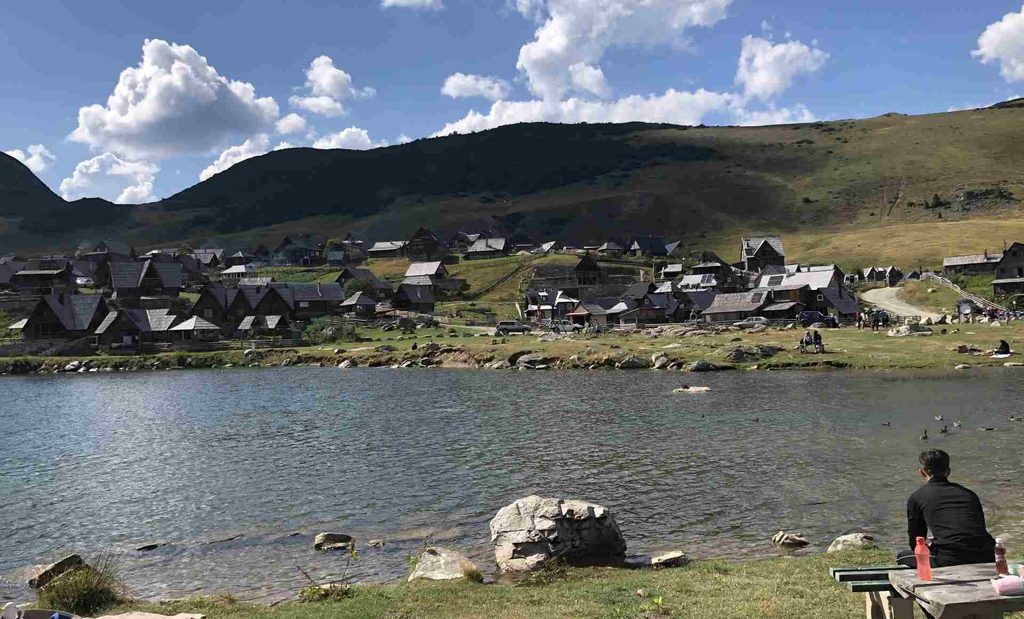
Prokosko Lake
Prokoško Lake is my favorite mountain lake in Bosnia and Herzegovina. Located on Vranica Mountain at about 1,670 meters above sea level, it is a completely different experience from the large reservoirs and urban swimming areas on this list. The lake is glacial in origin and is surrounded by mountains and traditional mountain huts. It is also famous for its natural environment and the endemic Reiser’s alpine newt.
The lake reaches a maximum depth of around 13 meters. Swimming is not something I would recommend here, and I would also avoid wild camping without first checking the current local rules and restrictions. The lake is a sensitive natural environment, and protecting it is much more important than having one more place to pitch a tent.
For me, Prokoško Lake is a place to walk around, enjoy the mountain scenery and simply experience one of Bosnia and Herzegovina’s most beautiful high-altitude landscapes.