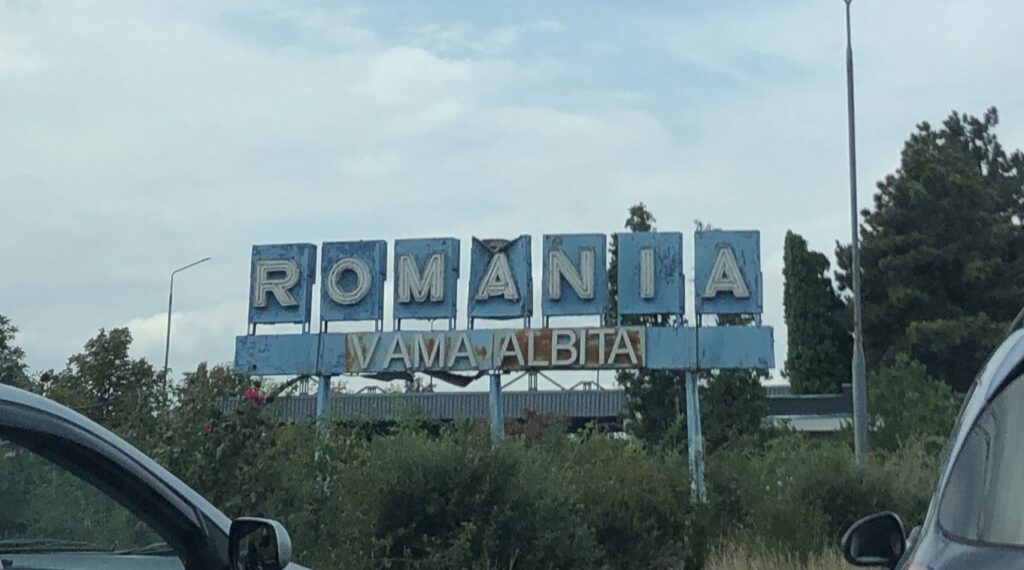
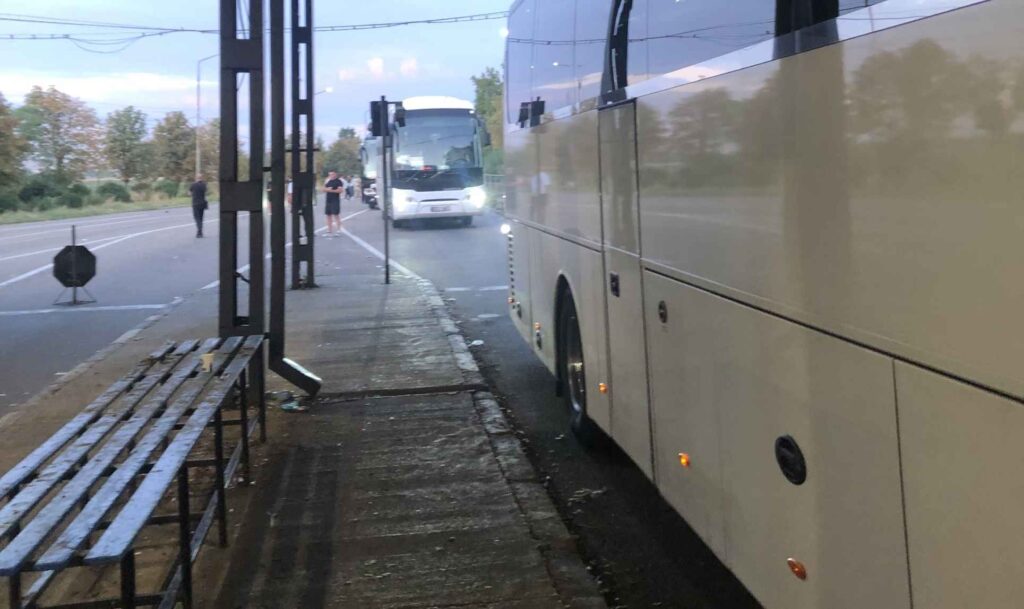
I was in Chisinau for two days and I will share with you some impressions, pictures and experiences from my trip. I hope some of it will be useful for you if you are planning to do the same. Given that Moldova is not in the EU or the Schengen area, and there is a huge Moldovan “diaspora” or Moldovans living abroad, it is very likely that you will spend a lot of time at border controls. I arrived in Moldova via Bucharest on a night bus (22:00) that also stopped at the airport, and we waited at the border for 3 hours. The officials (or bus drivers) did not allow anyone to get off the bus for a while, and it seemed that this happened because some passengers were suspicious because one guy stayed with police after we went. Finally, when we crossed the border, the bus stopped once more until we arrived in the capital 2 hours later. The bus from Bucharest was a bit late, it was completely full and all the seats were taken. Bus also stopped in Bucahrest Otopeni Airport to pickup passengers. The total travel time was about 8 hours and bus itself was quite uncomfortable, with limited space and warmth.If you plan to take this route, it’s advisable to reserve your ticket in advance. This route is extremely popular since many Moldovans live in Romania, or visting Romania or abroad but frequently return home.
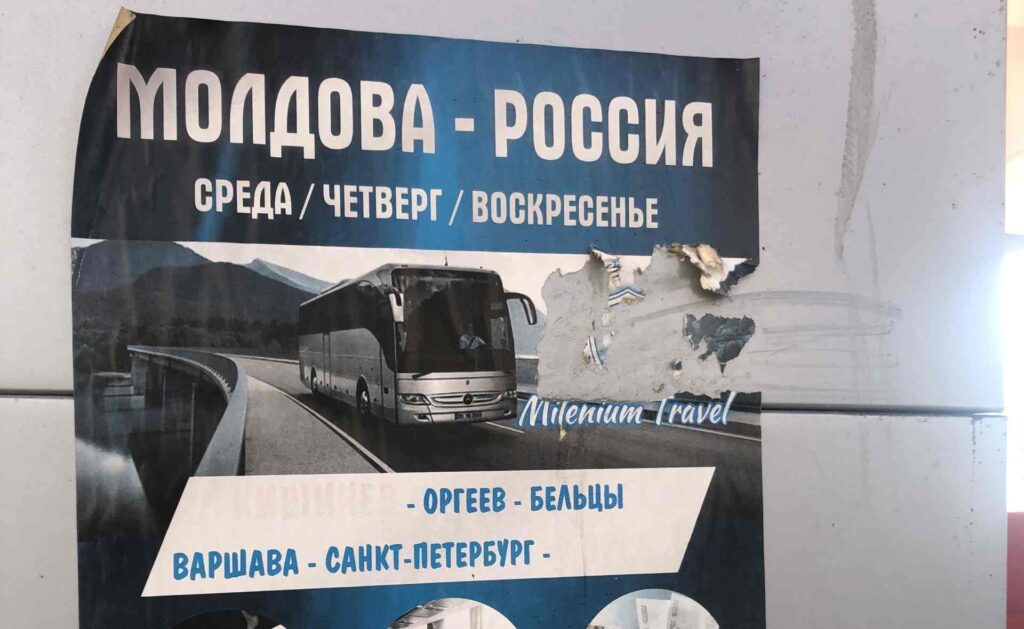
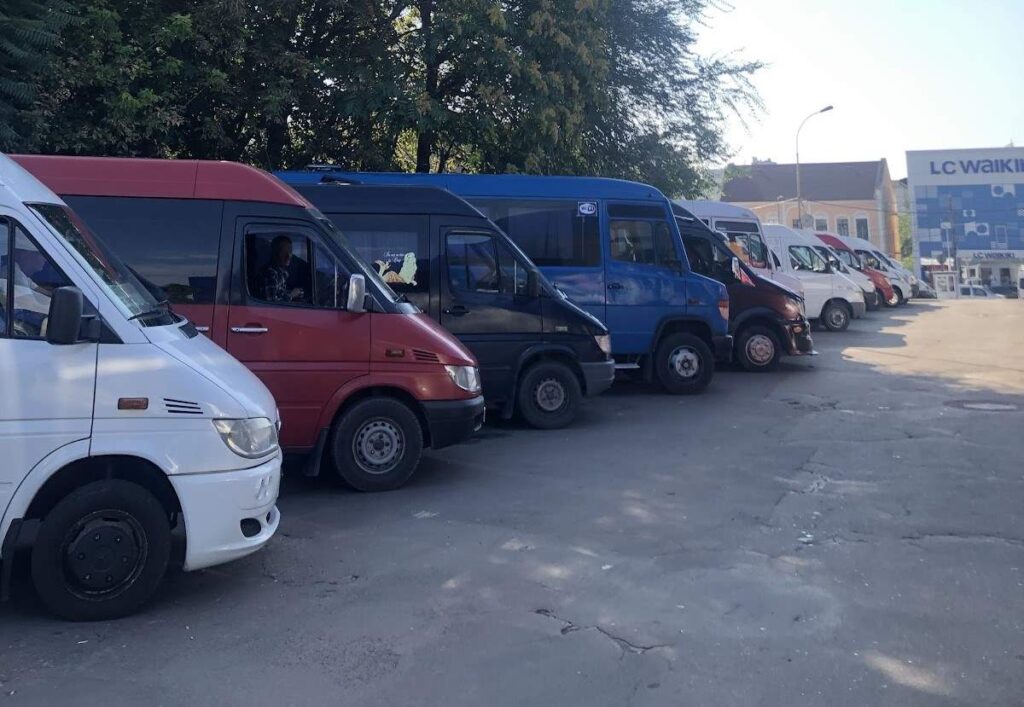
I visited Chisinau when it was not popular with visitors. At that time I went to Moldova, which was officially the least visited country in Europe. It is also one of the countries in Europe where history and languages mix. If you continue reading this post, you will find it even in people’s daily lives. As soon as I got off the bus, I noticed it. There was a big promotional banner for buses to Russia, 3 times a week. Many people from Moldova live in Russia. At the bus station “Gara Centralna” it is possible to see many parked buses and some of them are quite old, and many of them are minibuses, which seem to have been very popular in the country.
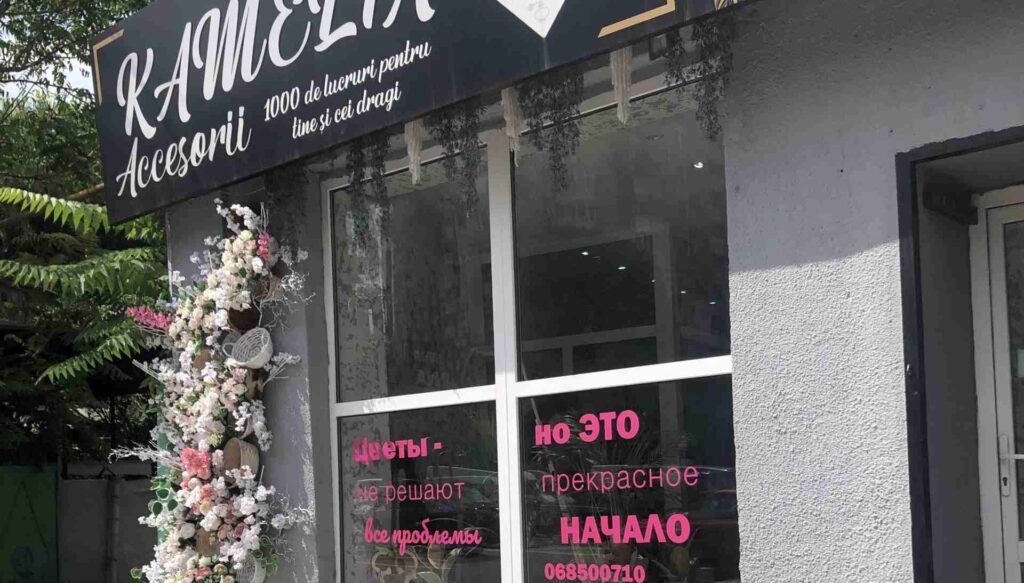
Most official buildings, shops, and signs are in Romanian, but any promotional materials or notices are often written in Russian. The reason for this bilingualism is straightforward: Moldova has been under significant Russian influence for many years. This dates back to 1812, with interruptions until the collapse of the Soviet Union. Even today, Russian mediia, such as movies, TV shows, and books, continues to have a substantial impact on Moldovan culture. Society or at least Moldavians I interacted, had different opinions about it.
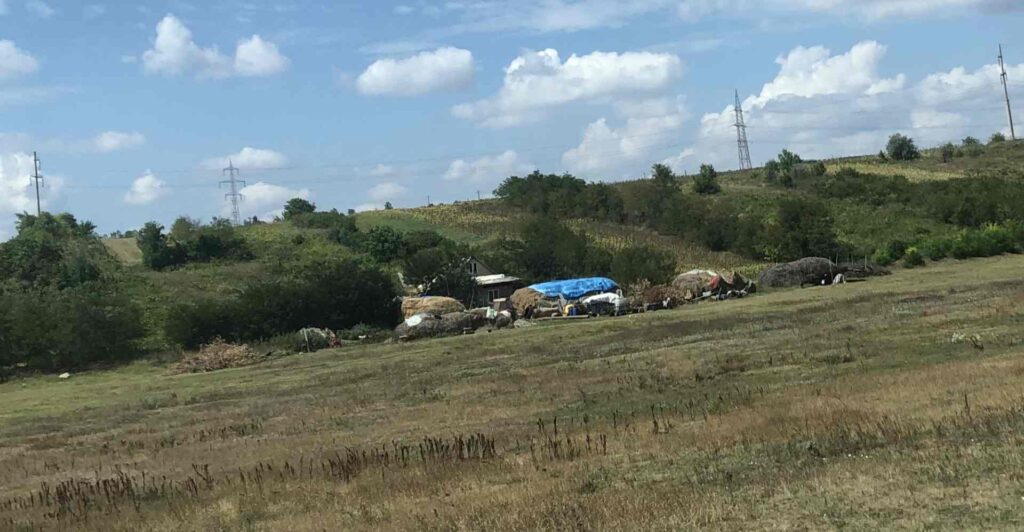
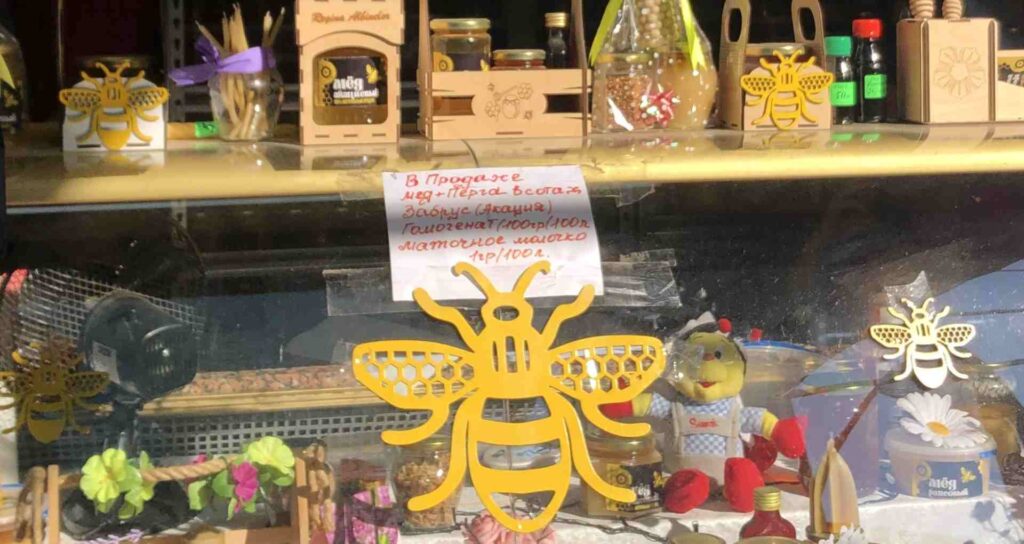
Some Romanians would say that Moldova is Romania’s little sister. They are probably the most similar countries in Europe, with the most similar flags, traditions and people. Many Moldovan citizens also live in Romania. Compared to Romania, it is a much smaller country and a country without any mountains. They also have no access to the sea, but they do have an international port on the Danube River. The capital is Chisinau, where I have been.
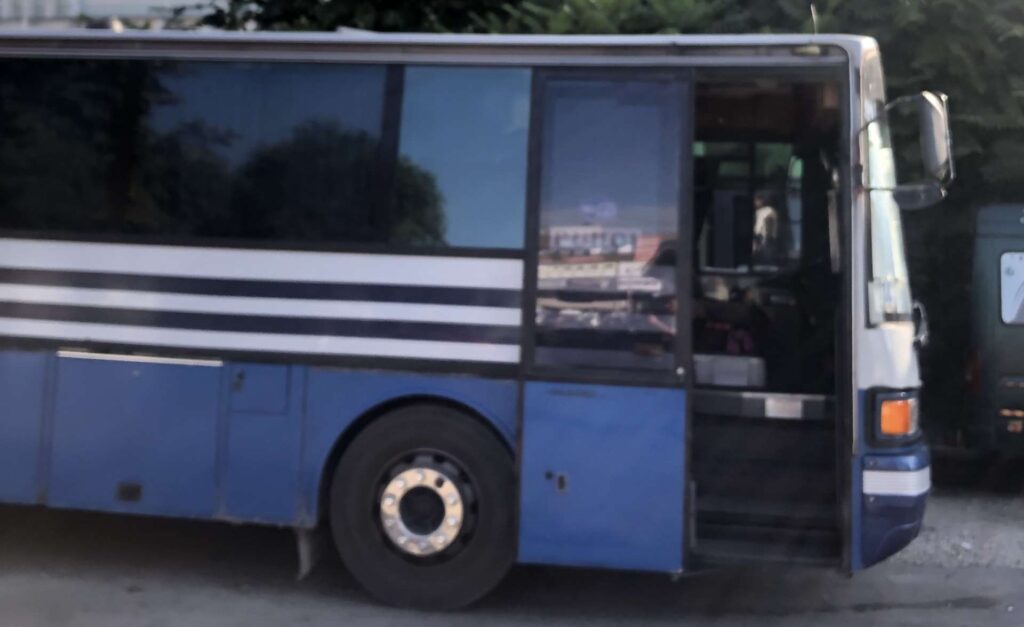
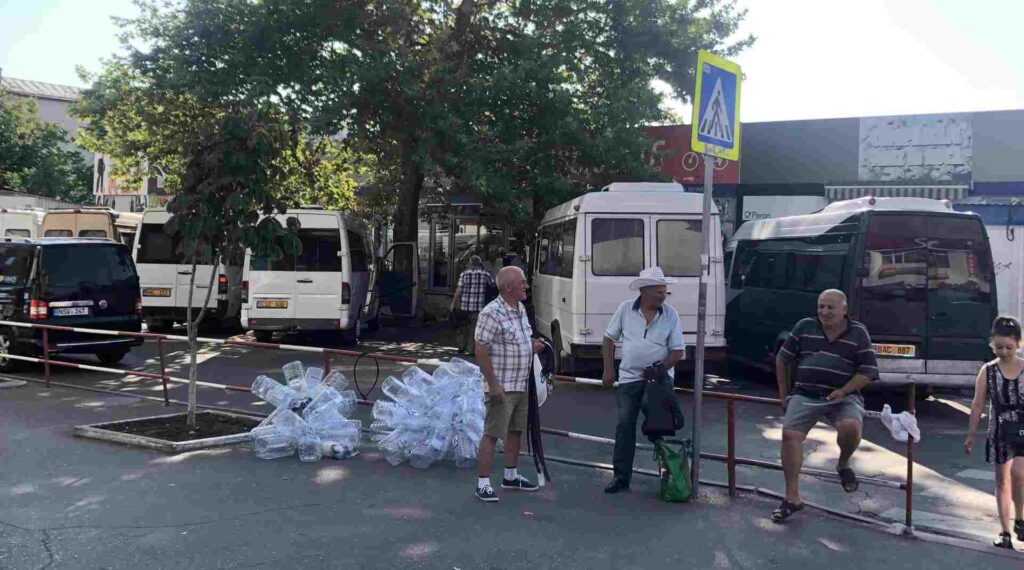
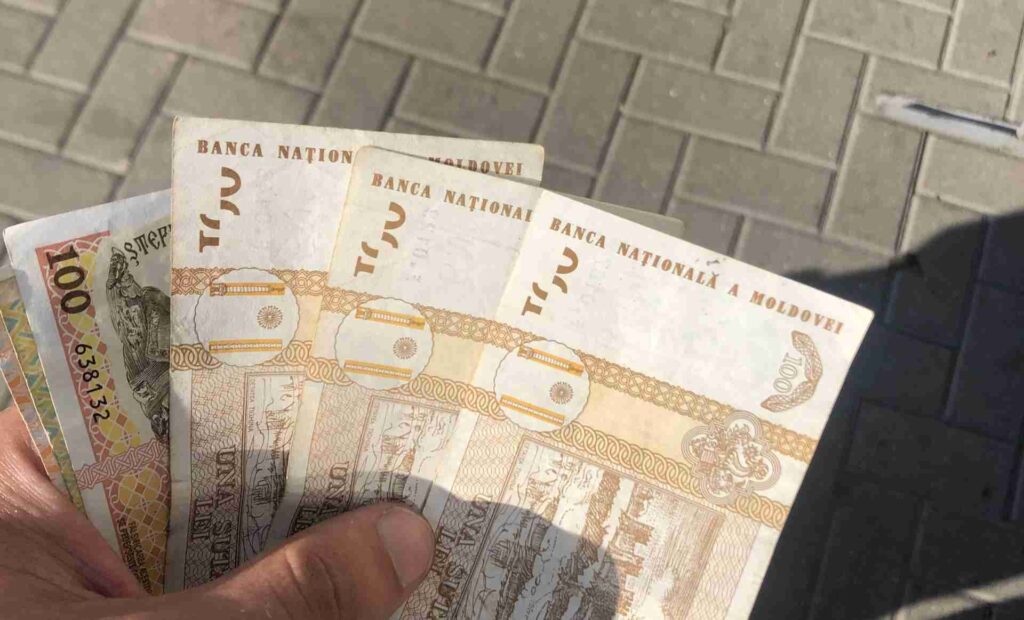
The bus station is near the market, so I walked there. I also changed money at the nearest exchange office. I exchanged Romanian lei for Moldovan lei and my hands were full of Moldovan lei. Moldova uses Moldovan lei, with an exchange rate of about 1 euro = 20 Moldovan lei, or 1 Romanian lei = 3.82 Moldovan lei. Moldovan money seemed smaller and lighter compared to the currencies I had previously held in my hands.
There is some confusion about name of Moldova, since there is Moldova in Romania, and Republic of Moldova. This is making confusion for some foreigns when talking about Moldova. Some Romanians told me that their favorite part of Romania is Moldova, and even the highest peak of Romania is named Moldoveanu Peak (2,545 metres).
Even if you know nothing about Moldova, you can assume now its very conected to Romania. In facts, official language in Moldova is Romanian. Most of people in Moldova are considering themself Romanian, and there have been ideas to united with Romania. In one period of history (1872 – 1239) they used to be same country.
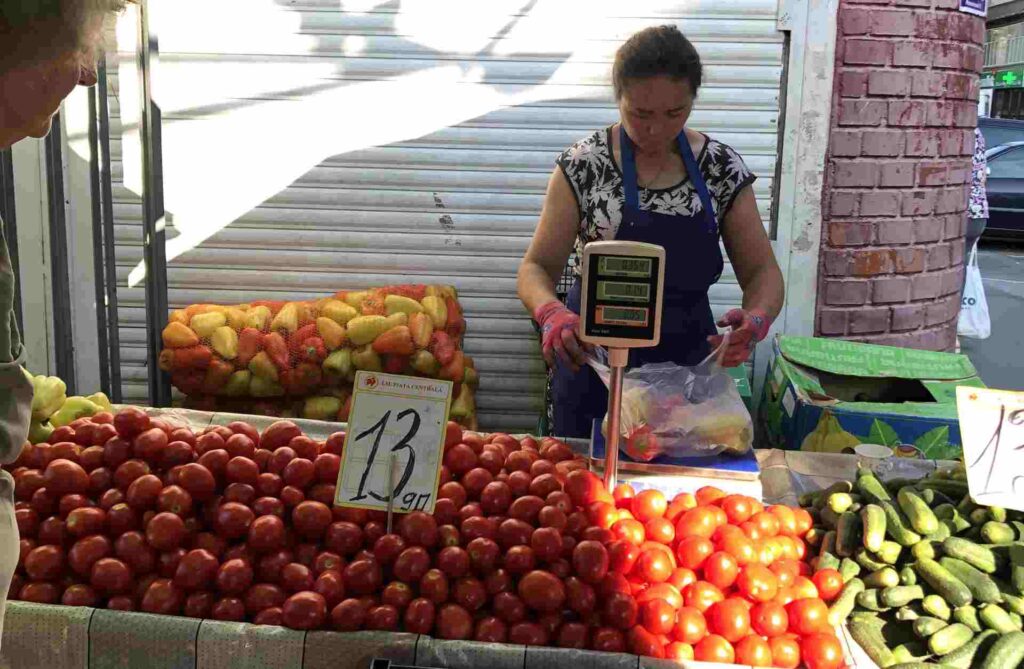
Main Market (Piața Centrală)
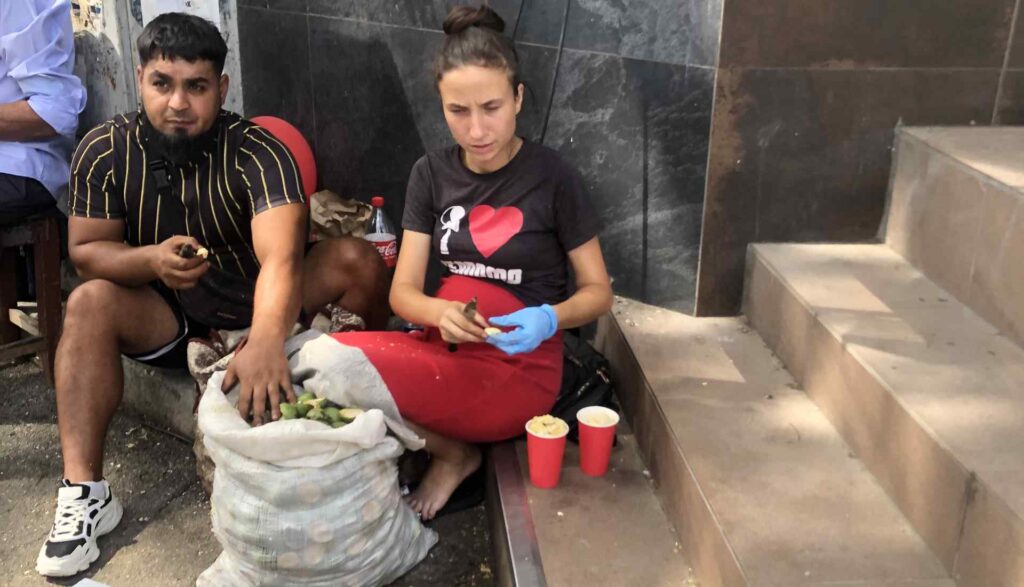
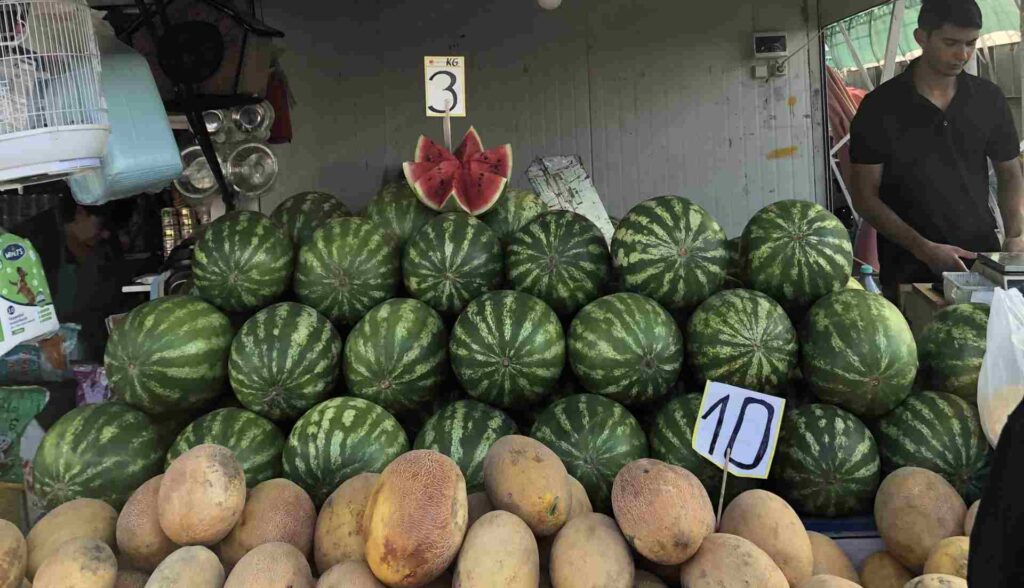
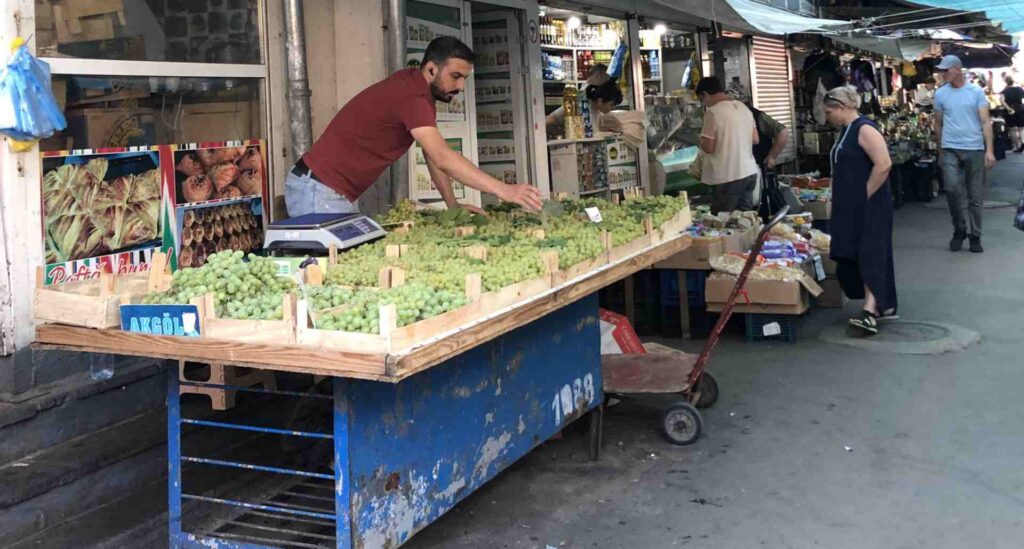
Some prices seemed cheap, at least when converted into euros, for example, 1 kilogram of watermelon was 3 lei (0.15e), 1 kilogram of tomatoes 13 lei (0.65e). I also found it unusual to see people shelling walnuts and selling them. On the streets, many signs or texts are bilingual (in Romanian and Russian).
Moldavian Wine
Some locals shared that the Soviet Union sought to promote Moldovan wine, which has been a staple in many Russian homes for decades. Moldova is characterized by its flat terrain, which is beneficial for agriculture. This region, along with parts of Ukraine, is known for having some of the best soil for farming. It’s probably most knowed brand of Moldova. Many people are making it at home untill now, and store in in basements.
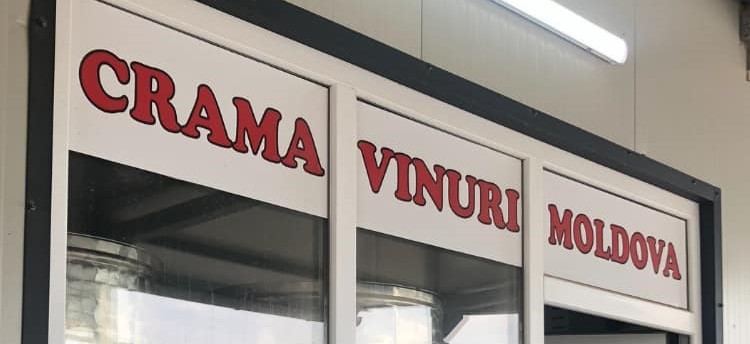
Moldova is home to the largest wine cellar in the world. You can find Moldovan wine in many shops and stores across Romania. I took picture of this little shop bellow in Craiova, Romania.
Landmarks in Chisinau
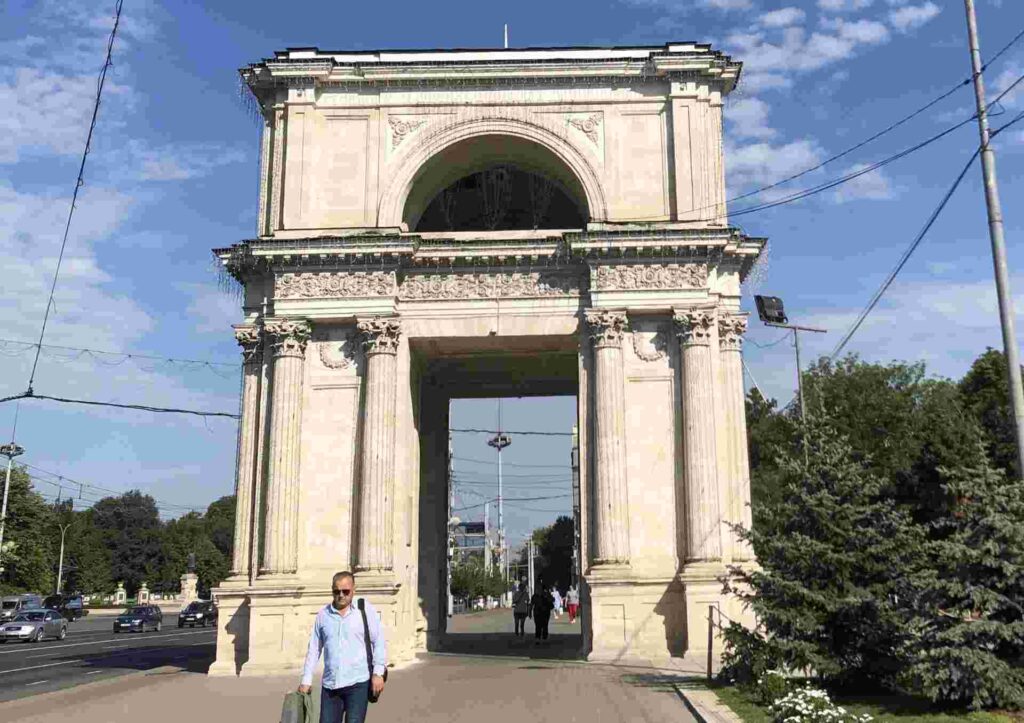
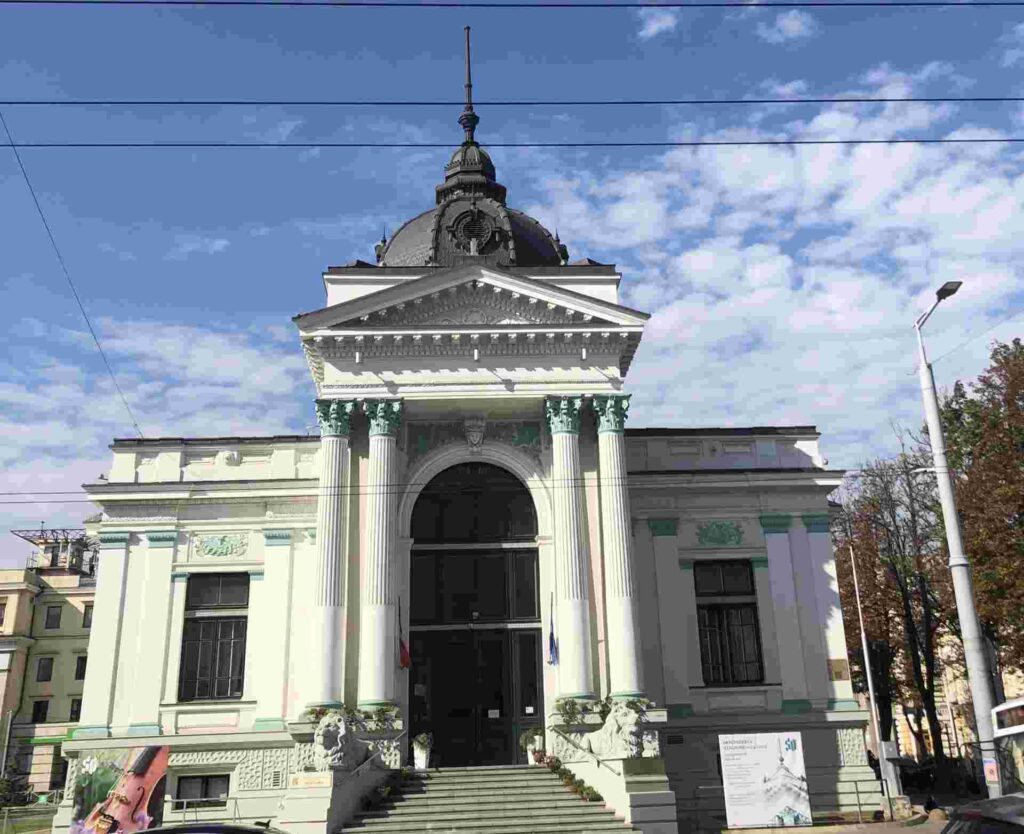
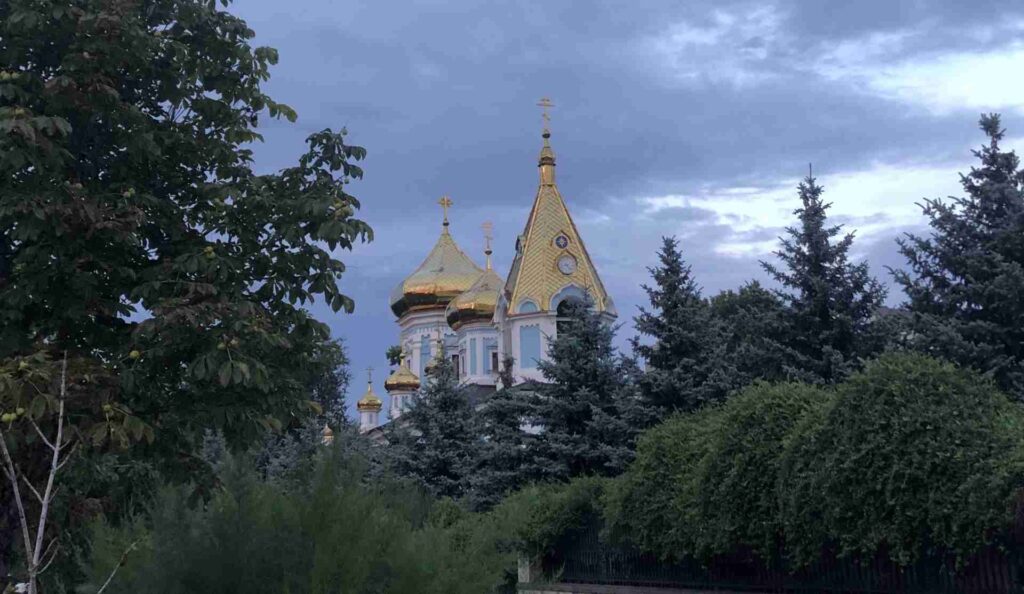
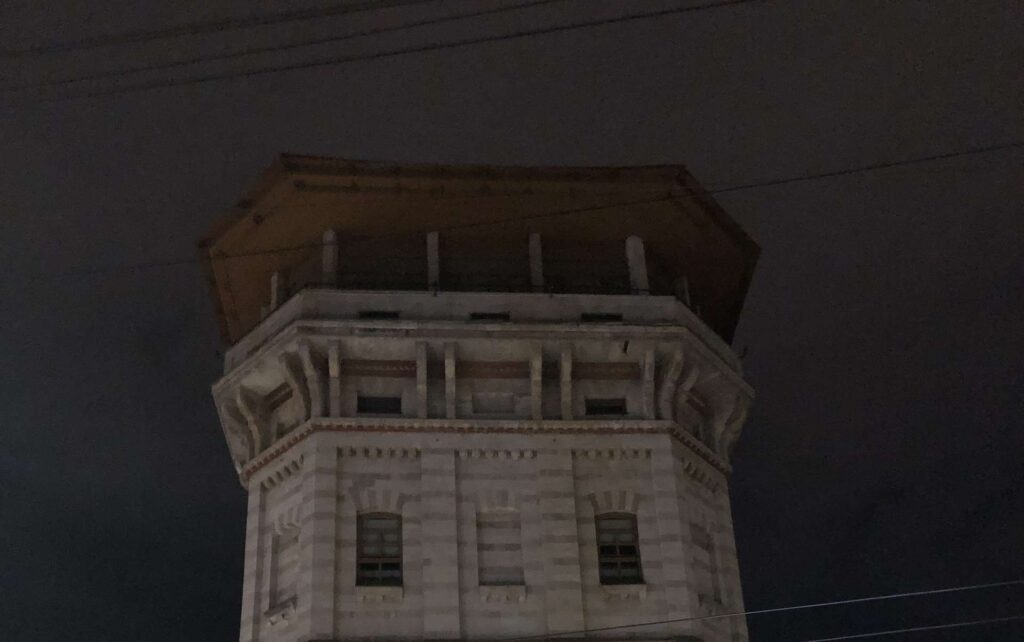
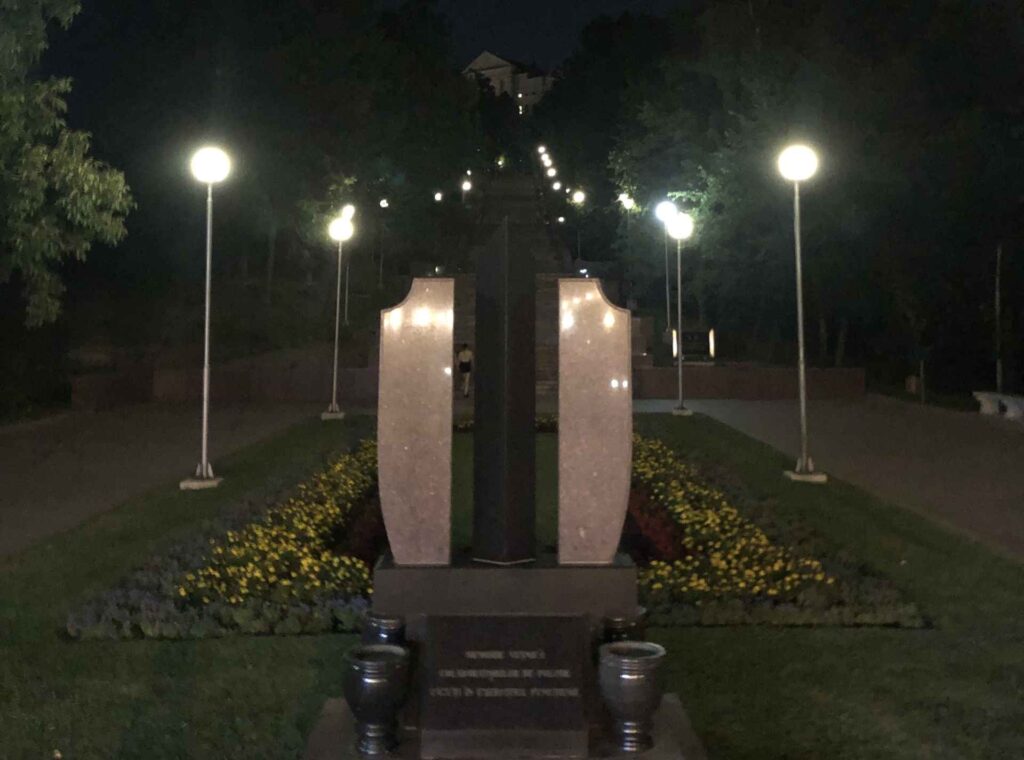
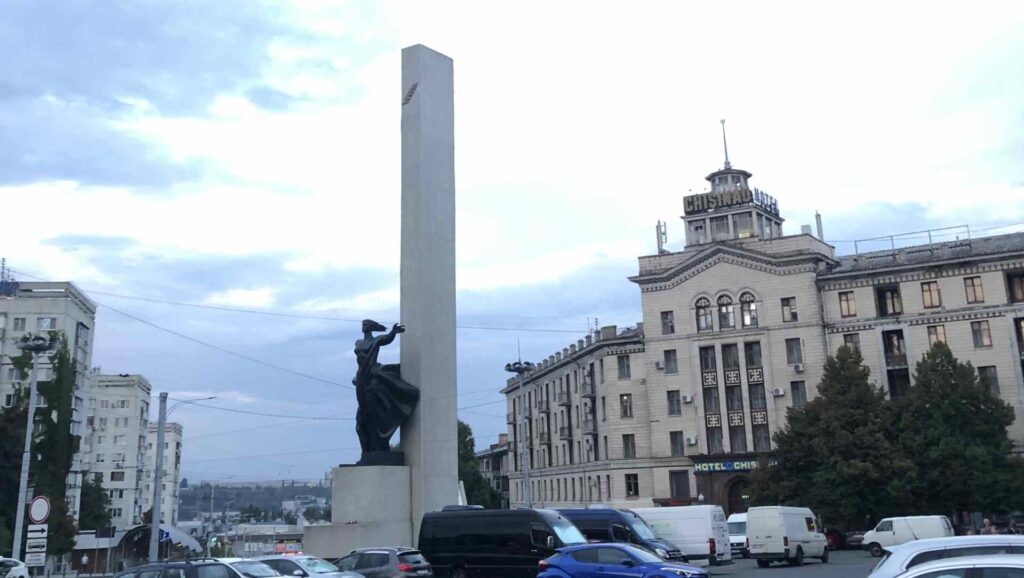
Many tourist are comming to Chisnau for Soviet Architeture, but there is more to see. I took some pictures of landmark with short stories about it. In Chisniau, just like in Bucarest and Paris, there is Arch de victory. Its much smaller (13x10m), but still looks nice, its made in 1841 and its celebrating Russian victory over Turkey.
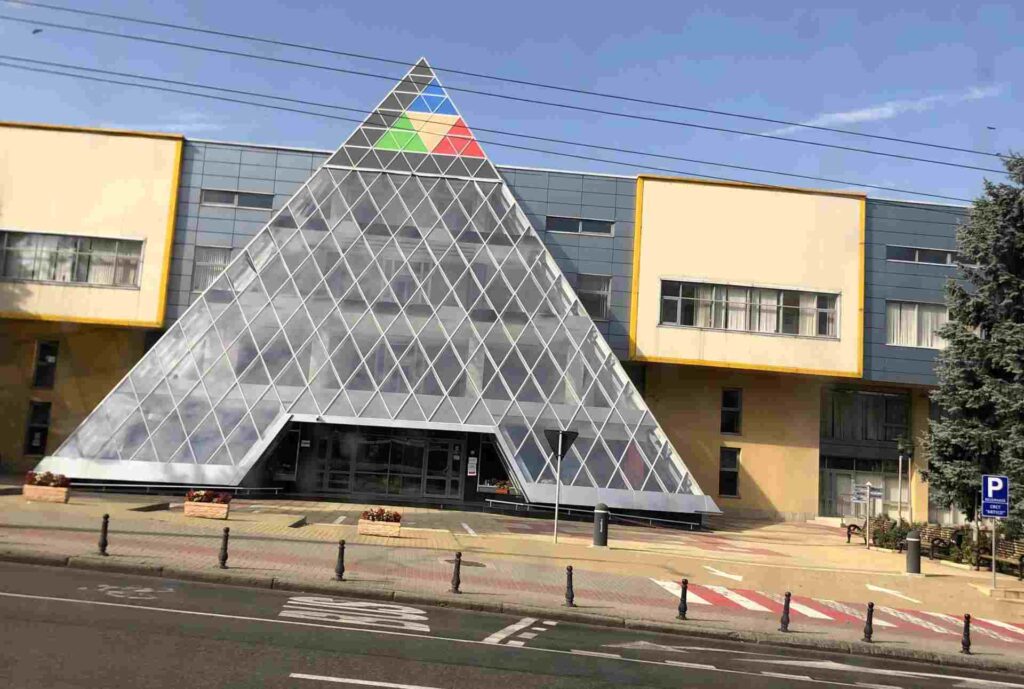
Soviet Vibe
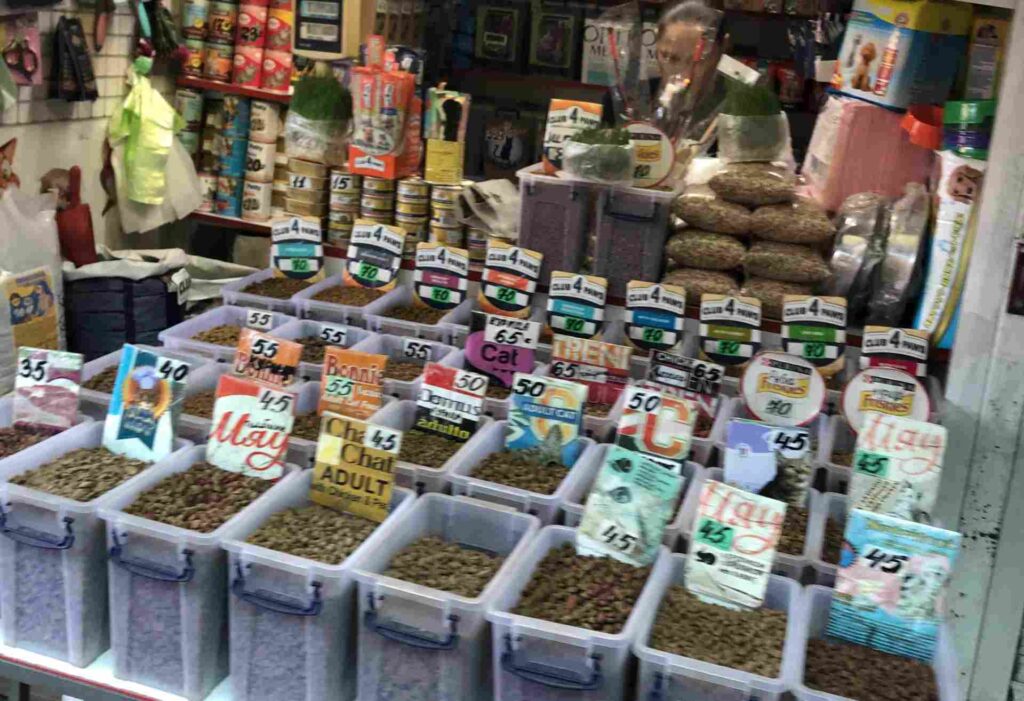
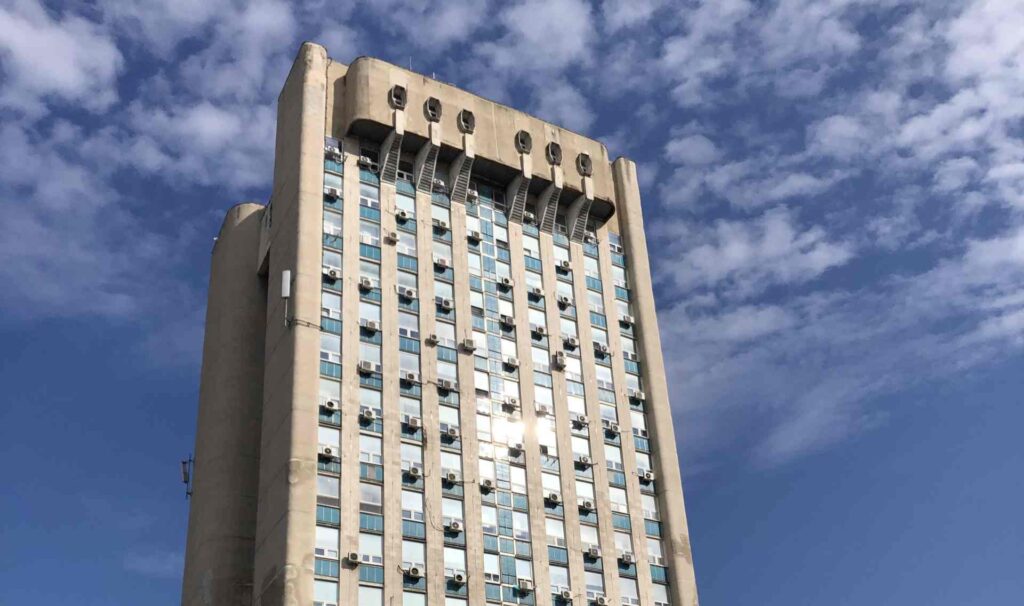
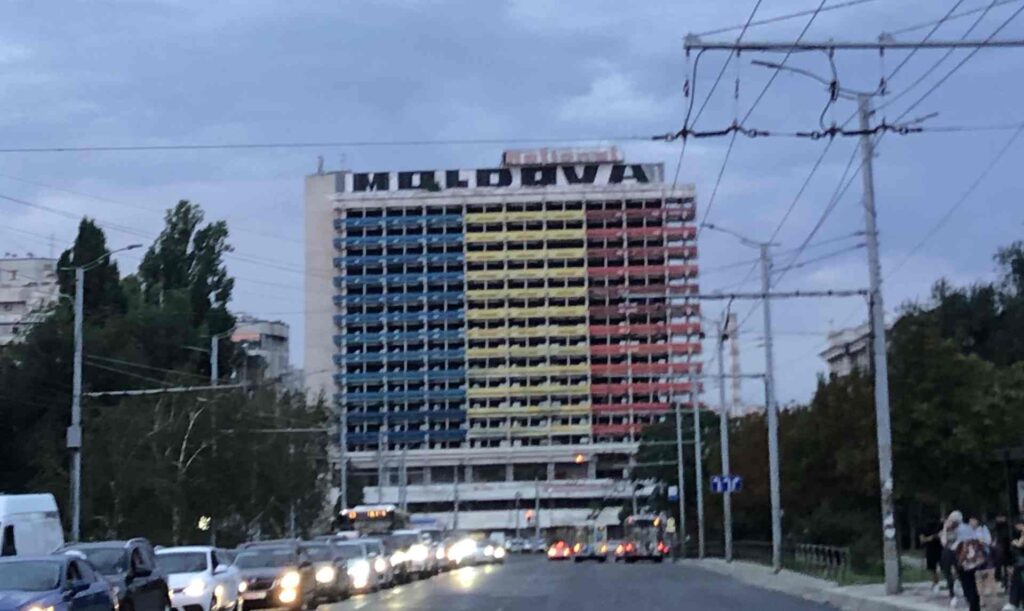
Since it was part of the Soviet Union, it is certainly possible to feel the Soviet atmosphere. Not only that, but also part of the Russian Empire, and in Moldova, most people speak Russian language. Also, if you go back and look at the pictures of the market that I took, you can see that the messages for the fruit are written in Russian. I heard that the Moldovan government is trying to get away from it somehow, but the waiter still approaches us in Russian and says good evening, which I understand. Many of the buildings I saw were very similar to other Balkan or Eastern European countries. This is sensitive topic, if you are going there avoid talking too much about it with locals.
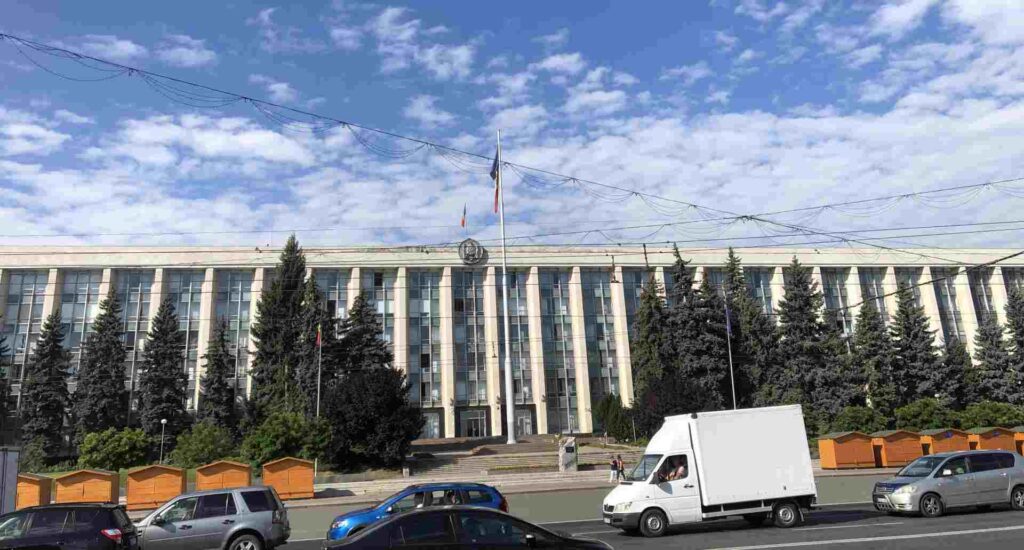
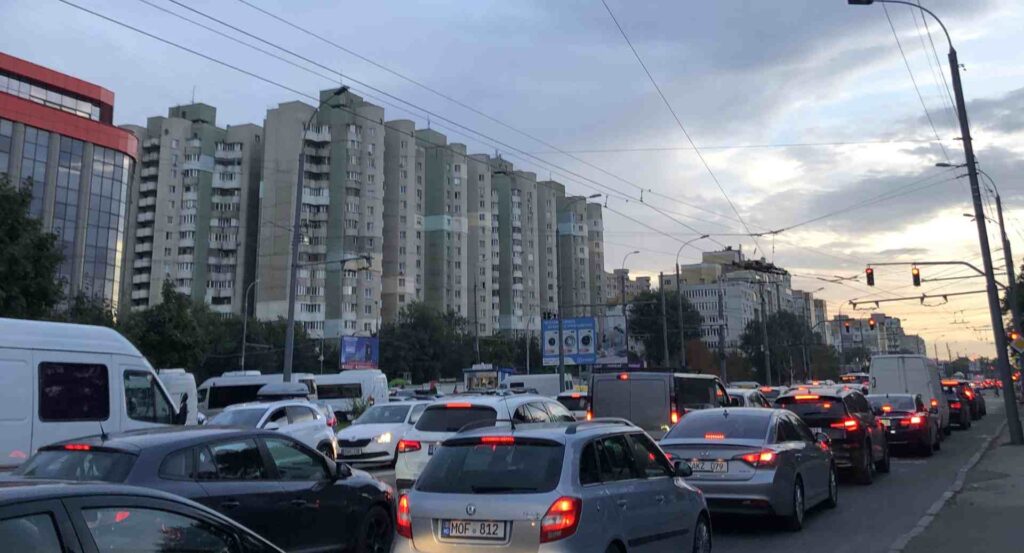
Architeture of Chisinau is very grey, like many other countries in Balkans or Eastern Europe. I took some pictures of the buildings that you can see bellow. I felt like I was discovering something new. Judging by the looks of others, especially with my oversized backpack, it was clear that there weren’t many tourists around. Fortunately, all the young people I spoke with spoke excellent English, which was great.
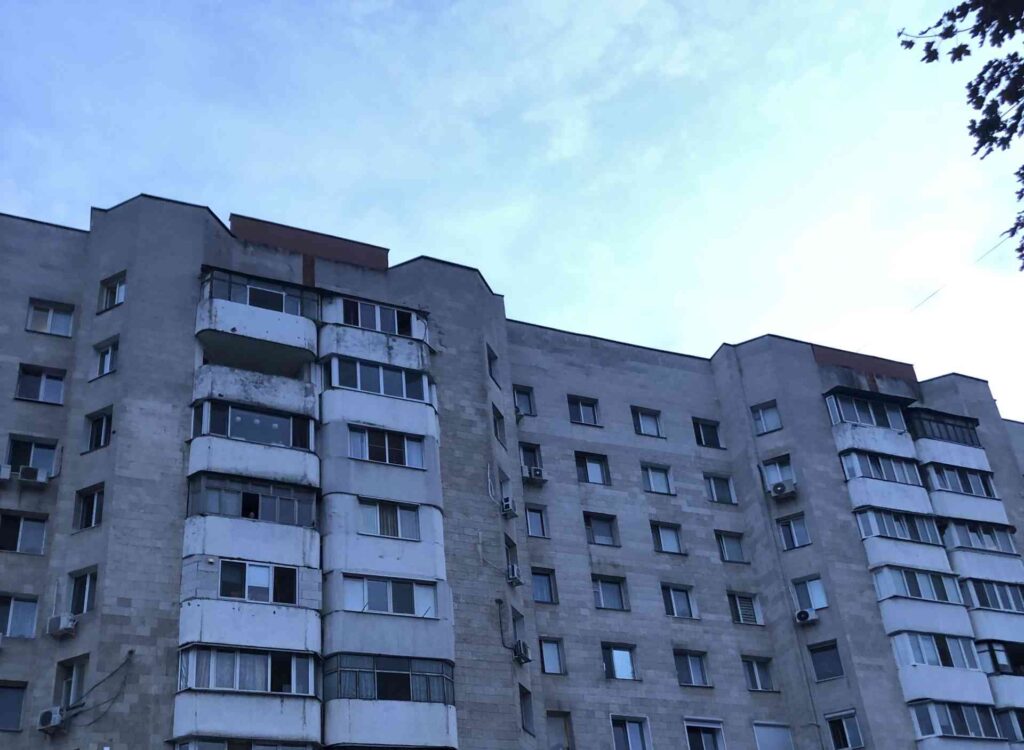
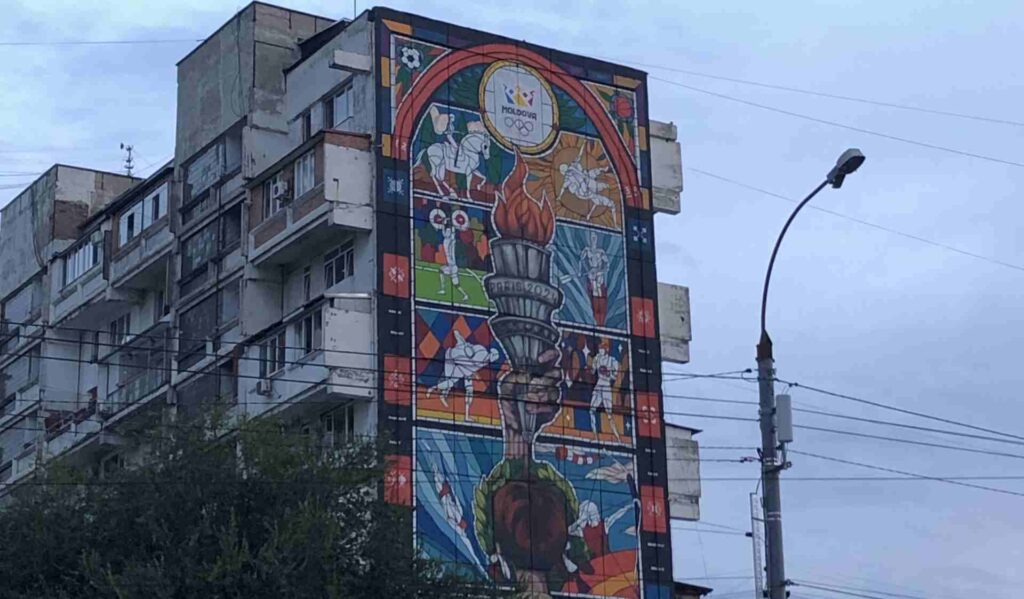
Public transportation
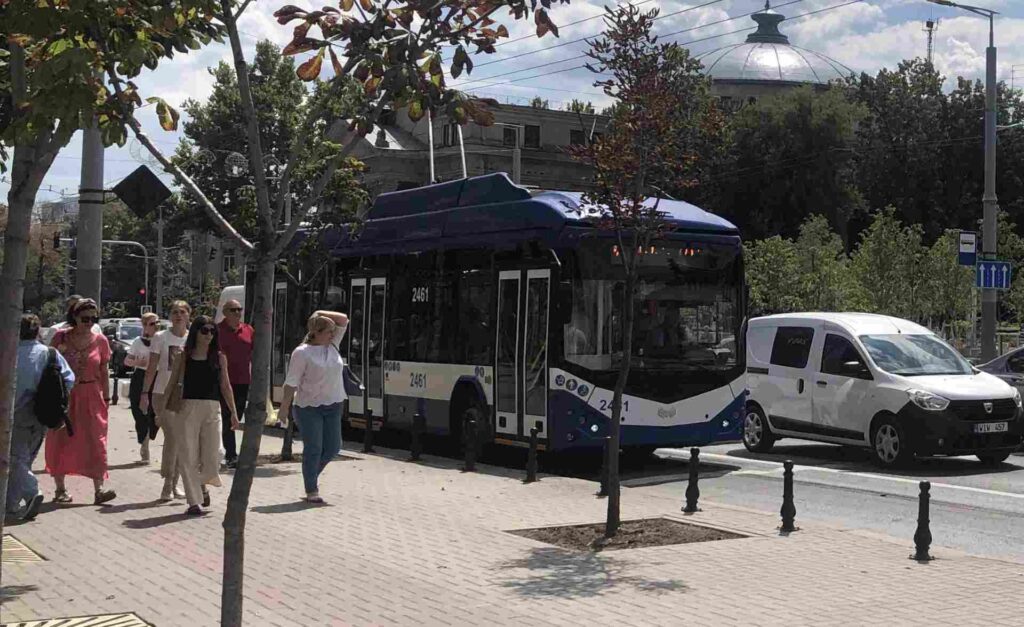
After many trips around the cities, I saw the trolley again. It is not very often seen because it has been replaced by battery-powered buses, but it is still possible to see it in Chisinau, which was interesting. The next time I saw him was in Lublin, Poland, and Sarajevo, Bosnia. The trolleybus stations are not protected by any fence, I paid the ticket inside, in cash, to the woman who approached us. I saw that only here and in Albania. The ticket cost about 10 m.lei.
Because of this, you can see cables all over the city, because the trolleybus also runs through a large part of the city. There are noticeable congestion at the entrance and exit of the city and my general impression is that the infrastructure is overloaded, also because there are no highways or ring roads around the city.
Summer nights in Chisinau
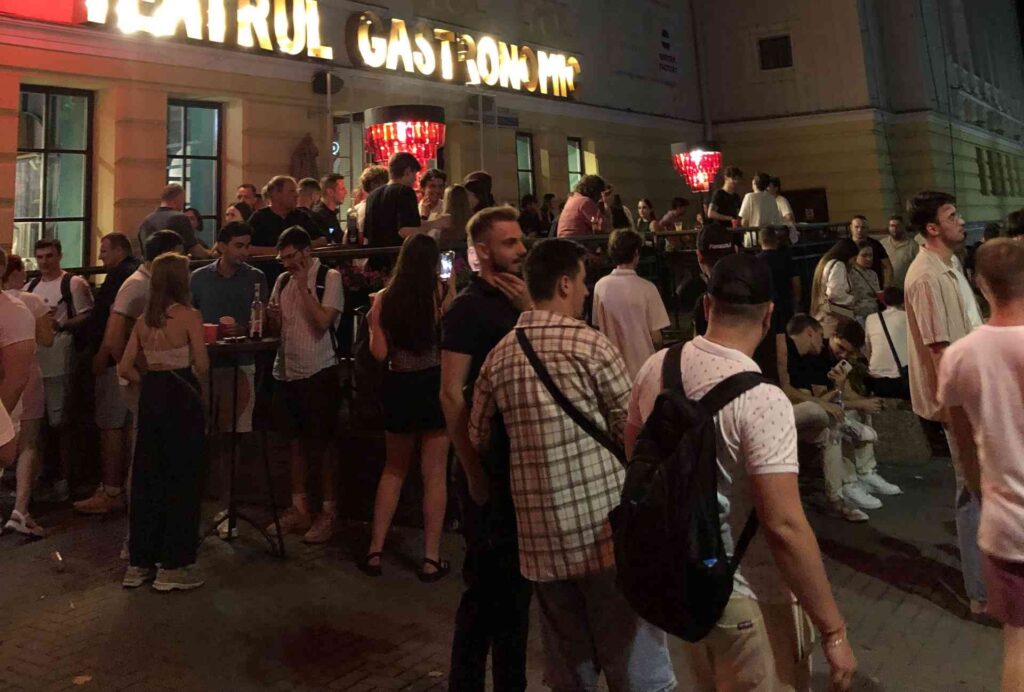
I didn’t spend a lot of time exploring the nightlife, but I was lucky enough to feel that during the night many young people were out, and I really liked the way of partying because they closed the roads to cars, and everyone just gathers without having to order anything or get a table. I noticed that hookah/shisha is quite popular.
Jews in Chisinau
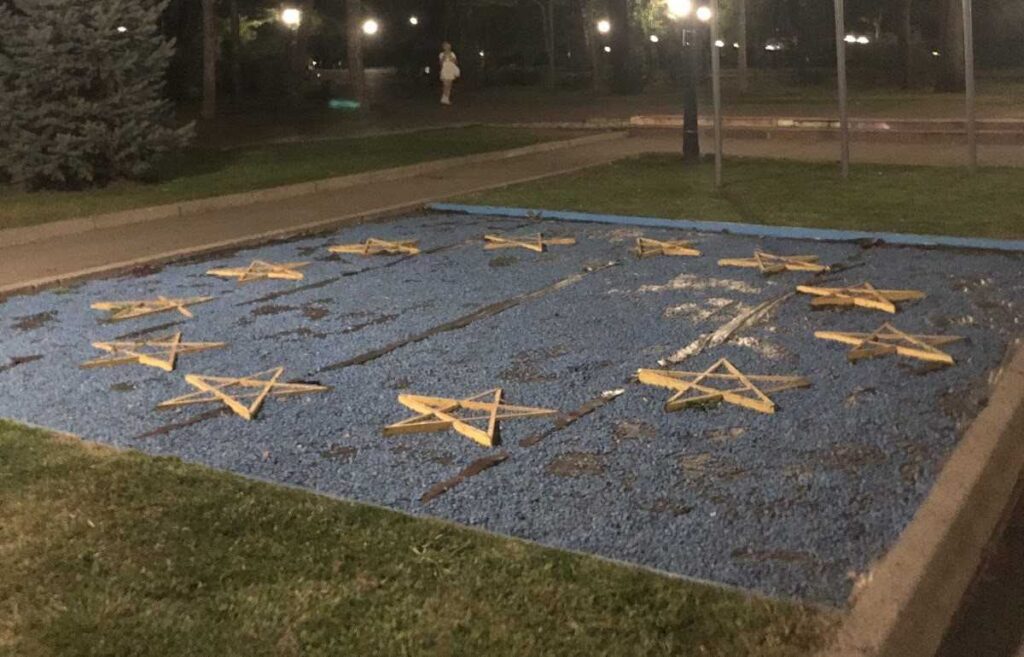
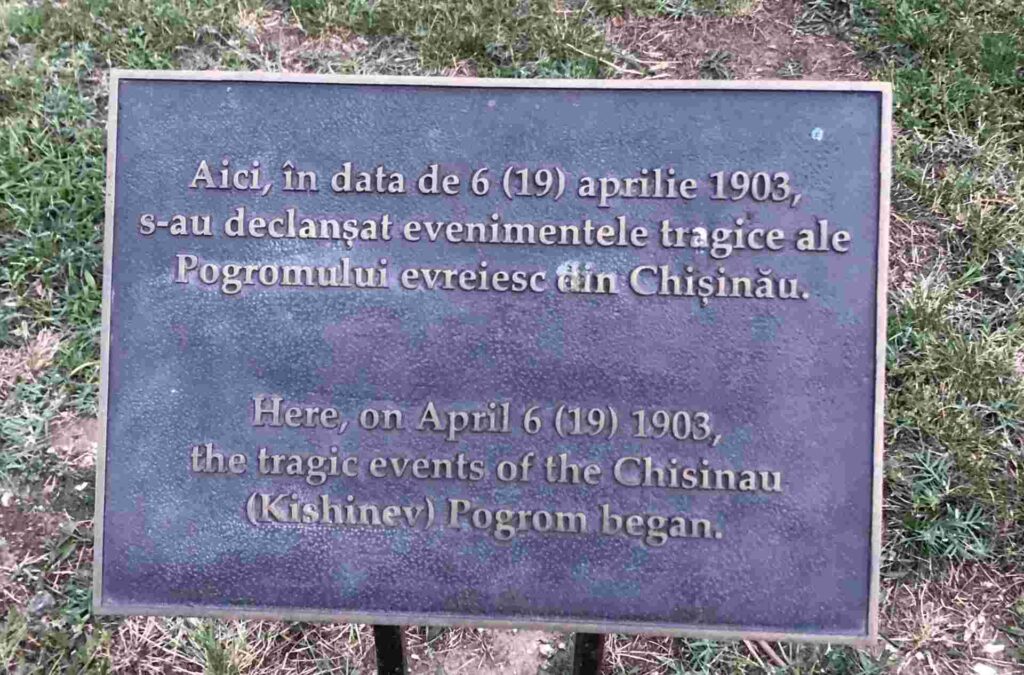
One of the darkest moments in Chișinău’s history happened on 6 April 1903, when the famous Kishinev Pogrom began. During the violence, dozens of Jews were killed, hundreds were injured, and many homes and businesses were destroyed. Today, a memorial plaque marks the place where these tragic events started.
Sadly, this was not the end of the city’s Jewish community. Less than 40 years later, during the Holocaust, thousands of Jews from Chișinău and the rest of Bessarabia were deported to Transnistria under Romanian administration. Unlike many Jews from Central Europe, most of them were not sent to Auschwitz, but many still died because of starvation, disease, forced labour, and mass executions.
On the way back
During my return to Romania with a guy from Moldova who explained to me the politics, history and traditions of Moldova, he seemed very surprised and happy to share all his knowledge and interesting things about his country. Or he was just bored and trying to stay focused while driving. There were policemen on the streets back, and he explained to me that they are always here by the border so they can harass drivers and wait for money.
There are no highways in Moldova, and the road seems full. As we waited for hours at border control, I thought about the gray buildings, the faded facades and the very positive energy and hope of the people I met looking out at the flat, empty agricultural fields.