This is my travel guide to Bucharest from someone who has visited the city four times. I am going to share with you some of the places I visited, some practical information, and some of the stories behind the places you can see in the Romanian capital. Bucharest is one of the most important cities in Eastern Europe, and capital of Romania. It is also a city that is developing very quickly. Every time I return while traveling in Romania, I could notice little changing, whether it is a new building, a renovated street, a new restaurant, or simply more people and more activity.
The city is sometimes called the “Paris of the East” because of the influence of French architecture and urban planning, but Bucharest is much more than that. You can find beautiful old buildings, French-inspired architecture, Romanian architecture, communist apartment blocks, huge boulevards, medieval churches, modern offices, parks, and some strange combinations of all of them. That’s one of the reasons I like Bucharest. It is not a city where everything looks perfect or where all the buildings belong to the same period. Bucharest feels like a city where you can see different parts of Romanian history at the same time. The city is also divided into six sectors, which I found interesting because each sector has its own administration and covers a different part of Bucharest (so for poeple living there, they know all sectors just by numbers).
From the Airport to the City
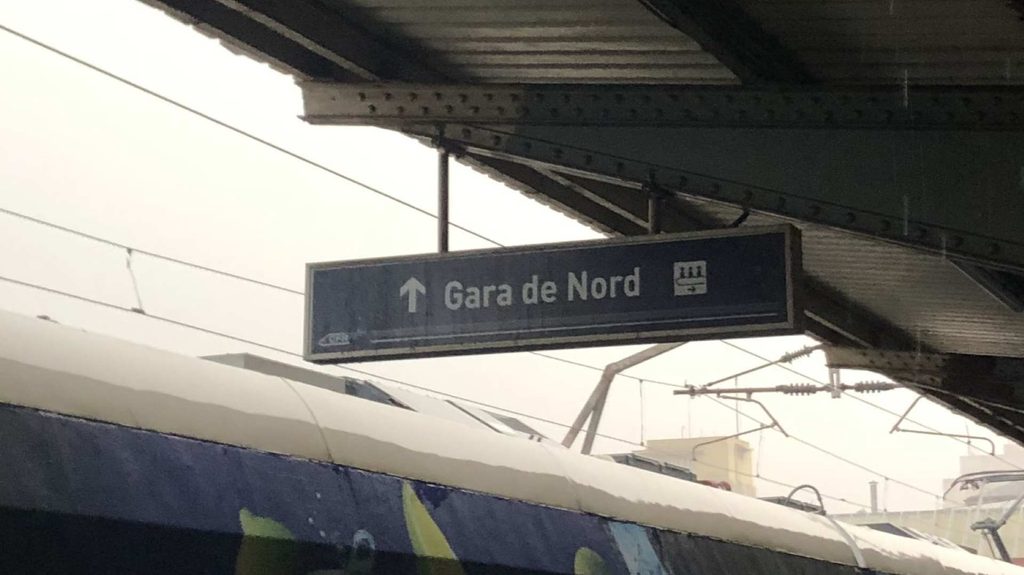
If you are arriving at Bucharest Henri Coandă International Airport, getting to the city is one of the easiest I have ever seen. The railway station is located very close to the airport terminal, and you can walk to it after leaving the airport. From there, trains go directly to Bucharest North Railway Station, or Gara de Nord, which is the main railway station of the city. The journey is short, and trains run frequently. The official railway operator currently lists the journey at around 20 to 25 minutes.
You do not really have to worry about getting on the wrong train because the airport railway station has a very simple connection with Bucharest. There is also a small shop near the airport exit if you need to buy something immediately after arriving. You can pay by cash or card. Another option is the bus. It is cheaper in some situations, but depending on traffic, the journey can take much longer. You can also take a taxi, but for me the train is the easiest option because Bucharest traffic can be quite heavy. If you arrive late at night, however, check the train schedule before you travel because the frequency changes during the night.
Getting to Bucharest by Train or Bus
Bucharest is one of the best-connected cities in Romania. You can reach the city by train from many parts of the country, including cities such as Brasov, Constanta, Sibiu, Cluj-Napoca, Craiova, Iasi, and many others. There are also international connections. One thing I found interesting about Romanian trains is the number of night trains. If you are traveling long distances, you can sometimes take a night train and sleep during the journey instead of losing an entire day traveling. I have always found this type of transportation interesting because it feels like a different way of traveling through Europe. There are also buses connecting Bucharest with other European countries, including routes from Turkey, Bulgaria, Greece, and other parts of Europe.
If you are using FlixBus, pay attention to the exact departure location. Some buses use locations that are not what you would imagine when you hear “bus station.” In my experience, one FlixBus departure point was more like a parking area than a traditional European bus station (Autogara Militari). This is especially important if you are arriving late at night. Usually its closed during the night, so there is no toilets or shops, but only parking.
Bucharest Public Transportation
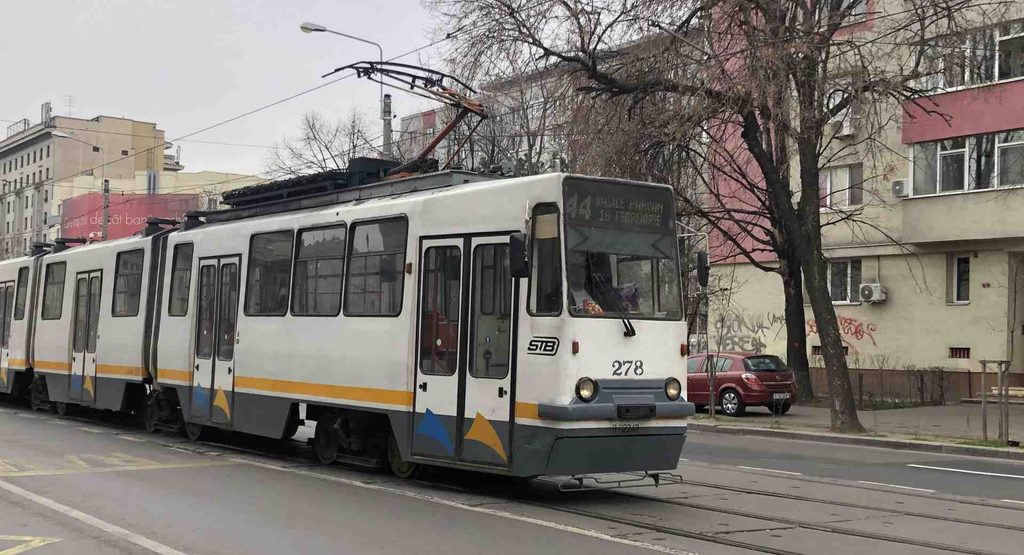
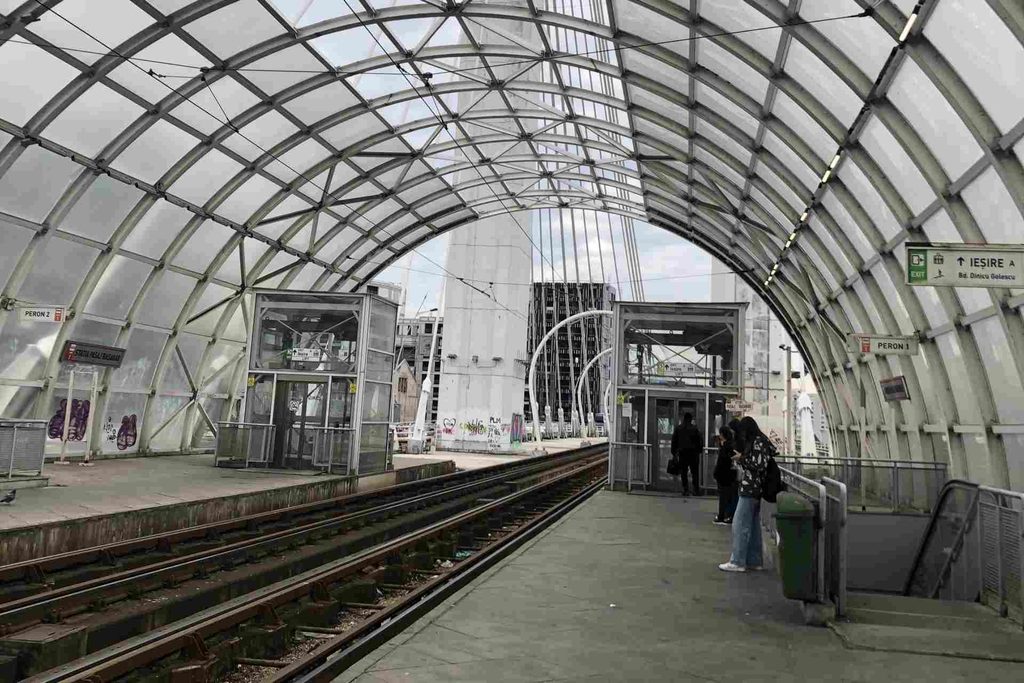
Bucharest has a large public transportation system, and the metro is one of the easiest ways to move around the city. The metro connects many important parts of Bucharest, while buses and trams cover areas that are not directly connected by metro. The city is big, so walking everywhere is not always practical (but practical in Old City). If you want to see many different parts of Bucharest in one day, public transportation can save you a lot of time.
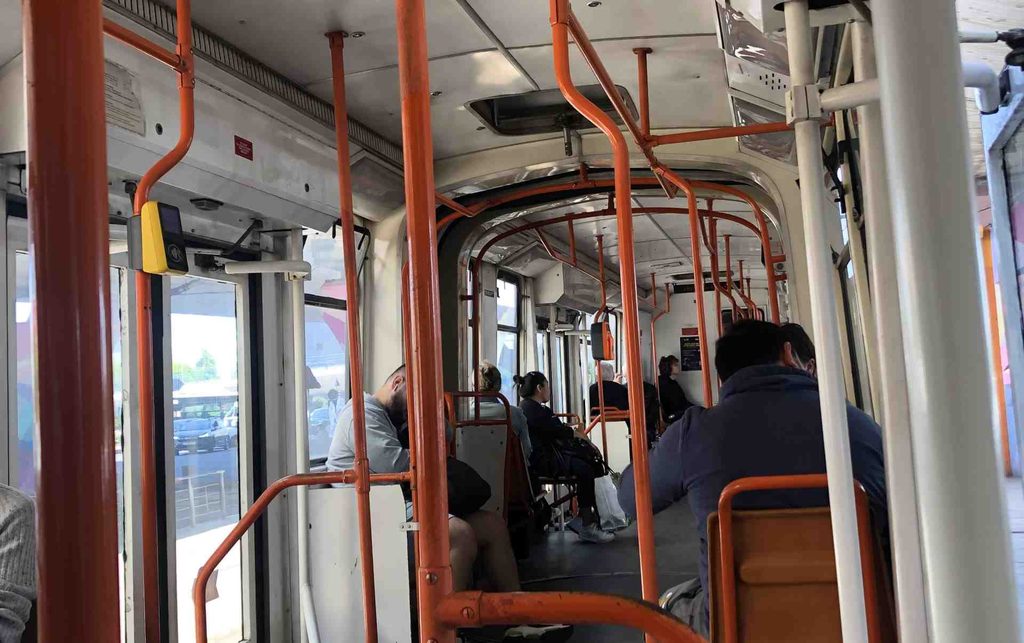
One interesting thing for visitors is that some public transport tickets can be purchased electronically, including by bank card on supported vehicles and validators. However, transportation systems and payment methods can change, so I recommend checking the current system before your trip. When I was using buses and trams, I also learned one practical lesson. Always make sure your phone has internet access. If there is a ticket inspection, you may need to show information connected with your digital payment or ticket. This happened to me more than once, so having a working phone connection is something I would not ignore.
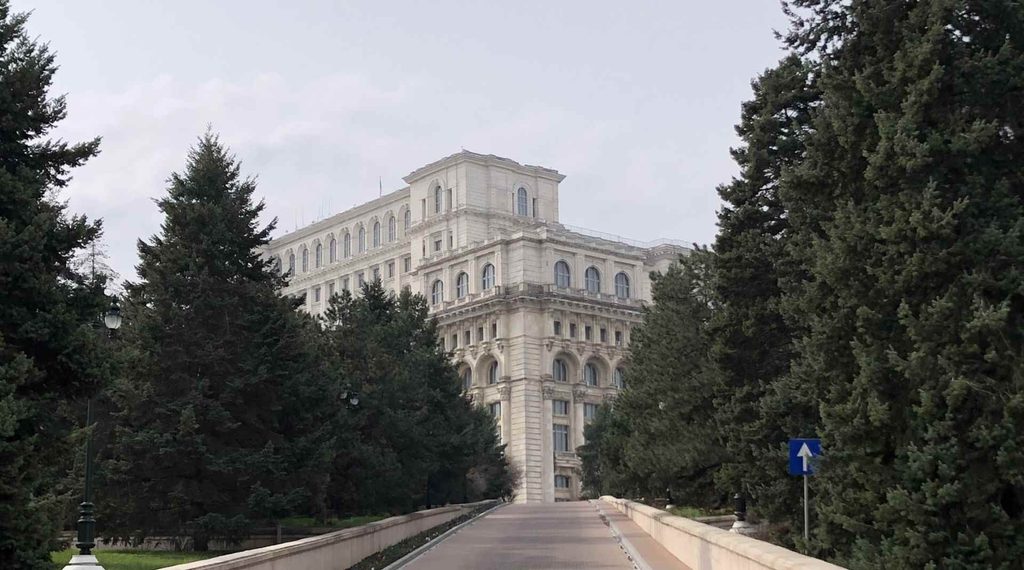
Palace of Parliament, The Giant Building of Romania
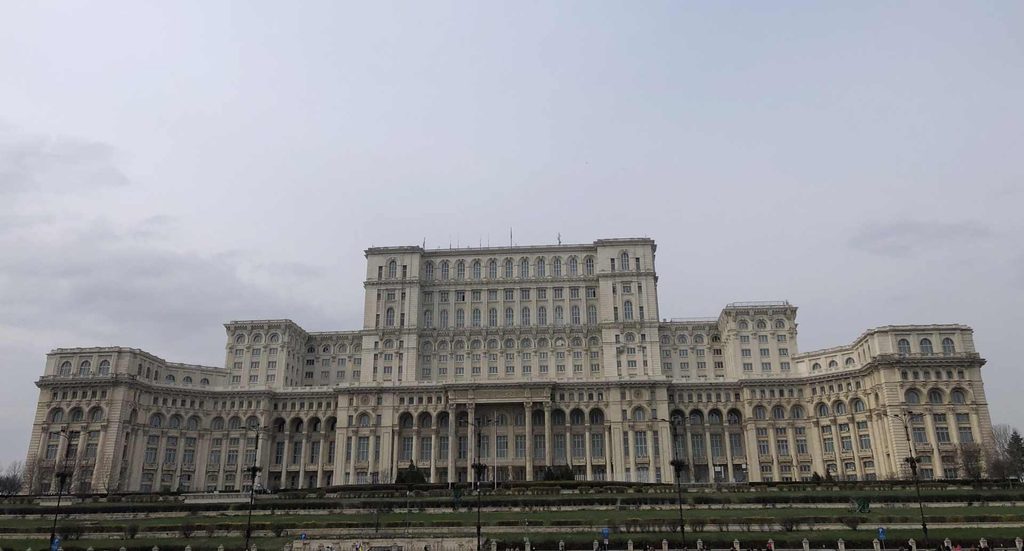
One of the first places most people associate with Bucharest is the Palace of Parliament. And when you see it in person, it is difficult to understand how large it really is. The building is enormous. It is officially described as the heaviest administrative building in the world and ranks third worldwide by volume. But the size is only one part of the story.
The building is connected with one of the most difficult periods in modern Romanian history. It was built during the communist dictatorship of Nicolae Ceaușescu. Construction began in the 1980s as part of Ceaușescu’s plan to create a huge political and administrative centre. To make space for the project, large parts of Bucharest were demolished.
This included homes, historic buildings, churches, and entire neighbourhoods. According to the Romanian Parliament’s information about the building, around 10,000 homes were demolished, more than 57,000 families were evacuated, 20 churches were destroyed, and eight churches were moved. More than 100,000 people were involved in the construction project, with nearly 20,000 workers working in three shifts during the peak period. This makes the building difficult to look at only as a tourist attraction.
For many Romanians, it is also a reminder of the communist dictatorship and the enormous human and social cost of the project. At the same time, it has become one of the most recognizable symbols of Bucharest. Today, the building houses the Romanian Parliament and can be visited by tourists. When you stand in front of it, you can see why it has become such a famous place for photographs. But I think it is worth knowing the story behind the building before taking the picture. The building is impressive. The history behind it is even more impressive.
Constitution Square
The Palace of Parliament stands beside Constitution Square, or Piata Constitutiei. This is one of the largest open spaces in central Bucharest. The area gives you a good view of the Palace of Parliament and also helps you understand its enormous scale. The communist authorities did not simply construct one giant building. They completely transformed a large part of the city.
Arch of Triumph
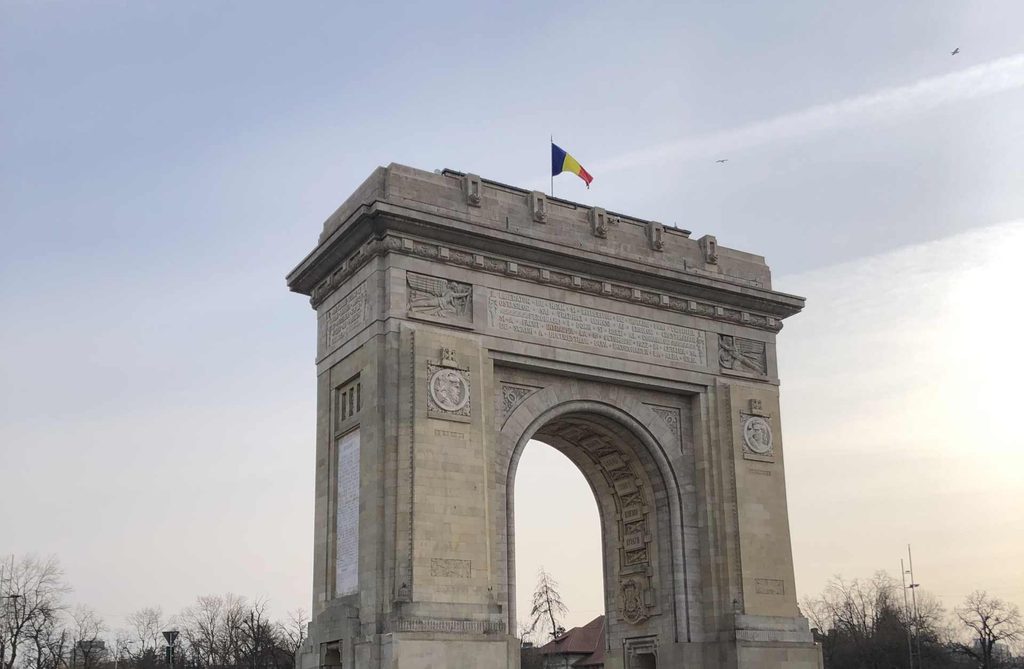
Another famous symbol of Bucharest is the Arch of Triumph, or Arcul de Triumf (Arch of Vicotry). It stands on Kiseleff Road in the northern part of the city. The monument celebrates Romania’s victory in the First World War and the Great Union of 1918. The present stone structure was built between 1935 and 1936 and was designed by Romanian architect Petre Antonescu.
When you first see it, you may immediately think about the famous Arc de Triomphe in Paris. That is not a coincidence. Bucharest has a long relationship with French culture and architecture. During the late 19th and early 20th centuries, many Romanian intellectuals, architects, artists, and other professionals studied in France. Some of them returned to Romania and helped reshape Bucharest.
This is one of the reasons you can find so many French influences in the architecture of the city. Petre Antonescu himself studied at the École des Beaux-Arts in Paris before returning to Romania. But the story of the Arch of Triumph goes even further back. There had already been temporary arches on this location. A wooden arch was built in 1878 to celebrate Romanian independence, while another temporary arch was constructed after the First World War.
The permanent monument we see today was finally built in the 1930s. If you are visiting Bucharest, I think it is worth going there. The surrounding area is also interesting because Kiseleff Road and the nearby parks give you a completely different feeling from the crowded centre.
University Square
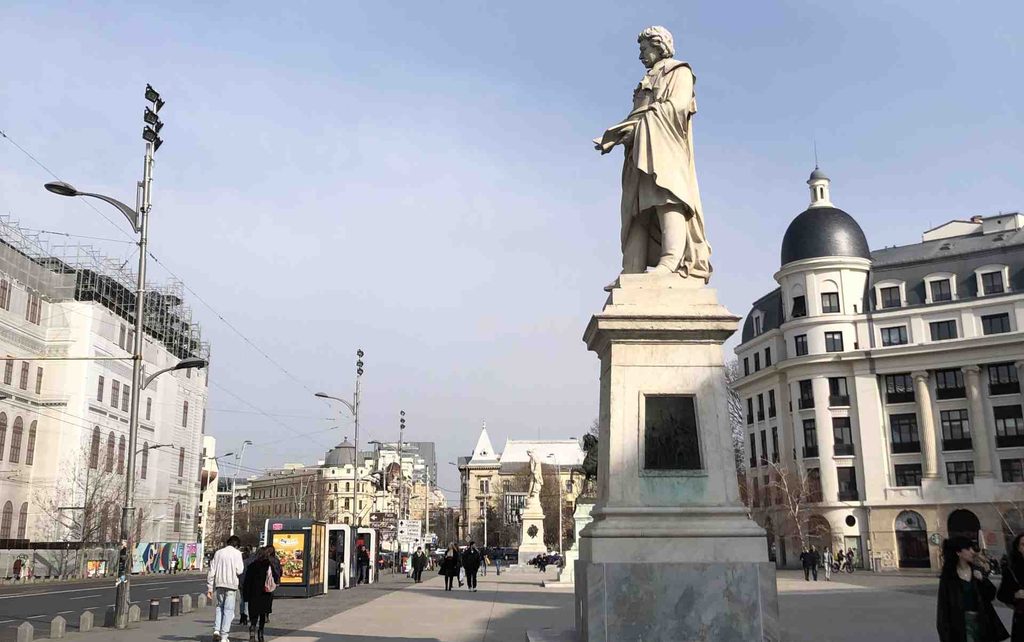
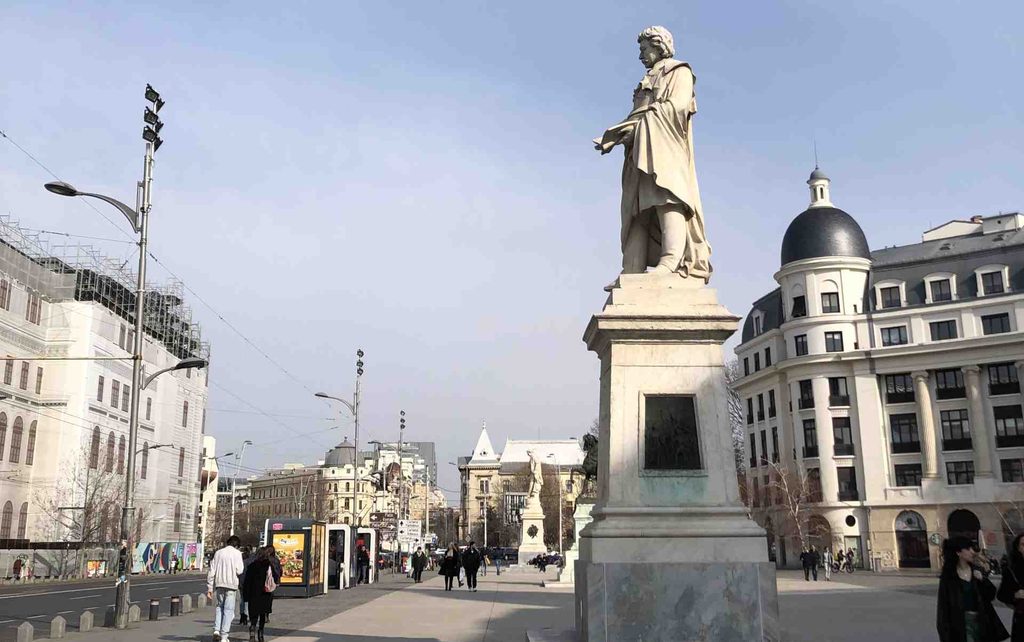
University Square is one of the most important central places in Bucharest. It is surrounded by important buildings and is close to the University of Bucharest. But the square is also important because of its role in Romanian political history. The area became particularly famous during the 1989 Romanian Revolution. Large protests took place in Bucharest as the communist regime collapsed.
When you visit the square today, it can look like an ordinary busy part of the city. Cars, buses, students, shops, and pedestrians make it difficult to imagine the events that happened here. This is something I noticed many times while traveling around Romania. A place can look completely normal today while carrying memories of events that changed the entire country.
King Michael I Park
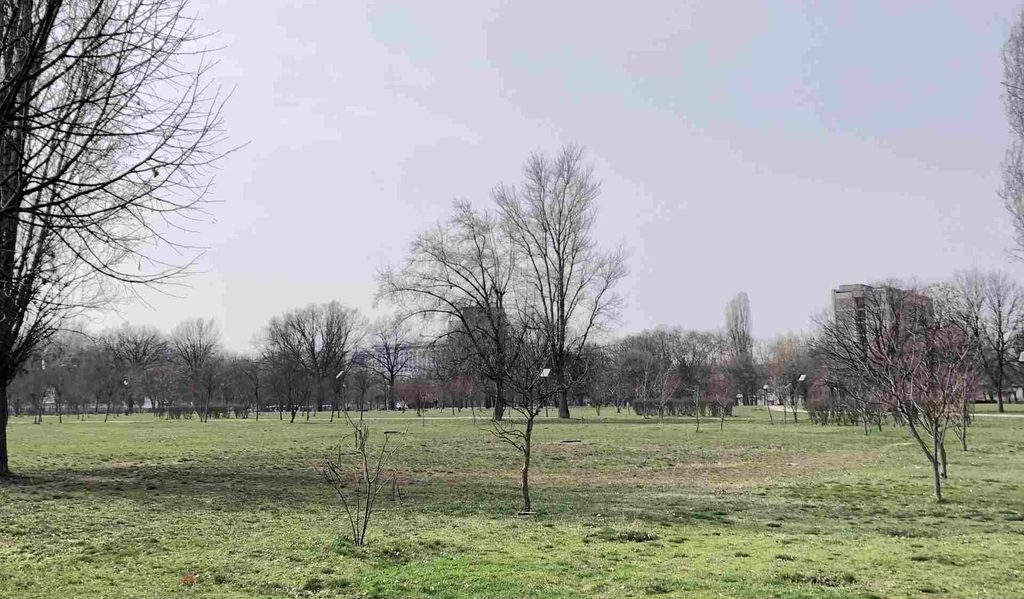
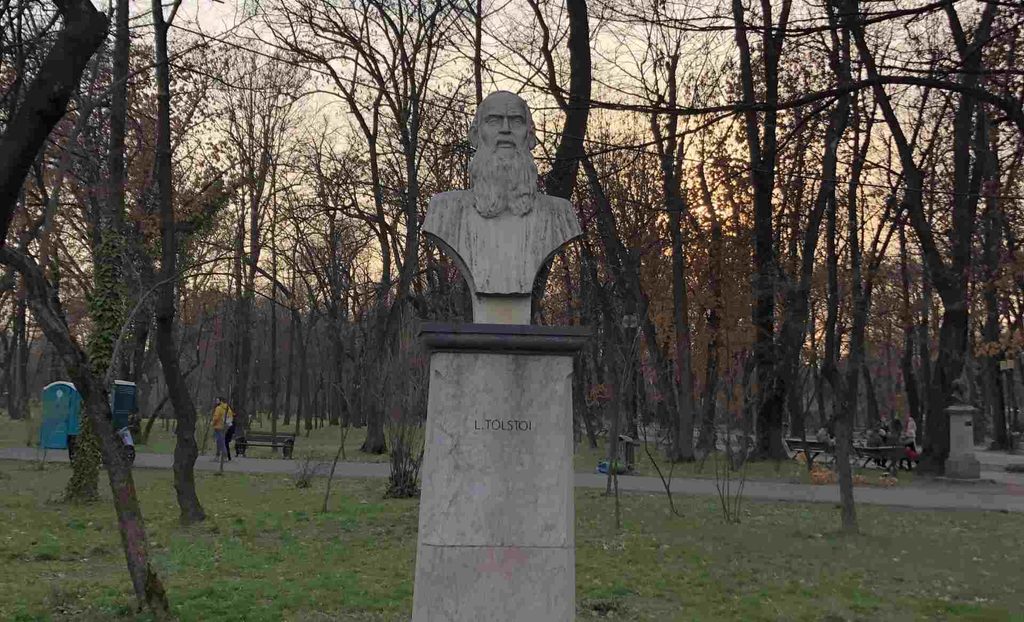
If you need a break from the traffic and buildings, one of the best places to go is King Michael I Park, formerly known as Herastrau Park. The park is located around a large lake and is one of the biggest green spaces in Bucharest. It is a completely different experience from walking around the historic centre. You can walk beside the lake, sit in the shade, rent a boat, have something to eat, or simply escape the noise of the city. I think this is especially useful if you are spending several days in Bucharest. The city can be exhausting because it is large and busy. Having a large park where you can slow down makes a big difference.The park is also close to Kiseleff Road and the Arch of Triumph, so you can combine several places in the same part of the city.
Bucharest Old Town
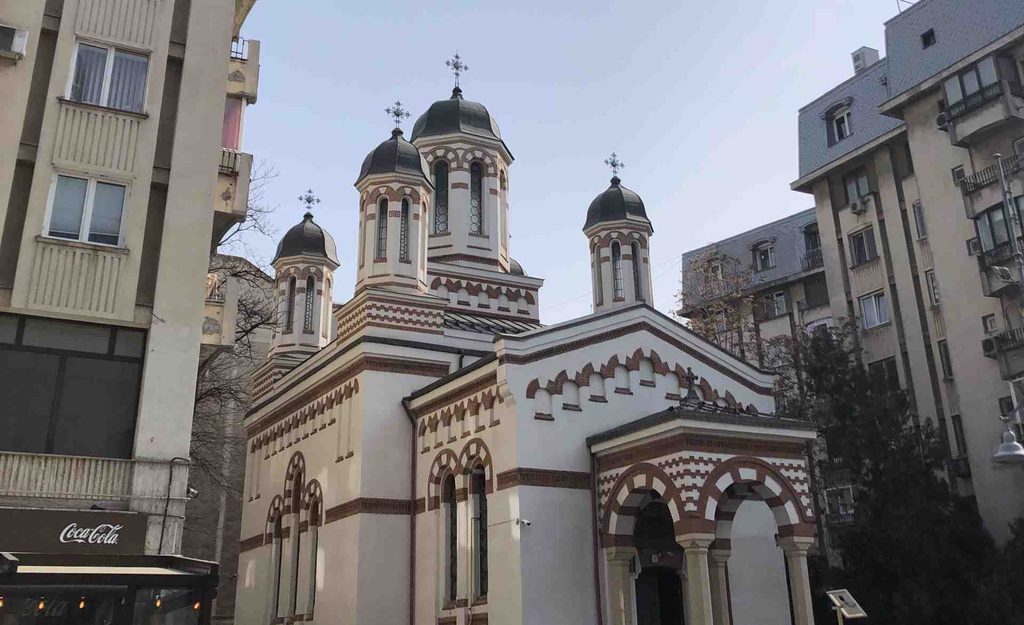
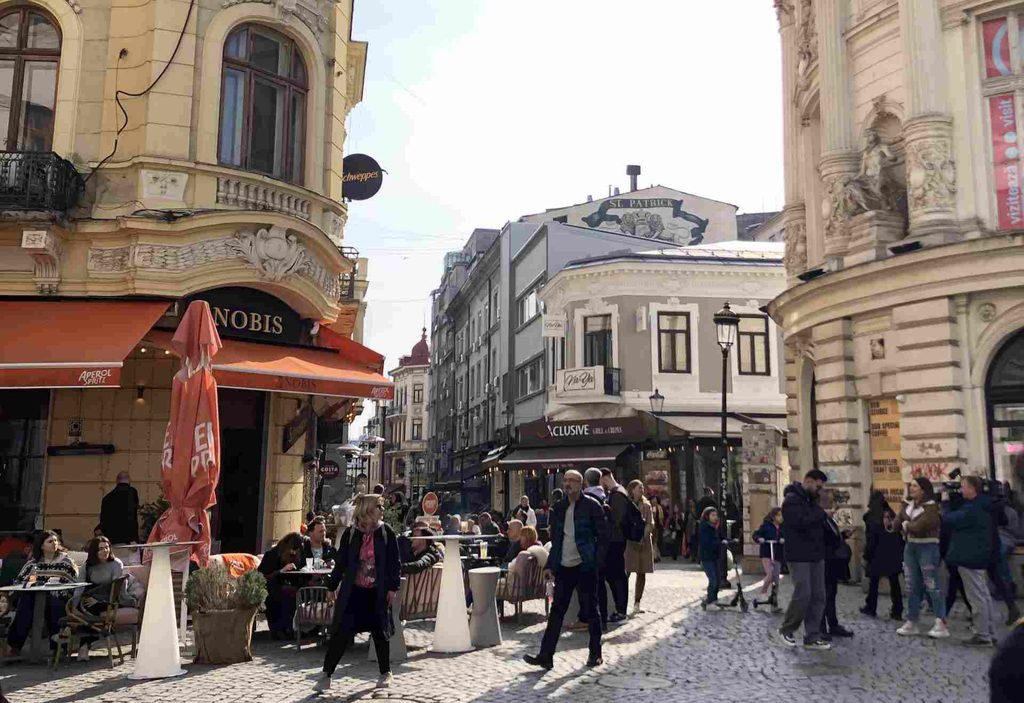
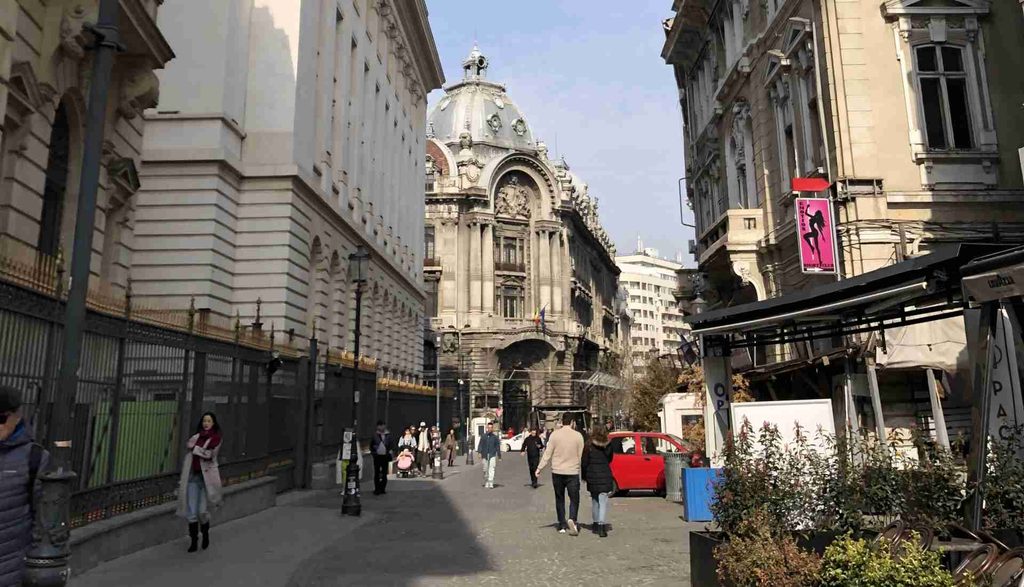
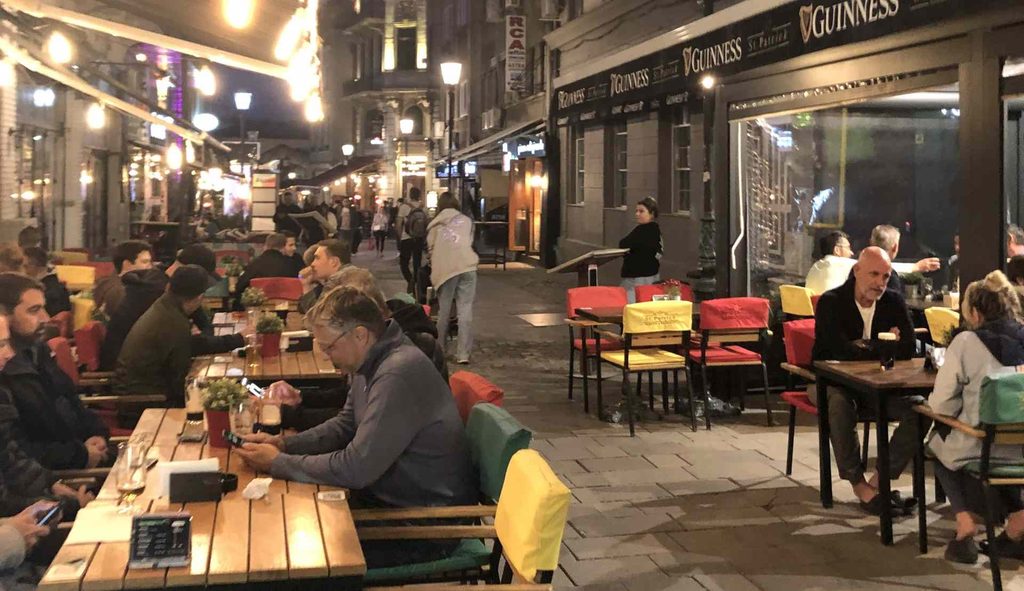
The Old Town is probably the place most tourists will visit. The area around Lipscani has narrow streets, old buildings, restaurants, cafés, bars, shops, and a lot of tourists. It is probably the busiest tourist area in central Bucharest. But there is more history here than you might notice at first. The old streets were once part of the commercial centre of the city. Merchants, craftsmen, travellers, and different communities passed through this part of Bucharest. You can see a beautiful historic building next to a building that looks like it has not been renovated for decades.
National Museum of Romanian History
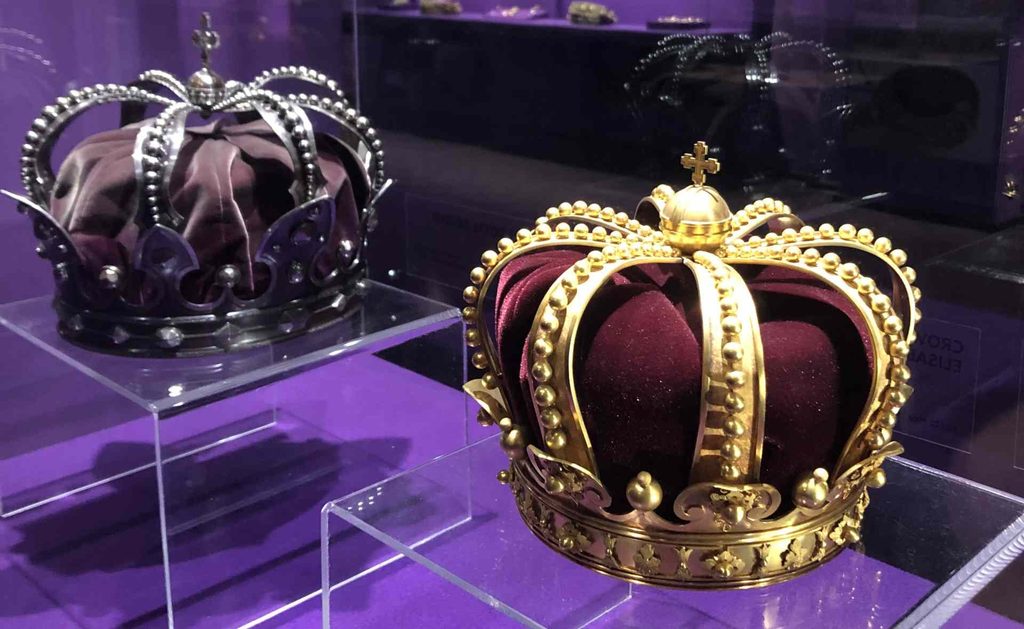
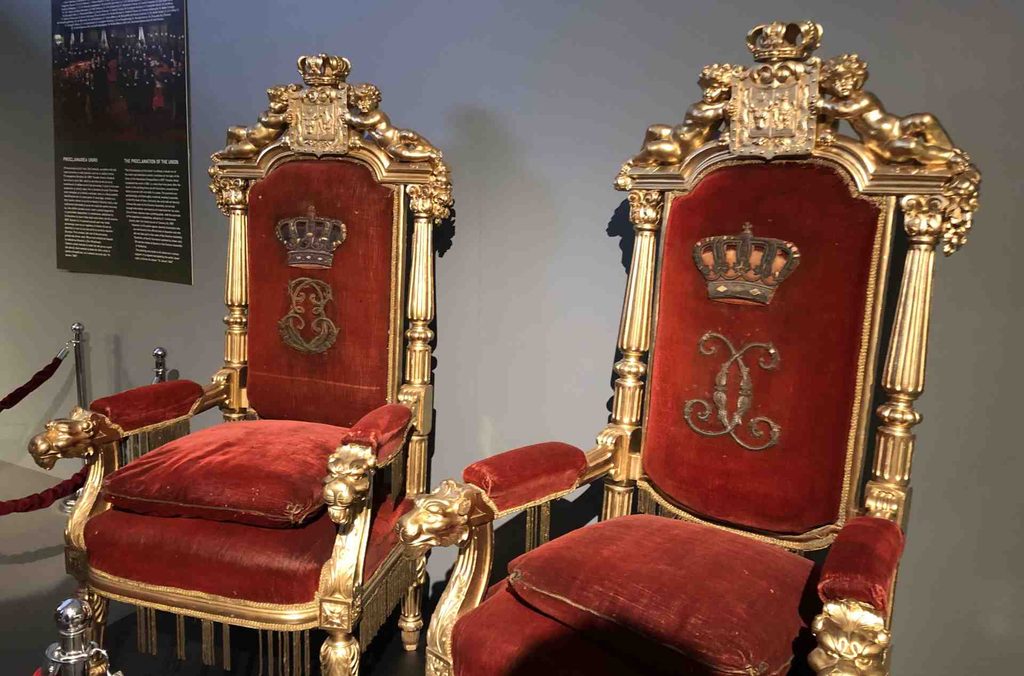
If you want to understand Romania better, I recommend visiting the National Museum of Romanian History. The museum is located in a historic building in the centre of Bucharest and contains objects from different periods of Romanian history. This is one of those museums where you can spend much longer than you originally planned.
There are archaeological objects, historical collections, documents, coins, weapons, and other items connected with the development of Romania. What I liked is that the museum gives you the opportunity to move through different periods of history. You can start with ancient civilizations and continue through the medieval period, the development of the Romanian principalities, the modern Romanian state, and more recent history.