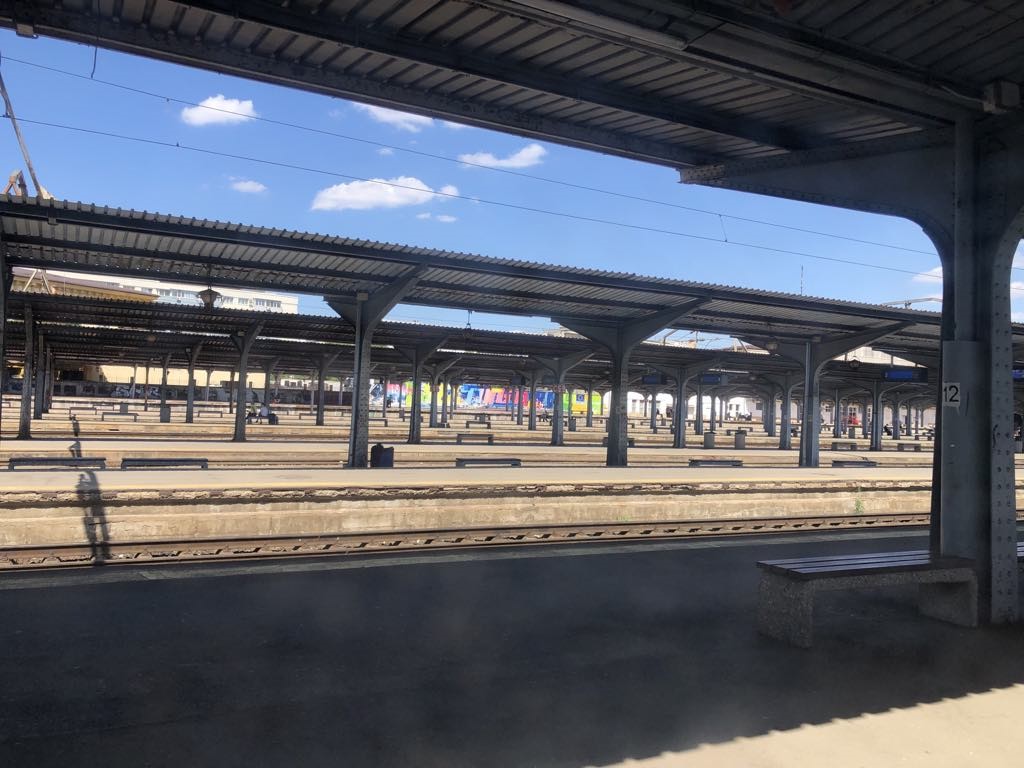
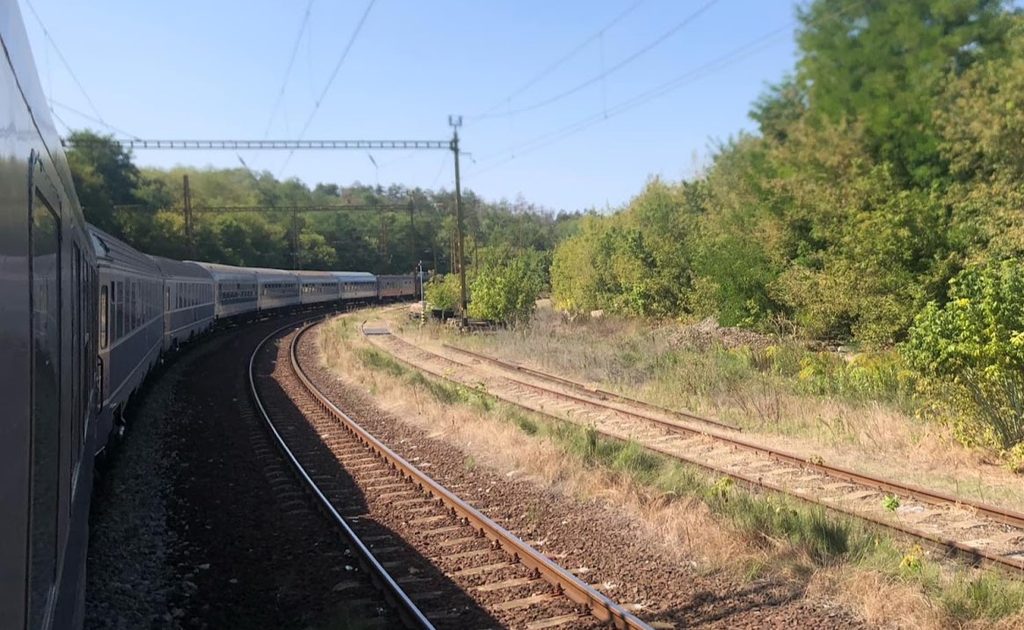
Traveling through Romania by train is an experience in itself. For people who love trains and the sound of the tracks during sharp curves climbing or descending the Carpathian Mountains, Romania is the best choice in Europe. A well connected railway network with most villages, trains with diesel or electric engines, trains of different years and companies. I have tried all the Romanian companies, and probably all the trains in use, and these are my stories.
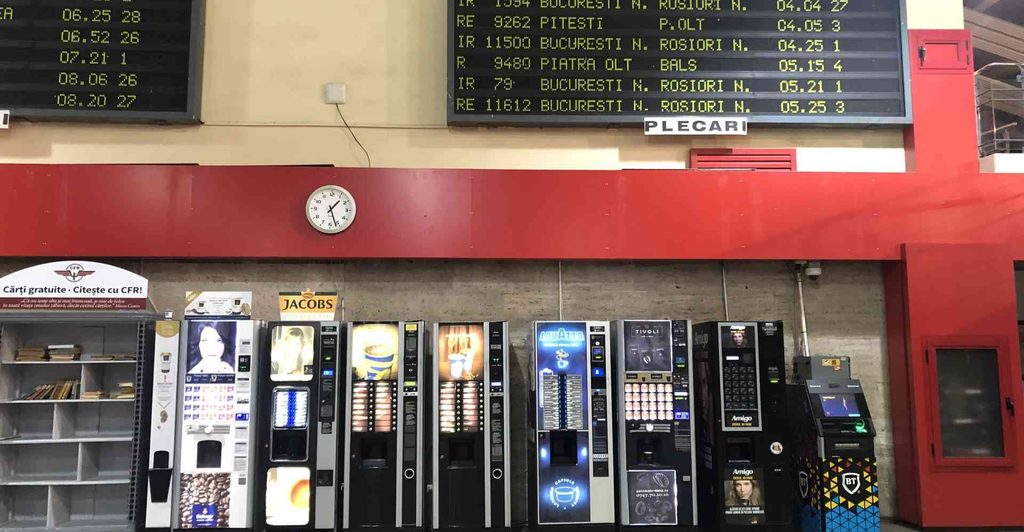
Public transport in Romania itself is very interesting. Buses are not common or popular. I always have a hard time finding the bus station, as it is usually somewhere near Gara, but somehow hidden and hard to find, especially at night. It is also interesting for other regions because in Romania there are still a lot of diesel engines in use, and tickets are not too expensive compared to Western Europe. It is also interesting because they are open 0/24 and there are many people working. I also liked many things about the trains, including the little book machines at Gara (train station). It is possible to pay by card as well as cash on all of them.
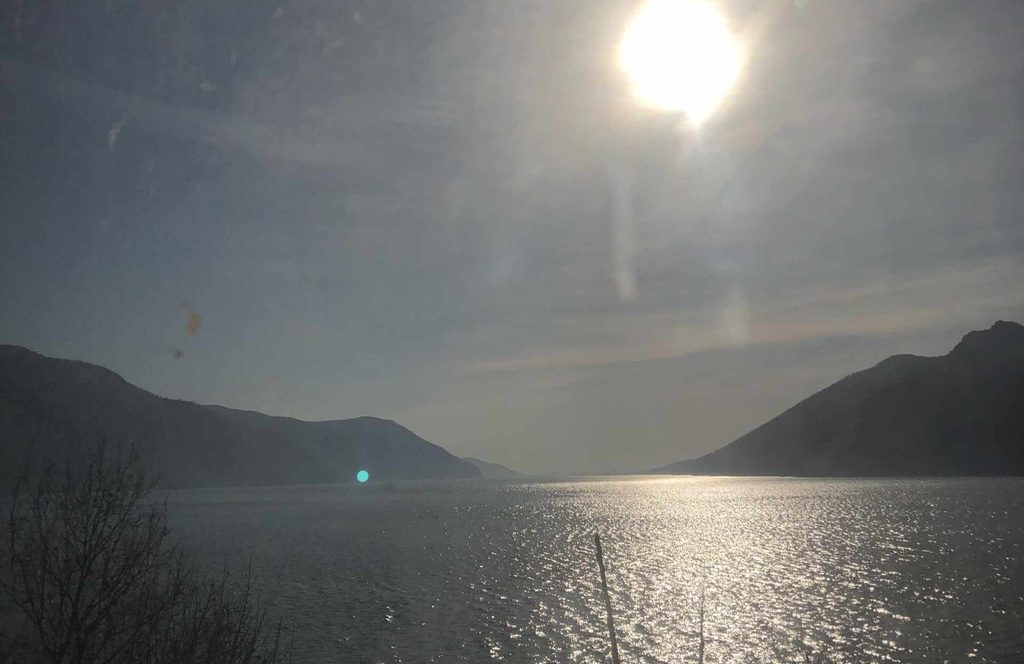
Panorama views are stunning
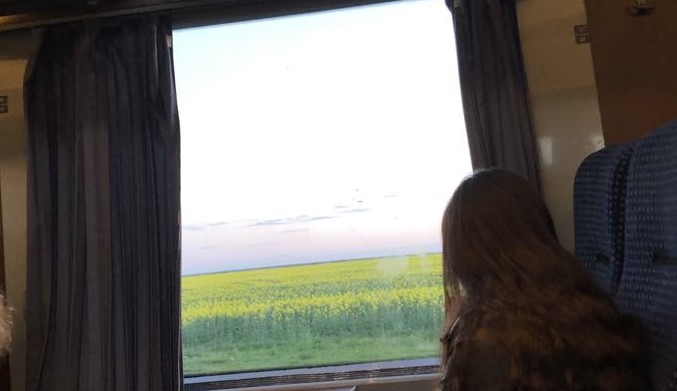
The nature in Romania is incredible, alternating forests and meadows, rivers and seas, old railway bridges, sunflowers and flat landscapes. Traveling by train means watching the climate and microclimate change all the time.
Romanians are very pride of their trains, and they have rights to be. The country boasts a robust railway system that extends even to many villages. With numerous international routes connecting Romania to Hungary, Bulgaria, Moldova, and Turkey, the railway network enhances Romania’s connectivity with neighboring countries. The link to Budapest is particularly advantageous for traveling throughout Europe. While many European countries have replaced railway tracks with roads, Romania has retained its railway infrastructure, which aligns well with modern trends toward green energy.
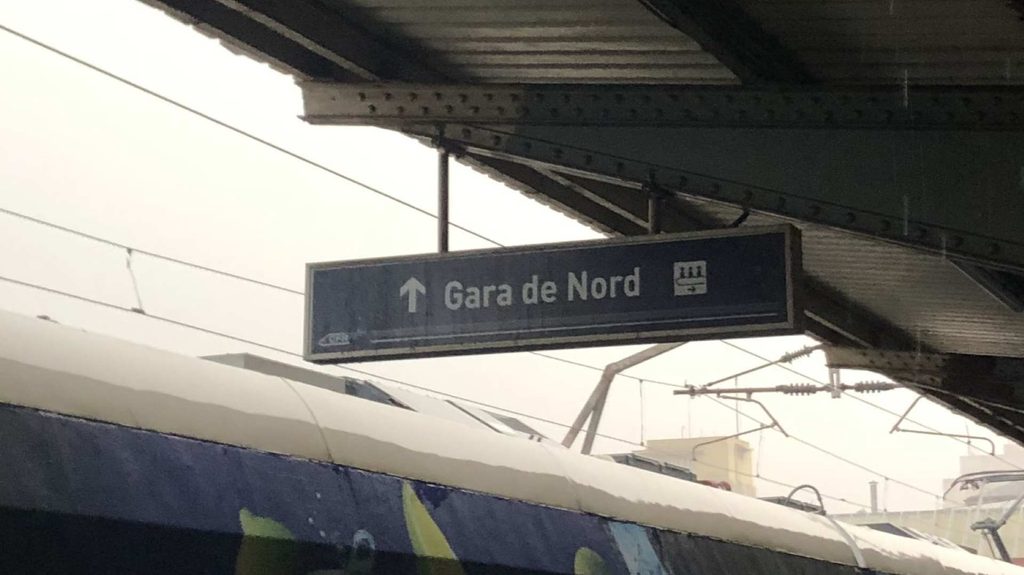
In Romania, railway stations are called “Gara” with the main station often referred to as “Gara de Nord,” typically located in the northern part of the city. The term “Gara” simply means “station” Bus station is called “Auto Gara.” This distinction highlights the historical significance of train travel in the culture and language.
However, bus stations in Romania are less popular and often in poor condition, with limited hours, even in Bucharest, the capital. Remarkably, train tickets for students are discounted by 90%, and seniors receive a 50% discount, making train travel extremely affordable, something quite rare elsewhere. Tickets can be purchased online or at ticket offices in city stations. It certainly feels like trains reach every village in Romania.
Gara de Nord
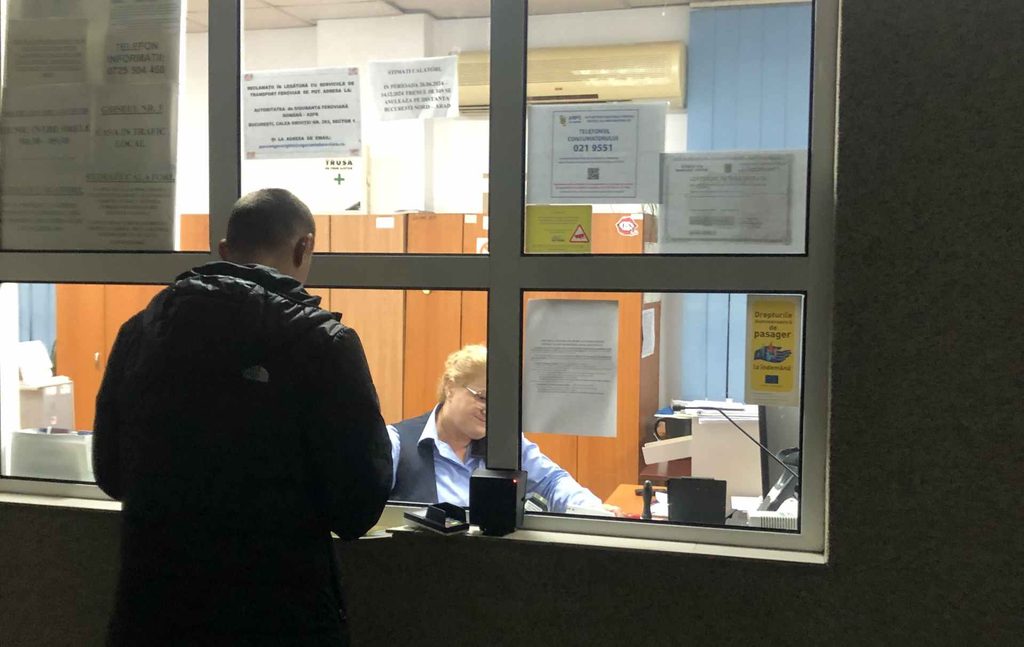
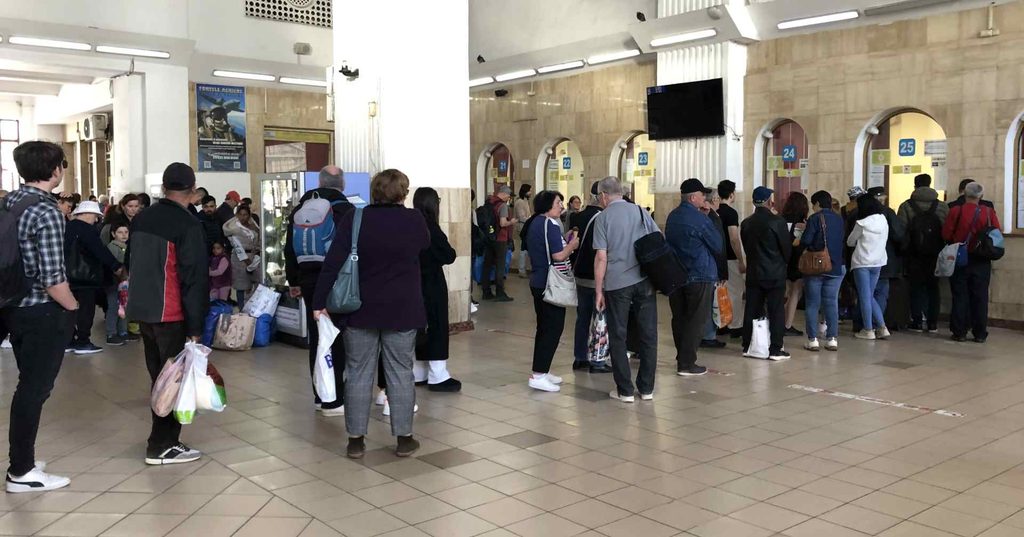
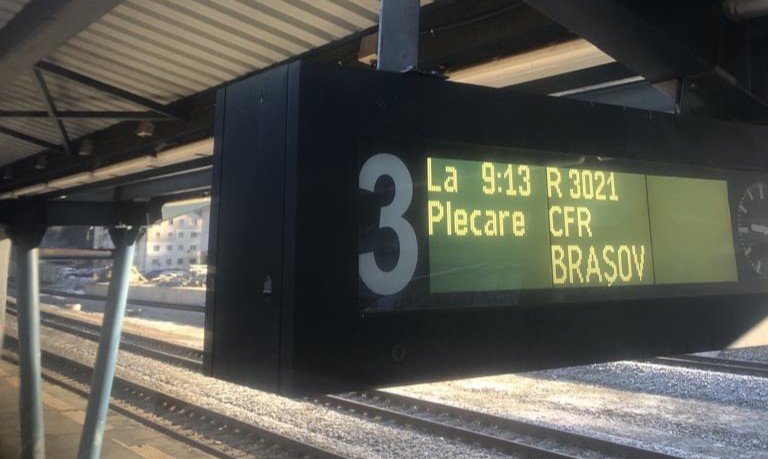
Gara de Nord or Train station, they are really usually on north. i really liked Garads because they are open 0/24, in bigger cities there are securities, and they are very simple to use. Tables with infomrations about trains are visible and clear. Its possible to buy ticket with cards or cash. To skip big lines, its much easier to use machines for tickets, or to buy online.
.
Books and Romanian Trains
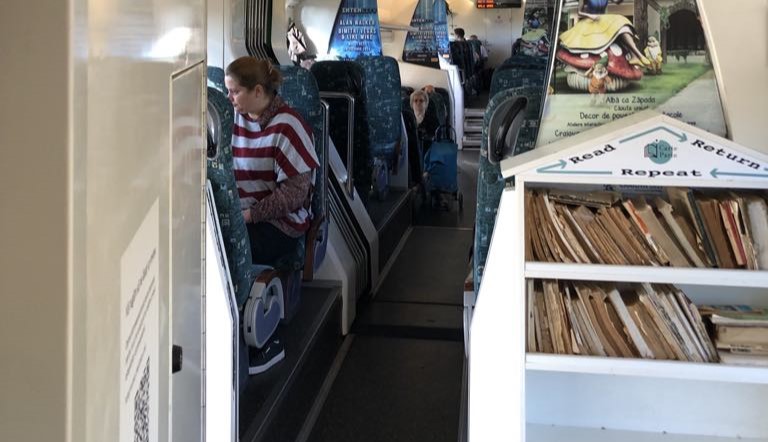
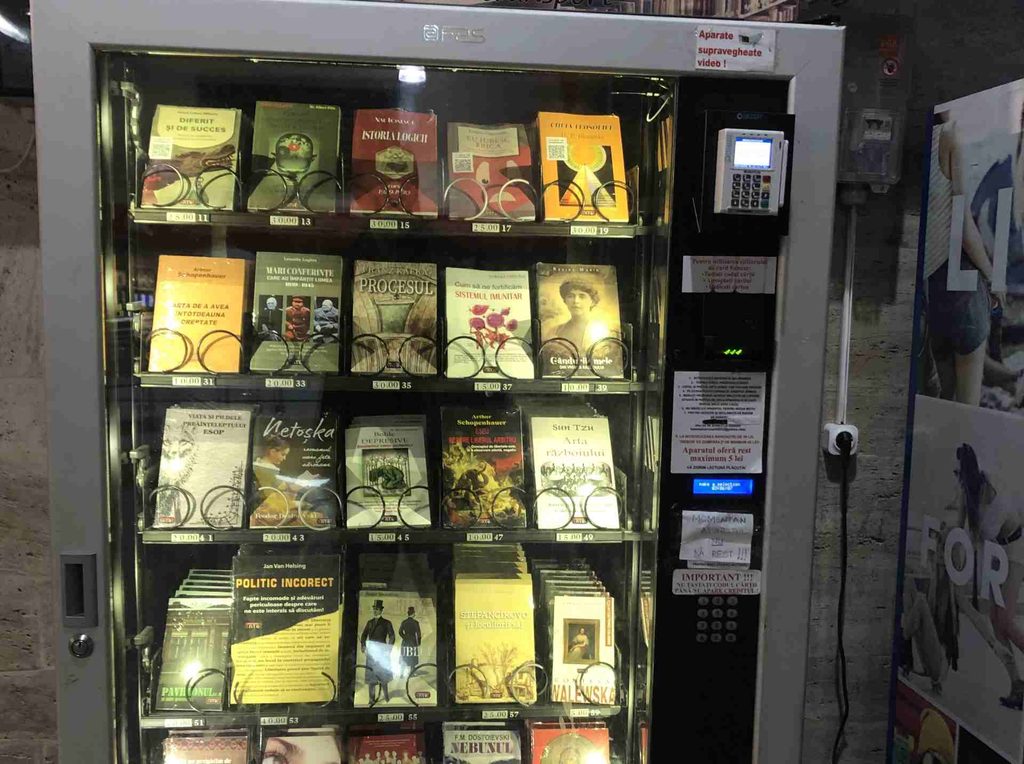
Romania is full of unusual traditions. One of them I really liked was the book on the train. Also, many train stations have book vending machines where you can buy new books. Books on trains are usually used books.
Snacks on Train
Depending of train companies, in most them, there are snacks. There is difference if you are using CFR or Softrans. In CFR, there is usually a seller who is walking around the train with snacks, similar to ones in plane. They are common in long distance train.
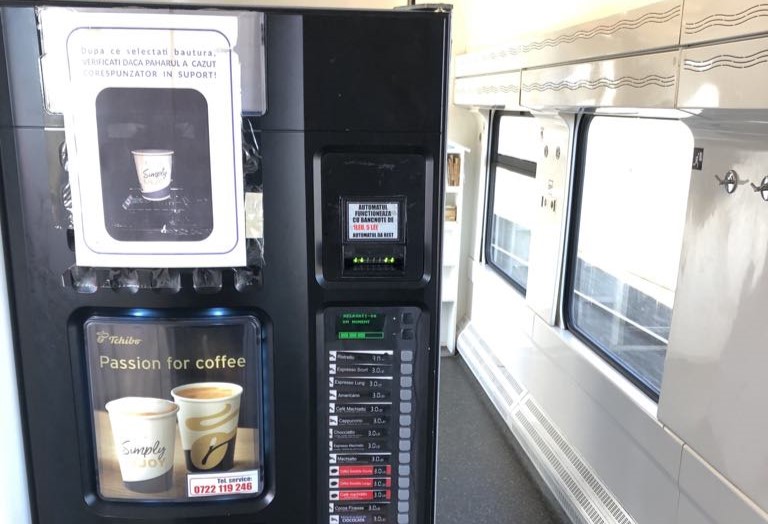
In Softrans, there is a machines with snacks and coffee machines inside. Prices are reasanble and its not possible to pay with card. Also, in most of the Gara’s, there is some shops to buy snacks with little bakeries inside.
Types of Train Companies
Romania has several train companies. The state-owned CFR (Căile Ferate Române), established in 1880, serves the entire network. Tickets can be bought online or at ticket offices. Softrans is a private company that connects Craiova to Brașov via Bucharest, and Craiova to Constanța, also through Bucharest. Tickets can be purchased online or onboard the train, with payment options for cash or card. Astra Trans Carpatic is another private operator offering night services from Cluj to Bucharest, with tickets available online or on the train.
Speed of the Trains
When compared to Western European trains, Romanian trains are generally slower and can often run late. However, if you’re delayed, the train is likely to be as well, so you might still arrive on time. Some locals have mentioned that trains were faster 20 years ago than today, but upgrades are expected soon, and some tracks are getting renovated.
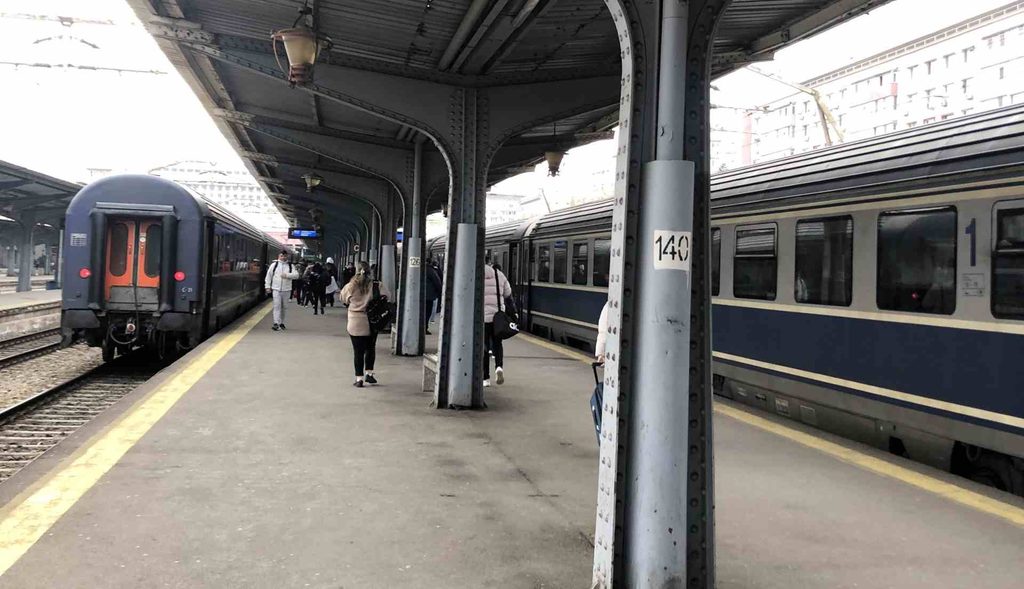
Railway Conditions
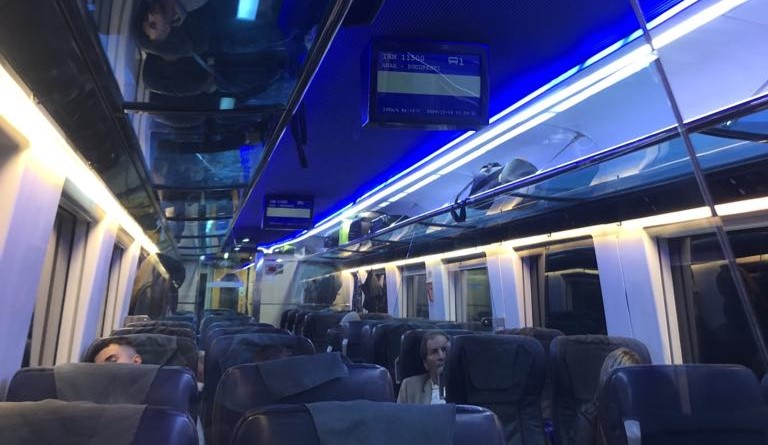
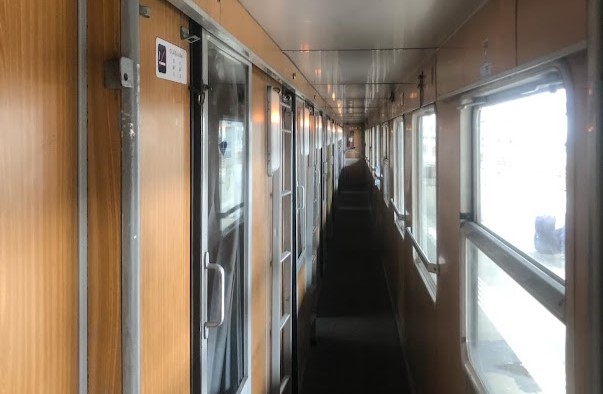
Romanian trains are quite comfortable, clean, and suitable for sleeping, especially on night journeys, which tend to be quieter and warmer.
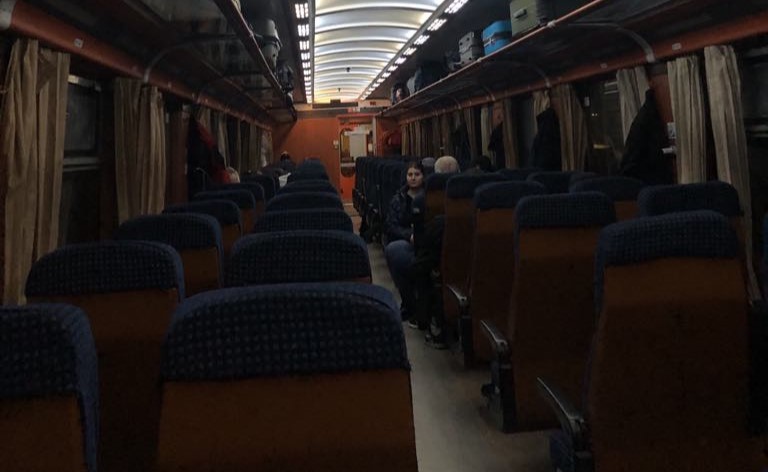
Types of Railway Network
An interesting aspect of the Romanian railway system is the prevalence of non-electrified lines, with many trains operating on diesel. This gives a unique travel experience, akin to being in a car. While major and international routes are electrified, many local lines remain diesel-powered, a feature I haven’t encountered elsewhere, making it a fascinating aspect of the journey.
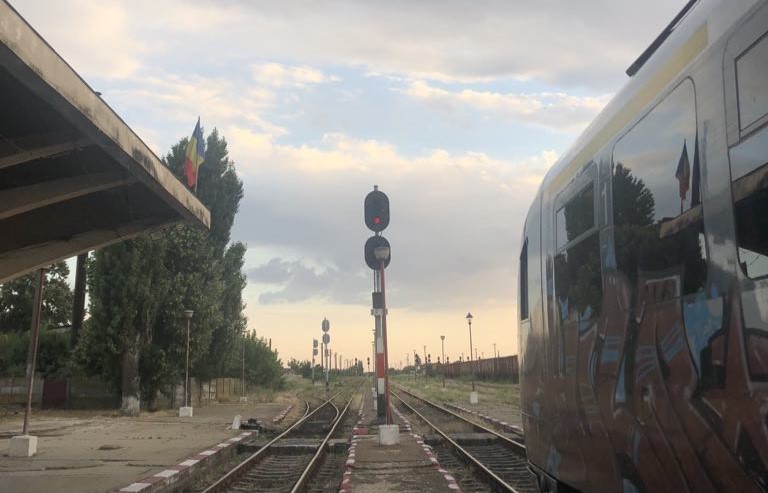
Is smoking allowed in Romanian trains?
It’s officially prohibited to smoke on Romanian trains, yet many people still do. Here’s what I’ve observed: I frequently travel on Romanian trains, and I’ve noticed smoking in some of them. While passengers can smoke during breaks or when the trains are stationary, it can be unpredictable when the train will resume its journey.
In private train companies, smoking is not allowed. However, while traveling with CFR, I’ve seen many people smoking at the back of the train. Although it’s against the rules, it still happens. I’ve also heard stories about hefty fines for smoking, which you would have to pay. Additionally, some passengers smoke in the restrooms. I do not endorse smoking, and this is not intended as a suggestion or recommendation. These observations are based on my personal experiences while traveling.
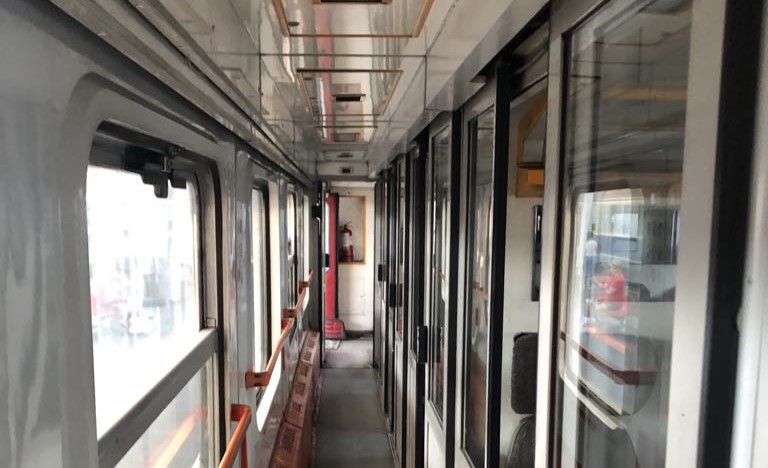
Night sleeping trains
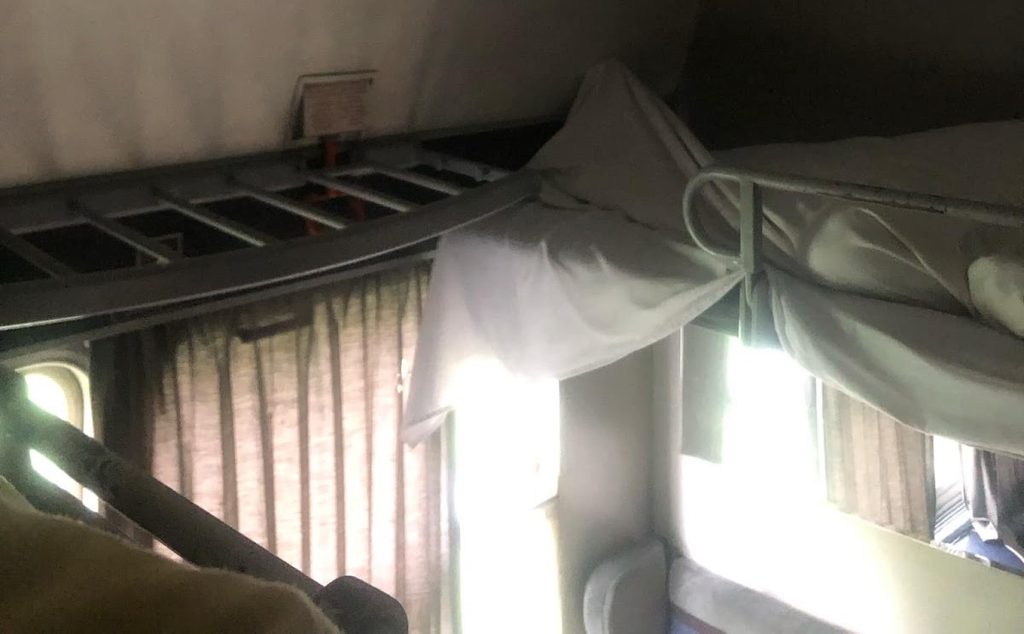
For me, traveling by train is the most comfortable, safest, and often the cheapest option, especially in Eastern Europe. I’ve taken trains often, but I had never used a sleeping car overnight because I wasn’t sure about the conditions. However, this time I was extremely tired and decided to use my sleeping bag as a backup. I always thought that sleeping carriages might be dirty or unsafe, but I was wrong. First, at the entrance, a staff member greeted me, checked my ticket, and guided me to my “room.” I asked him how to get up, and he showed me the ladder. I was in the last car of the train, and I think it wasn’t possible to go another car from here, so its more private.
I booked a four-bed compartment, and for most of the journey, there was only one other person with me, along with a few others who joined later. It was extremely comfortable; I was on the upper bunk and kept my things next to my head. The travel time was about 15 hours, but I spent most of it sleeping. So, pack plenty of snacks, food, and drinks, and enjoy your amazing overnight ride. I highly recommend it! Ticket price was about 70e and I payed it online without printing on CFR website.
How to handle long rides (15+ hrs)?
Stay Hydrated Bring plenty of water, it’s essential. Traveling can be stressful for your body, so hydration is key. I prioritize water over food because it’s crucial. Buses have breaks, but in some countries, trains may have an onboard bar, although that’s not always the case. Carry as much water as you can. Pack Snacks Bring food and snacks. While you might not feel very hungry, having snacks can make the journey more enjoyable. Fruits, chocolates, and nuts are great choices. Traveling can feel longer when you’re hungry.
Avoid Risky Food Be cautious about eating food from bus or train stations. I’m often skeptical about the hygiene standards in these places. Since you likely won’t return, vendors may not worry about their reputation. Bring Headphones for enjoying music, podcasts, or movies. Some buses have small screens with entertainment options, but downloading or streaming beforehand is a good idea. After a few hours, you might not want to watch anything, so headphones can help block out noise. While some buses have quiet policies, they aren’t always enforced.
Books and Notebooks Bring physical books along. Staring at screens for too long can be boring, and reading offers a nice change. You could also jot down thoughts, doodle, or simply play with a pen and paper.
Carry a Power Bank While some buses and trains may have power outlets, they often don’t work or are occupied. A power bank is a smart addition to your travel gear.
How to prevent being robbed
You become an easy target if you don’t speak the local language, are unfamiliar with the area, are traveling alone, have something valuable, or find yourself surrounded by strangers. It’s wise to have some cash on hand, at least for meals. Sometimes card terminals fail, and you might find yourself needing to pay for dinner without any cash, forcing you to walk a distance to find an ATM, yes, this has happened to me. Keep the amount low so that if you are robbed, you won’t lose much.
Interestingly, mobile phones and devices are not usually the primary targets for robbers. They prefer cash in foreign currency because devices can be tracked via GPS and are harder to resell. Keep Personal Items With You at All Times Always keep your wallet, passport, ID, cash, and cards with you. Even if a hostel looks safe, with cameras and lockers, you can’t be sure about the next guests. If you’re traveling on a full bus or train and need to use the restroom or grab a snack during a break, remember that professional thieves might be waiting for an opportunity. Carry a small bag for your essentials or use a hidden pocket.
Act Like a Local. Don’t let anyone know that you don’t speak the local language. When someone asks for directions or a lighter, it’s often a test to see if you’re a tourist. Just act like a local and walk on by. Ask for Help. If you find yourself in a troubling situation, look for a group of people. If no one is around, try to flag down a car for help. It’s also good to know the local police number. Avoid Empty Streets and Places . he more people around you, the safer you generally are. Bystanders can help protect you and can raise the alarm in case of an emergency. Be aware that robbers often work in teams; the one you notice might not be alone. Don’t let them distract you while others attempt to steal from you.