Romania is one of the most interesting countries you can visit. Since it is not a popular tourist destination like the countries of Western Europe, traveling through Romania is a different experience. It is a country that is developing rapidly and has a tendency to become one of the most important countries in Europe. Due to its important geographical location, the Black Sea and the border with countries outside the EU, it will remain a country in the focus of Europe for the coming decades. I have visited more than 9 cities in Romania and more than 100 places during my hiking, traveling and hitchhiking. I have traveled by train, bus, hitchhiking and plane without knowing the Romanian language, and this is my survival guide for you. I will only write about the places and cities that I have visited.
The Romanian flag and the police are everywhere
At the train station, in government or non-government buildings, the Romanian flag is everywhere. Romanians are very proud of their country and their flag. It is probably one of the most united nations in Europe. There is also a lot of police on the streets, at least in the ones I visited. During overnight train trips, it was very common for the police to come inside and ask for ID cards, and they are very friendly.
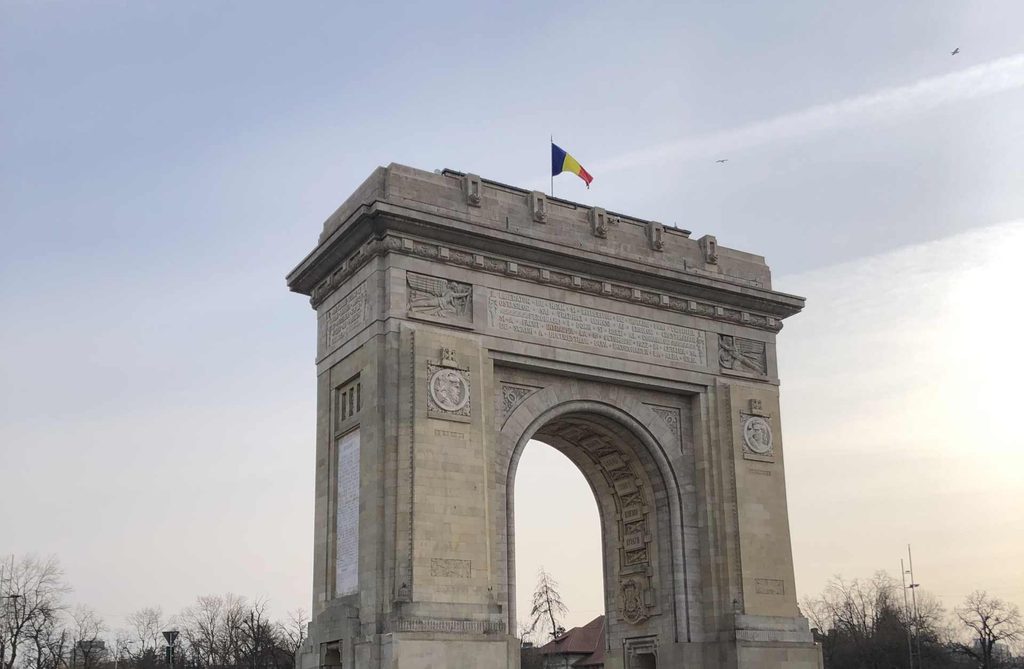
Romania is 3 in 1
Romania is traditionally divided into three major historical regions: Wallachia, Moldavia and Transylvania, and the Romania we know today has been within its borders since 1859. These are Wallachia (the southern part), Moldavia (the eastern part, not the same like Republic of Moldova with Chisinau as Capital ) and Transylvania (the northern part). All three developed differently and were influenced by different centers, which is why they are perhaps still different today. The most important natural formations that define the entire country are the Black Sea, the Danube and the Southern Carpathian Mountains. They also offer many places for wildlife, especially if you consider yourself a nature lover. I wrote another article that is more focused on nature in Romania.
Romanians
The people living in Romania are Romanians and they make up the majority of the country. There are also other ethnic groups living in Romania, especially in the north where a large percentage of Hungarians live. Hungarian is a common language and sometimes the official language in many cities in Transylvania. Romania also has a lot of Ukrainians, Serbs, Turks, Bulgarians, even some Czechs (there is a small Czech village). Many of them migrated after 1989, after the country switched to a “market economy”.
Language
The official language of Romania is Romanian. It is very interesting because it is a Romance language and has survived in the neighborhood of Slavic countries, and Romanians are proud of their language. The language itself is similar to Italian, French and Spanish. Many of the Romanian diaspora also lives in these three countries and they are the majority there.
Religion
Most Romanians are Orthodox Christians. They also have many typical Orthodox churches, which have somehow become a symbol of the country. Some of them are very old wooden ones. You will see them in the villages, by the road. Also, in Romania it is common for people to “cross themselves” when they see a church. If you use public transport, check it out.
Food
Romanians are very proud of their food. They have dozens of different soups (corba), from different animals and even from different parts of animals. Besides Corba, the most popular Romanian dishes are: ciorbă sarmale mici mămăligă cozonac.
Infrastructure
Apart from being in the European Union for decades, Romania has not developed a road or rail infrastructure. Bucharest is not connected by motorways to other cities in the European Union, but there are major projects underway, and they should be. The trains in Romania are a story in themselves, Romanians are very proud of their trains, but they need a huge amount of development. There is my article about Romanian trains.
Somehow, Dacia and Romanian roads have become connected. Dacia cars have evolved to become one of the best-selling cars in Europe, but the roads, for the most part, have remained the same – or almost the same. There are motorways in Romania, sometimes called road express, but the difference between them and regular roads often comes down to the waiting times. Most roads in Romania fall into the category of national roads and are similar to the roads you would find in Bulgaria. These roads are everywhere. You can drive fast, but they are extremely dangerous because of the side roads leading to the houses. Villages are often located right next to these roads, and I am told that this was intentional, although I am not sure why. It must be noisy, with people, animals and traffic in close proximity. It is common to see both cats and dogs roaming the roads.
In eastern Romania, on the way to Moldova, there is a road that I consider the strangest I have ever seen. It has three lanes, which is unusual, but also extremely dangerous for outsiders to drive. One part of the road doesn’t even have proper lane markings – no horizontal navigation at all. Romania is working to improve its roads. The drum-type expressways are a step up, but still feel unstable in places. Progress is slow, but it is happening. The iconic, legendary Dacia is less common on the roads today, and there are fewer roads of poor quality, but the stories and myths will remain.
Dacias
The number one car in Romania is Dacia. Old or new Dacias, it doesn’t matter, they are everywhere, taxis use them, the police, the government and people. They say you can find parts for Dacia Logan in any store. A guy told me a joke that we shouldn’t trust two things, Dacia brakes and women. Even if it’s not a 100% Romanian company or brand, Dacia remains a symbol of Romania.
Currency and money
Romanians use leu, 1 e = 5 leu. The paper money itself is quite an interesting design, with a lot of detail and very strong paper material. Even Bulgaria has switched to the euro, Romania is one of the few countries in the EU that does not use the euro. There are a huge number of exchange offices with or without supplies throughout the country, since there is also a huge diaspora.
Cities I have visited
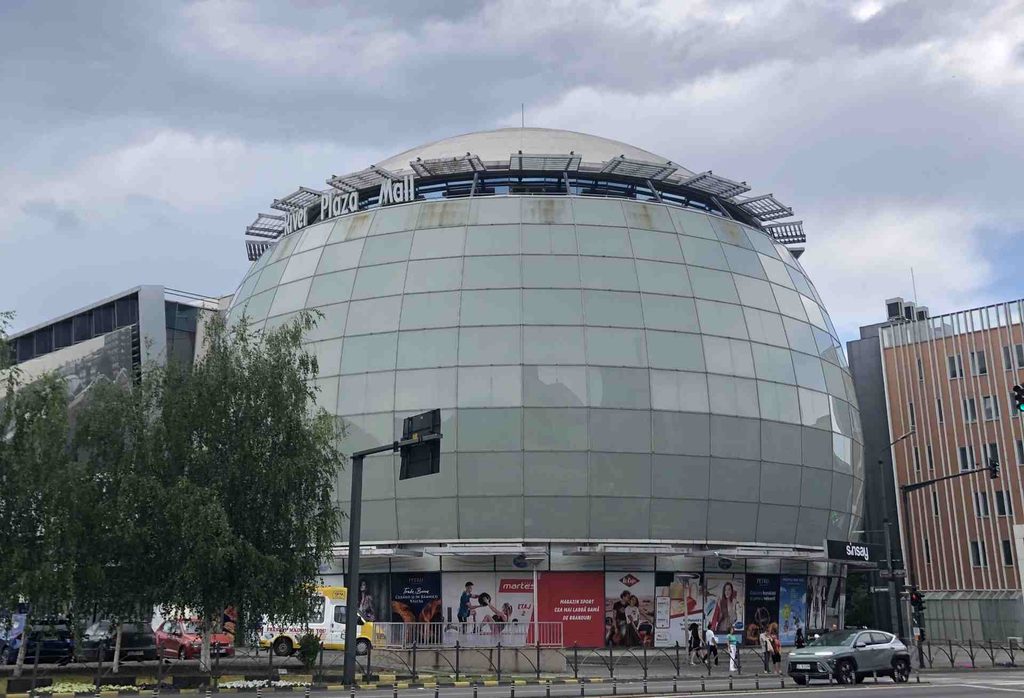
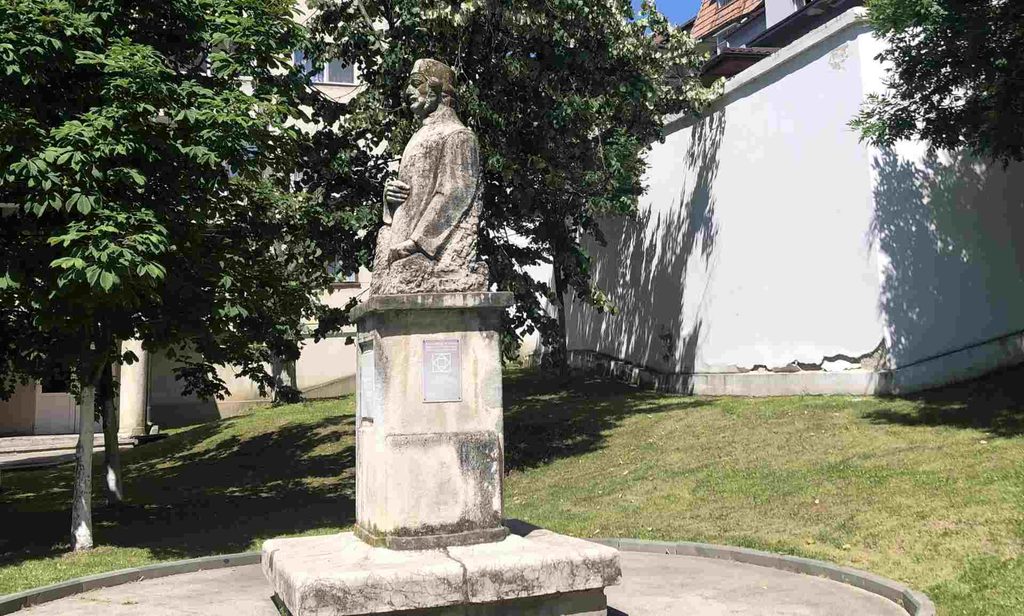
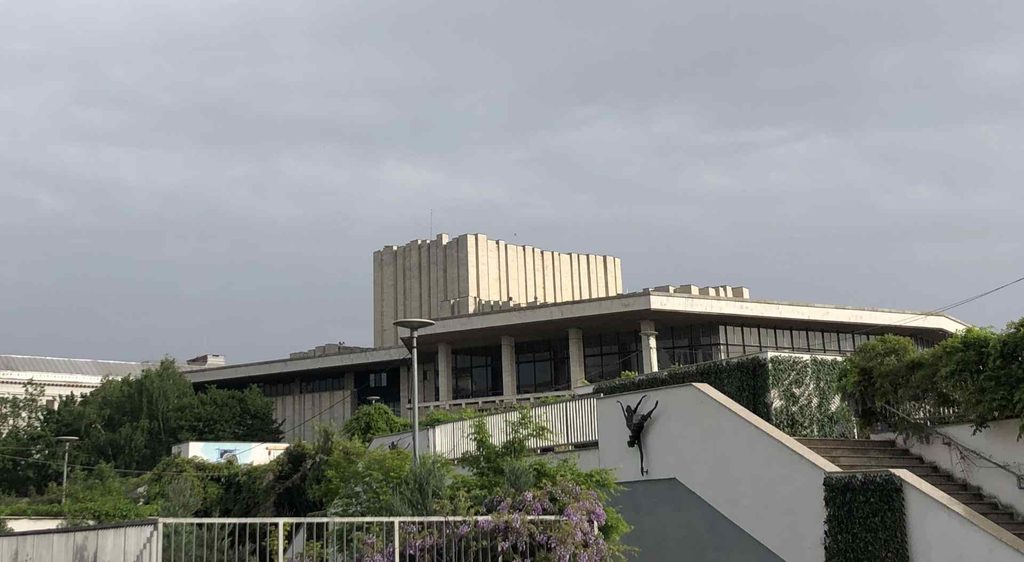
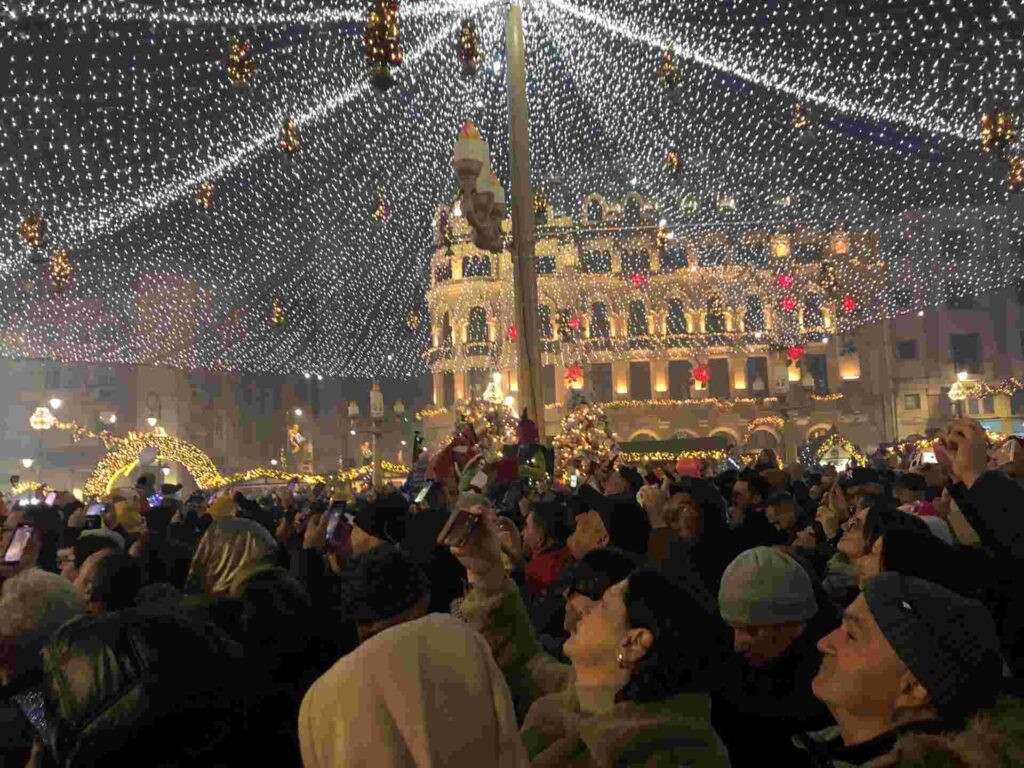
I’m not sure where to start, so I’ll start from the capital, Bucharest, in a clockwise direction, with the Fagaras Mountains as my center. Bucharest is the capital and most important city of Romania, where most things happen. If you’re traveling to Romania, it’s a great idea to start or end your trip in the capital. I’ll post 2 pictures from each city.
Bucharest
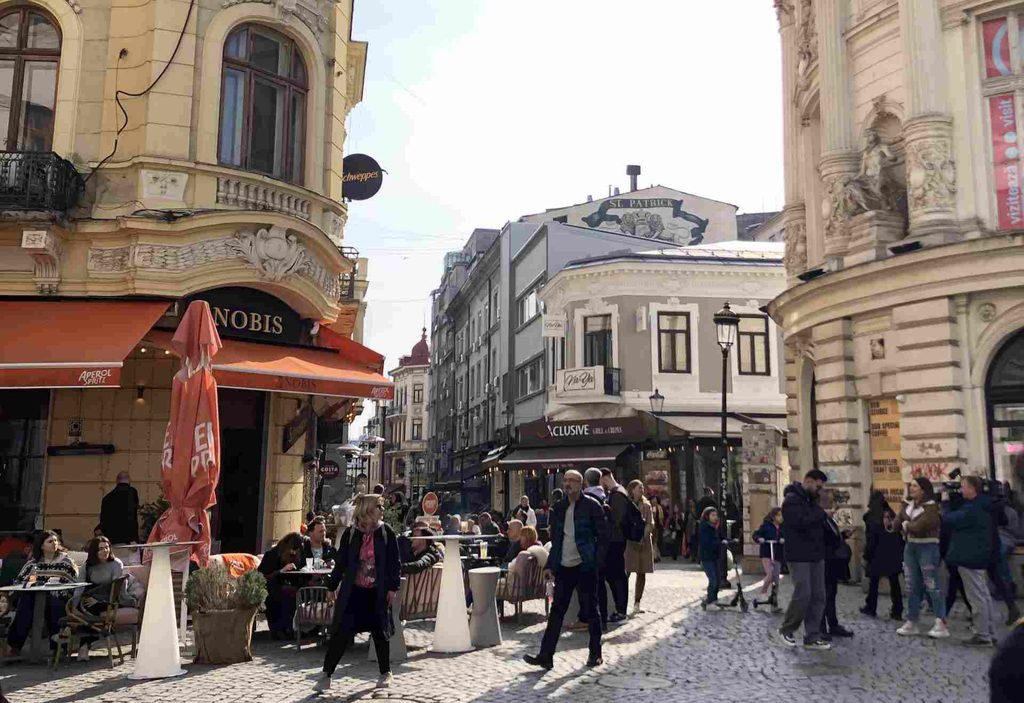
Bucharest is capital and biggest city in Romania. City is sometimes called the “Paris of the East” because of the influence of French architecture and urban planning, but Bucharest is much more than that, I wrote article just about Bucharest.
Pitesti
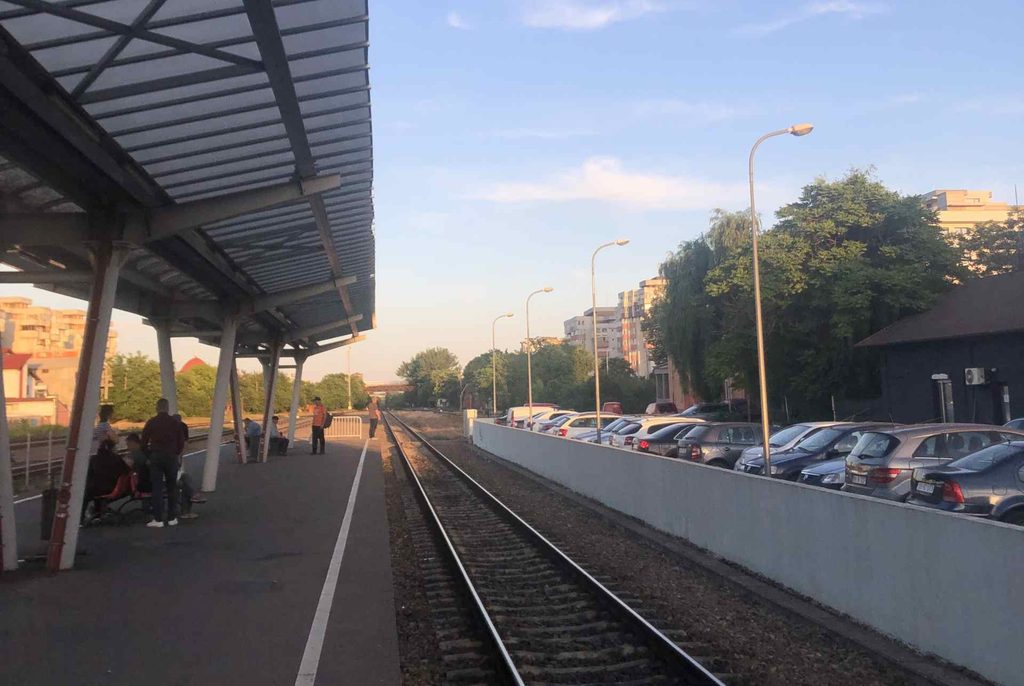
Pitesti is a city located in the south of Romania. I knew the city because it is a hub between other cities like Brasov, Cluj, Craiova and Bucharest. I visited it by diesel train from Craiova, which was an interesting experience because I had never used a diesel locomotive before. The city looks very nice. The streets have been recently renovated, and it seems that the train stations (Gara de Nord) have been renovated as well. The railway system on this route is not electrified.
Ramnicu Valcea
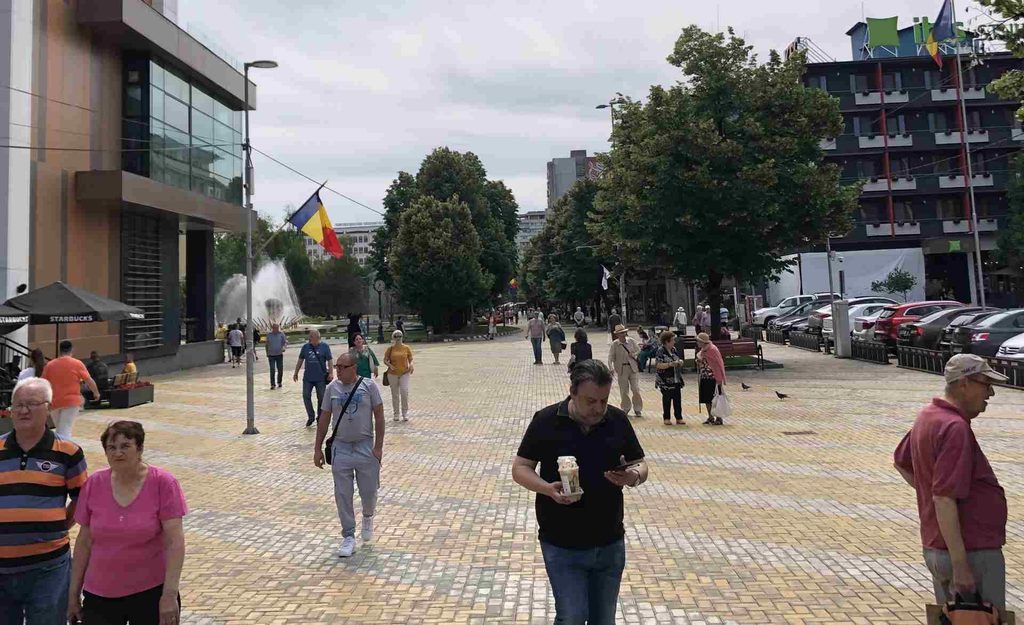
Or just Valcea, is a city located 130 kilometers from Pitesti, but north in the mountains. It is one of the best cities I have visited in Romania, with unique architecture and a rich history. Near the city there is the Old Salt Mine (I mentioned it in another nature article) which is worth a visit. It is also the home of the famous Romanian poet Anton Pan.
Craiova
Craiova is the capital of Dolj County. Its largest city in southwestern Romania, the center of the entire region. It is an interesting city for many reasons. I wrote another article about Craiova. The best time to visit Craiova is during Christmas, when the city turns into a very beautiful city. I wrote another article just about events in Craiova.
Tirgu Jiu
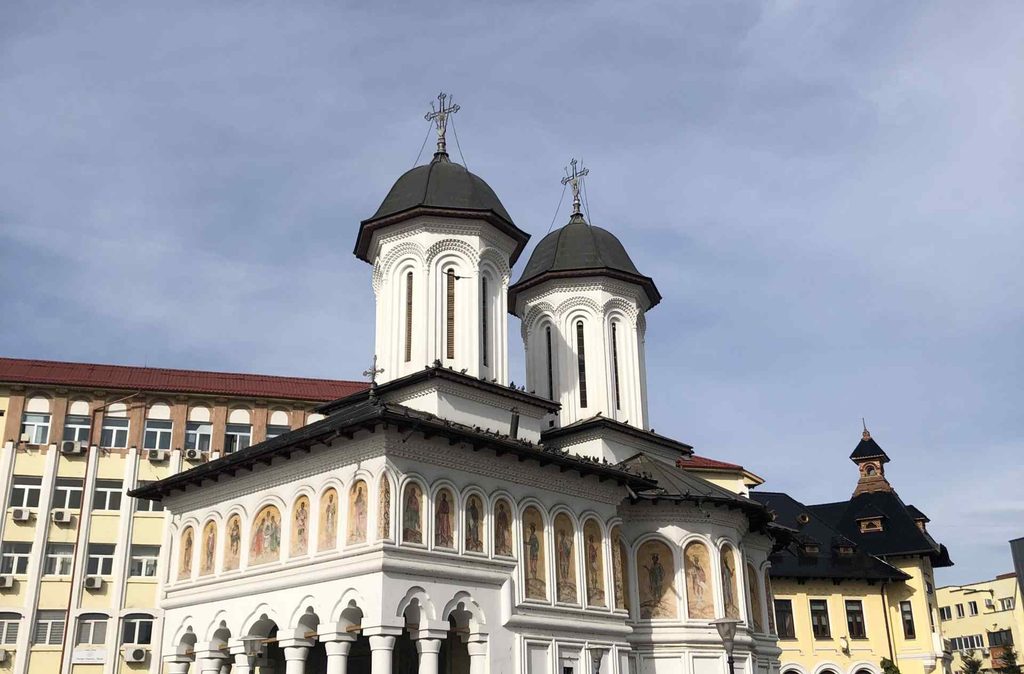
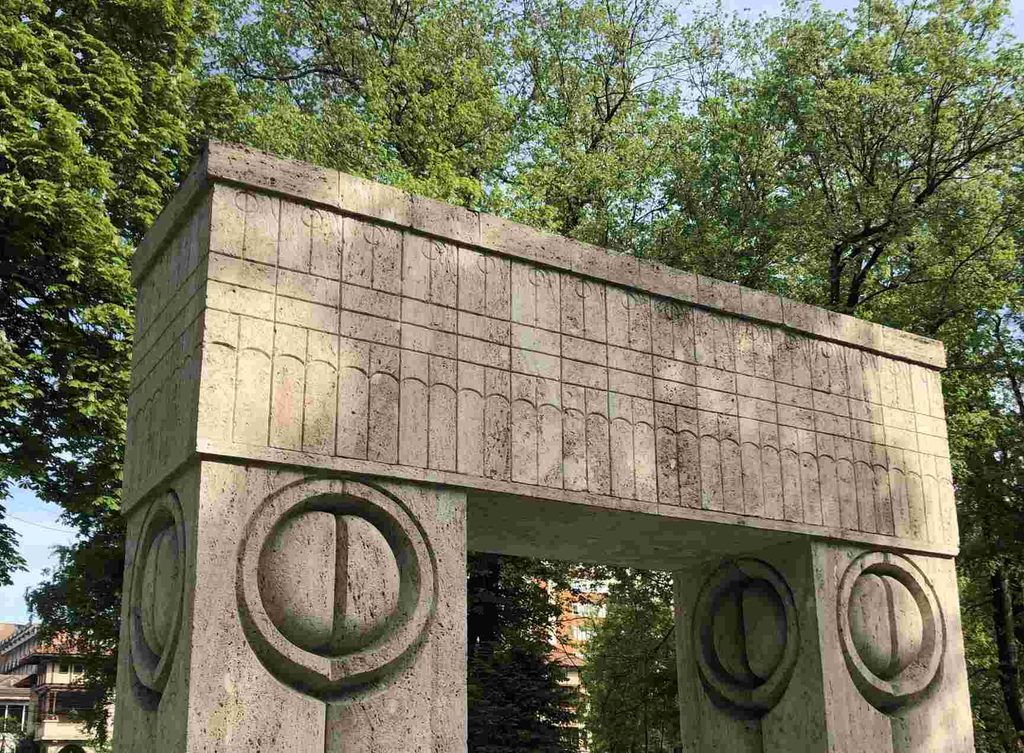
It is the capital of the Gorj County, named after the Jiu River. The name Gorj means hill in Slavic, and it is indeed higher compared to Craiova and Dolja (lowlands). This city has many green areas like monuments that cannot be touched which was unusual.
Drobeta-Turnu-Severin
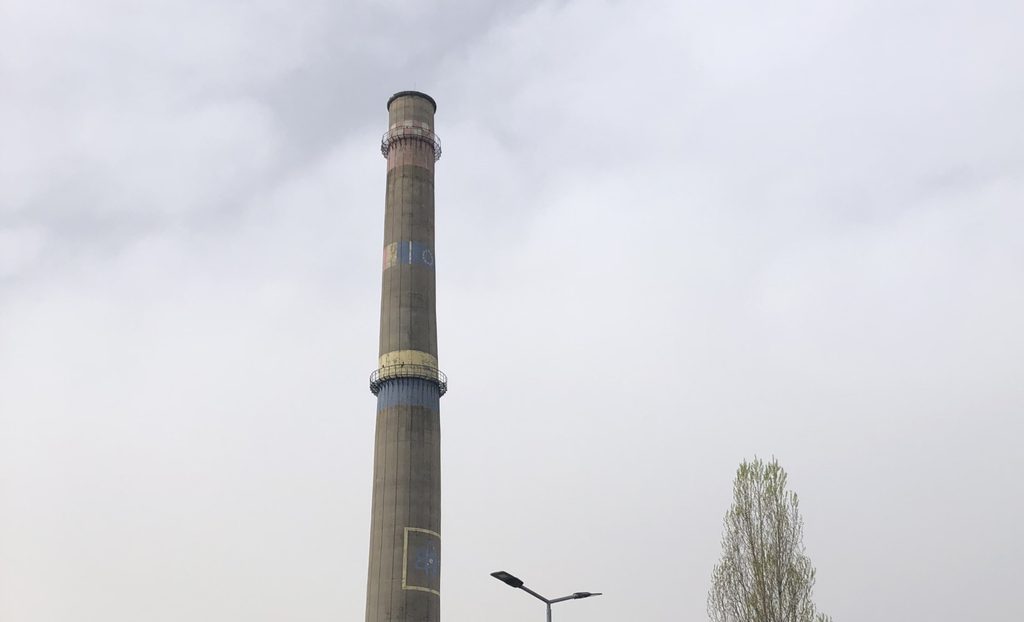
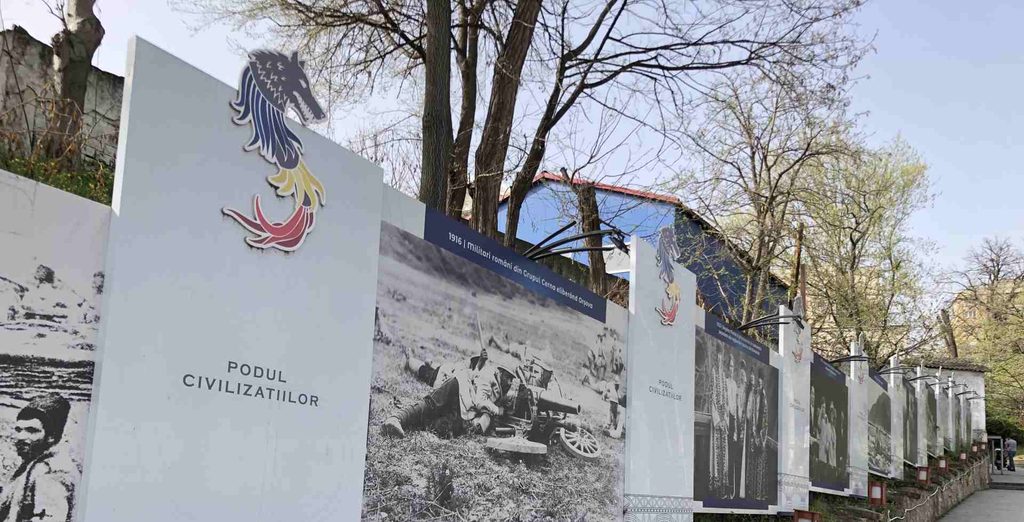
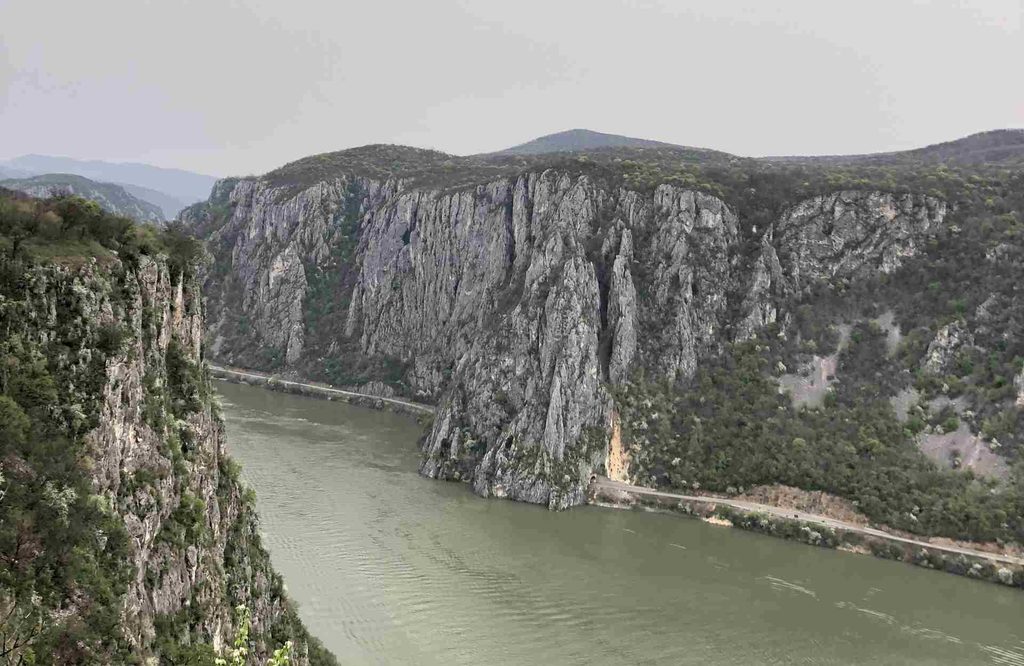
It was strange to hear a city with 3 names. This place is one of the most interesting for me, since it has a very large Danube and since there are many stories about the city itself. It is an important freight city and a hub for Romania and the Danube, and you will probably see a lot of freight trains and ships if you visit it.
Orsova
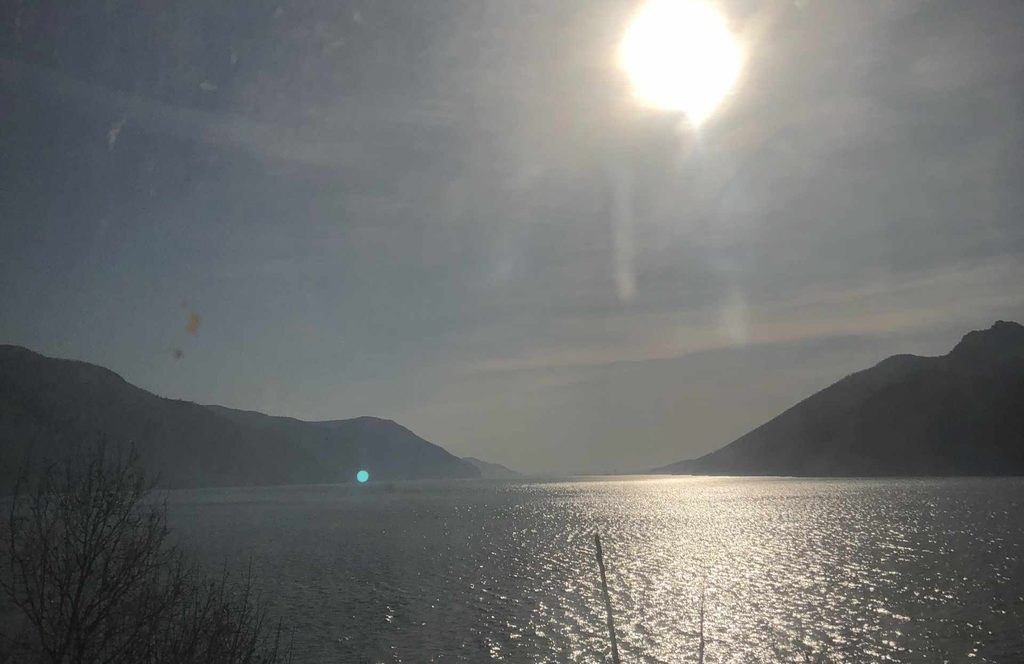
Probably one of the most interesting places because of Ada Kaleh, a lost island that used to be under these waters. Oršove itself is not that big, they say it was much bigger before they built the hydroelectric power plant. It is also interesting because of the mix of history. People in this area also speak Serbian just like the Serbs across the Danube speak Romanian as their mother tongue and accept both currencies (lei and Serbian dinars). One guy told me that there is even a Czech village in the area, which was interesting.
Timisoara
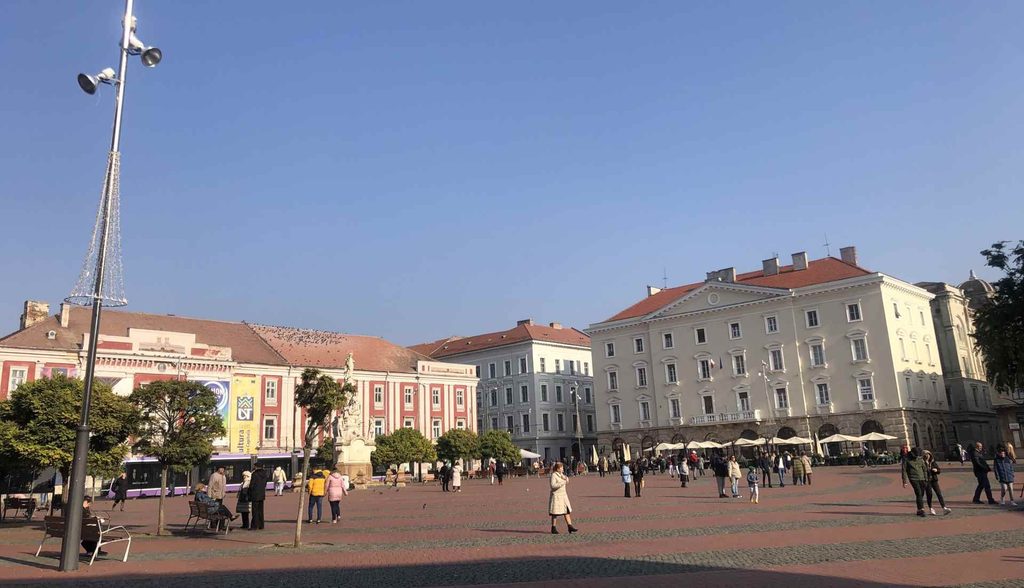
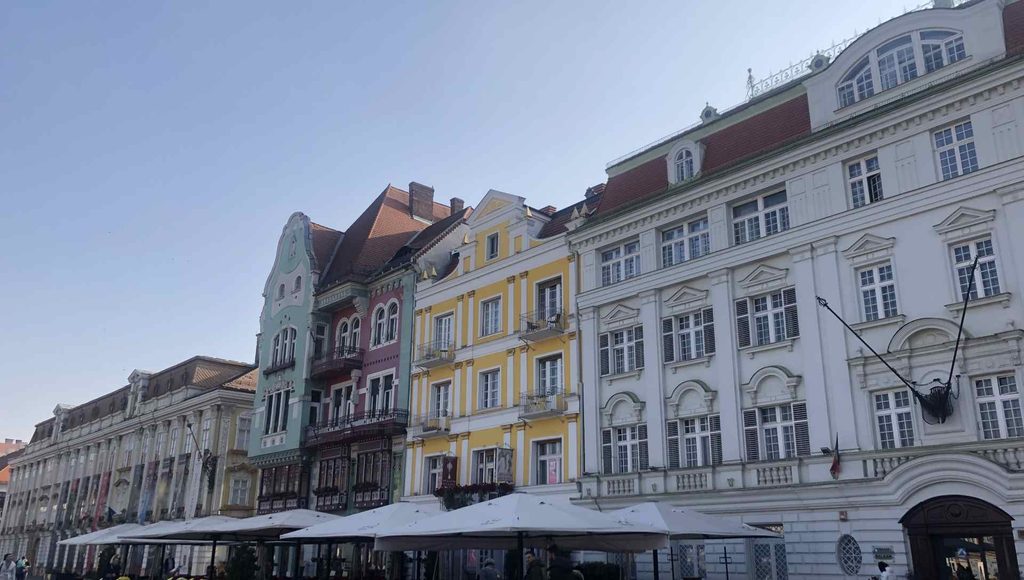
One of the most popular and most visited cities in Romania, popular today because the Revolution of 1989 began there. It is one of the largest, most developed and best cities in Romania. It is also very popular among students and as a day trip from Serbia, which can be reached in a few hours.
Brasov
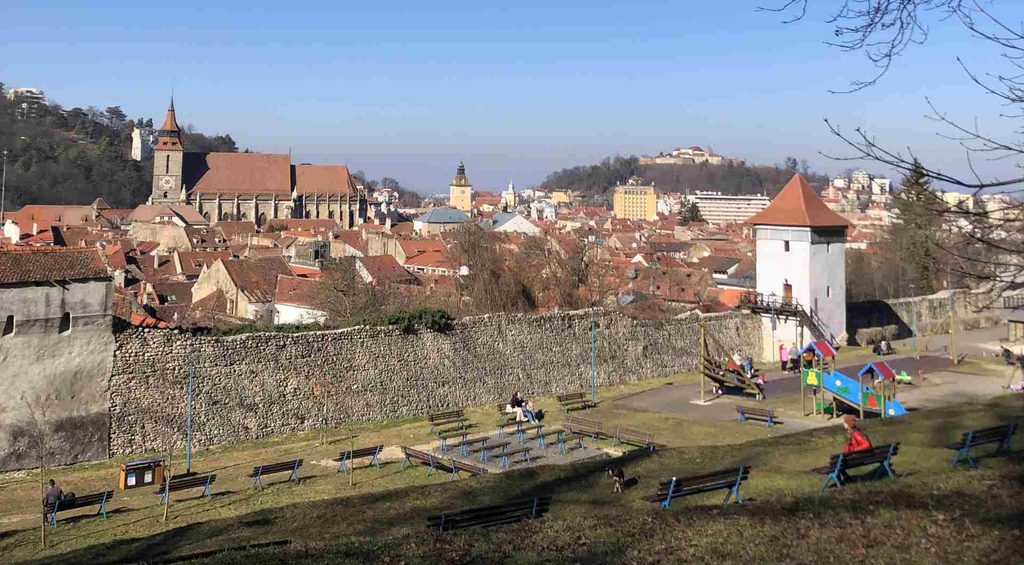
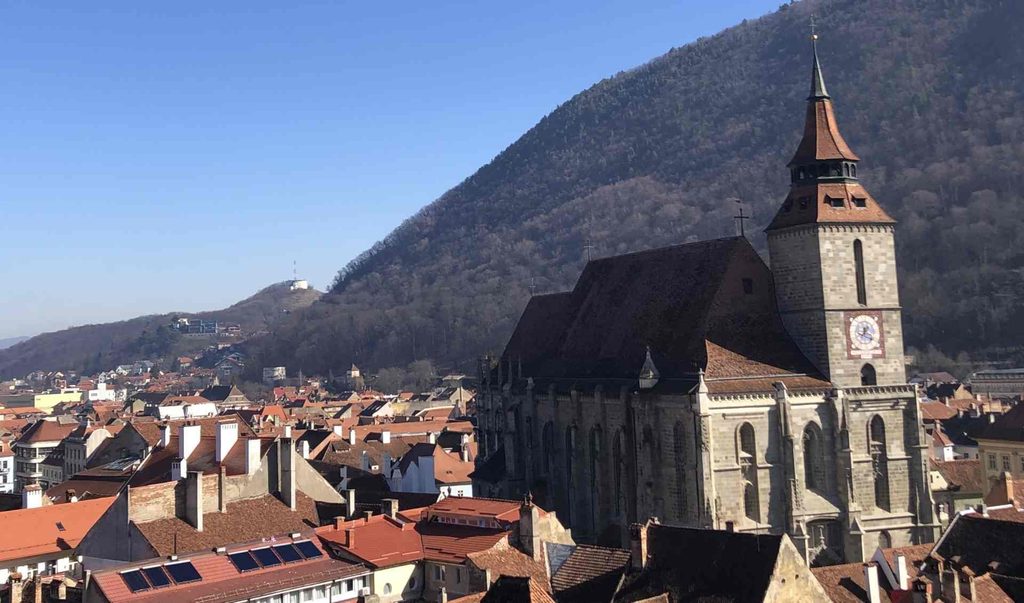
Brasov is one of the most interesting cities in Romania. I wrote article just for Brasov. Located in the middle of the mountains, its stunning city that can offer a lot to tourists and from my experience, where people speak English maybe the best in the whole Romania. If you are visiting Brasov, don’t forget to visit Dracula Castle.
A Brief Look at Nature in Romania
My favorite thing about Romania is nature. In another post about Romanian Nature I described places like: Făgăraș Mountains, Dubova, Rânca Mountain, Baile Herculane, Runcu and Park Constantin Branesi, Solina Ocnele Mare, Băile Olănești and Tisa, Baia de Fier. I also wrote a complete guide for hiking to Moldavianu peak (2,545), highest peak of Romania.